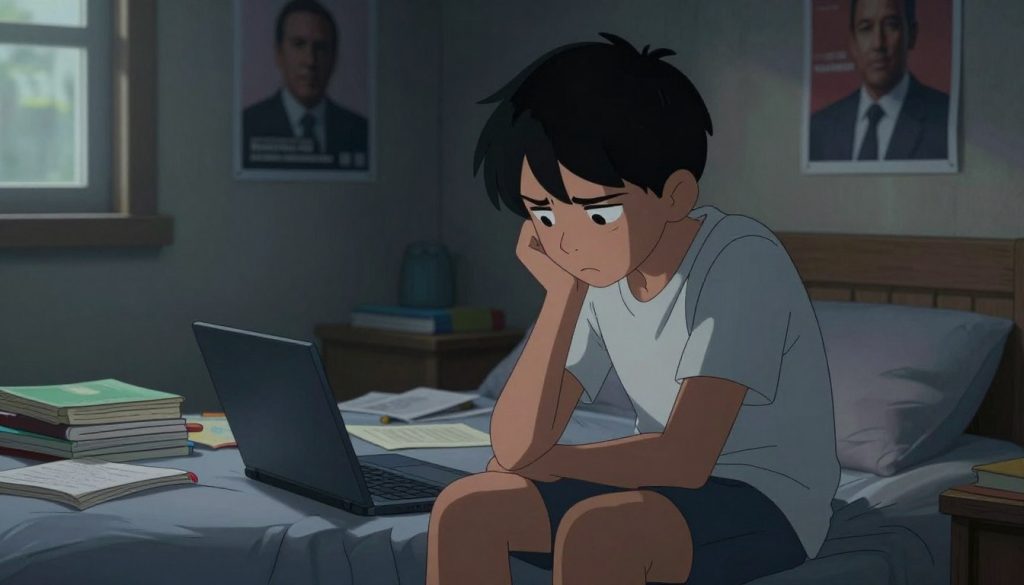
Many teenagers and adults in their early twenties report feeling overwhelmed by the demands of modern life. Understanding anxiety in younger generation dynamics is essential for parents, educators, and friends alike.
This trend is not merely a passing phase but a significant societal change. It stems from a complex mix of digital connectivity, academic pressure, and uncertain economic futures. Recognising these signs early can make a profound difference in providing the right support.
We must explore the root causes behind this rise in mental distress. By examining the environment in which our youth navigate their daily lives, we can foster better coping mechanisms. This article investigates why more young people are struggling with anxiety, offering practical advice to help them thrive. We will look at how to build resilience and create healthier habits for a brighter future.
The Current Landscape: Why More Young People Are Struggling With Anxiety
Anxiety disorders among teenagers and young adults are increasingly becoming a significant mental health challenge. The current landscape reveals a concerning trend where the pressures of modern life are taking a toll on the younger population.
The prevalence of anxiety disorders in teenagers is on the rise, with studies indicating a significant increase in reported cases over the past decade. This surge is attributed to various factors, including academic pressures, social media influence, and the uncertainties of the future.
Young adults are particularly vulnerable to mental health challenges, with the transition from adolescence to adulthood being a critical period. The pressures of independence, career choices, and financial stability can exacerbate feelings of anxiety.
Statistics underscore the gravity of the situation, with a notable percentage of young people experiencing anxiety disorders. This trend highlights the need for targeted interventions and support systems to address the unique challenges faced by this demographic.
Understanding the current landscape is crucial for developing effective strategies to mitigate the impact of anxiety on young people. By acknowledging the prevalence and complexities of anxiety disorders, we can work towards creating a more supportive environment for those affected.
The Digital Dilemma and Social Media Influence
Social media’s pervasive influence on the lives of young people is a critical factor in understanding the current anxiety epidemic. The digital landscape offers numerous benefits, including connectivity and access to information, but it also poses significant challenges to the mental health of young individuals.
The Impact of Constant Connectivity
The constant connectivity afforded by social media can have a dual effect. On one hand, it allows young people to stay in touch with friends and family, potentially reducing feelings of loneliness.
On the other hand, it can lead to an overload of information, making it difficult for individuals to disconnect and relax. This perpetual state of being ‘online’ can heighten anxiety levels as young people feel pressured to be constantly available and responsive.
Comparing Lives and the Fear of Missing Out
Social media platforms showcase the highlight reels of other people’s lives, fostering an environment where young individuals compare their behind-the-scenes moments with everyone else’s curated successes.
This can lead to unrealistic comparisons and a distorted view of reality, exacerbating feelings of inadequacy and low self-esteem. Furthermore, the fear of missing out (FOMO) on social events or experiences can induce significant anxiety, as young people feel compelled to stay constantly connected to avoid feeling left out.
Cyberbullying and Online Harassment
Another critical issue is the prevalence of cyberbullying and online harassment. The anonymity of the internet can embolden individuals to engage in behaviour they might not exhibit in person, leading to a rise in bullying and harassment.
This can have a devastating impact on the mental health of young people, contributing to increased anxiety, depression, and in severe cases, suicidal thoughts.
By understanding these aspects of the digital dilemma, we can begin to address the complex relationship between social media use and anxiety among young people.
Academic Pressures and Future Uncertainties
The weight of academic expectations, coupled with uncertainties about the future, significantly contributes to the anxiety experienced by young people. The educational journey, once a straightforward path, has become a complex and pressurized system that affects students’ mental health.
The Competitive Nature of Modern Education
Modern education has become increasingly competitive, with students facing immense pressure to perform well academically. This pressure is often compounded by the culture of comparison that pervades educational institutions, where students are frequently judged on their grades and achievements.
High expectations from parents, teachers, and even themselves can lead to a stressful environment that fosters anxiety. The fear of not meeting these expectations can be overwhelming, causing students to feel like they are constantly under scrutiny.
Economic Anxiety and Career Prospects
Another significant factor contributing to anxiety among young people is the uncertainty surrounding their future careers and economic stability. The job market is becoming increasingly competitive, and the pressure to secure a well-paying job immediately after graduation can be daunting.
Students are not only worried about their immediate career prospects but also about the long-term financial implications of their choices. This uncertainty can lead to a state of constant anxiety, as they navigate the challenges of their academic and professional lives.
Managing Anxiety in College Students
Managing anxiety in college students requires a multifaceted approach. It involves not just the students themselves but also the educational institutions and the broader community. Strategies such as mindfulness, time management, and seeking support from peers, mentors, or professionals can be highly effective.
Colleges and universities can play a crucial role by providing resources and support systems tailored to the needs of their students. This can include counseling services, stress management workshops, and creating an environment that encourages openness about mental health issues.
Practical Coping Mechanisms for Youth Anxiety
As anxiety continues to affect more young people, it’s essential to explore practical coping mechanisms that can provide relief.
Anxiety can be debilitating, but there are several strategies that young individuals can employ to manage their symptoms effectively.
Building Resilience Through Mindfulness
Mindfulness is a powerful tool for building resilience against anxiety. By focusing on the present moment, young people can learn to let go of worries about the past or future.
Mindfulness techniques can be practiced through meditation, deep breathing exercises, or simply paying attention to one’s surroundings.
The Importance of Physical Activity and Sleep
Regular physical activity is crucial for both physical and mental health. Exercise has been shown to reduce anxiety symptoms by releasing endorphins, also known as “feel-good” hormones.
Adequate sleep is also vital for managing anxiety. Young people should aim for 7-9 hours of sleep per night to help regulate their mood and reduce anxiety symptoms.
Seeking Professional Help and Therapeutic Support
While self-help strategies are beneficial, some young people may need additional support from mental health professionals.
Recognising When to Consult a GP
If anxiety is impacting daily life, it’s essential to consult a GP. They can provide guidance on the best course of treatment and refer young people to specialist services if needed.
Accessing NHS Mental Health Services
In the UK, the NHS offers a range of mental health services for young people, including counselling and therapy. Young individuals can access these services through their GP or by self-referral in some areas.
By seeking help and employing practical coping mechanisms, young people can learn to manage their anxiety and improve their overall well-being.
Empowering the Next Generation Through Support
Supporting young people in managing anxiety requires a collective effort from parents, educators, and the community. The parents’ role in supporting anxious youth is crucial, as they can provide a nurturing environment that fosters open discussions about mental health.
By creating a safe space, parents can help their children feel comfortable sharing their feelings and concerns. Educators also play a vital role in promoting mental well-being by incorporating mindfulness and stress management techniques into the curriculum.
A supportive community can further enhance the efforts of parents and educators. By working together, we can empower the next generation to develop the resilience and coping mechanisms needed to thrive in an increasingly complex world.