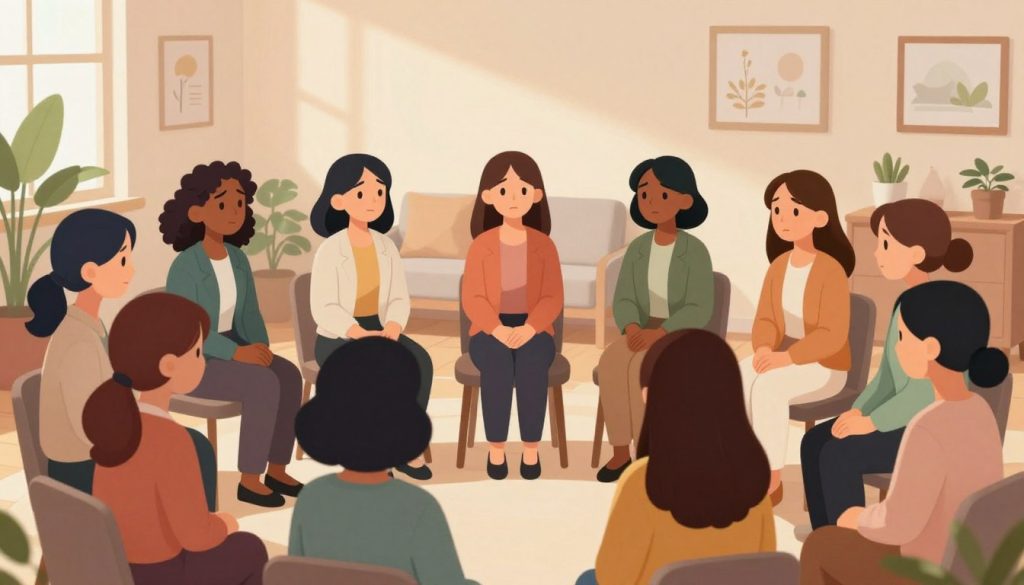
Navigating the path to healing is a deeply personal experience. For many, acknowledging the need for support is the most courageous step one can take towards long-term recovery and personal growth.
Prioritising womens mental health across the United Kingdom remains a vital necessity. By fostering an environment of understanding, we can better address the complex challenges that often follow traumatic experiences.
This guide serves as a compassionate companion for your unique journey. We aim to provide you with the clarity and tools required to navigate your wellbeing with confidence and grace.
You are not alone in this process. Embracing womens mental health as a priority allows you to reclaim your narrative and build a future defined by resilience. Let us begin this supportive path toward wellness together, ensuring you feel truly heard and empowered every step of the way.
Understanding the Landscape of Womens Mental Health
The landscape of mental health for women is shaped by a blend of societal expectations and biological realities. Recognising these influences is essential for anyone seeking to improve their overall quality of life. By looking at the bigger picture, we can better understand the unique hurdles that many women face in their daily lives.
The Intersection of Gender and Mental Wellbeing
Societal roles often place a heavy burden on women, which can significantly impact women’s mental wellbeing. Many women balance professional responsibilities with caregiving duties, leading to high levels of stress and burnout. These external pressures often intersect with internal biological factors, creating a complex environment for emotional health.
When we consider womens mental health, it is vital to acknowledge how these combined factors create specific challenges. Society frequently expects women to be the primary emotional support for others, which can leave little room for their own self-care. This imbalance often acts as a catalyst for long-term psychological distress.
Common Female Mental Health Issues in the UK
Within the United Kingdom, healthcare data consistently highlights specific trends regarding female mental health issues. Anxiety and depression remain the most frequently reported conditions among women accessing NHS services. These issues are often deeply rooted in the intersectional pressures of modern life, including financial instability and social isolation.
It is crucial to identify these patterns early to ensure that women receive the right support. By understanding that these struggles are common, many women feel less alone in their journey toward recovery. Seeking help is a brave step, and recognising the signs of these conditions is the foundation for building a healthier future.
The Impact of Trauma on Women’s Psychological Wellbeing
Trauma often leaves invisible scars that profoundly alter a woman’s psychological landscape. These experiences can shift how one perceives safety, self-worth, and the world at large. Prioritising women’s mental wellbeing requires us to look closely at how these past events continue to echo in the present.
Recognising Signs of Complex Trauma
Complex trauma often manifests through persistent emotional dysregulation and a heightened state of alertness. Many women may feel as though they are constantly waiting for the next crisis, a state known as hypervigilance. This internal pressure can make it difficult to find moments of genuine peace or relaxation.
Other common signs include intrusive memories, a sense of detachment from one’s own body, or sudden mood shifts. Recognising these patterns is a brave first step in reclaiming control over your life. By identifying these triggers, you can begin to nurture your women’s mental wellbeing with greater compassion and clarity.
How Trauma Affects Daily Functioning and Relationships
The weight of unresolved trauma frequently spills over into daily routines and personal connections. It can become challenging to maintain trust in others, leading to social withdrawal or difficulties in setting healthy boundaries. Feeling isolated is a common experience, yet it is important to remember that you are not alone in this struggle.

When trauma impacts your ability to engage with the world, simple tasks may feel overwhelming. Relationships might suffer as the nervous system remains stuck in a defensive mode. Seeking support allows you to rebuild these connections and foster a more stable, fulfilling life.
The Physiological Response to Chronic Stress
Chronic stress triggers a powerful physiological response that keeps the body in a state of constant fight or flight. Over time, this flood of stress hormones like cortisol can lead to physical exhaustion and long-term health issues. This biological reaction is a natural attempt by the body to protect itself, even when the original danger has passed.
Understanding this connection between the mind and body is essential for women’s mental wellbeing. By learning to soothe the nervous system, you can move from a state of survival to a state of active, informed recovery. Healing is a gradual process, but it is entirely possible with the right tools and support.
The Importance of Gender-Specific Mental Health Care
Effective recovery often hinges on the implementation of gender-specific mental health care. While general therapy provides a foundation, it frequently overlooks the distinct social and biological realities that shape a woman’s life. By focusing on these unique factors, practitioners can offer support that feels both relevant and deeply personal.
Why Women Require Tailored Therapeutic Approaches
Standardised treatment models often fail to account for the complex intersection of societal expectations and personal history. Women frequently navigate unique stressors, such as balancing professional demands with caregiving roles or managing hormonal shifts that influence mood. Tailored therapeutic approaches recognise these nuances, ensuring that the treatment plan evolves alongside the individual.
When therapy is customised, it addresses the root causes of distress rather than just managing symptoms. This bespoke strategy allows for a more holistic recovery process. It empowers women to reclaim their narrative in a way that feels authentic and sustainable.
Creating Safe Spaces for Healing
The environment in which therapy takes place is just as vital as the techniques used. Many women require a sanctuary where they feel completely free from judgement or external pressure. A safe, non-judgemental environment acts as a container for vulnerability, allowing deep-seated trauma to be processed safely.
In these protected spaces, the focus remains entirely on the individual’s growth and wellbeing. By removing the fear of stigma, women can explore their experiences with greater honesty. This sense of security is essential for anyone seeking to move past difficult life events.
The Role of Empathy in Clinical Settings
Empathy serves as the cornerstone of any successful therapeutic relationship. It is not merely a soft skill; it is a clinical necessity that builds the trust required for transformation. When a therapist listens with genuine compassion, it validates the patient’s lived experience.
This deep connection helps to dismantle the barriers that often prevent healing. Through consistent, empathetic engagement, clinicians can facilitate a profound psychological shift. Ultimately, this human-centred approach ensures that women feel seen, heard, and supported throughout their journey toward lasting wellness.
Navigating Mental Health Support for Women
Taking the first step toward professional help is a brave and vital decision for your wellbeing. Finding the right mental health support for women can feel like a complex task, but having a clear roadmap makes the process much easier to manage.
Accessing NHS Mental Health Services for Women
The National Health Service remains the primary gateway for many individuals seeking care in the UK. You can start by booking an appointment with your local GP, who acts as the first point of contact for women’s mental health resources.
During your consultation, be honest about your feelings and how they impact your daily life. Your GP can refer you to local psychological therapies, often referred to as IAPT services, which provide evidence-based treatments like Cognitive Behavioural Therapy.
Private Therapy and Specialist Support Options
For those who prefer a faster route or require specific expertise, private therapy is a valuable alternative. Choosing private mental health services for women allows you to select a therapist who specialises in your unique needs, such as trauma-informed care or perinatal support.
While this route involves an out-of-pocket cost, the flexibility and speed of access are significant benefits. Many private practitioners offer online sessions, making it easier to fit therapy into a busy schedule.
Utilising Community-Based Mental Health Resources
Beyond clinical settings, local community groups provide essential emotional support. These organisations often host peer-led sessions where you can connect with others who share similar experiences in a safe and non-judgmental environment.
Charities and local hubs are excellent places to find these connections. Engaging with your community can greatly enhance your recovery journey by reducing feelings of isolation and fostering a sense of belonging.
Strategies for Improving Women’s Mental Wellness
Improving women’s mental wellness is a journey that begins with small, consistent actions. By adopting intentional habits, you can create a foundation for long-term psychological health and stability. These strategies are designed to empower you to take control of your emotional landscape.
Building Resilience Through Self-Compassion
Many women struggle with harsh internal criticism that fuels feelings of shame and inadequacy. Self-compassion acts as a powerful antidote to this negative self-talk. It involves treating yourself with the same kindness you would offer a dear friend during a difficult time.
When you acknowledge your pain without judgment, you build emotional resilience. This practice helps you navigate life’s challenges while maintaining a sense of inner peace. By replacing self-blame with understanding, you create the space necessary for genuine healing to occur.
The Role of Social Connection in Recovery
Isolation often deepens the impact of mental health struggles, making recovery feel like an uphill battle. Maintaining strong social connections is vital for your overall wellbeing and long-term stability. Engaging with supportive communities provides a sense of belonging that is essential for growth.
Whether through local support groups or close friendships, sharing your experiences can significantly reduce the burden of secrecy. These bonds act as a safety net, offering encouragement when you feel overwhelmed. Remember that reaching out for support is a sign of strength, not a weakness, and it plays a crucial role in improving women’s mental wellness.
Promoting Women’s Mental Health Awareness
Building a culture of openness is the first step in transforming how we approach women’s mental health awareness. When we encourage honest conversations, we create an environment where vulnerability is seen as a strength rather than a weakness.
This shift in perspective is essential for fostering a society that truly values the emotional wellbeing of all individuals. By normalising these discussions, we pave the way for a more compassionate future.
Breaking the Stigma Around Seeking Help
Cultural barriers often prevent women from speaking openly about their internal struggles. Many feel the weight of societal expectations, which can lead to silence and isolation during difficult times.
Sharing personal stories is a powerful tool to dismantle these outdated norms. When women speak up, they provide others with the courage to seek the mental health support for women that they deserve.
Community-led initiatives play a crucial role in this process. By creating safe spaces for dialogue, we can effectively challenge the shame that often surrounds mental health challenges.
Advocating for Better Mental Health Policy
Individual efforts must be matched by systemic change to ensure lasting progress. We need to push for policies that prioritise mental health support for women within our national healthcare frameworks.
Advocacy is about ensuring that resources are accessible, affordable, and tailored to specific needs. By demanding better standards, we help build a robust system that protects future generations.
Ultimately, women’s mental health awareness is not just a personal journey but a collective responsibility. Through persistent advocacy, we can ensure that high-quality care becomes a standard right for every woman in the UK.
Embracing a Path Toward Lasting Healing
Recovery is a personal journey that unfolds in its own time. It is rarely a straight line, but rather a series of small steps toward self-discovery. You deserve to be patient with yourself as you navigate these changes.
Utilising the resources provided by organisations like Mind or the NHS can offer a solid foundation for your progress. These tools exist to support your unique needs. You possess the inner strength required to thrive when you combine these professional services with personal compassion.
Your wellbeing remains a priority throughout this lifelong process. Small acts of kindness toward yourself build resilience over time. Reach out to your local community or trusted support networks whenever you feel the need for connection.
Every woman has the capacity to find peace and stability. Trust in your ability to grow and heal. Your commitment to your own mental health creates a brighter future for yourself and those around you.