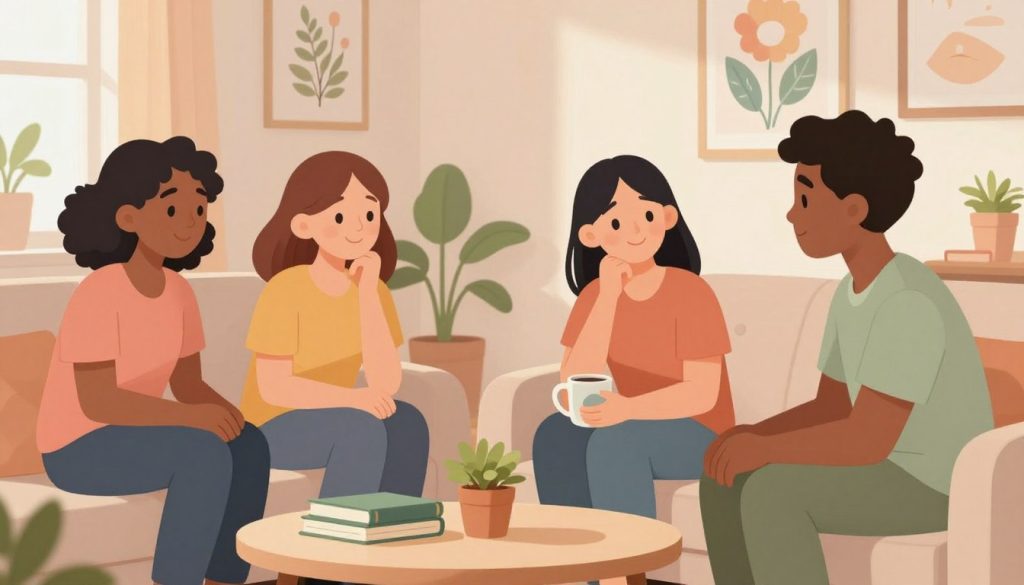
We are finally beginning to recognise that our psychological wellbeing is just as vital as our physical condition. Open communication serves as the foundation for a supportive society where everyone feels safe to share their struggles without fear of judgement.
Fostering mental health awareness across our communities leads to better outcomes for individuals and families alike. When we create spaces for these vital conversations, we build stronger connections and ensure that support is accessible to those who need it most.
By normalising the act of Talking About Mental Health, we dismantle the invisible barriers that often prevent people from seeking the professional help they deserve. Empathy and understanding are the keys to transforming how we support one another in our daily lives.
The Power of Talking About Mental Health
The simple act of speaking up about our mental health can spark a wave of positive change across our communities. When we choose to share our experiences, we move away from isolation and toward a culture of mutual support. Talking About Mental Health is not just a personal choice; it is a vital step in creating a healthier society for everyone.

Breaking the Silence in Modern Society
For too long, many people have felt forced to hide their struggles behind a mask of perfection. This silence often stems from a fear of judgement or the worry that they might face social exclusion. By normalising mental health discussions, we dismantle these barriers and allow individuals to be their authentic selves.
Modern society is slowly shifting as more people recognise that our emotional wellbeing is just as important as our physical health. When we speak openly, we provide others with the permission to do the same. This collective shift helps to ensure that no one has to navigate their darkest moments in total solitude.
Why Vulnerability is a Strength
Many people mistakenly view vulnerability as a sign of weakness, but it is actually a profound form of courage. Sharing our challenges requires a great deal of bravery and honesty. When we embrace this mental health conversation, we build deeper, more meaningful connections with those around us.
Being open about our needs encourages others to reflect on their own wellbeing. It creates a ripple effect where empathy becomes the standard rather than the exception. Ultimately, vulnerability acts as a bridge that connects us, proving that we are stronger when we face our challenges together through honest and consistent mental health discussions.
Understanding the Impact of Mental Health Stigma
Addressing the hidden barriers to wellbeing requires us to look closely at how we view mental health. Too often, mental health stigma acts as a wall that separates individuals from the care they deserve. This social pressure creates a culture where silence feels safer than speaking out.
How Stigma Prevents People from Seeking Help
When someone fears being judged or labelled, they are far less likely to visit their GP or reach out to a support service. The internalised shame associated with these conditions can be debilitating, leading many to suffer in isolation. This cycle of silence only serves to worsen the underlying issues over time.

The Role of Language in Shaping Perceptions
The words we choose every day have a profound effect on how society perceives psychological wellbeing. Using outdated or derogatory terms can reinforce negative biases that have existed for generations. By choosing our language with care and empathy, we can begin to dismantle these barriers.
Challenging Harmful Stereotypes
Many common myths suggest that mental health struggles are a sign of weakness or a lack of character. These stereotypes are not only incorrect but also deeply damaging to those trying to recover. We must actively challenge these narratives by sharing facts and personal stories that highlight the reality of the human experience.
Promoting Inclusive Conversations
A commitment to mental health education is essential for building a more compassionate community. When we provide people with the right information, we replace fear with understanding. Through consistent mental health education, we can foster an environment where everyone feels safe to share their journey without the fear of prejudice.
Creating Supportive Environments for Mental Health Discussions
Real change begins when we intentionally design spaces that encourage honest conversations. Whether at home or in the office, providing a secure foundation allows individuals to share their experiences without fear of judgement. By prioritising mental health support, we can ensure that no one feels they must navigate their challenges in isolation.
Fostering Openness in the Workplace
Workplaces often serve as the primary setting for our daily interactions, making them vital hubs for wellbeing. Employers can lead by example, normalising mental health discussions during regular check-ins rather than waiting for a crisis to occur. When leaders speak openly about their own experiences, it creates a culture where staff feel safe to be vulnerable.
Implementing flexible policies also demonstrates a commitment to employee welfare. Simple adjustments, such as allowing time for appointments or providing quiet spaces, signal that the organisation values the person behind the role. This proactive approach helps reduce burnout and fosters a more resilient team.
Building Trust Within Families and Friendships
Trust acts as the bedrock for any meaningful mental health conversation. Within our personal circles, we can build this trust by being consistent, reliable, and non-judgemental. It is important to create a space where loved ones feel they can speak freely without being offered immediate, unsolicited advice.
Sometimes, simply being present is the most powerful form of mental health support we can offer. By showing up for one another during difficult times, we strengthen the bonds that keep us grounded. True connection often happens in the quiet moments when we choose to listen rather than speak.
The Importance of Active Listening
Active listening is a skill that transforms how we engage with those around us. It involves giving our full attention to the speaker, acknowledging their feelings, and validating their perspective. This practice is essential for effective mental health discussions, as it helps the individual feel truly heard and understood.
Techniques for Empathetic Communication
To communicate with empathy, start by using open-ended questions that invite the other person to share at their own pace. Phrases like “How have you been feeling lately?” or “What can I do to help?” are far more effective than closed questions. Reflective listening, where you repeat back what you have heard, ensures that you have understood their message correctly.
Finally, avoid the urge to fix the problem immediately. Instead, focus on creating a safe, empathetic environment where the person feels valued. By mastering these techniques, you contribute to a healthier, more supportive society for everyone.
Accessing Mental Health Resources and Support
Navigating the landscape of mental health support in the UK is a vital step toward recovery. While the path may seem complex, understanding the available options can make the process much easier to manage.
Navigating NHS Mental Health Services
The National Health Service remains the primary point of contact for many people. You can start by booking an appointment with your local GP, who acts as the gateway to specialist care.
Many areas also offer self-referral services for talking therapies, such as cognitive behavioural therapy. These services allow you to access mental health resources directly without needing a formal referral from your doctor.
The Role of Charities and Community Organisations
Charities like Mind and the Samaritans provide essential services that complement NHS care. These organisations offer a safe space to talk, often providing immediate emotional assistance when you feel overwhelmed.
Local community groups are also invaluable for building social connections. Engaging with these groups helps reduce feelings of isolation and provides a sense of belonging during difficult times.
Digital Tools and Peer Support Networks
Technology has transformed how we access help, with various apps and online platforms now available at your fingertips. These digital tools can help you track your mood, practice mindfulness, or learn coping strategies.
Peer support networks allow you to connect with others who have shared similar experiences. Sharing your story in a moderated online environment can be incredibly empowering and validating.
When to Seek Professional Guidance
It is important to recognise when your symptoms require more than just self-care. If you find that your feelings are persistent, interfering with your daily life, or causing you significant distress, please reach out for help.
Professional guidance is essential if you feel unable to cope or if you are experiencing thoughts of self-harm. Remember that seeking help is a sign of strength, not a weakness, and there is always someone ready to listen.
Embracing a Future of Open Dialogue
Building a compassionate society starts with the choices we make today. Sustained mental health awareness serves as the foundation for lasting change across the United Kingdom.
We must look beyond immediate solutions to secure a better environment for future generations. Consistent mental health education empowers individuals to recognise signs of distress early. This knowledge transforms how communities support one another during difficult times.
Organisations like Mind and Rethink Mental Illness lead the way in changing public perceptions. Their work shows that honest conversations reduce isolation and build resilience. Every person plays a part in normalising these vital discussions.
Prioritising these values ensures that progress becomes the standard rather than the exception. We create a culture where seeking help is seen as a sign of strength. Your commitment to these principles helps shape a healthier, more supportive tomorrow for everyone.
Start these conversations in your own circles today. Small actions create ripples that reach far beyond our immediate reach. Together, we build a future defined by empathy and understanding.