


Feeling overwhelmed is something many people experience. It doesn’t matter who you are or what you do. Stress and pressure are common in daily life across the United Kingdom.
Realising you’re struggling is a big step. It’s the first step to improving your mental wellbeing and finding balance again.
This guide will help you when you feel overwhelmed. You’ll learn how to spot stress and burnout signs. You’ll also find self-care methods that suit your situation.
The NHS and other UK organisations offer support. This article will help you identify your symptoms and find the right help. You deserve to feel better, and help is available when you need it most.
Choosing to take action today is the best decision for your future wellbeing and peace of mind.
Recognising the Signs You Are Not Coping with Stress
It’s key to know the signs of stress for your health. Many people face stress daily but don’t see when it gets too much. Spotting these signs early lets you act before things get worse. This can stop serious health and emotional problems.
Stress hits everyone differently. Some feel it physically, others through their actions. Paying attention to your body and actions helps you spot early warning signs. This lets you get help when you need it.
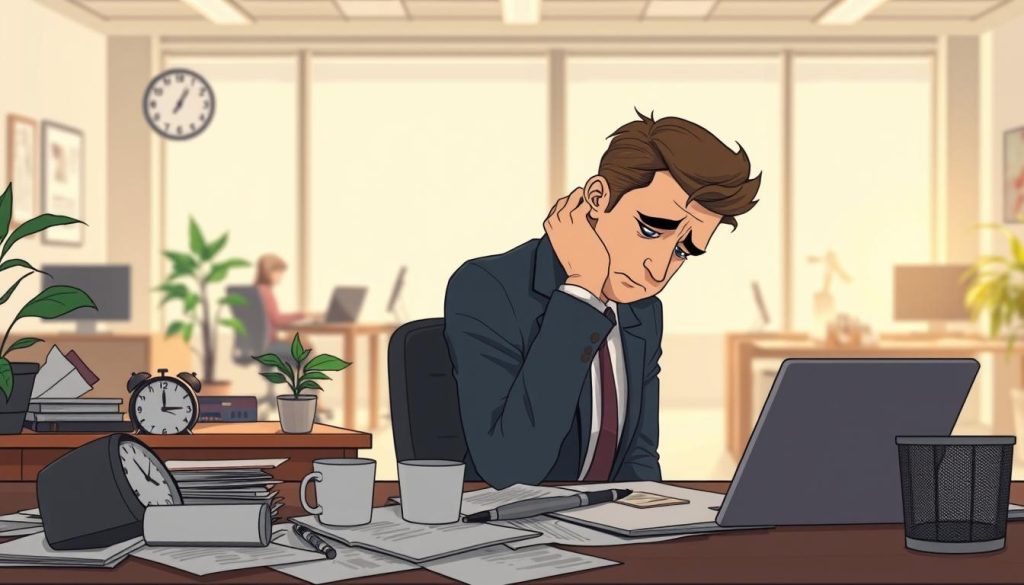
Physical Indicators of Chronic Stress
Your body often shows stress before you notice it. Signs like headaches, muscle tension, and constant tiredness are common. These signs don’t go away with just rest.
Look out for these physical signs:
- Frequent headaches or migraines
- Tight shoulders and neck muscles
- Exhaustion that doesn’t ease with sleep
- Stomach problems or digestive issues
- Changes in appetite or weight
- Difficulty sleeping or staying asleep
- Increased susceptibility to colds and flu
Behavioural Changes to Monitor
Stress changes how you act and interact with others. You might pull back from friends or family. You get irritable easily, and small things upset you. It’s harder to focus on daily tasks.
Common changes in behaviour include:
| Behaviour Change | What to Notice |
|---|---|
| Social Withdrawal | Avoiding friends, family gatherings, or social events you normally enjoy |
| Increased Irritability | Becoming short-tempered or angry over minor issues |
| Poor Concentration | Struggling to focus on work, reading, or conversations |
| Changes in Work Performance | Making mistakes, missing deadlines, or lacking motivation |
| Substance Use | Drinking more alcohol or relying on caffeine excessively |
| Neglected Self-Care | Skipping showers, wearing unwashed clothes, or ignoring hygiene |
Spotting these patterns helps you see when stress is a problem. Acting early stops these signs from turning into serious mental health issues. Recognising these signs is the first step to getting better.
What to Do When You Feel Like You Are Not Coping
Recognising you need support is a key first step. Feeling overwhelmed by daily life can make you feel like you’re not coping. It’s important to be kind to yourself, not to criticise.
Breaking big challenges into smaller steps is a good start. This helps you feel in control and makes progress seem reachable.

- Pause and acknowledge your feelings without judgment
- Divide overwhelming tasks into bite-sized steps
- Reach out to someone you trust about your struggles
- Create a simple daily routine with achievable goals
- Prioritise sleep, nutrition and movement
Social connection serves as a powerful recovery tool. Talking to a trusted friend or family member can change your view. It offers practical help and shows you’re not alone.
“Asking for help is not weakness. It is the courage to recognise that you deserve support.” – Mental Health Foundation
Learning to cope takes time and patience. Being kind to yourself is your best ally in tough times. Remember, struggling is normal—it means you’re facing real challenges that deserve care and understanding.
Identifying Emotional Overwhelm Symptoms
Emotional overwhelm can sneak up on you without warning. You might feel always on edge, struggle to focus, or have thoughts racing non-stop. Spotting these signs early helps you act before stress gets out of hand. Knowing what emotional overwhelm looks like helps you find better ways to cope.
Many people ignore their feelings until they hit a breaking point. By learning to spot emotional overwhelm in yourself, you can tackle problems early. This awareness is your first line of defence against serious mental health issues.
The Impact of Persistent Anxiety
Persistent anxiety makes it hard to work, sleep, and keep relationships strong. When worry is constant, your body stays in fight-or-flight mode. This state is exhausting and makes simple tasks seem impossible.
Anxiety also affects your physical health. You might get headaches, stomach issues, or muscle tension. Your work performance drops as your mind is filled with fears. Relationships suffer when you’re too overwhelmed to connect with others.
| Anxiety Impact Area | Common Effects | Daily Challenges |
|---|---|---|
| Work Performance | Difficulty concentrating, missing deadlines | Struggling to complete tasks efficiently |
| Physical Health | Sleep disruption, tension headaches | Waking exhausted, persistent pain |
| Relationships | Irritability, withdrawal from others | Conflict with family and friends |
| Mental Clarity | Racing thoughts, poor decision-making | Difficulty focusing on important matters |
Managing Sudden Mood Fluctuations
Sudden mood swings make you feel unstable and unpredictable. One minute you’re calm, the next you’re angry or tearful. These mood shifts often link to specific triggers in your environment or daily interactions.
Finding your personal triggers is key. Keep a simple journal to note when mood changes happen and what led up to them. Look for patterns—maybe certain people, situations, or times of day always affect your mood.
Grounding techniques help stabilise your emotions when moods swing fast. These practical methods bring you back to the present moment:
- The 5-4-3-2-1 technique: Notice five things you see, four you can touch, three you hear, two you smell, and one you taste
- Deep breathing: Breathe in for four counts, hold for four, exhale for four
- Physical grounding: Press your feet firmly into the ground or hold ice in your hands
- Sensory engagement: Listen to music, smell essential oils, or hold a textured object
Recognising mood patterns early lets you tackle the root causes before they become habits. With practice, managing emotional ups and downs becomes easier and less scary.
Practical Coping Strategies for Difficult Times
When life feels too much, it’s key to know how to cope. The good news is that there are effective strategies. These help you stay present and build emotional strength when things get tough.
Simple daily habits can greatly improve your mental health. Studies show that basic self-care lowers stress and boosts mood. You don’t need fancy techniques. Small, consistent actions lead to big changes.
- Mindfulness meditation – Even five minutes daily helps calm your mind and reduces racing thoughts
- Regular physical exercise – Walking, cycling, or swimming releases natural mood-boosting chemicals
- Structured journalling – Writing down your feelings helps organise your thoughts and process emotions
- Breathing exercises – Simple techniques bring immediate calm to your nervous system
- Limiting caffeine and alcohol – These substances can increase anxiety and stress levels
Knowing what to do when you’re not coping starts with understanding these strategies aren’t a replacement for professional help. They’re tools to use alongside other support. They work best when used with medical care.
“Taking care of your mental health is not selfish; it is essential maintenance for living well.”
Building resilience takes time. Begin with one or two strategies that interest you. Small steps lead to significant progress. Remember, your wellbeing is important, and taking action today makes tomorrow easier.
Understanding Burnout Warning Signs
It’s vital to spot burnout warning signs to keep your mind and body healthy. Burnout is not just feeling tired. It slowly takes over your life, unlike temporary tiredness that goes away with rest. Knowing the difference helps you see when stress is getting too much.
Work stress is a big factor in burnout. Many people feel overwhelmed by their jobs. Spotting burnout signs early means you can act before it gets worse.
Distinguishing Exhaustion from Fatigue
Fatigue is a normal feeling after hard work. A good sleep usually fixes it. But burnout exhaustion keeps coming back, even after rest.
The main differences are:
- Fatigue gets better with sleep and breaks
- Burnout exhaustion stays the same and feels overwhelming
- Fatigue mainly affects energy
- Burnout exhausts you emotionally, makes you lose motivation, and affects your focus
The Role of Workplace Pressures
Too much work, unclear goals, and poor management support burnout. When employers ignore employee limits, stress builds up fast.
Common work triggers include:
- Unrealistic deadlines and too much work
- No chance for career growth
- Poor communication from bosses
- Not enough resources to do the job
- No thanks for your hard work
Knowing these work issues helps you see if your job is stressing you out. Fixing these problems keeps you healthy and happy in the long run.
Building Resilience During a Personal Crisis
A personal crisis can shake your sense of stability. It makes you question your ability to cope. Building resilience is not about avoiding difficult emotions or pretending everything is fine. It’s about developing the mental flexibility to adapt to tough situations while staying true to your values and beliefs.
Resilience means learning to navigate tough experiences with greater self-awareness. You build this strength by recognising your internal resources. Then, use them effectively when life becomes overwhelming.
Developing Your Inner Strength
Building resilience during a personal crisis requires you to focus on what you can control. This means setting firm boundaries to protect your energy. Choose activities that give your life meaning and purpose.
- Identify your core values and let them guide your decisions
- Recognise small wins and celebrate progress
- Keep a journal to track your thoughts and feelings
- Spend time on activities that bring you joy
- Build connections with people who support you
Creating Your Support Network
You do not have to face a crisis alone. Reaching out to trusted friends, family members, or support groups strengthens your ability to bounce back. Connection matters during difficult times.
“Resilience is accepting your new reality, even if it is less good than the one you expected.”
Your resilience grows through practice and self-compassion. Each challenge you navigate teaches you something valuable about your own strength.
When to Contact a GP About Mental Health
Knowing when to ask for help is key in your mental health journey. You should contact your GP if your symptoms last more than two weeks. Or if they affect your work, relationships, or daily life.
Seeking help early can stop things from getting worse. It’s not weak to ask for help with stress. Your GP can guide you, offer treatments, and refer you to specialists if needed.
Preparing for Your Initial Consultation
Visiting your doctor can be scary, but being prepared helps. Write down your symptoms before you go. This way, you won’t forget important details.
Also, note when your mental health issues started and what triggers them.
Consider making a list that includes:
- When symptoms began
- How often they occur
- What makes them better or worse
- Impact on sleep, appetite, and concentration
- Any medication you currently take
Discussing Mental Health Struggles Openly
Talking openly with your doctor about mental health takes courage. Be clear about how you feel and what worries you. Your GP has heard many similar stories and won’t judge you.
Give specific examples instead of vague descriptions. Explain how your symptoms impact your daily life, work, and relationships. This helps your doctor understand you better and suggest the right treatment.
Accessing NHS Mental Health Support Services
Struggling with your mental health can feel overwhelming. The first step to recovery is knowing where to find help. NHS mental health support services offer treatments and talking therapies tailored to your needs. These services are free for everyone through the National Health Service.
The NHS website has a 24/7 urgent mental health helpline for crises. This means you can get support anytime, day or night, without worrying about costs. Talking to someone trained in mental health can be a game-changer when you’re in urgent need.
There are several ways to access NHS mental health support services. Your GP can refer you, or you can self-refer to talking therapies in many areas. Each region has its own options, so check your local NHS website to find what’s available near you.
Types of Support Available
NHS mental health support services offer various treatments:
- Talking therapies and counselling
- Cognitive behavioural therapy (CBT)
- Group therapy sessions
- Crisis support teams
- Medication management and assessment
Seeking professional help can ease the burden of mental health challenges. These services aim to support your recovery and help you build a healthier future.
Prioritising Self-Care and Wellbeing
Looking after yourself is key when dealing with mental health issues. Self-care builds emotional strength and helps you get through tough times. It offers practical steps towards recovery, even if it’s just small actions.
Self-care is not selfish. It’s a vital investment in your mental and physical health. It reduces stress and helps you handle life’s pressures better.
Establishing Healthy Daily Routines
Your daily habits greatly affect your mental and physical state. Consistent routines bring stability when emotions are high. They help your mind feel less chaotic.
Key routine elements include:
- Sleep patterns—aim for seven to nine hours nightly
- Balanced meals with regular eating times
- Physical activity for at least thirty minutes daily
- Time outdoors for sunlight exposure
- Screen-free periods before bedtime
These basic practices help stabilise your mood and energy. When life feels overwhelming, these routines offer a clear path forward.
The Importance of Social Connection
Spending time with supportive friends and family greatly reduces isolation. Meaningful relationships offer emotional support during tough times. They combat loneliness and build resilience.
| Connection Type | Mental Health Benefit | Frequency Recommended |
|---|---|---|
| Face-to-face meetings | Strongest emotional support and stress relief | Weekly or fortnightly |
| Phone calls | Maintains bonds and provides reassurance | Weekly |
| Group activities | Reduces isolation and builds community | Bi-weekly |
| Online messaging | Maintains contact and quick support | Daily as needed |
Reaching out to loved ones strengthens your support network. Even brief conversations offer comfort and remind you that you’re not alone.
Conclusion
Knowing how to handle stress and emotional strain is vital for your mental health in the UK. This article has shown you the signs of stress, burnout, and emotional strain. You’ve learned about physical signs, changes in behaviour, and the emotional impact of daily stress.
Spotting these signs early and taking action is key. If you need help, don’t hesitate to seek it. Your GP can guide you and connect you with NHS mental health services. Building strong daily routines and staying connected with loved ones helps too.
Self-care, open conversations, and building resilience are important. They help you regain control. You don’t have to face these challenges alone. The UK has many resources to support you.
Whether it’s reaching out to the NHS, talking to your GP, or relying on your support network, it’s a step in the right direction. Your mental health is just as important as your physical health. By using these strategies, you can create a healthier future for yourself.

