

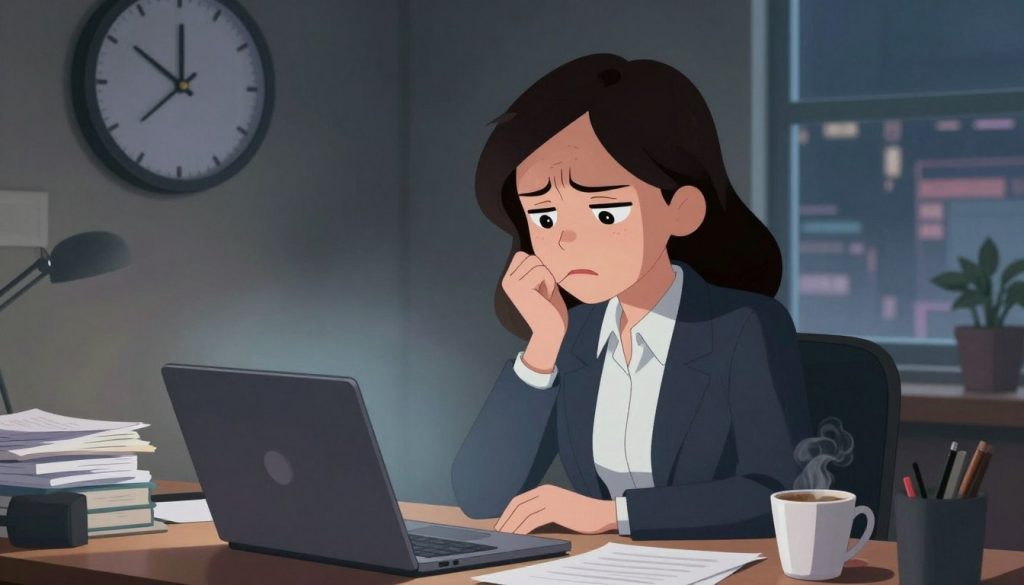
Stress is a natural reaction your body has when it faces pressure or demands. Knowing what stress is helps you see how it affects your daily life and health. Everyone reacts differently to stressful situations, based on their life and how they handle it.
The NHS says that millions of people in the UK deal with tension. When you feel stressed, your body changes physically and emotionally. These changes can be mild or serious, depending on how you handle it.
This article will show you everything about stress. You’ll learn how your body reacts to stress. You’ll find out what common stressors are in today’s world. And you’ll get tips on how to balance your life and feel better.
Understanding how your body works when stressed gives you control. You can spot your own stress patterns. And you can use methods that fit your life to manage stress better. This knowledge helps you deal with today’s world more confidently and strongly.
Defining the concept of stress
It’s key to know what happens in your body when you face pressure. Stress is your body’s natural way to react to demands or threats. When you face a tough situation, your nervous system kicks in to help you cope.
This happens whether the threat is real or just in your mind. It changes how you think, feel, and act.
The stress definition covers both physical changes and feeling overwhelmed. Hans Selye found that this is the “fight or flight” response. It’s a survival tool that gets your body ready to face danger or escape.
Your heart beats faster, muscles tighten, and your mind gets sharper. This is to handle the threat you see.
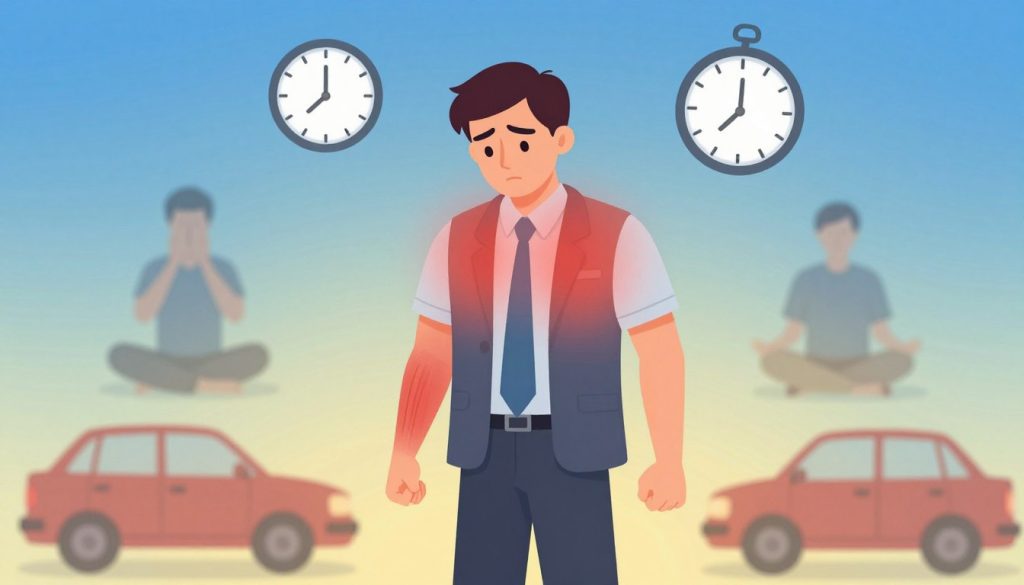
How Your Body Interprets Pressure
Not all pressure is bad. Short-term stress can make you do better in a presentation or exam. This is called eustress, and it helps you reach your goals.
But, when pressure lasts too long and feels too much, it becomes harmful. This is when stress starts to hurt you.
Your brain sees threats through the amygdala, which sends out hormones like cortisol and adrenaline. These hormones get your body ready for action. Knowing this helps you understand why you might feel anxious or restless.
- Short-term pressure improves focus and performance
- Prolonged strain exhausts your physical resources
- Your perception of threat determines your response
- Recovery time between stressful events matters greatly
Understanding how stress works in your body is the first step. It sets the stage for looking at its bigger effects on your health and daily life.
What is stress?
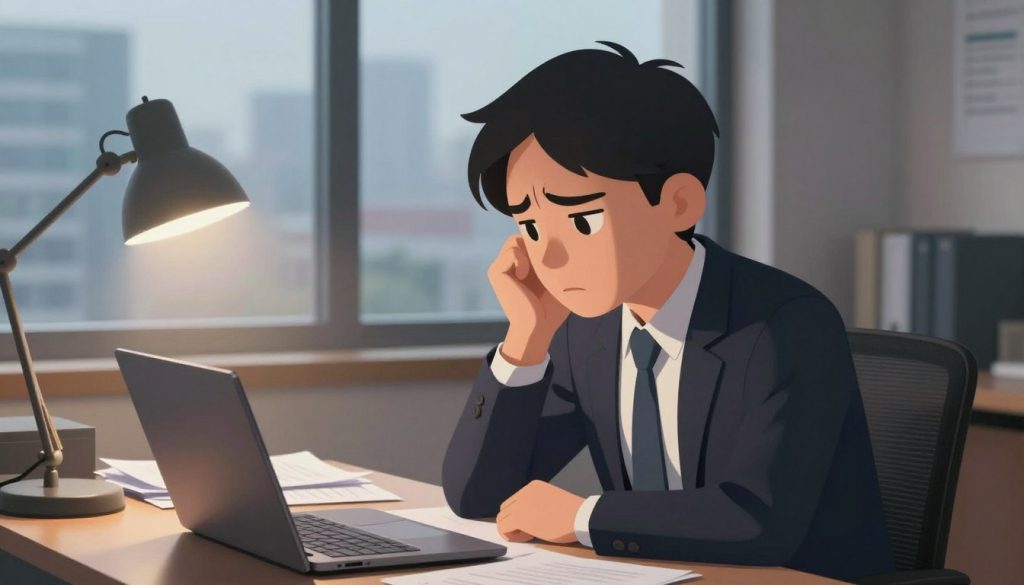
Stress is how your body and mind react to tough situations. It’s your body’s way of responding to pressure or challenges. The Health and Safety Executive (HSE) in the United Kingdom says stress is when too much pressure or demand happens at work or in daily life.
Your brain is like a smart alarm system. When you face something hard, your mind checks how big the threat is. This makes your body react with chemical changes. Knowing this helps us understand why people react differently to the same stress.
- The trigger – the event or situation causing pressure
- Your perception – how your mind interprets the threat
- The physical response – what happens in your body
- The emotional reaction – your feelings about the situation
Stress happens in many places. You might feel it at work, home, during exams, or in social settings. Knowing when you’re getting too stressed lets you act before it gets worse.
Not all stress is bad. A little stress can make you more focused and perform better. But, too much stress over time can harm your wellbeing.
Biological mechanisms of the stress response
When you face danger, your body springs into action. This complex process involves three key glands working together. They form the HPA axis. Your hypothalamus spots the danger first, sending signals to your pituitary gland. Then, your pituitary gland tells your adrenal glands to get ready.
This quick chain reaction prepares your body for action. It happens in just seconds.
Knowing how your stress response works helps you understand physical changes under pressure. These mechanisms are ancient and effective for real emergencies. But, modern life often triggers these reactions in situations that don’t need physical action.
Hormonal changes during pressure
Your adrenal glands release two key hormones when you’re under stress. Adrenaline works fast, making your heart beat faster and blood pressure rise. Cortisol comes next, giving you more energy and focus for longer.
These hormones make your body change in many ways:
- Heart rate increases to pump blood faster
- Blood pressure rises to support muscles
- Digestion slows as energy redirects elsewhere
- Blood sugar levels spike for quick energy
- Breathing becomes faster and shallower
This stress response system was perfect for our ancestors facing real dangers. But today, work deadlines and money worries trigger the same response. Your body can’t tell the difference between real danger and modern pressures.
Repeatedly activating these hormones without physical release can harm your health. Knowing about your stress response is key for your wellbeing.
Common causes of stress in modern life
It’s important to know what causes stress today. Life is full of challenges that can make us feel tense and worried. The Mental Health Foundation found that money worries and work stress are big problems in the UK.
Knowing what stresses you helps you take charge. Everyone faces different stressors. What bothers one person might not affect another. So, it’s key to find out what stresses you personally.
- Environmental factors include work deadlines, financial difficulties, and housing concerns
- Social factors involve relationship problems, family conflicts, and social pressure
- Internal factors cover perfectionism, self-doubt, and unrealistic expectations
| Stress Source | Common Examples | Frequency in UK |
|---|---|---|
| Work-related | Deadlines, heavy workload, job insecurity | Very common |
| Financial | Debt, bills, low income | Very common |
| Relationship | Conflict, loneliness, family issues | Common |
| Health-related | Illness, medical appointments, recovery | Moderate |
| Major life changes | Moving house, starting school, retirement | Situational |
Begin by looking at your life. Make a list of things that make you feel stressed or anxious. Look for patterns in when these feelings happen. This simple step helps you find out what’s causing you the most stress.
Recognising physical stress symptoms
Your body sends out signals when it’s stressed. Spotting these signs early can stop serious health problems. Physical symptoms often show up before you notice your mental state is off.
Knowing these signs lets you take care of your health. Doctors in the UK say patients who catch these signs early get better faster. Paying attention to your body is key to staying healthy for a long time.
Identifying bodily signals
Stress shows up in different ways in your body. Spotting these signs early helps you act fast:
- Muscle tension, mainly in your neck, shoulders, and back
- Persistent headaches or migraines
- Constant fatigue and low energy levels
- Sleep disturbances or insomnia
- Digestive problems including stomach pain
- Rapid heartbeat or chest tightness
- Weakened immune system leading to frequent illness
Physical stress symptoms vary from person to person. Some get headaches, others stomach issues. Notice any changes in your usual body patterns.
| Physical Signal | Typical Duration | Action to Take |
|---|---|---|
| Muscle tension | Hours to days | Gentle stretching and massage |
| Frequent headaches | Several days weekly | Rest in quiet environment |
| Persistent fatigue | Ongoing without relief | Increase sleep duration |
| Stomach discomfort | Intermittent episodes | Review eating habits |
Listening to your body helps you manage stress better. Keep a journal of when you feel these symptoms and what causes them. This builds self-awareness and helps you find good ways to cope.
Psychological impacts on mental wellbeing
Long-term psychological stress is tough on your mental health. It doesn’t just affect one part of your life. It impacts your mood, focus, and emotional balance. Knowing these effects helps you see when stress is affecting your wellbeing.
Workplace stress is a big reason for long-term sickness in the UK. It shows how serious stress can be if not managed. Your brain finds it hard to handle emotions when under constant pressure.
Common mental health issues from ongoing stress include:
- Anxiety and worry about the future
- Depression and feeling down for weeks
- Struggling to focus at work or home
- Memory and thinking problems
- Feeling emotionally drained and numb
Your mental strength is key, even when things seem tough. Building resilience means finding ways to protect your emotional health. Small daily habits can help you deal with tough feelings.
“Mental health is not just the absence of mental illness. It is a state of wellbeing in which every individual realises his or her own potential.”
Pay attention to your thoughts. If you’re racing, being overly critical, or finding it hard to decide, stress is getting to you. Spotting these signs early lets you act before things get worse. Remember, it’s okay to be patient with yourself when under pressure.
Distinguishing between acute and chronic stress effects
It’s key to know the types of stress to pick the right way to manage it. Stress comes in two main types: acute and chronic. Acute stress is short-lived and happens when you face immediate dangers. Your body goes into “fight or flight” mode, then returns to normal once the danger is gone.
Chronic stress, on the other hand, lasts for weeks, months, or even years. It keeps your nervous system on high alert, releasing stress hormones like cortisol. This constant stress can seriously harm your health and wellbeing.
Long term health implications
Stress hormones can damage your body’s systems over time. The heart and blood system are hit hard. High blood pressure and heart rate can cause heart disease and stroke.
Your immune system also weakens under chronic stress. This makes you more prone to getting sick. Studies by the American Psychological Association show that stress can weaken your immune system, making it harder to fight off illnesses.
| Stress Type | Duration | Physical Impact | Recovery Time |
|---|---|---|---|
| Acute Stress | Minutes to hours | Temporary elevation in heart rate and blood pressure | Minutes to hours |
| Chronic Stress | Weeks to years | Sustained cardiovascular strain and immune suppression | Months to years with proper intervention |
Long-term stress can also cause digestive issues, sleep problems, and affect your mental health. Your body can’t stay in this state forever without suffering. Knowing the difference helps you act early to avoid serious health issues.
Understanding stress in the workplace
Many people in the United Kingdom face a lot of pressure at work. Long hours, high targets, and unclear expectations cause daily stress. This stress impacts both mental and physical health.
Employers must follow the Health and Safety at Work Act to protect mental health. They should treat mental health risks as seriously as physical ones. Without support, stress can quickly rise.
- Heavy workloads without adequate resources
- Lack of control over decisions affecting your role
- Poor communication from management
- Unclear job expectations
- Limited opportunities for career development
Setting healthy boundaries is key to your wellbeing. Talk clearly with colleagues and managers about your needs. Ask for feedback on your performance often.
A supportive workplace culture is crucial. It encourages open talk, celebrates achievements, and offers flexibility. Teams that work well together create a calmer, more productive space.
Your role in the organisation is important. Identify what causes you the most stress. Talk to your manager about making changes. Many employers have programmes for confidential support.
Building good relationships at work helps reduce stress. Spend time with trusted colleagues. Share tips on managing stress. A supportive network makes tough days easier.
Lifestyle adjustments for better balance
Making small changes in your daily life can greatly improve your wellbeing. The NHS suggests focusing on three main areas: movement, nutrition, and sleep. These help your body deal with stress better.
Your choices every day can make you more resilient. You don’t need to make big changes. Just take small steps that fit into your life.
Prioritising self care
Self care is about taking steps to protect your health and happiness. It’s not just about relaxing. It’s about creating habits that support your strength.
- Exercise regularly: Aim for 150 minutes of moderate activity each week, such as walking or swimming
- Eat balanced meals: Include fruits, vegetables, whole grains, and proteins in your diet
- Sleep consistently: Go to bed and wake up at the same time daily
- Take breaks: Step away from your desk for short pauses throughout the day
- Limit caffeine and alcohol: These substances can worsen stress symptoms
- Connect with others: Spend time with friends and family who support you
Consistency matters more than perfection. You don’t have to change your life all at once. Start with one or two changes and add more as you go. Your body prefers steady, long-term efforts over sudden ones.
Professional approaches to stress management
Getting help from a trained professional can really help with stress. Stress management through proven therapies gives you tools to face life’s challenges. These methods teach your mind and body to handle pressure and worry better.
Cognitive Behavioural Therapy (CBT) is a common treatment in the NHS. It helps you identify and change negative thought patterns that cause stress. You learn to replace these thoughts with more positive ones. This builds skills you can use every day.
Mindfulness-based interventions are also effective. They teach you to stay in the present without judgment. Regular practice lowers anxiety and strengthens your emotions over time.
Professional stress management options include:
- Counselling sessions with qualified therapists
- Mindfulness-based Cognitive Therapy (MBCT)
- Acceptance and Commitment Therapy (ACT)
- Stress management coaching
- Workplace wellness programmes
Working with a professional offers tailored strategies for your needs. They know how stress impacts your body and mind. They guide you through effective techniques step by step. This partnership helps you make lasting changes when self-help alone isn’t enough.
Seeking support for persistent tension
Knowing when to ask for help is key to handling stress well. If tension is messing with your daily life, work, or relationships, it’s time to see a doctor. This shows you care about your health.
Many people wait too long to get help. The sooner you tackle stress, the quicker you’ll get better. A doctor or mental health expert can help figure out what you need.
When to consult a specialist
There are signs that mean you should see a healthcare provider. Watch out for these:
- Difficulty sleeping that lasts more than two weeks
- Inability to concentrate at work or school
- Withdrawing from friends and family
- Changes in eating habits or weight
- Persistent feelings of hopelessness or anxiety
- Physical symptoms that don’t improve with rest
When you see your GP, bring a list of your symptoms and when they started. Tell them how stress is affecting your life. The NHS has many talking therapies and treatments through the Improving Access to Psychological Therapies (IAPT) service. Your doctor can send you there.
Getting help is not weak. It’s brave. Professional support gives you the tools to handle tension and improve your life.
Conclusion
Learning to handle pressure is a skill you can improve over time. It’s about knowing how stress impacts you. Building new habits takes patience.
Having a support system is crucial on this journey. Understanding the biological and psychological aspects helps you control your wellbeing. This way, you can lessen the effects of daily stress on your body and mind.
Making small lifestyle changes can lead to big improvements. Changing your work habits and focusing on rest and self-care boost your resilience. Getting professional help is also key, offering guidance and support when needed.
Remember, these steps are long-term investments in your health, not quick fixes. They help you manage stress effectively.
Your mental health is important, and taking action now can lead to a more balanced future. By consistently working on stress management, you’ll see lasting benefits for your body and mind. Start by understanding yourself and taking small steps towards a resilient life.
Make your health a priority today, and you’ll enjoy the benefits for years to come.

