

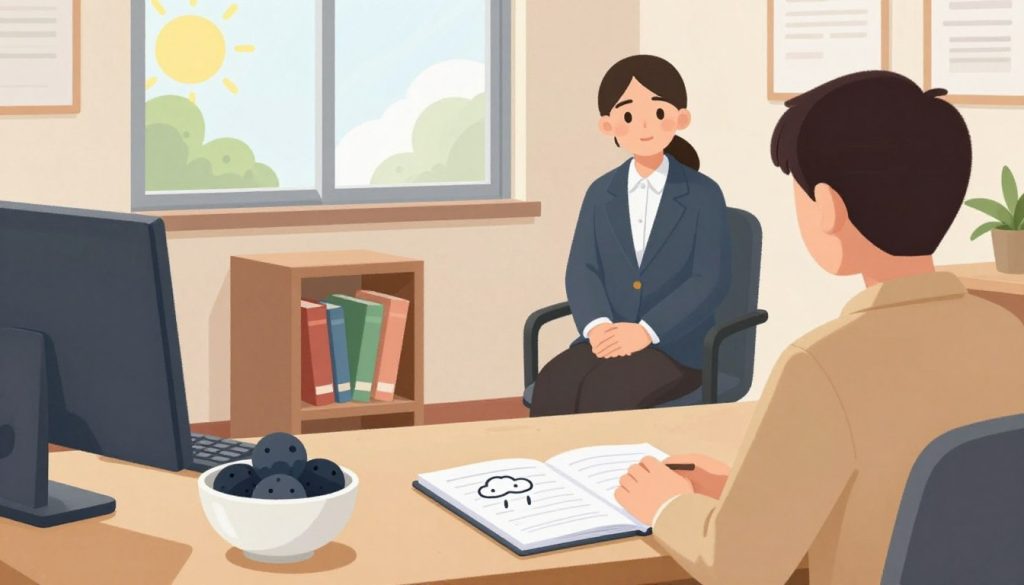
Mental health is a big issue in the United Kingdom, affecting millions. Depression is one of the most common problems people face. Knowing about depression can help you spot when to get help for yourself or someone else.
The NHS says about 1 in 6 adults in England have a common mental health issue. This shows how common these problems are in our communities. Many people don’t know that there are treatments and support services available.
This article is your guide to understanding depression and the help available in the United Kingdom. We’ll look at the signs of depression. We’ll also explore different treatment options to improve your wellbeing. Whether you’re looking for answers for yourself or want to help others, this resource has the information you need.
Getting help early can make a big difference in recovery. Mental health experts, the NHS, and private therapy offer ways to feel better. Learning about depression is a big step towards your own health and wellbeing.
Defining the mental health condition
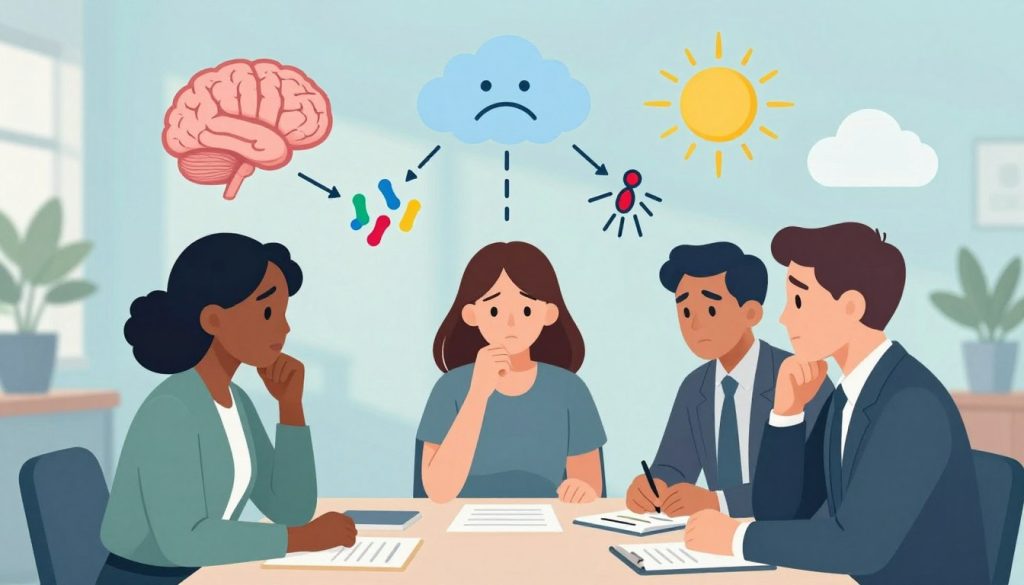
Depression is a serious mental health issue that affects many in the UK. It’s not just feeling sad or having a bad day. It involves complex brain, body, and environment interactions. To understand depression, we must look at several key factors that affect a person’s mood and health.
Research by the Royal College of Psychiatrists shows depression comes from different elements. These elements don’t work alone. They interact in complex ways, shaping how depression affects each person.
Biological factors
The brain uses chemical messengers to control mood and emotions. When these chemicals get out of balance, depression can occur. The main affected chemicals are serotonin, dopamine, and noradrenaline.
- Serotonin imbalances affect mood regulation and emotional responses
- Dopamine deficiency impacts motivation and pleasure
- Noradrenaline levels influence energy and attention
- Genetics play a role in predisposing individuals to depression
- Hormonal changes can trigger depressive episodes
Psychological factors
Psychological elements also play a big role in depression. Traumatic experiences, chronic stress, and negative thoughts all impact mental health. Events like grief, relationship issues, or job loss can lead to depression.
Childhood experiences and learned coping mechanisms shape how we face challenges. Low self-esteem, perfectionism, and negative thought patterns create an environment where depression can thrive. These psychological factors, combined with biological predispositions, paint the full picture of depression’s development.
What is depression?
Depression is more than just feeling sad or having a bad day. It’s a serious condition that changes how you think, feel, and act every day. Unlike normal sadness, depression lasts for weeks or months. It makes it hard to work, study, keep relationships, and enjoy activities.

Depression is a mental health disorder. It causes persistent low mood, loss of interest in activities, and changes in sleep, appetite, and energy. The National Institute for Health and Care Excellence (NICE) helps tell the difference between normal sadness and depression. When it’s depression, getting professional help is crucial.
Depression affects millions in the United Kingdom. It doesn’t care about age, gender, or background. Anyone can get depression, no matter their situation or strengths. Knowing the difference between normal sadness and depression is key to getting help.
Key differences between sadness and depression
- Sadness is a response to specific events or losses
- Depression persists without clear external cause
- Sadness typically improves over time naturally
- Depression requires treatment and intervention
- Sadness does not significantly impair daily functioning
- Depression disrupts work, relationships, and self-care
Depression is not a sign of weakness. It’s a real medical condition that needs proper diagnosis and treatment. Spotting depression early helps people get the right support from healthcare experts. These experts can offer treatments that fit each person’s needs.
Recognising the common symptoms of depression
Spotting the early signs of depression is crucial for timely help. Depression’s symptoms vary, affecting both body and mind. Some notice changes quickly, while others feel a gradual shift.
Knowing what to look for helps you seek medical help early. This can prevent things from getting worse.
Physical signs
Depression often starts with physical symptoms. You might sleep too much or too little. Your appetite could change, leading to weight gain or loss.
Tiredness and low energy are common, even with enough rest.
- Persistent headaches or body aches
- Feeling physically heavy or sluggish
- Changes in appetite and eating habits
- Sleep disturbances or insomnia
- Reduced interest in personal care or appearance
Emotional signs
Emotional symptoms of depression are just as important to spot. You might feel deep sadness or numbness. Irritability and frustration can overwhelm you.
A sense of hopelessness or worthlessness often develops. Difficulty concentrating on tasks is common.
- Persistent sadness or emptiness
- Loss of interest in hobbies and activities
- Feelings of worthlessness or guilt
- Difficulty making decisions
- Thoughts of self-harm or suicide
The NHS advises talking to your GP if you notice these signs. Early action can greatly improve your recovery.
Exploring the various types of depression
Depression isn’t just one thing that affects everyone the same. There are many types, each with its own signs and causes. Knowing about these helps you understand your own feelings and find the right help. Doctors sort depression into types based on symptoms, how long it lasts, and what causes it.
It’s important to know which type of depression you might have. This helps create a treatment plan that works best for you. Each type has its own challenges and needs a special approach to care.
Seasonal affective disorder (SAD) happens when it’s darker for longer. It messes with sleep and mood. People with SAD might feel very tired, sleep a lot, and want to eat more carbs.
Postnatal depression hits some parents after having a baby. It’s more than just feeling a bit down. It’s ongoing sadness, worry, and trouble bonding with the baby. Hormones, lack of sleep, and big life changes play a part.
Other types of depression include:
- Persistent depressive disorder (lasting two years or longer)
- Bipolar depression (alternating with periods of high mood)
- Atypical depression (with reversed sleep and appetite patterns)
- Situational depression (triggered by specific life events)
“Different presentations of depression require different treatment approaches,”
the Royal College of Psychiatrists says. Knowing your specific type of depression means you get the right support. It’s tailored to your needs.
Identifying the primary causes of depression
Understanding depression means looking at many factors that affect mental health. Depression is not caused by one thing alone. It comes from a mix of life events, brain chemistry, and family history. Studies show that knowing these causes helps in creating better treatment plans.
Depression happens when several things come together. Some people get it from recent life events, while others have a family history of it. Many face both, making their situation harder. Knowing your risk factors is a key step to seeking help.
Environmental triggers
Life events can trigger depression in those who might not have it. Stressful situations build up emotional strain over time. Common triggers include:
- Loss of a loved one or bereavement
- Job loss or workplace stress
- Relationship breakdowns or divorce
- Financial difficulties and money worries
- Serious illness or chronic pain
- Major life changes or moving house
- Social isolation or loneliness
These events put emotional pressure that can lead to depression. The more stressful events, the higher the risk. Some people bounce back quickly, while others take longer.
Genetic predisposition
Family history is a big factor in depression risk. If your parents or relatives had depression, you’re more likely to get it. This doesn’t mean you’ll definitely get depression, but you’re more at risk.
| Family History | Risk Level | Description |
|---|---|---|
| No family history | Lower risk | General population baseline risk |
| One parent affected | Moderate risk | Around 15-20% increased risk |
| Both parents affected | Higher risk | Around 40-50% increased risk |
| Multiple relatives affected | Highest risk | Significant vulnerability to depression |
Genes affect how your brain handles mood chemicals like serotonin and dopamine. These chemicals control your mood. People with a genetic predisposition have brains that process these chemicals differently, making depression more likely when stressed.
The causes of depression blend nature and nurture together. Your genes set the stage, but life events often trigger it. Understanding both sides helps you see your risk and protect your mental health before problems start.
The clinical approach to a depression diagnosis
Getting a depression diagnosis starts with a visit to your General Practitioner (GP). Your GP is often the first person you talk to about your mental health. They listen to your symptoms and ask detailed questions about how you’ve been feeling.
The process for diagnosing clinical depression is structured. Your GP uses standardised tools to measure your symptoms’ severity. This ensures you get the right care for your situation.
Assessment tools and questionnaires
Healthcare professionals use proven questionnaires to evaluate your condition. The most common tool is the Patient Health Questionnaire-9 (PHQ-9). This nine-question form asks about your mood, sleep, appetite, and energy levels over the past two weeks.
Your answers help your GP understand your symptoms’ severity. The PHQ-9 score ranges from 0 to 27. Different ranges show mild, moderate, or severe depression.
| PHQ-9 Score | Severity Level | Recommended Action |
|---|---|---|
| 0-4 | Minimal symptoms | Monitor and lifestyle support |
| 5-9 | Mild depression | Self-help resources and review |
| 10-14 | Moderate depression | Talking therapy or medication |
| 15-19 | Moderately severe depression | Therapy and possible medication |
| 20-27 | Severe depression | Urgent specialist referral |
What to expect during your appointment
Your GP will look at your medical history and any physical health conditions. They’ll also ask about your family’s mental health background. This helps them understand your situation fully.
The consultation will cover several topics:
- How long you’ve felt depressed
- Changes in sleep and appetite
- Energy levels and motivation
- Difficulty concentrating
- Feelings of hopelessness
- Any thoughts of self-harm
Your GP may also check your physical health. Sometimes, medical conditions or medicines can cause symptoms similar to depression. Blood tests might be recommended to rule out other health issues.
After gathering this information, your GP will discuss the results with you. You’ll decide on the best treatment together. This might include talking therapies, medicines, lifestyle changes, or a combination of these. The goal is to create a treatment plan that meets your needs and helps you feel better.
Understanding major depressive disorder
Major depressive disorder is a common mental health issue in the UK. It affects millions of people. Getting the right diagnosis is key to getting the right treatment and support.
Doctors use specific criteria to diagnose this condition. This ensures people get accurate assessments and care plans that fit their needs.
The diagnostic process follows established guidelines. This helps doctors tell major depressive disorder apart from other mood-related conditions. It also makes sure diagnoses are consistent across different healthcare settings. This helps people get the specialist help they need.
Diagnostic criteria
Mental health professionals use the ICD-11 system to diagnose major depressive disorder. They look for persistent low mood, loss of interest in activities, and other symptoms for at least two weeks.
Key diagnostic features include:
- Persistent depressed mood most of the day, nearly every day
- Marked loss of interest or pleasure in activities
- Significant changes in appetite or weight
- Sleep disturbances or excessive sleeping
- Feelings of worthlessness or excessive guilt
- Reduced ability to concentrate or make decisions
- Recurrent thoughts of death or self-harm
Severity levels
Clinicians classify major depressive disorder into three severity categories. These levels show how severe the symptoms are and guide treatment.
| Severity Level | Symptom Profile | Impact on Daily Life |
|---|---|---|
| Mild | Few symptoms beyond minimum required for diagnosis | Minor interference with work, school, or social activities |
| Moderate | Multiple symptoms present with varying intensity | Significant difficulties managing daily responsibilities |
| Severe | Most or all symptoms present with intense severity | Major disruption to personal, social, and occupational functioning |
The length and intensity of symptoms decide if someone has major depressive disorder. A formal diagnosis leads to evidence-based treatments. These include talking therapies and medication, available through the NHS.
Current methods for treating depression
Doctors and mental health experts recommend several ways to treat depression. The National Institute for Health and Care Excellence (NICE) has identified effective strategies. Knowing these options helps you work with your healthcare team and make informed decisions.
Talking therapies are a key treatment for many. Cognitive Behavioural Therapy (CBT) is highly recommended by NICE. It helps you change negative thought patterns and manage your mood. CBT is structured, making it accessible and effective for most.
Antidepressant medications balance brain chemicals that affect mood. Your doctor might prescribe these if talking therapies alone aren’t enough. Common types include SSRIs and SNRIs. Taking these medicines under a doctor’s watch ensures safety and proper monitoring.
Using both talking therapy and medication together often works best. This approach tackles depression from different angles. It can lead to quicker symptom improvement.
- Regular exercise and physical activity
- Structured daily routines
- Social support from friends and family
- Stress management techniques
Your GP can help choose the right treatment for you. They can also refer you to the right services. Keeping open communication with healthcare professionals is key to your recovery.
Seeking professional support in the United Kingdom
Getting help for depression in the UK is easier than many think. You have many ways to get treatment and support. Knowing your options helps you find the right care for you. Whether you prefer NHS services or private therapy, experts can help you recover.
Talking to your GP is the first step. They can discuss your symptoms and refer you to the right services. Your GP is a key to both free NHS treatments and private specialist advice.
NHS services
The Improving Access to Psychological Therapies (IAPT) programme offers free treatments in England. It provides talking therapies quickly. IAPT counsellors and therapists focus on depression and anxiety.
You can get IAPT services through:
- Direct referral from your GP
- Self-referral to your local IAPT service
- Telephone or online assessments
NHS mental health teams also offer support. These teams include psychiatrists, psychiatric nurses, and support workers. They work together on your care plan.
Private therapy
Private therapy has its benefits. You might get appointments faster and choose specialists. Private therapists in the UK include counsellors, psychotherapists, and clinical psychologists.
Finding accredited professionals is key. The British Association for Counselling and Psychotherapy (BACP) has directories of registered practitioners. The UK Council for Psychotherapy (UKCP) and British Psychological Society (BPS) also list qualified professionals.
| Service Type | Cost | Access Speed | Specialisations |
|---|---|---|---|
| NHS IAPT | Free | Variable wait times | Depression, anxiety, OCD |
| NHS Mental Health Teams | Free | GP referral required | Severe depression, complex cases |
| Private Therapy | Paid by individual | Quick access | Wide range of specialisms |
Choosing professional support is a positive step towards managing depression.
Lifestyle adjustments for mental wellbeing
Making positive changes to your daily routine is key for mental health. While professional treatment is crucial, lifestyle changes help too. They work with therapy and medication to build emotional strength. The Mental Health Foundation says small, lasting changes can greatly improve your life and mood.
Building healthy habits is a strong base for mental wellbeing. These changes are best when added to clinical care, not replacing it. Your daily choices affect how you feel and handle life’s ups and downs.
Key lifestyle changes for better mental health
- Regular physical activity boosts mood-regulating chemicals in your brain
- Consistent sleep schedules help stabilise emotional responses
- Balanced nutrition supports brain function and emotional stability
- Social connections reduce feelings of isolation
- Mindfulness practices encourage self-awareness and calm
Impact of these changes on your wellbeing
| Lifestyle Factor | Benefits for Mental Health | Recommended Duration |
|---|---|---|
| Physical exercise | Increases endorphins, reduces stress and anxiety | 150 minutes weekly |
| Sleep hygiene | Improves emotional regulation and cognitive function | 7–9 hours nightly |
| Nutritious diet | Stabilises blood sugar and supports neurotransmitters | Daily balanced meals |
| Social engagement | Strengthens support networks and combats loneliness | Regular contact with others |
Physical activity is a top natural mood booster. Exercise releases endorphins, which lift your mood. Even a 20-minute walk can improve how you feel.
Sleep quality greatly affects your emotional wellbeing. Bad sleep makes depression worse, while good sleep helps regulate emotions. Try to have a regular bedtime and wake time, even on weekends.
Nutrition plays a big role in your mental state. Eating whole foods, cutting down on sugar, and staying hydrated help keep your mood stable and energy levels up.
Combining these lifestyle changes with professional help offers the best chance for recovery and long-term mental wellness.
Conclusion
Understanding depression is key to recovery. It affects millions in the UK each year. Knowing symptoms, causes, and treatments empowers people to improve their wellbeing.
We’ve looked at how depression affects us. We’ve seen physical and emotional signs. We’ve also discussed different types and what causes them.
We’ve talked about how doctors diagnose it. And the treatments available through the NHS and private services.
Making lifestyle changes helps your mental health. Exercise, sleep, healthy eating, and socialising are crucial. Seeking help from a GP or mental health professional shows strength, not weakness.
If you’re struggling with depression, see your GP today. Taking action can lead to feeling better. Your mental wellbeing is important, and help is available in the UK’s healthcare system.

