

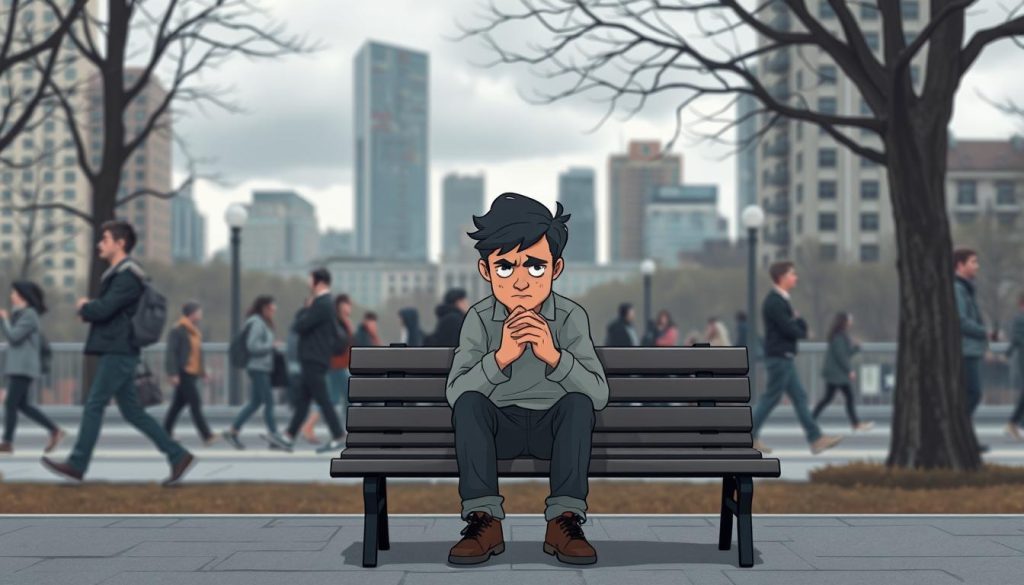
Living with anxiety can be a complex and deeply personal experience. For those who suffer from it, anxiety is not just a feeling but a constant companion that affects every aspect of their lives.
Imagine being trapped in a never-ending cycle of worry and fear, where everyday tasks become daunting challenges. This is the reality for many individuals living with anxiety.
The impact of anxiety on daily life can be significant, affecting relationships, work, and overall well-being. By understanding anxiety experiences, we can better support those who are struggling.
Key Takeaways
- Anxiety is a complex and personal experience that affects many aspects of life.
- Living with anxiety means facing daily challenges and fears.
- Understanding anxiety experiences is crucial for supporting those affected.
- Anxiety can impact relationships, work, and overall well-being.
- Support and understanding are vital for those living with anxiety.
The Reality of Anxiety Beyond Clinical Definitions
There’s a significant gap between how anxiety is clinically defined and the actual experiences of those who live with it. While medical professionals rely on standardised criteria to diagnose anxiety disorders, individuals experiencing anxiety often struggle to convey the depth of their emotions and sensations.

The Gap Between Medical Descriptions and Lived Experience
Clinical definitions of anxiety, though helpful for diagnosis, can be too narrow to capture the full spectrum of anxiety symptoms. People with anxiety often report feelings and physical sensations that aren’t fully acknowledged by medical descriptions, highlighting the need for a more nuanced understanding of anxiety.
Why Personal Perspectives Matter
Sharing personal stories and anxiety perspectives can greatly enhance our comprehension of mental health challenges. By listening to individuals who live with anxiety, we can gain a richer understanding of what it means to experience anxiety in daily life, fostering empathy and encouraging more supportive communities.
Understanding anxiety requires a multifaceted approach that includes both clinical knowledge and personal insights. By bridging the gap between medical definitions and lived experiences, we can work towards better support systems for those affected by anxiety.
The Physical Manifestations of Anxiety
When anxiety strikes, it’s not just the mind that’s affected; the body reacts in a multitude of ways. Anxiety triggers a cascade of physiological responses, preparing the body to either confront or flee from the perceived threat. This response is often referred to as the fight-or-flight response.
The Body in Fight-or-Flight Mode
The fight-or-flight response is a primal reaction that readies the body to deal with danger. When this response is triggered, several physiological changes occur: the heart rate accelerates, blood pressure increases, and breathing becomes more rapid. These changes are designed to supply the muscles with the oxygen and nutrients needed to respond to the threat.
Key physiological responses include:
- Increased heart rate and blood pressure
- Rapid breathing
- Tension in the muscles
- Enhanced senses
Common Physical Symptoms Described by Sufferers
People experiencing anxiety often report a range of physical symptoms. These can include trembling or shaking, sweating, and nausea. Some individuals may also experience palpitations or a racing heart, which can be particularly distressing.
The physical symptoms of anxiety can vary widely among individuals. Common symptoms include:
- Trembling or shaking
- Sweating
- Nausea or abdominal discomfort
- Rapid heartbeat or palpitations
When Anxiety Feels Like a Medical Emergency
Sometimes, the physical symptoms of anxiety can be so severe that they feel like a medical emergency. For instance, a panic attack can mimic the symptoms of a heart attack, causing individuals to seek urgent medical care. It’s crucial to understand that while these experiences are frightening, they are typically not life-threatening.
If you’re experiencing symptoms that feel like a medical emergency, it’s always best to seek medical attention to rule out other causes. Understanding that anxiety can cause these symptoms can help in coping with anxiety more effectively.
What Anxiety Really Feels Like: The Emotional Landscape
The emotional aspects of anxiety are diverse, ranging from feelings of dread to mental spirals. For many, anxiety is not just a clinical condition but a lived experience that colours their daily life. Gaining anxiety insights can help in understanding the emotional turmoil that individuals with anxiety face.
The Overwhelming Sense of Dread
One of the most common emotional experiences of anxiety is an overwhelming sense of dread. This feeling can be pervasive, making it difficult for individuals to enjoy everyday activities or even leave their homes. It’s a constant fear that something terrible is about to happen, even when there’s no apparent reason for it.
The weight of this dread can be crushing, affecting not just the individual but also their loved ones. Understanding this aspect is crucial for providing support to those living with anxiety.
Racing Thoughts and Mental Spirals
Another significant emotional challenge is the presence of racing thoughts and mental spirals. These can create a vicious cycle that’s hard to break, as the mind races from one worry to the next. This can lead to feelings of being trapped in a never-ending cycle of fear and anxiety.
The Diversity of Anxiety Experiences
Living with anxiety is not a uniform experience; it varies greatly from person to person. While some may experience intense panic attacks, others might feel a constant, low-level anxiety. Recognising this diversity is key to understanding anxiety symptoms and providing appropriate support.
By acknowledging the diverse emotional landscapes of anxiety, we can foster a more compassionate and supportive environment for those affected.
Living with Anxiety: Day-to-Day Impacts
The impact of anxiety on daily life is multifaceted, influencing social interactions, work, and personal relationships. Living with anxiety means navigating a complex web of emotions, thoughts, and physical sensations that can be challenging to manage.
Social Interactions and Relationships
Anxiety can significantly affect one’s ability to engage in social interactions. Simple tasks like meeting friends or family gatherings can become sources of stress, leading to avoidance behaviours. This can strain relationships and make individuals feel isolated, even when surrounded by others.
Work and Productivity Challenges
In the workplace, anxiety can manifest as difficulty in concentrating, making decisions, or completing tasks. This not only affects productivity but can also impact career advancement. Employers and colleagues may not always understand the challenges faced by individuals with anxiety, potentially leading to stigma or misconceptions.
The Invisible Burden Others Don’t See
One of the most challenging aspects of living with anxiety is the invisible nature of the condition. While some mental health conditions have visible symptoms, anxiety often does not. This can make it difficult for others to understand the depth of an individual’s struggles, leading to feelings of loneliness and frustration.
Coping with anxiety requires a multifaceted approach, including personal strategies, support from loved ones, and professional help when needed. By understanding and acknowledging the day-to-day impacts of anxiety, we can work towards creating a more supportive environment for those living with mental health challenges.
Coping Strategies from Those Who Know
Coping with anxiety requires a multi-faceted approach, involving personal techniques, professional help, and support from others who understand the condition. By exploring various strategies, individuals can find what works best for them.
Personal Management Techniques That Help
Many people find solace in mindfulness and meditation, practices that help calm the mind and reduce anxiety symptoms. Others benefit from physical activity, such as walking or yoga, which can help alleviate stress.
- Mindfulness exercises to ground yourself in the present moment
- Journaling to process thoughts and emotions
- Breathing techniques to calm the nervous system
These personal management techniques can be tailored to fit individual lifestyles and preferences, making them more effective.
Professional Support and Treatment Options
For some, professional support is crucial in managing anxiety. This can include therapy, such as cognitive-behavioral therapy (CBT), or medication prescribed by a healthcare professional.
- Cognitive-behavioral therapy (CBT) to address negative thought patterns
- Medication to help manage severe symptoms
- Support groups to connect with others who share similar experiences
Seeking professional help is a sign of strength, and it can provide individuals with the tools and support needed to manage their anxiety effectively.
Messages of Hope from Fellow Anxiety Sufferers
Hearing from others who have navigated similar challenges can be incredibly uplifting. Many individuals who have lived with anxiety share messages of hope and resilience, emphasizing that you are not alone in your struggles.
These stories of hope and recovery serve as a reminder that managing anxiety is a journey, and there is support available every step of the way.
Conclusion: Understanding and Compassion
Understanding what anxiety really feels like is crucial in fostering a supportive environment for those affected. By gaining anxiety insights, we can better comprehend the complexities of this condition and the challenges faced by individuals living with it.
Throughout this article, we have explored the multifaceted nature of anxiety, from its physical manifestations to its emotional and social impacts. Understanding anxiety symptoms is key to providing meaningful support and breaking down the stigma associated with mental health issues.
By promoting empathy and compassion, we can create a more inclusive and supportive community. It is through this collective understanding and support that we can help individuals navigate their anxiety and work towards a more fulfilling life.
FAQ
What does anxiety feel like?
Anxiety can feel like a persistent and overwhelming sense of worry or fear that interferes with daily life. It can manifest physically, emotionally, and mentally, making it a complex experience to describe.
How do people typically describe their anxiety experiences?
People often describe their anxiety as an intense feeling of dread, racing thoughts, and a sense of being on edge. Some may experience physical symptoms like a rapid heartbeat, sweating, or trembling.
Can anxiety be mistaken for a medical emergency?
Yes, anxiety can sometimes be mistaken for a medical emergency due to its intense physical symptoms, such as a rapid heartbeat or difficulty breathing. However, it’s essential to seek medical attention if you’re unsure about the cause of your symptoms.
How does anxiety affect daily life and relationships?
Anxiety can significantly impact daily life, making social interactions, work, and relationships challenging. It can lead to feelings of isolation and frustration, but with the right support, it’s possible to manage its effects.
What are some effective coping strategies for managing anxiety?
Effective coping strategies include personal management techniques like mindfulness, meditation, and deep breathing exercises. Seeking professional support and treatment options, such as cognitive-behavioural therapy (CBT), can also be beneficial.
Can people with anxiety find support and community?
Yes, people with anxiety can find support and community through online forums, support groups, and mental health organisations. Sharing experiences and connecting with others who understand can be incredibly helpful.
How can I support someone living with anxiety?
To support someone living with anxiety, it’s essential to be understanding, patient, and empathetic. Encourage them to seek professional help and offer to accompany them to appointments or support groups.

