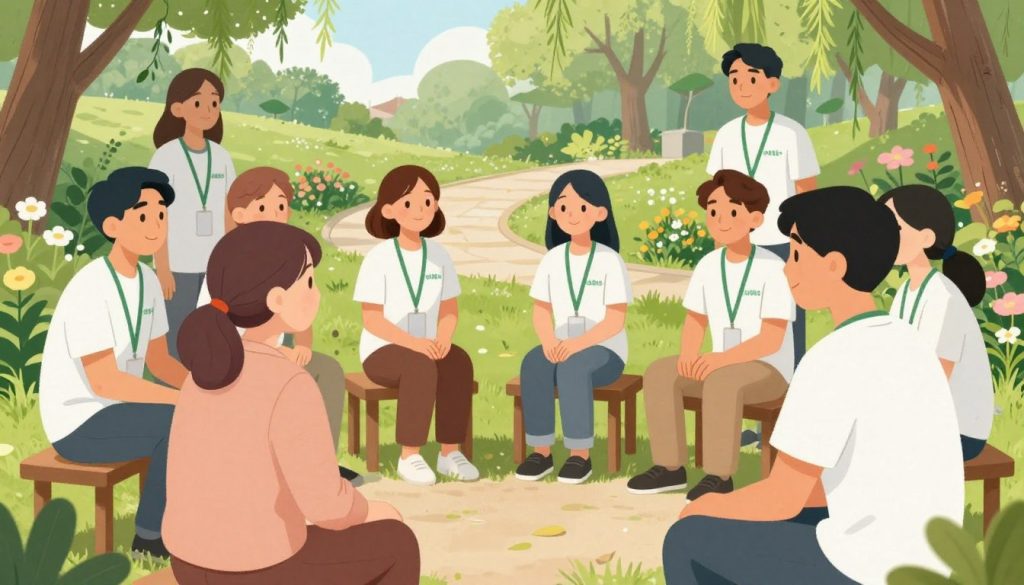
Giving back to the community through volunteering can be a transformative experience, especially for those who have faced mental health challenges. By engaging in activities that support others, individuals can foster a sense of purpose and belonging, which are crucial elements in the journey towards recovery.
Research has shown that volunteering can have a positive impact on mental health by reducing stress, improving mood, and enhancing overall well-being. As we explore the benefits of volunteering for recovery in this article, we will delve into how these activities can provide mental health support and contribute to a more resilient community.
How Volunteering Supports Your Recovery Journey
As individuals navigate their recovery journey, volunteering emerges as a vital component, promoting healing and growth. Volunteering not only benefits the community but also has a profound impact on the individual’s emotional well-being.
The Connection Between Giving Back and Healing
Giving back to the community through volunteering creates a sense of fulfillment and satisfaction, which is crucial during the recovery process. When individuals engage in acts of kindness and charity, it stimulates the release of endorphins, often referred to as ‘feel-good’ hormones, thereby enhancing their emotional state.
The act of volunteering helps individuals develop a positive outlook on life, shifting their focus away from personal struggles. This positive impact on mental health is a significant aspect of the recovery journey.

Building a Sense of Purpose Through Service
Volunteering provides an opportunity for individuals to discover new passions and interests, thereby building a sense of purpose. Engaging in meaningful activities helps individuals feel more connected to their community, fostering a sense of belonging.
By participating in volunteer work, individuals can explore various roles and responsibilities, helping them identify what truly matters to them. This process of discovery is invaluable during recovery, as it aids in rebuilding confidence and self-esteem.
Shifting Focus from Self to Others
One of the significant benefits of volunteering is its ability to shift an individual’s focus from their personal struggles to the needs of others. This shift in perspective can be incredibly therapeutic, allowing individuals to gain a broader understanding of their challenges.
By engaging with others through volunteering, individuals can develop empathy and compassion, essential qualities for emotional healing. This empathetic connection with others fosters a supportive community, crucial for sustained recovery.
Through volunteering, individuals not only contribute to the well-being of others but also enhance their own emotional well-being, creating a positive feedback loop that supports their recovery journey.
The Psychological Benefits of Volunteering & Recovery
Engaging in volunteer work can have a profoundly positive impact on one’s mental wellbeing during the recovery process. By participating in volunteering activities, individuals can experience a range of psychological benefits that support their overall mental health.

Boosting Self-Esteem and Confidence
Volunteering can significantly enhance an individual’s self-esteem and confidence. By achieving goals and making a positive impact through their volunteer work, individuals can develop a more positive self-image, which is crucial for mental health recovery.
Empowerment through action is a key aspect of volunteering that contributes to improved self-esteem. As individuals take on new challenges and responsibilities, they build confidence in their abilities, fostering a sense of accomplishment and pride in their work.
Reducing Anxiety and Depression Symptoms
The act of volunteering has been shown to reduce symptoms of anxiety and depression. By engaging in meaningful activities and forming social connections, individuals can experience a decrease in their mental health symptoms, leading to improved overall wellbeing.
Volunteering provides a healthy distraction from negative thoughts and emotions, allowing individuals to focus on positive outcomes and develop more constructive thought patterns. This shift in focus can be particularly beneficial for those experiencing anxiety and depression.
Creating Positive Mental Patterns and Thought Processes
Through volunteering, individuals can develop more positive mental patterns and thought processes. By engaging in activities that promote a sense of purpose and fulfillment, individuals can cultivate a more optimistic outlook on life, which is essential for mental health recovery.
The development of positive mental patterns is facilitated by the social engagement and sense of community that volunteering provides. As individuals form connections with others and experience the positive impact of their work, they are more likely to adopt a positive mindset and develop resilience in the face of challenges.
Strengthening Your Support Network Through Community Involvement
Community involvement through volunteering offers a unique opportunity to strengthen your support network. By engaging in activities that resonate with your values and interests, you can connect with like-minded individuals who understand and support your recovery journey.
Meeting Like-Minded Individuals
Volunteering allows you to meet people from diverse backgrounds who share similar interests and values. This common ground can foster meaningful connections and friendships that extend beyond your immediate recovery circle. For instance, participating in environmental conservation projects can introduce you to individuals who are passionate about sustainability, creating a bond over shared activities.
These connections are vital for mental wellness, as they provide a sense of belonging and reduce feelings of isolation. By engaging with others who are also committed to making a positive impact, you can build a supportive community that encourages and motivates you throughout your recovery.
Developing Meaningful Relationships Beyond Recovery Groups
While recovery groups are essential, diversifying your social interactions can enhance your overall well-being. Volunteering opens doors to new relationships that are not solely focused on recovery, allowing you to explore different aspects of your personality and interests.
By developing these relationships, you can gain new perspectives and insights, further enriching your recovery experience. Moreover, having a diverse support network can provide a more robust foundation for long-term mental health.
Building Trust and Social Skills
Engaging in volunteer work requires collaboration and communication, helping you to build trust and enhance your social skills. As you work alongside others towards a common goal, you develop a sense of reliability and confidence in your interactions.
These skills are transferable to other areas of your life, improving your ability to form and maintain healthy relationships. By strengthening your social skills through volunteering, you can create a more supportive and understanding environment that fosters overall mental wellness.
In conclusion, community involvement through volunteering is a powerful way to strengthen your support network. By meeting like-minded individuals, developing meaningful relationships, and building trust and social skills, you can significantly enhance your recovery journey and overall well-being.
Developing Valuable Skills and Establishing Structure
Through volunteering, individuals can develop valuable skills and establish a structured routine, both of which are crucial for a successful recovery. Volunteering offers a wide range of opportunities that can help individuals grow both personally and professionally.
Learning New Abilities and Competencies
Volunteering provides a platform for individuals to learn new skills and competencies that can be beneficial in various aspects of life. Some of the skills that can be developed through volunteering include:
- Communication and interpersonal skills
- Teamwork and collaboration
- Problem-solving and adaptability
- Leadership and project management
These skills are not only valuable in personal and professional contexts but also enhance one’s ability to contribute to society meaningfully.
Establishing Healthy Routines and Schedules
Engaging in volunteer work helps individuals establish a structured routine, which is essential for maintaining a healthy work-life balance. By committing to regular volunteer sessions, individuals can:
- Create a sense of purpose and direction
- Develop a routine that includes productive activities
- Enhance their overall well-being through structured engagement
Establishing healthy routines can significantly impact one’s recovery journey by providing stability and reducing the likelihood of relapse.
Improving Time Management and Accountability
Volunteering requires individuals to manage their time effectively and be accountable for their commitments. By doing so, volunteers can improve their:
- Time management skills through prioritizing tasks and meeting deadlines
- Accountability by being responsible for specific roles and duties
These skills are transferable to other areas of life, contributing to personal and professional growth.
Types of Volunteer Opportunities That Support Mental Wellness
The world of volunteering is rich with options that can support recovery and mental well-being. Engaging in volunteer work can be a therapeutic experience, offering various opportunities to suit different interests and needs.
Charity Shops and Community Centres
Volunteering at charity shops and community centres can provide a sense of purpose and belonging. These environments often offer a supportive atmosphere where individuals can interact with others who share similar interests.
Benefits of volunteering in charity shops and community centres include:
- Developing social skills through interactions with customers and staff
- Gaining experience in a retail or community setting
- Being part of a team that contributes to the local community
Environmental and Conservation Projects
For those who have a passion for the outdoors, environmental and conservation projects can be a fulfilling way to contribute to society. These projects not only help protect the environment but also offer a chance to improve mental health through connection with nature.
Examples of environmental and conservation projects include:
- Tree planting initiatives
- Beach cleanups
- Wildlife conservation efforts
Peer Support and Mentoring Programmes
Peer support and mentoring programmes provide an opportunity to connect with others who may be going through similar experiences. These programmes can be particularly beneficial for individuals in recovery, offering a sense of camaraderie and understanding.
Benefits of peer support and mentoring include:
- Sharing experiences and advice with others
- Developing a sense of responsibility and purpose
- Building meaningful relationships
Animal Welfare Organisations and Sanctuaries
For animal lovers, volunteering at animal welfare organisations and sanctuaries can be a rewarding experience. Caring for animals can have a therapeutic effect, reducing stress and promoting a sense of calm.
Examples of tasks involved in volunteering at animal welfare organisations include:
- Assisting with animal care, such as feeding and grooming
- Helping with fundraising and event planning
- Providing companionship to animals
By engaging in these various types of volunteer opportunities, individuals can find activities that not only support their mental wellness but also contribute to the greater good. Whether it’s through charity work, environmental projects, peer support, or animal welfare, there’s a volunteering opportunity to suit everyone’s needs and interests.
Getting Started with Volunteering in the UK
The UK’s vibrant volunteering community provides a supportive environment for those seeking to enhance their emotional well-being through service. With numerous organizations and opportunities available, individuals can find roles that suit their needs and contribute to their recovery journey.
Finding the Right Opportunity for Your Recovery Stage
When searching for a volunteering opportunity, it’s essential to consider your current recovery stage and what type of role will be most beneficial. Some organizations specialize in supporting individuals with mental health conditions, offering a safe and understanding environment.
- Charity shops and community centers often have flexible roles.
- Environmental projects can provide a therapeutic outdoor setting.
- Peer support programs allow you to connect with others who have experienced similar challenges.
Starting Small and Building Commitment Gradually
It’s advisable to start with small commitments and gradually increase your involvement as you become more comfortable. This approach helps in managing your time and energy effectively.
Key tips for starting small:
- Begin with a one-off event or a short-term project.
- Schedule your volunteering activities around your existing routine.
- Communicate your availability and limits clearly with the organization.
UK Resources and Platforms for Volunteer Matching
Several UK-based resources and platforms can help you find the right volunteering opportunity. Some notable ones include:
- Do IT: A platform that connects volunteers with opportunities based on their skills and interests.
- VSO (Voluntary Service Overseas): Although primarily focused on international volunteering, VSO also offers opportunities within the UK.
- Anxious Minds: An organization that provides mental health support and volunteering opportunities.
By leveraging these resources and starting small, individuals can embark on a volunteering journey that supports their recovery and enhances their mental health.
Overcoming Common Barriers to Volunteering During Recovery
For those in recovery, volunteering can be highly rewarding, yet certain challenges must be overcome to make the most of it. Individuals in mental health recovery often face unique barriers when trying to engage in social activities like volunteering.
Managing Time, Energy, and Emotional Limitations
One of the primary concerns for individuals in recovery is managing their time, energy, and emotional well-being. Volunteering should complement their recovery journey, not hinder it. To achieve this balance, individuals can start by:
- Assessing their daily energy levels to determine the best time for volunteering
- Choosing volunteer roles that are flexible and can be adjusted according to their needs
- Setting realistic goals and gradually increasing their commitment
By taking these steps, individuals can ensure that volunteering enhances their recovery without causing undue stress.
Addressing Fears, Anxieties, and Self-Doubt
Fears, anxieties, and self-doubt are common barriers to volunteering during recovery. It’s essential to address these concerns by:
- Seeking support from mental health professionals or support groups
- Discussing their fears and anxieties with volunteer coordinators to find suitable roles
- Focusing on the positive aspects of volunteering and its benefits for their recovery
Building confidence through small, achievable steps can significantly reduce these barriers.
Communicating Your Needs to Volunteer Coordinators
Effective communication is key to a successful volunteering experience. Individuals in recovery should feel empowered to communicate their needs to volunteer coordinators. This can include:
- Discussing their mental health needs and any required accommodations
- Negotiating flexible volunteering schedules
- Seeking guidance on managing challenging situations
By being open about their needs, individuals can create a supportive environment that fosters their recovery and social engagement.
In conclusion, overcoming common barriers to volunteering during recovery requires a thoughtful and multi-faceted approach. By managing time and energy, addressing fears and anxieties, and communicating needs effectively, individuals can engage in volunteering that supports their mental health recovery and enhances their overall well-being.
Conclusion
As we’ve explored throughout this article, volunteering plays a vital role in supporting recovery by fostering a strong support network and promoting mental wellness. By giving back to the community, individuals can shift their focus away from their struggles and cultivate a sense of purpose.
Building a support network through volunteering can be a powerful catalyst for healing. By connecting with like-minded individuals, you can develop meaningful relationships and a deeper understanding of your own journey.
Volunteering also contributes significantly to mental wellness by reducing symptoms of anxiety and depression, and promoting positive mental patterns. As you consider your next steps, remember that every small act of kindness counts, and that volunteering can be a rewarding and life-affirming experience.
By taking the first step and getting involved in volunteering, you can embark on a journey towards a more fulfilling life, surrounded by a supportive community that understands your journey.