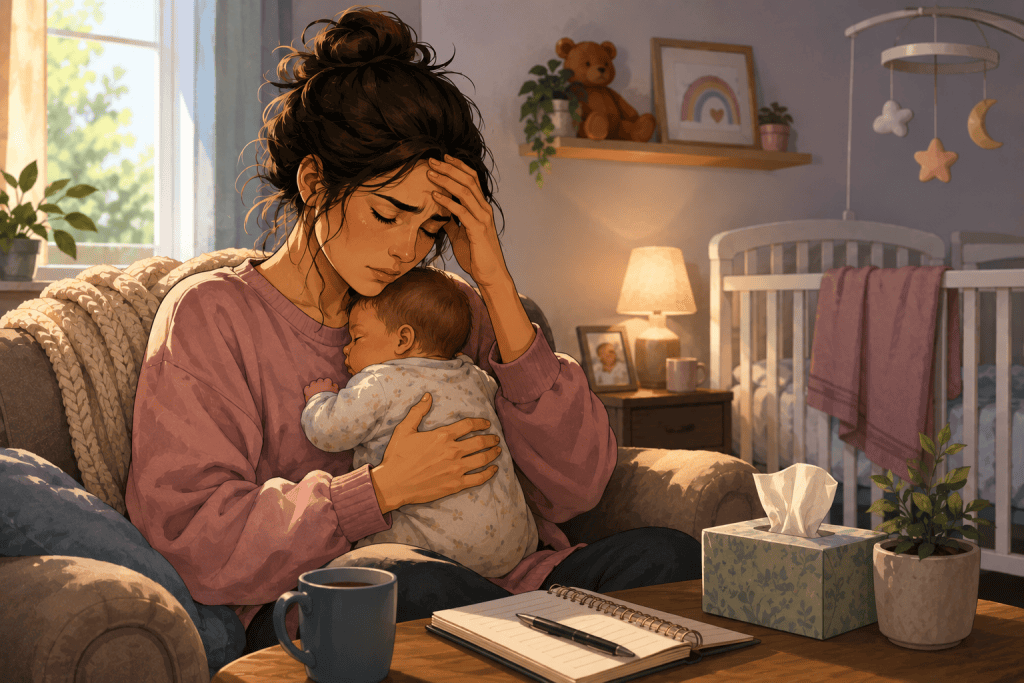
Having a baby can bring happiness, love and excitement, but it can also be physically exhausting and emotionally overwhelming. New parents may experience disrupted sleep, hormonal changes, increased responsibility and pressure to appear as though they are coping.
While emotional changes are common after childbirth, persistent sadness, anxiety, hopelessness or difficulty bonding with the baby may be signs of postnatal depression.
Postnatal depression, also called postpartum depression, is a common mental health condition that can develop after having a baby. It can affect people from all backgrounds and is not a sign of weakness or poor parenting. With appropriate treatment and support, most people recover.
What Is Postnatal Depression?
Postnatal depression is a form of depression that develops following childbirth.
It may begin shortly after the baby is born, but it can also develop gradually over several weeks or months. Symptoms can begin at any point during the first year after childbirth.
The condition can affect mood, thoughts, behaviour, relationships, sleep and the ability to manage everyday responsibilities.
Some parents recognise quickly that something is wrong. Others continue functioning while hiding how much they are struggling.
A person may attend appointments, care for the baby and appear fine to others while privately feeling frightened, emotionally numb or unable to cope.
How Common Is Postnatal Depression?
Postnatal depression is more common than many people realise.
The Royal College of Psychiatrists estimates that approximately 10% to 15% of mothers experience postnatal depression. This means tens of thousands of people may be affected each year in England alone.
Despite this, many people delay seeking help because they feel ashamed, fear judgement or believe they should be able to manage alone.
Postnatal depression is a recognised illness. It is not caused by a lack of love for the baby, and it does not mean someone is failing as a parent.
Baby Blues or Postnatal Depression?
Many people experience mood changes during the first few days after childbirth. This is often known as the baby blues.
The baby blues may include tearfulness, irritability, anxiety, low mood and feeling emotionally overwhelmed. These feelings usually settle within a few days and should not continue for more than approximately two weeks.
Postnatal depression lasts longer and may be more intense.
Professional advice should be sought when symptoms continue beyond two weeks, begin later or significantly affect daily life.
Common Signs of Postnatal Depression
Postnatal depression can look different for everyone.
Possible signs include:
- Persistent sadness or low mood.
- Frequent crying.
- Feeling hopeless about the future.
- Loss of interest in enjoyable activities.
- Constant tiredness or lack of energy.
- Difficulty sleeping, even when the baby is asleep.
- Changes in appetite.
- Irritability or anger.
- Difficulty concentrating or making decisions.
- Feeling unable to cope.
- Withdrawing from family or friends.
- Feeling emotionally numb.
- Excessive guilt or self-blame.
- Feeling like a bad parent.
- Difficulty bonding with the baby.
- Frightening or unwanted thoughts.
- Thoughts about death or self-harm.
Not everyone will experience every symptom. Some signs, including tiredness and disrupted sleep, are also common after having a baby. However, these symptoms should be discussed with a healthcare professional when they are severe, persistent or accompanied by other signs of depression.
What Causes Postnatal Depression?
There is rarely one single cause of postnatal depression.
It may develop through a combination of hormonal, emotional, physical and social factors.
Possible contributing factors include:
- A previous history of depression or anxiety.
- Mental health difficulties during pregnancy.
- A traumatic pregnancy or birth.
- Pregnancy or birth complications.
- Previous miscarriage or baby loss.
- Severe sleep deprivation.
- Limited practical or emotional support.
- Relationship difficulties.
- Financial or housing pressures.
- Domestic abuse.
- Difficulties with feeding.
- The baby experiencing health problems.
- Feeling isolated.
- Pressure to be a perfect parent.
- Losing a sense of personal identity.
Postnatal depression can also develop when childbirth and family circumstances appear to have gone well. Someone does not need an obvious reason to experience depression.
Difficulty Bonding With the Baby
Some people with postnatal depression struggle to feel emotionally connected to their baby.
They may care for the baby’s practical needs but feel numb, distant or overwhelmed. Others may feel anxious whenever they are responsible for the baby.
This can create intense guilt because parents are often expected to experience an immediate and powerful bond.
Bonding does not always happen instantly. It can develop gradually as the parent recovers, receives support and becomes more confident.
Difficulty bonding is a symptom that can be discussed honestly with a midwife, health visitor, GP or mental health professional. It does not automatically mean someone is an uncaring parent.
Anxiety and Intrusive Thoughts
Postnatal depression can occur alongside anxiety.
A parent may constantly worry about the baby’s health, repeatedly check that the baby is breathing or feel unable to let anyone else provide care.
Some parents experience intrusive thoughts or images involving accidental harm, illness or danger.
Intrusive thoughts are unwanted and may feel especially frightening because they conflict with the person’s values. Experiencing an unwanted thought does not necessarily mean the person wants it to happen or will act upon it.
However, persistent or distressing thoughts should be discussed with a healthcare professional. Urgent support is needed when someone believes they may act on thoughts of harming themselves or another person.
Guilt, Shame and Fear of Judgement
Many people with postnatal depression hide their feelings because they fear others will think they are a bad parent.
They may feel guilty because they wanted the baby, had a planned pregnancy or believe they should be happy.
Social media can add to this pressure by presenting carefully selected images of parenthood that do not reflect sleepless nights, loneliness, feeding difficulties or emotional distress.
These comparisons can deepen feelings of failure.
Postnatal depression is an illness, not a character flaw. Speaking openly allows healthcare professionals and trusted people to provide appropriate support.
Can Partners Experience Postnatal Depression?
Partners can also experience depression after the arrival of a baby.
They may face disrupted sleep, financial pressure, relationship changes, increased responsibility and worry about the parent or baby.
Partners may feel they have to remain strong and therefore hide their own distress.
Signs may include irritability, withdrawal, loss of interest, low mood, substance use, overworking or difficulty bonding with the baby.
A partner experiencing persistent emotional difficulties should speak to a GP or mental health professional.
How Postnatal Depression Affects Relationships
Postnatal depression can place pressure on couples and families.
The person experiencing depression may withdraw, become irritable or struggle to explain how they feel. Their partner may feel helpless, rejected or unsure how to provide support.
Sleep deprivation and changes in responsibilities can make communication more difficult.
It can help to discuss practical needs clearly, share responsibilities where possible and involve trusted relatives, friends or professionals.
Relationship difficulties do not necessarily mean the relationship is failing. Both people may be responding to an extremely demanding period.
Treatment for Postnatal Depression
Postnatal depression is treatable, and the most appropriate treatment will depend on the severity of symptoms, personal circumstances and medical history.
Support may include:
- Regular monitoring and practical support.
- Guided self-help.
- Counselling or psychological therapy.
- Cognitive behavioural therapy.
- Peer-support groups.
- Antidepressant medication.
- Specialist perinatal mental health support.
- A combination of therapy and medication.
NICE guidance covers the recognition, assessment and treatment of mental health conditions during pregnancy and up to one year after childbirth. Treatment decisions should consider the person’s needs, preferences, symptoms and previous response to care.
Anyone who is breastfeeding or considering medication should discuss the potential benefits and risks with a qualified healthcare professional rather than stopping or changing medication independently.
Practical Ways to Support Recovery
Professional care may be supported by manageable steps at home.
These may include:
- Accepting practical help.
- Resting whenever possible.
- Eating regularly.
- Spending a short time outdoors.
- Talking honestly to someone trustworthy.
- Reducing unnecessary commitments.
- Sharing night-time responsibilities where possible.
- Avoiding alcohol or drugs as coping mechanisms.
- Attending parent or peer-support groups.
- Taking time for basic personal care.
- Keeping healthcare appointments.
Self-care should not become another demand or source of guilt. Recovery may involve very small steps, particularly when someone is severely exhausted.
Supporting Someone With Postnatal Depression
Partners, relatives and friends can help by listening calmly and taking the person’s feelings seriously.
Useful support may include preparing meals, helping with household tasks, caring for the baby while the parent rests and helping them contact professional services.
Avoid saying:
“You should be happy.”
“Everyone finds it difficult.”
“You just need more sleep.”
Instead, try:
“I can see you are struggling.”
“This is not your fault.”
“You do not have to manage this alone.”
“Let us contact someone who can help.”
Do not assume the person will ask when they need support. Depression can make communication and decision-making difficult.
Postpartum Psychosis Is a Medical Emergency
Postpartum psychosis is different from postnatal depression.
It is a serious mental illness that usually develops rapidly after childbirth and may involve severe confusion, unusual beliefs, hallucinations, extreme changes in mood or behaviour that appears dramatically out of character.
The NHS describes postpartum psychosis as a medical emergency requiring urgent assessment and treatment.
Call 999 or attend A&E when there is immediate danger. Urgent help should also be sought when someone is severely confused, hearing or seeing things that are not present, experiencing unusual beliefs or unable to keep themselves or the baby safe.
When to Seek Help
Speak to a health visitor, midwife, maternity team or GP when symptoms:
- Continue for more than two weeks.
- Begin later in the first year after childbirth.
- Affect sleep beyond normal disruption from the baby.
- Make daily responsibilities difficult.
- Cause withdrawal from other people.
- Affect bonding with the baby.
- Include persistent anxiety or intrusive thoughts.
- Create feelings of hopelessness or worthlessness.
A person does not need to wait until they reach breaking point.
Seeking support early can make recovery easier and reduce the impact on the parent and wider family.
Recovery Is Possible
Postnatal depression can make early parenthood feel lonely, frightening and very different from what someone expected.
However, it is a treatable condition. With appropriate care, practical support and time, people can recover and develop strong, loving relationships with their children.
At Anxious Minds, we understand how depression, anxiety, trauma and major life changes can affect parents and families.
Our counselling and mental health support services provide a confidential place to talk without judgement, understand difficult emotions and develop healthier ways of coping.
You are not a bad parent, and you have not failed. Asking for help is a positive step towards recovery.