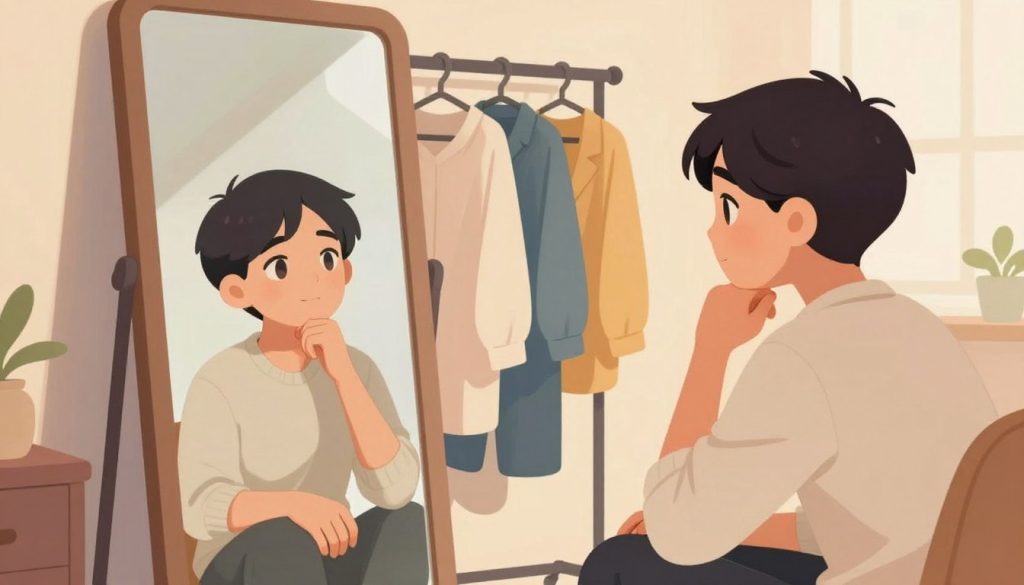
Welcome to a safe and supportive space meant to help you look at your identity with kindness. It is very natural to have questions about how you feel on the inside compared to how others see you. Navigating gender dysphoria can feel like a big journey, but please know that you are not alone.
This guide aims to help you *recognise* these feelings and find a clear sense of direction. We want to offer a helpful look at things to make these topics much easier to understand for everyone. Your comfort and happiness are our main goals as we look at these important facts together.
Our goal is to make sure you feel supported and informed through every step of your path. This resource provides a friendly hand as you look for self-acceptance and better ways to move forward. Let us start this journey of discovery with an open mind and a bright outlook for your future.
What Is Gender Dysphoria?
The term “gender dysphoria” refers to a specific kind of distress that can occur when an individual’s gender identity does not align with their biological sex. This condition is complex and involves a deep-seated feeling of discomfort or disconnect between one’s experienced gender and the sex assigned at birth.
Defining Gender Dysphoria and Gender Incongruence
Gender dysphoria is often associated with the term “gender incongruence,” which is used to describe the mismatch between an individual’s gender identity and their biological sex. Gender identity disorder is another term that has been used historically, although its usage is less common now due to the evolution of understanding and terminology in the field.
It’s essential to understand that gender dysphoria is not simply a matter of being unhappy with one’s biological sex; it’s a deeply felt sense of incongruence that can affect various aspects of an individual’s life.
The Difference Between Gender Identity and Biological Sex
Gender identity refers to an individual’s internal sense of being male, female, or something else. This is distinct from biological sex, which is determined by physical characteristics such as chromosomes, hormone levels, and reproductive anatomy.
The distinction between gender identity and biological sex is crucial in understanding gender dysphoria, as the condition arises from a mismatch between these two aspects.
Related Terms: Transgender, Transsexualism, and Gender Nonconformity
Terms like transgender and transsexualism are often used in the context of gender dysphoria. Transgender refers to individuals whose gender identity differs from their sex assigned at birth, while transsexualism historically refers to individuals who have undergone or seek medical interventions to align their physical appearance with their gender identity.
- Transgender: An umbrella term for individuals whose gender identity does not match their biological sex.
- Transsexualism: A term used for individuals who seek to align their physical body with their gender identity through medical means.
- Gender nonconformity: Behaviour or expression that does not conform to societal expectations based on an individual’s biological sex.
Recognising the Signs and Symptoms
Identifying gender dysphoria involves understanding its emotional, psychological, and physical manifestations. Recognising these signs and symptoms is crucial for individuals, families, and healthcare providers to offer appropriate support and care.
Emotional and Psychological Symptoms
Emotional and psychological symptoms are significant indicators of gender dysphoria. These can manifest in various ways, affecting an individual’s mental health and wellbeing.
Persistent Discomfort with Assigned Gender
A persistent feeling of discomfort or inappropriateness with one’s assigned gender is a key symptom. This discomfort can be debilitating and affect daily life significantly.
- Feeling a strong desire to be treated as a different gender
- Expressing discomfort with one’s body or its parts
- Preferring clothing and activities associated with a different gender
Anxiety and Depression Related to Gender Identity
Individuals with gender dysphoria often experience anxiety and depression related to their gender identity. These mental health challenges can be intense and require professional support.
- Experiencing anxiety in social situations due to gender identity concerns
- Feeling depressed about one’s gender or body
- Having suicidal thoughts or feelings of hopelessness
Physical Discomfort and Body-Related Distress
Physical discomfort and body-related distress are also common among individuals with gender dysphoria. This can include:
- Discomfort with physical characteristics that are typical of one’s assigned gender
- A desire to alter one’s body to align with one’s gender identity
- Distress related to pubertal changes

Social and Behavioural Indicators
Social and behavioural indicators can also signal gender dysphoria. These include:
- Preferring to play or engage in activities typically associated with a different gender
- Having close friends or role models of a different gender
- Expressing a desire to be or insisting they are a different gender
Understanding these signs and symptoms is crucial for providing supportive care. By recognising the emotional, psychological, physical, and social indicators of gender dysphoria, individuals and families can seek appropriate medical and psychological support.
Understanding the Causes and Contributing Factors
The aetiology of gender dysphoria is complex and multifaceted, involving a combination of biological, psychological, and environmental factors. Despite ongoing research, the exact causes remain not fully understood. However, studies have identified several key influences that contribute to the development of gender dysphoria.
Biological and Neurological Influences
Research suggests that biological and neurological factors play a significant role in the development of gender dysphoria. Studies have shown differences in brain structure and function between individuals with gender dysphoria and those without. For instance, some research indicates that the brains of individuals with gender dysphoria may exhibit characteristics more typical of their identified gender rather than their biological sex.
Neuroanatomical studies have found variations in regions of the brain associated with gender identity, such as the bed nucleus of the stria terminalis (BST). The BST is a region known to be involved in sexual behaviour and has been found to be differently sized in individuals with gender dysphoria compared to the general population.
Developmental and Environmental Factors
Developmental and environmental factors also contribute to the development of gender dysphoria. Early life experiences, family dynamics, and social interactions can influence an individual’s understanding and expression of their gender identity.
Some research suggests that prenatal exposure to hormones may influence gender identity. For example, individuals with certain conditions that affect hormone production or sensitivity during fetal development may be more likely to experience gender dysphoria.
- Family support and acceptance can significantly impact the wellbeing of individuals with gender dysphoria.
- Social and cultural norms around gender can influence how individuals perceive and express their gender identity.
- Early intervention and support can be crucial in helping individuals navigate their gender identity.
Dispelling Common Misconceptions
There are several misconceptions surrounding the causes of gender dysphoria. One common myth is that gender dysphoria is caused by upbringing or social factors alone. However, research indicates that the aetiology is more complex, involving a interplay of biological, psychological, and environmental factors.
Another misconception is that individuals with gender dysphoria have a mental health disorder. While gender dysphoria is associated with significant distress, it is not classified as a mental illness in the same way as conditions like depression or anxiety disorders. Instead, it is recognised as a condition related to gender identity.
The Experience of Living with Gender Dysphoria
For those who experience it, gender dysphoria is more than just a condition; it’s a daily reality that shapes their interactions, choices, and sense of self. Living with gender dysphoria involves a complex interplay of emotional, psychological, and social factors that can significantly impact an individual’s quality of life.
Daily Challenges and Personal Struggles
Managing gender dysphoria on a daily basis can be incredibly challenging. Simple tasks and social interactions can become sources of distress due to the mismatch between an individual’s gender identity and their physical appearance or the gender they were assigned at birth.
Managing Dysphoria in Everyday Life
Individuals with gender dysphoria often develop strategies to cope with their condition in daily life. This might include avoiding certain situations that could trigger dysphoria, such as using public restrooms or engaging in activities that emphasize gender roles. Finding supportive communities and understanding friends and family can be crucial in helping individuals navigate these challenges.
Workplace and Educational Settings
The workplace and educational settings can be particularly challenging for individuals with gender dysphoria. Issues such as being misgendered, facing discrimination, or feeling pressured to conform to societal gender norms can create a hostile environment. Creating inclusive policies and fostering a culture of understanding and respect can significantly improve the well-being of transgender and gender-nonconforming individuals in these settings.
Impact on Mental Health and Wellbeing
The constant struggle to reconcile one’s gender identity with societal expectations and one’s physical body can have a profound impact on mental health. Individuals with gender dysphoria are at a higher risk of experiencing depression, anxiety, and suicidal ideation. Access to supportive mental health services and affirmative care is critical in mitigating these risks.
It’s essential for healthcare providers to offer care that respects and acknowledges an individual’s gender identity. This includes using the individual’s preferred name and pronouns, which can significantly improve their mental wellbeing.
Navigating Social Situations and Relationships
Social interactions can be a source of both support and stress for individuals with gender dysphoria. Navigating relationships with family, friends, and romantic partners requires a delicate balance between being true to oneself and managing the reactions of others. Education and awareness about gender dysphoria can help in building more supportive and understanding social networks.
By understanding the experiences of individuals living with gender dysphoria, we can work towards creating a more inclusive and supportive society. This involves not just acceptance but also proactive support in various aspects of life, from education and employment to healthcare and social interactions.
Treatment and Medical Support Options
The journey towards alleviating gender dysphoria involves several medical and therapeutic support pathways. Individuals experiencing gender dysphoria can benefit from a range of treatments tailored to their specific needs.
Psychological Therapy and Counselling Approaches
Psychological support is a crucial aspect of managing gender dysphoria. Counselling and therapy can help individuals understand their feelings and develop coping strategies. Therapists may use various approaches, including cognitive-behavioural therapy (CBT), to support individuals in their journey.
These therapeutic interventions aim to reduce the distress associated with gender dysphoria, improve mental health, and enhance overall wellbeing. It’s essential for individuals to find a therapist who is experienced in gender identity issues.
Hormone Replacement Therapy
Hormone Replacement Therapy (HRT) is a medical treatment that can help align an individual’s physical characteristics with their gender identity. For those transitioning from male to female, oestrogen is typically administered, while testosterone is used for those transitioning from female to male.
HRT can lead to significant physical changes, such as alterations in body hair, voice, and body shape. It’s a critical step for many in their transition journey, though it’s essential to discuss the potential benefits and risks with a healthcare provider.
Surgical Treatment Options
For some individuals, surgical interventions may be an appropriate part of their treatment plan. Surgical options can include procedures such as mastectomy, breast augmentation, or genital surgery, aiming to align the individual’s physical appearance with their gender identity.
These surgeries are typically considered after a thorough assessment and a period of living in the individual’s identified gender role. It’s a significant decision that requires careful consideration and consultation with healthcare professionals.
Accessing Gender Identity Services Through the NHS
In the United Kingdom, the NHS provides gender identity services for individuals with gender dysphoria. Accessing these services typically begins with a referral from a GP to a specialised gender identity clinic.
Referral Pathways in the United Kingdom
The referral process involves an initial assessment, followed by a more detailed evaluation at a gender identity clinic. These clinics offer a range of services, including assessment, diagnosis, and treatment planning.
- Initial GP consultation
- Referral to a gender identity clinic
- Comprehensive assessment
- Development of a treatment plan
Private Treatment Alternatives
For those who prefer or need to access services privately, there are various private healthcare providers that offer gender dysphoria treatment. This can include private consultations, HRT, and surgical options.
It’s crucial for individuals to research and understand the costs, benefits, and potential outcomes of private treatment options. Ensuring that any private healthcare provider is reputable and experienced in gender dysphoria treatment is vital.
Finding Support and Building Resilience
Living with gender dysphoria can be challenging, but there are numerous support networks available to help individuals navigate this journey. Having a strong support system is crucial for building resilience and improving overall wellbeing.
UK Support Networks and Community Resources
The UK offers a range of support networks and community resources for individuals with gender dysphoria. These resources provide a safe space for individuals to connect with others who understand their experiences.
National Organisations and Helplines
Several national organisations offer support and guidance for individuals with gender dysphoria. These include:
- The Gender Identity Clinic, which provides specialist support and treatment for individuals experiencing gender dysphoria.
- The National LGBT+ Helpline, which offers a confidential helpline for individuals to discuss their concerns and receive support.
- Gendered Intelligence, which provides a range of resources and support for individuals, families, and professionals.
In addition to national organisations, local support groups can provide a sense of community and connection for individuals with gender dysphoria. These groups often meet regularly, offering a safe space for individuals to share their experiences and receive support.
How Family and Friends Can Provide Support
Family and friends play a vital role in supporting individuals with gender dysphoria. By being understanding, supportive, and informed, loved ones can make a significant difference in an individual’s journey.
Some ways family and friends can provide support include:
- Educating themselves about gender dysphoria and its effects.
- Listening to and validating the individual’s experiences.
- Offering emotional support and being present.
Self-Care Strategies and Coping Mechanisms
Developing self-care strategies and coping mechanisms is essential for managing the challenges associated with gender dysphoria. Some effective approaches include:
- Mindfulness and relaxation techniques, such as meditation and deep breathing.
- Creative expression, such as art, writing, or music.
- Physical activity, such as exercise or sports.
By incorporating these strategies into daily life, individuals with gender dysphoria can improve their overall wellbeing and build resilience.
Conclusion
Understanding gender dysphoria is crucial in providing support and care to those affected. Throughout this guide, we have explored the complexities of gender dysphoria, its signs and symptoms, causes, and the impact it has on individuals.
Living with gender dysphoria can be challenging, but with the right support and treatment, individuals can lead fulfilling lives. The NHS and various support networks in the UK offer a range of services, from psychological therapy to hormone replacement therapy and surgical options, to help individuals navigate their gender identity journey.
By fostering a supportive environment and promoting understanding, we can help individuals with gender dysphoria feel more confident and empowered to be their authentic selves. For those seeking further information and support, resources are available through organisations that specialise in gender identity issues.