

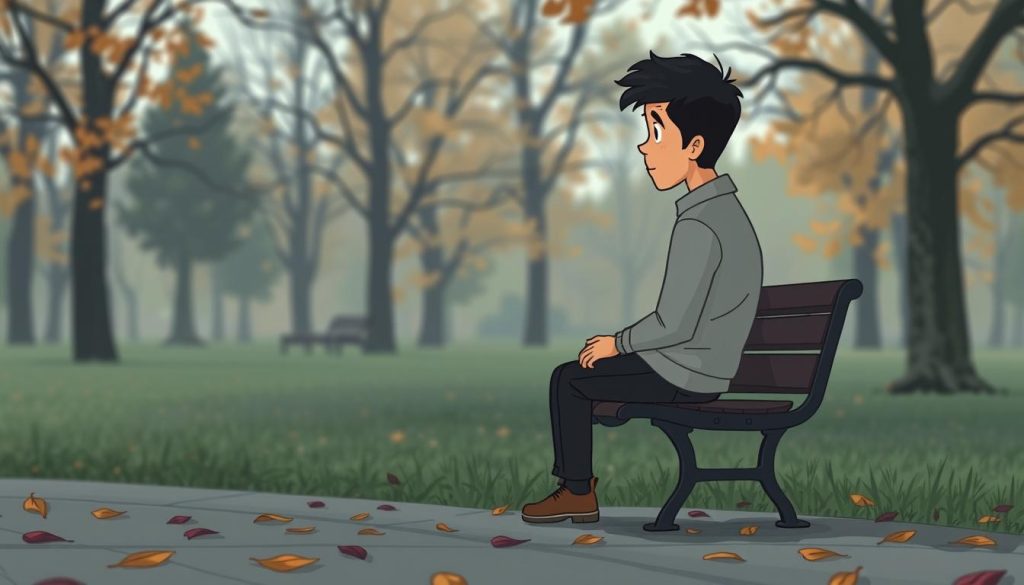
Depression is more than just feeling sad. Many people mix up feeling sad with clinical depression. It’s important to know the difference.
Sadness is a normal feeling that comes and goes. But depression is a serious mental health issue. It changes how a person thinks, feels, and acts every day.
The NHS says millions in the UK face mental health issues yearly. Depression affects people from all backgrounds. It doesn’t care about age, background, or situation. Spotting depression early can help recovery.
This article dives into mental health complexities. We’ll see how depression is more than just feeling sad. Knowing about depression helps find the right support. With the right help, lives can change for the better.
Learning about depression helps on the road to recovery. Whether you’re feeling it or supporting someone, knowing is key. Understanding depression is the first step to better mental health.
Defining the Reality that Depression Is More Than Feeling Sad
Many think depression is just feeling down or having a bad day. This belief stops people from getting the right help. Depression is a serious condition that affects a person’s whole life, from their body to their mind.
Depression is not like feeling sad for a short time. When we face loss or disappointment, we might feel sad. But this sadness usually goes away as things get better. Depression, on the other hand, lasts and changes how we think, feel, and act every day.
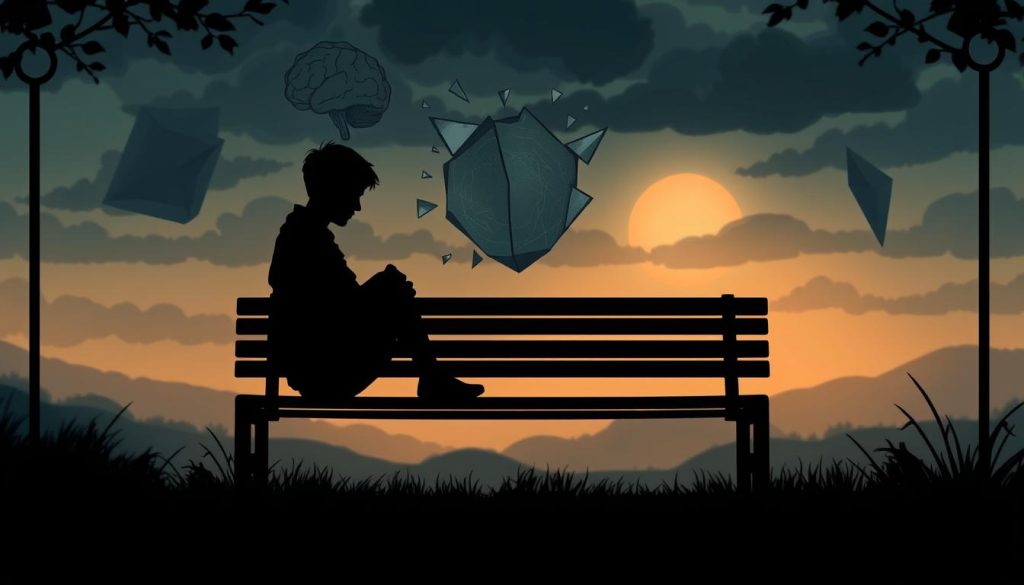
The Royal College of Psychiatrists sees depression as a real medical illness. This view is important because it takes away shame and blame. Depression is not a sign of weakness or failure. It’s not something you can just “snap out of” by trying hard.
Realising depression is more than feeling sad opens the door to getting better. This understanding helps people:
- Seek professional help without feeling ashamed
- See their symptoms as medical issues, not personal flaws
- Get the right treatments and help
- Be kind to themselves while they recover
- Teach others about depression
When people understand this, they start to break down harmful myths. This knowledge helps create a supportive environment for those dealing with depression.
Distinguishing Between Transient Sadness and Clinical Depression
It’s key to know the difference between sadness and depression. Sadness is a normal reaction to tough times. But depression is a serious mental health issue that changes how you think, feel, and act. Knowing the difference helps you know when to ask for help from your doctor.
How we feel changes a lot depending on what’s happening. We all feel sad sometimes. The important thing is to notice how long these feelings last. This helps figure out if it’s just temporary sadness or something more serious.
The Nature of Grief
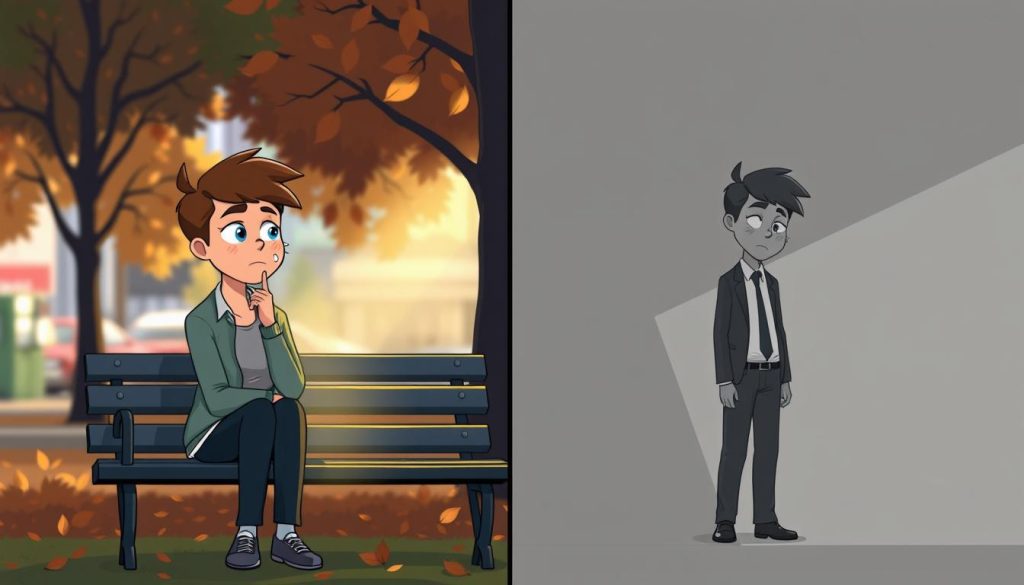
Grief is a natural human reaction to loss. It’s a healthy way to deal with big changes like losing someone, ending a relationship, or losing a job. When grieving, people might feel very sad, but they can also find joy or get comfort from others.
Grief usually has a clear reason behind it. People can link their sadness to a specific event or loss. This makes it different from depression, which needs medical help.
The Duration of Symptoms
How long symptoms last is a big clue in telling sadness from depression. Doctors look for symptoms that last at least two weeks. This helps tell if it’s just a short-term emotional issue or something that needs treatment.
| Emotional State | Typical Duration | External Trigger | Functional Impact |
|---|---|---|---|
| Sadness | Days to weeks | Identifiable life event | Temporary disruption |
| Clinical Depression | Two weeks or longer | May occur without clear cause | Significant daily impairment |
If sadness lasts too long or seems to come out of nowhere, it’s time to get professional help. A doctor can check if you need treatment for depression.
Recognising Clinical Depression Symptoms
It’s key to know the signs of clinical depression to spot when sadness turns serious. These signs are not just feeling down for a bit. They are big changes that last for weeks or months. Spotting these signs early helps people get the help they need.
Clinical depression shows up in many ways for different people. Some notice physical changes, while others see emotional shifts. Knowing how depression affects you is important for spotting it.
Common signs include feeling hopeless for a long time. Sleep patterns can change, leading to too much or too little sleep. Changes in appetite can also happen, causing weight gain or loss.
The Mind charity says depression looks different for everyone. What’s important is noticing patterns in your mood and behaviour over time.
Key Physical and Emotional Indicators
Physical signs often go hand in hand with emotional changes. These include feeling very tired, muscle tension, and unexplained aches. Emotional signs include trouble concentrating, feeling worthless, and pulling away from things you used to enjoy.
- Persistent low mood lasting several weeks
- Loss of interest in hobbies and social activities
- Significant changes in sleep or appetite
- Feelings of guilt or inadequacy
- Difficulty making decisions
- Physical complaints without clear cause
Spotting these changes early is the best way to get help. It helps build a stronger mental health foundation for the future.
The Biological Basis of Mental Health Conditions
Understanding depression means looking at what happens in the brain. It’s not just feeling sad. It involves real changes in brain chemistry and structure. Our brains have chemicals called neurotransmitters that control our moods and emotions.
The brain is a complex organ. Problems with brain chemistry can lead to serious health issues. Research from UK universities shows depression has biological roots we can study.
Neurotransmitter Imbalance
Neurotransmitters are chemical messengers in the brain. They send signals between nerve cells. When these chemicals are out of balance, mood and emotions suffer.
Two key neurotransmitters linked to depression are:
- Serotonin – helps regulate mood, sleep, and appetite
- Dopamine – controls motivation, pleasure, and reward
Low levels of these chemicals can cause depression symptoms. Doctors can sometimes help by using medicines that increase these neurotransmitter levels.
Genetic Predisposition
Family history is important for depression. If your parents or grandparents had depression, you may be at higher risk. The Wellcome Trust has studied how genes influence mental health conditions.
Studies show that about 40% of depression risk comes from inherited genes. Genes don’t guarantee depression. Environmental factors, stress, and life events also play important roles. Understanding both biology and life circumstances helps us see why people experience depression differently.
Major Depressive Disorder and Its Impact on Daily Life
Major depressive disorder is a serious mental health issue. It goes beyond just feeling sad sometimes. It makes it hard to do everyday tasks and enjoy things that used to make us happy.
The Office for National Statistics says it’s a top reason for long-term sickness at work in the UK. People with this condition often can’t focus, make decisions, or do simple tasks. What used to be easy becomes a huge challenge.
Work and Professional Life
Major depressive disorder really hurts job performance. People might not be as productive, struggle to meet deadlines, and find it hard to keep up with colleagues. They often have to take long breaks from work, which affects their money and career.
Personal Relationships and Social Connections
This condition can make people pull away from their loved ones. They might stop going to social events and find it hard to keep in touch with friends and family. It’s hard for families to stay close when someone is struggling to be emotionally present.
Physical Health and Self-Care
People with major depressive disorder often don’t take care of themselves. They might not wash regularly, eat well, or exercise. They also have trouble sleeping, which makes things worse. It’s key to get help early to start feeling better.
- Difficulty concentrating on work or study
- Withdrawal from family and friends
- Neglect of personal hygiene and appearance
- Changes in eating and sleeping patterns
- Reduced motivation for daily responsibilities
Identifying Psychological Depression Signs
Spotting psychological depression signs needs careful watching for changes in thinking and actions. These changes often creep up slowly, making them hard to notice. Knowing what to look for is key to spotting when someone needs help. Signs show up in how someone thinks and how they act.
Cognitive Patterns
Depression changes how people think about themselves and their world. They start to think very negatively and often. It’s hard for them to focus on things they used to do easily.
They also start to be very hard on themselves. They blame themselves for small mistakes, feeling worthless and hopeless about the future.
- Persistent self-blame for everyday events
- Difficulty focusing on work or studies
- Memory problems and forgetfulness
- Negative predictions about what comes next
- Black-and-white thinking patterns
Behavioural Changes
Changes in how someone acts are also signs of depression. They start to avoid things they used to enjoy. Going to social events feels too much, so they stay away. Their sleep patterns get messed up, with some sleeping too much and others not enough.
They also lose energy, making simple tasks hard. They might not take care of themselves anymore, showing in their hygiene or how they look.
- Withdrawing from friends and family gatherings
- Abandoning hobbies and interests
- Changes in appetite and eating habits
- Reduced physical activity and exercise
- Neglecting personal hygiene and appearance
Watching for these signs in loved ones helps family and friends get them help early.
The Importance of Professional Diagnosis Criteria
Getting a proper diagnosis from a healthcare professional is vital when dealing with depression. A GP or mental health specialist uses established frameworks to assess your condition fairly and accurately. This process ensures you receive the right support based on your individual needs.
In the United Kingdom, doctors rely on recognised assessment tools to evaluate depression diagnosis criteria. These standardised methods help professionals identify whether you have clinical depression or another condition that might look similar. The most common frameworks used are the ICD-11 and DSM-5.
Why Professional Assessment Matters
Self-diagnosis is not reliable. A trained clinician can spot clinical depression symptoms that you might miss or overlook. Professional evaluation also rules out physical health problems that mimic depression, such as thyroid dysfunction or vitamin deficiencies.
A proper assessment involves:
- Reviewing your medical history
- Discussing your symptoms and when they started
- Checking for family history of mental health conditions
- Performing physical examinations if necessary
- Running blood tests to exclude physical causes
Following depression diagnosis criteria ensures treatment plans match your specific situation. GPs create personalised approaches based on your symptoms, severity, and background. This tailored method leads to better outcomes and recovery rates.
Professional guidance protects your wellbeing. Seeking expert help removes guesswork from your mental health journey and gives you the best chance at feeling better.
Navigating Persistent Low Mood
A persistent low mood feels like carrying a heavy weight every day. It’s more than just sadness. It’s a mix of physical and mental symptoms that make simple tasks hard. Understanding what you’re going through is the first step to managing these feelings.
The National Institute for Health and Care Excellence (NICE) says we need special care for this mood. Many feel stuck in a cycle they can’t escape. But, with the right support, you can find relief.
Chronic Fatigue
Chronic fatigue is a big part of persistent low mood. It’s not just feeling tired. It’s a deep exhaustion that rest can’t fix.
- Waking up feeling unrefreshed despite sleeping
- Struggling to complete routine tasks
- Experiencing muscle aches and weakness
- Difficulty concentrating due to mental fog
This fatigue makes simple tasks like getting out of bed or showering hard. It feels like climbing a mountain.
Loss of Interest
Another key feature is anhedonia, or losing interest in things you used to love. Hobbies, friends, and activities that once brought joy now seem pointless.
- Withdrawing from social gatherings
- Abandoning favourite hobbies
- Feeling emotionally numb
- Lacking motivation for future plans
This loss of interest can lead to feeling isolated. It makes the low mood worse. But, with patience and help, you can start enjoying life again.
Exploring Modern Depression Treatment Options
Patients with major depressive disorder have many treatment options. The National Institute for Health and Care Excellence (NICE) suggests a mix of therapies. This approach tackles both the physical and emotional sides of depression.
Working with healthcare professionals is key. They help find the right treatments for you. Everyone reacts differently, so it’s important to find what works best.
Talking Therapies and Psychological Support
Cognitive Behavioural Therapy (CBT) is a well-known talking therapy. It helps people spot and change negative thoughts. CBT is great for those wanting to manage their emotions better.
Other helpful therapies include:
- Interpersonal therapy to improve relationship skills
- Mindfulness-based approaches for emotional awareness
- Counselling for personal exploration and support
- Group therapy for peer connection
Pharmacological Treatments
Antidepressant medications balance brain chemicals. They help with the biological side of depression. Your GP can help choose the right medication for you.
Creating a treatment plan that fits you is the best way to recover. It sets a strong foundation for long-term wellbeing.
Prioritising Emotional Wellbeing and Recovery
Recovering from depression needs a mix of professional help and personal effort. Healing is a slow journey, not a quick fix. Rethink Mental Illness supports a holistic approach, putting the person at the heart of their recovery.
By taking small, consistent steps, people can see big changes in their mood and life. Combining professional therapy with personal actions builds a strong base for lasting change.
Therapeutic Approaches
Professional therapy is key for managing depression. The right therapy for each person is important.
- Cognitive Behavioural Therapy helps change negative thought patterns
- Counselling is a safe space to talk about feelings
- Mindfulness-based approaches teach being present
- Interpersonal therapy improves relationships and communication
Lifestyle Adjustments
Everyday choices affect emotional wellbeing. Making small changes in daily habits can lead to big improvements in mood and function.
| Lifestyle Area | Recommended Actions | Expected Benefits |
|---|---|---|
| Physical Activity | 30 minutes of moderate exercise most days | Improved mood and energy levels |
| Sleep Hygiene | Consistent bedtime routine and 7-9 hours nightly | Better emotional regulation and focus |
| Nutrition | Balanced diet with whole foods and minimal processed items | Stable energy and mental clarity |
| Mindfulness | Daily meditation or breathing exercises | Reduced anxiety and increased resilience |
Building resilience takes time and patience. Small steps, taken every day, lead to lasting changes in mental health and life quality.
Conclusion
Knowing the difference between sadness and depression is key to better mental health. Sadness is a normal feeling that comes and goes. Depression, on the other hand, is a serious issue that needs proper care.
Many find it hard to tell when their sadness turns into something more serious. Recognising these differences is important. It helps you know when to ask for help.
A low mood that lasts for weeks or months is a sign of something deeper. Spotting depression signs early can make a big difference. Look out for changes in sleep, appetite, energy, and motivation.
These changes are important when you see your doctor or therapist. They use specific criteria to diagnose depression. This ensures you get the right treatment plan for you.
Depression treatment options have improved a lot. Talking therapies, medication, lifestyle changes, and support networks are all helpful. Taking care of your mental health is not selfish.
It shows wisdom and self-care. With the right help, recovery is possible. You can get better with the right support from professionals.
Seeking help is brave. Your doctor, therapist, or counsellor can help you find the support you need. In the UK, you can get help from the NHS and private services.
You are not alone in this journey. With commitment to your wellbeing and the right support, better days are ahead.

