

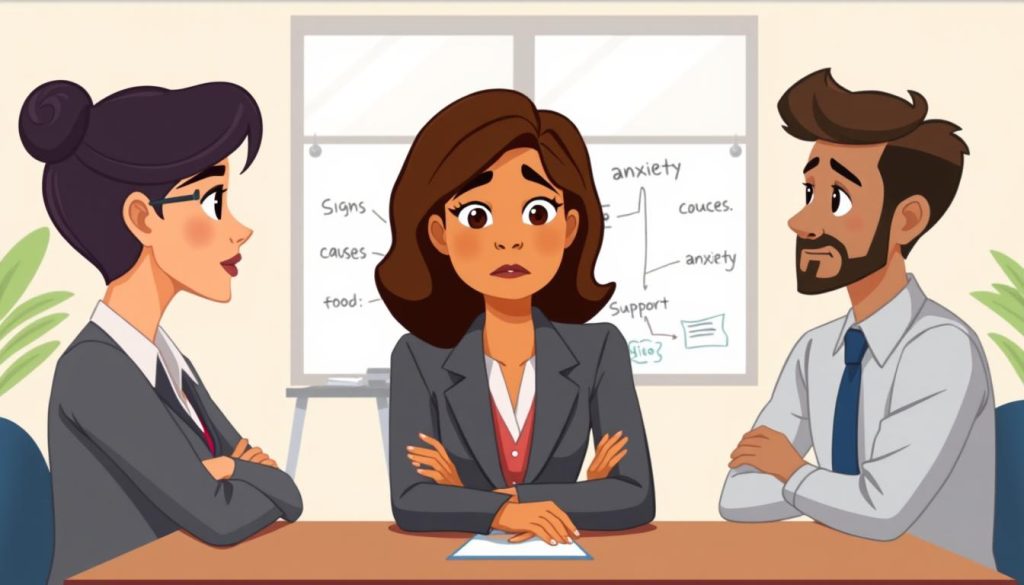
Anxiety affects millions in the UK every day. It can feel overwhelming and isolating. This article will help you understand anxiety, its signs, causes, and support options.
Learning about anxiety helps you recognise your symptoms. Many people struggle in silence, not knowing what they’re going through. By exploring these areas, you can seek help when needed.
This guide covers spotting early signs and finding community help. We look at what causes anxiety and its triggers. Most importantly, we explore support systems available to you.
Whether you’re dealing with anxiety or supporting someone, this article has the tools and information you need. Understanding anxiety is the first step to feeling better and regaining your peace of mind.
Defining the Scope of Mental Health
Mental health is key to our overall wellbeing. It covers our emotional, psychological, and social health. It helps us handle stress and connect with others.
In the UK, talking about mental health has grown a lot. Health groups and communities push for awareness. It’s vital for those feeling worried, sad, or overwhelmed.

The Importance of Mental Wellbeing
Looking after your mind is as important as your body. Good mental health helps you:
- Focus and do well at work or school
- Keep strong relationships with family and friends
- Stay physically healthy and have a strong immune system
- Feel motivated and have a sense of purpose
- Deal with life’s challenges better
Studies show that good mental health leads to happiness and better work performance. Taking care of your mind brings benefits in all life areas.
Breaking the Stigma Surrounding Mental Health
Stigma stops people from getting help. Bad views and myths about mental health make it hard to talk about problems. We need honest talks and learning to change this.
In the UK, many groups work to raise awareness about mental health. Their efforts help make talking about mental health normal. When we see mental health as important as physical health, more people seek help.
Understanding Anxiety: Signs, Causes and Support
Anxiety is a normal reaction to stress or uncertainty. It makes your body ready to face danger. This helped our ancestors survive.
In today’s world, stress from work, relationships, or money worries can trigger it too. The main difference is how long it lasts and how intense it is.
Normal worry goes away when the stressful situation ends. But clinical anxiety keeps going and affects daily life. Knowing when worry turns into anxiety is key.
Many people don’t see their symptoms as anxiety. They might feel restless, tired, or find it hard to focus. Organisations like Anxiety UK offer help for individuals and families.
Having a support system is vital for dealing with anxiety. Learning about anxiety helps you find the right help. With therapy, medication, or self-help, you can get better.
- Recognising when worry becomes excessive
- Learning about available support options
- Understanding personal anxiety triggers
- Developing coping strategies
- Connecting with professional services
This knowledge is the first step to better mental health. Understanding anxiety helps you manage your mental wellbeing.
Recognising Common Anxiety Symptoms
Spotting anxiety symptoms early can make a big difference in managing your mental health. Recognising anxiety early gives you the chance to act before it gets too much. Anxiety affects people differently, showing up as physical, emotional, or mental changes.
Physical Manifestations of Anxiety
Your body often reacts to anxiety before your mind catches up. Physical symptoms can be scary and feel very real. You might feel your heart racing or muscles tightening, often in your neck, shoulders, and jaw.
Stomach issues, changes in appetite, and other physical signs are common too.
Other common physical signs include:
- Difficulty sleeping or restless nights
- Headaches or migraines
- Shortness of breath or chest tightness
- Excessive sweating or feeling clammy
- Trembling or shaking hands
- Fatigue and low energy levels
Psychological Indicators to Monitor
Mental and emotional signs of anxiety are just as important. Persistent worry about everyday things is a big sign. You might struggle to focus or remember things. Racing thoughts are common too.
Watch for these psychological markers:
| Psychological Indicator | What It Feels Like | Impact on Daily Life |
|---|---|---|
| Constant Worry | Uncontrollable thoughts about problems | Difficulty relaxing or enjoying activities |
| Poor Concentration | Mind feels scattered or foggy | Struggles at work or school |
| Irritability | Feeling easily annoyed or frustrated | Strained relationships with others |
| Fear or Dread | Sense of doom without clear reason | Avoidance of certain situations |
| Sleep Disturbance | Racing mind preventing sleep | Exhaustion affecting all areas of life |
Recognising these signs in yourself or others is the first step towards seeking help. Early action makes treatment more effective and helps prevent anxiety from ruining your life.
Exploring the Primary Causes of Anxiety
Anxiety doesn’t just happen by itself. It comes from a mix of genetics, environment, and psychology. Knowing what makes you anxious can help you manage your wellbeing better.
Studies by the National Institute for Health and Care Excellence show that life events are key. Things like losing a loved one, job loss, or a breakup can trigger anxiety. These events can stress you out so much that you can’t cope, leading to ongoing anxiety.
Genetics also play a part in who might get anxious. If your family has anxiety, you might be more likely to too. But, it’s not a guarantee. Your genes can make you more open to anxiety, but it’s the environment that decides if you’ll actually get it.
Many things can make anxiety worse:
- Stress from work or personal life
- Health problems or new diagnoses
- Money worries and uncertainty
- Big changes in life
- Experiencing trauma or distress
- Using substances or too much caffeine
Your brain’s chemistry is also important. Problems with serotonin and noradrenaline can mess with your mood. Knowing this helps you see that anxiety is not a sign of weakness. It’s a real change in your brain and body.
Understanding what makes you anxious can help you find the right support. It lets you create strategies that fit your situation.
Identifying Typical Anxiety Triggers
Understanding what causes your anxiety is a big step towards managing it. Many people find that their triggers are different, but common patterns exist. Recognising these patterns helps you find ways to deal with anxiety better.
Anxiety triggers can be split into two main types: environmental stressors and social pressures. Knowing what situations make you anxious helps you prepare for tough times.
Environmental Factors and Stressors
Your surroundings can trigger anxiety. Workplace chaos, money worries, and crowded places can make you feel anxious. These factors build up over time.
Common environmental triggers include:
- Chaotic or disorganised workplaces
- Financial instability or money worries
- Noisy or overcrowded environments
- Poor lighting or uncomfortable temperatures
- Traffic congestion and commuting stress
Social Situations and Personal Pressures
Social situations can be very uncomfortable for those with social anxiety. Public speaking, meeting new people, and family gatherings can feel overwhelming.
Typical social anxiety triggers include:
| Social Situation | Pressure Type | Common Response |
|---|---|---|
| Public speaking events | Performance pressure | Racing heart, trembling voice |
| Meeting new people | Social evaluation | Self-consciousness, awkwardness |
| Family gatherings | Personal expectations | Tension, withdrawal |
| Job interviews | Judgment concern | Nervousness, mind blanking |
| Romantic relationships | Rejection fear | Avoidance, rumination |
Mapping your personal anxiety triggers is a powerful tool for coping strategies. Knowing what situations cause your anxiety lets you plan and use specific techniques. This awareness helps you manage your anxiety instead of letting it control you.
Navigating Various Anxiety Disorders
Anxiety is not just one thing. It’s a range of different disorders, each with its own signs and traits. Knowing the differences between these disorders is key to figuring out what you might be dealing with. This is important for getting the right help from doctors.
There are many types of anxiety disorders. Each one shows up in its own way and needs its own treatment plan. Knowing this helps you talk about your symptoms clearly with doctors.
- Generalised Anxiety Disorder (GAD) – Lasts for six months or more, involving worry about everyday things
- Panic Disorder – Has sudden, intense panic attacks with symptoms like a fast heartbeat
- Social Anxiety Disorder – Makes you very scared of being in social situations and being judged
- Specific Phobias – Causes extreme fear of certain objects or situations
- Agoraphobia – Fears being in open or crowded places where it’s hard to get away
Each anxiety disorder needs a different treatment. What works for one person might not work for another. Doctors look at your symptoms to figure out which one you have.
Getting a correct diagnosis is the first step to getting better. A doctor can tell you which anxiety disorder you have and suggest the right treatment. Knowing your specific disorder is the first step to feeling better.
Professional Anxiety Treatment Options
Seeking professional help is key to managing anxiety. Each treatment plan is custom-made for the individual. The National Health Service offers free anxiety treatments. Private therapists are also available for those who prefer them.
Knowing about the different treatments helps you choose the best care for you.
Psychological Therapies and Counselling
Talking therapies are at the heart of anxiety treatment. Cognitive Behavioural Therapy (CBT) is highly effective. It helps change negative thoughts into positive ones.
During therapy, you learn skills to handle anxiety in everyday life.
Other helpful therapies include:
- Exposure therapy for specific phobias and panic disorder
- Counselling for exploring underlying emotional issues
- Mindfulness-based approaches to reduce stress
- Acceptance and Commitment Therapy (ACT)
Medical Interventions and Medication
Your GP might suggest medication for severe symptoms. Commonly, they prescribe SSRIs. These balance brain chemicals related to mood and anxiety.
| Medication Type | Common Examples | Primary Use |
|---|---|---|
| SSRIs | Sertraline, Citalopram | Long-term anxiety management |
| Beta-blockers | Propranolol | Physical anxiety symptoms |
| Benzodiazepines | Diazepam | Short-term relief only |
Medication is most effective when used with therapy. Your GP will talk about side effects and check on your progress often.
Practical Strategies for Coping with Anxiety
Daily life can feel overwhelming when anxiety takes hold. You can manage stress and reduce anxiety symptoms in your routine. These self-help techniques work alongside professional help to improve your mental wellbeing.
Building a toolkit of coping strategies helps you deal with anxiety quickly. Many people find these approaches effective:
- Mindfulness meditation – Just ten minutes a day focusing on your breath calms racing thoughts
- Physical exercise – Walking, swimming, or cycling releases tension and boosts mood
- Structured breathing techniques – The 4-7-8 method (breathe in for four counts, hold for seven, exhale for eight) offers instant relief
- Progressive muscle relaxation – Tensing and releasing muscle groups reduces physical tension
- Journalling – Writing down worries helps organise thoughts and clear your mind
Adding these practices to your routine strengthens your ability to manage tough moments. Start small. Even five minutes of deep breathing can ease anxiety symptoms a lot.
“Taking small steps each day builds your confidence and resilience.”
Consistency is key, not perfection. By making coping with anxiety a part of your daily life, you build lasting skills for your mental health.
Accessing Essential Mental Health Support
Knowing where to get help is the first step in managing anxiety. The UK has many ways to support you. Whether it’s stress, worry, or panic, there are professionals ready to help.
Understanding your options makes recovery clearer. You can find support from NHS programmes to local community networks. They know the challenges in your area.
Utilising National Health Service Resources
The NHS offers many ways to get mental health support. The Improving Access to Psychological Therapies (IAPT) programme provides free treatments.
- Speak with your GP about referrals to NHS mental health services
- Access IAPT services for cognitive behavioural therapy and counselling
- Explore NHS crisis lines available 24/7 for urgent support
- Use the NHS 111 service for non-emergency mental health guidance
Your GP is your first contact. They can help you find the right services quickly.
Finding Local Community Support Networks
Community groups offer peer support and practical help. They know the local anxiety triggers and provide specific support.
- Search for local mind branches in your area
- Join support groups meeting weekly in community centres
- Contact Rethink Mental Illness for peer-led programmes
- Explore Samaritans services for listening support
Local networks offer emotional support during tough times. Talking to others facing similar issues boosts your confidence and reduces feelings of loneliness.
Conclusion
Recognising anxiety is the first step towards better mental health. Knowing how anxiety affects you gives you control. This knowledge lets you act early, before it gets worse.
The National Health Service and groups like Mind offer free help. They can teach you more about anxiety.
Using the right tools can help you manage anxiety. Techniques like deep breathing and exercise are effective. Start with one method that interests you and grow from there.
In the UK, help is always available. You can talk to your GP, call the Samaritans, or see a counsellor. It’s a sign of strength to ask for help.
Your mental health is as important as your physical health. Taking action now can lead to a calmer future. You deserve to feel well and live without fear.

