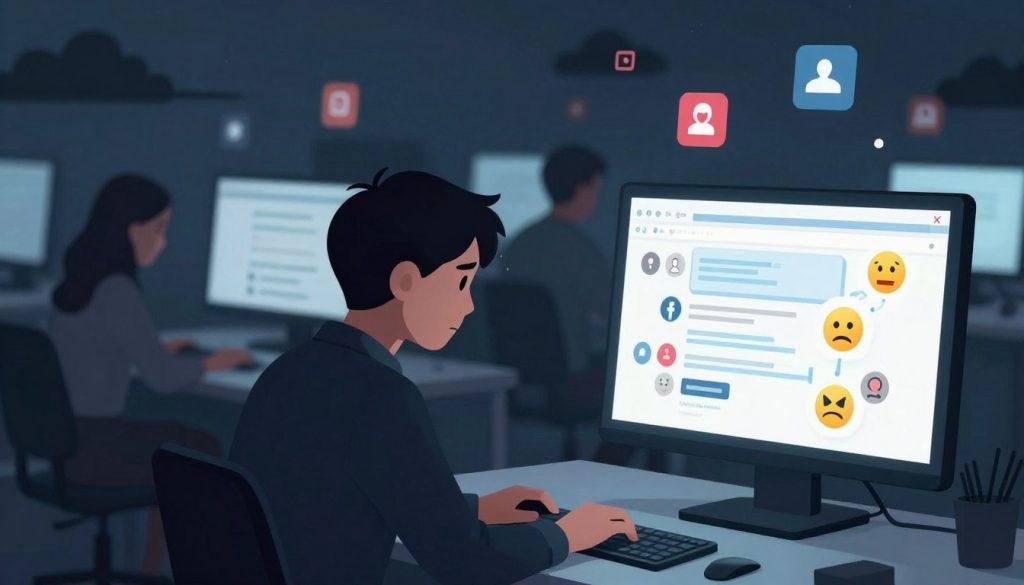
The rise of cyberbullying has become a pressing concern, affecting individuals’ mental well-being significantly. The anonymity of the online world can embolden individuals to engage in hurtful behaviour, leaving victims feeling isolated and vulnerable.
Experiencing online harassment can have serious consequences on one’s mental health, including increased anxiety, depression, and even suicidal thoughts. It is essential to acknowledge the severity of this issue and understand its impact on individuals and society as a whole.
Key Takeaways
- The prevalence of cyberbullying is a significant concern for mental well-being.
- Online harassment can lead to severe mental health issues.
- Understanding the impact of cyberbullying is crucial for developing effective support systems.
- Addressing online harassment requires a comprehensive approach.
- Raising awareness about the effects of cyberbullying can help mitigate its impact.
Understanding Online Harassment in the Digital Age
The prevalence of online harassment in the UK has become a pressing concern, impacting the mental wellbeing of individuals across various demographics. As we increasingly rely on digital platforms for communication, the risk of encountering abusive behaviour online grows.
Defining Online Harassment and Its Prevalence in the UK
Online harassment encompasses a range of behaviours, including cyberbullying, trolling, and hate speech, which can have a profound effect on an individual’s mental health. Studies have shown that a significant proportion of the UK population has experienced some form of online harassment, with certain groups being disproportionately targeted.
Statistics indicate that online harassment is a widespread issue, affecting not only individuals but also communities and society as a whole. The anonymity afforded by the internet can embolden individuals to engage in behaviour they might not otherwise exhibit in person.

The Evolution of Digital Abuse in Modern Society
The evolution of digital abuse is closely tied to the development of technology and social media platforms. As new platforms emerge, so too do new forms of harassment, adapting to the changing digital landscape.
The impact on mental wellbeing is significant, with victims often experiencing anxiety, depression, and a heightened sense of vulnerability. Understanding the evolution of digital abuse is crucial for developing effective strategies to mitigate its effects.
- The rise of social media has created new avenues for harassment.
- Anonymity online can facilitate abusive behaviour.
- The UK has seen a growing awareness of online harassment issues.
Common Forms of Online Harassment
Understanding the common forms of online harassment is crucial in addressing its prevalence and mitigating its effects. Online harassment can take many forms, each with its own set of challenges for those affected.
Cyberbullying and Trolling
Cyberbullying and trolling are among the most prevalent forms of online harassment. Cyberbullying involves the repeated use of technology to intimidate or humiliate others, often resulting in significant emotional distress. Trolling, on the other hand, typically involves posting inflammatory or off-topic comments with the intent of provoking others. Both behaviors can have serious psychological effects on their victims.
Examples of cyberbullying include sending threatening messages, spreading rumors, or posting humiliating content about someone online. Trolling can range from mildly annoying comments to severe forms of harassment, making it difficult for individuals to distinguish between harmless banter and more sinister behavior.
Doxxing and Identity-Based Harassment
Doxxing, or the act of publicly identifying or sharing private information about someone without their consent, is another form of online harassment. This can include sharing personal details, such as home addresses, phone numbers, or financial information, with malicious intent. Identity-based harassment targets individuals based on their race, gender, sexual orientation, or other personal characteristics, often aiming to intimidate or degrade.
- Sharing personal data without consent
- Targeting based on identity
- Encouraging others to harass the individual
Stalking and Persistent Unwanted Contact
Online stalking and persistent unwanted contact are serious forms of harassment that can have significant psychological impacts. These behaviors involve repeated attempts to contact or monitor someone online, often despite clear indications that such contact is unwelcome. This can include sending repeated messages, tracking someone’s online activities, or using technology to monitor their physical location.
- Repeatedly sending unwanted messages or gifts
- Monitoring someone’s online activities without their consent
- Using GPS or other technologies to track someone’s location
It’s essential for individuals experiencing these forms of harassment to know that there are resources available to help them. Reporting these incidents and seeking support from online platforms, law enforcement, or support groups can be crucial steps in mitigating the harm caused by online harassment.
Online Harassment and Mental Health: The Psychological Impact
The experience of being harassed online can trigger a range of emotional responses, from anxiety to depression. As individuals increasingly engage in online communities, the potential for internet trolling and other forms of harassment grows, leading to significant emotional distress.
Immediate Emotional Responses to Digital Abuse
When faced with online harassment, individuals often experience immediate emotional reactions. These can include feelings of shock, anger, and vulnerability. The sudden and often unexpected nature of online abuse can exacerbate these feelings, leaving the victim feeling disoriented and unsure of how to respond.
The emotional impact can be intensified by the public nature of some online platforms, where harassment can be witnessed by a large audience. This can lead to feelings of humiliation and increased anxiety about future online interactions.
Long-term Mental Health Consequences
Repeated exposure to online harassment can have long-term consequences for mental health. Victims may develop chronic anxiety, depression, or post-traumatic stress disorder (PTSD). The constant fear of being targeted online can lead to a state of hypervigilance, making it difficult for individuals to feel safe in online environments.
Furthermore, the pervasive nature of digital technology means that victims may feel they cannot escape the harassment, even in their own homes. This can lead to a sense of isolation and helplessness, further exacerbating mental health issues.
The Cycle of Trauma and Online Engagement
Online harassment can create a cycle of trauma, where the experience of being harassed leads to increased anxiety or fear about engaging online. This can result in avoidance behaviors, where individuals shy away from online interactions to protect themselves from potential harm.
However, in a digitally connected world, avoiding online engagement is not always a viable or desirable solution. This can lead to a conflicted state, where the need to engage online for social, professional, or educational purposes clashes with the fear of being harassed. Breaking this cycle requires support, whether through mental health resources, online safety measures, or community support.
Vulnerable Groups and Risk Factors
Certain groups are more susceptible to the adverse effects of online harassment, including young people, marginalised communities, and public figures. The impact of online abuse on these groups can be particularly severe, leading to significant mental health consequences.
Young People and Social Media Pressure
Young individuals are among the most vulnerable to online harassment due to their high level of engagement with social media platforms. The pressure to maintain an online presence can exacerbate the negative effects of cyberbullying and trolling, potentially leading to anxiety, depression, and other mental health issues.
- The constant exposure to curated and manipulated content can distort self-perception and contribute to feelings of inadequacy.
- Cyberbullying can lead to social isolation, as victims may avoid online interactions or withdraw from social activities.
- The anonymity of the online environment can embolden perpetrators, making it easier for them to target young people.
Marginalised Communities and Targeted Harassment
Marginalised communities, including racial and ethnic minorities, LGBTQ+ individuals, and people with disabilities, are disproportionately targeted by online harassers. This targeted harassment can have a compounding effect on the mental health of individuals within these communities.
- The intersectionality of identities can increase the vulnerability of individuals to online abuse.
- Targeted harassment can lead to a heightened sense of fear and vulnerability among marginalised groups.
- The lack of adequate support systems and resources can exacerbate the mental health consequences of online harassment.
Public Figures and the Amplification Effect
Public figures, including celebrities, politicians, and influencers, are also significantly affected by online harassment. The amplification effect of their online presence can make them more visible targets for harassers, potentially leading to severe mental health consequences.
- The constant scrutiny and criticism can lead to stress, anxiety, and depression.
- The pressure to maintain a public image can prevent individuals from openly discussing their experiences with online harassment.
- The amplification of their harassment can have a ripple effect, influencing how others perceive and engage with online abuse.
Understanding the specific challenges faced by these vulnerable groups is crucial in developing effective strategies to mitigate the impact of online harassment on mental health. By acknowledging the unique risk factors and consequences associated with different demographics and online presence, we can work towards creating a safer and more supportive online environment.
Protecting Your Mental Well-being Online
As we navigate the complexities of online interactions, prioritizing mental health is vital. The digital world, while offering numerous benefits, also poses significant risks to our mental well-being, particularly through online harassment and cyberbullying.
Digital Boundaries and Safety Measures
Establishing digital boundaries is a crucial step in protecting one’s mental health online. This involves being mindful of the information we share, controlling who we interact with, and using privacy settings effectively.
Implementing safety measures such as blocking or muting abusive users and limiting our time on potentially harmful platforms can significantly reduce the negative impacts on our mental well-being.
Effective Safety Measures Include:
- Utilizing platform-specific reporting tools
- Engaging with online communities that promote positive interactions
- Regularly reviewing and updating privacy settings
Reporting Mechanisms and Legal Options in the UK
Understanding the reporting mechanisms and legal options available in the UK is essential for dealing with online harassment. Victims can report incidents to the platform, the police, or organizations like the UK’s National Crime Agency’s Cybercrime unit.
Key Reporting and Legal Steps:
- Documenting evidence of harassment
- Reporting to the online platform
- Seeking legal advice if necessary
Self-care Strategies for Online Spaces
Practicing self-care is vital for maintaining a healthy online presence. This includes taking regular breaks from digital media, engaging in offline activities that promote well-being, and fostering a positive online environment by following and interacting with positive and supportive accounts.
When and How to Seek Professional Support
Recognizing when to seek professional help is crucial. If online harassment significantly impacts your mental health, seeking support from mental health professionals is a proactive step.
They can provide strategies to cope with the effects of online abuse and support in navigating the complexities of digital interactions.
Resources for Support:
- Mental health charities
- Professional counseling services
- Online support groups
Conclusion: Building a Healthier Digital Community
The impact of online harassment on mental well-being is a pressing concern in the digital age. As discussed, the prevalence of social media abuse can have severe consequences on an individual’s mental health.
To mitigate the effects of online harassment, it is essential to promote awareness and support those affected. By understanding the social media abuse impact on mental wellbeing, we can work towards creating a safer online environment.
Building a healthier digital community requires collective action from social media platforms, policymakers, and individuals. By working together, we can reduce the incidence of online harassment and foster a more supportive online culture.
Ultimately, by taking proactive steps to protect our mental well-being online, we can ensure a healthier digital landscape for everyone.