


Many individuals across the globe now experience a profound sense of disconnection. In 2023, Surgeon General Vivek H. Murthy released a major advisory labelling loneliness and isolation as a pressing public health epidemic in the United States.
This advisory highlights a crisis comparable to the dangers of smoking or obesity. The effect on our collective wellbeing is severe and far-reaching.
Our world is more digitally connected than ever, yet so many people report feeling alone. Understanding this modern paradox is crucial for improving overall health.
This guide offers a comprehensive analysis. We explore evidence-based reasons for this disconnect and provide actionable strategies to foster genuine human connections.
Key Takeaways
- Loneliness and isolation have been declared a public health epidemic by US Surgeon General Vivek H. Murthy.
- The scale of this issue is comparable to major health threats like smoking and obesity.
- Digital connectivity does not always translate to meaningful social bonds.
- Recognising the signs of chronic loneliness is a vital first step towards improvement.
- Building authentic relationships is essential for long-term mental and physical wellbeing.
- This guide provides practical advice for combating feelings of disconnection.
Understanding Loneliness and Social Isolation
A 2023 Gallup poll shows a staggering fact. One in four adults worldwide reports feeling very lonely. This data comes from over 100,000 participants across 142 countries. To address this issue, we must first understand what these terms truly mean.
Defining Loneliness
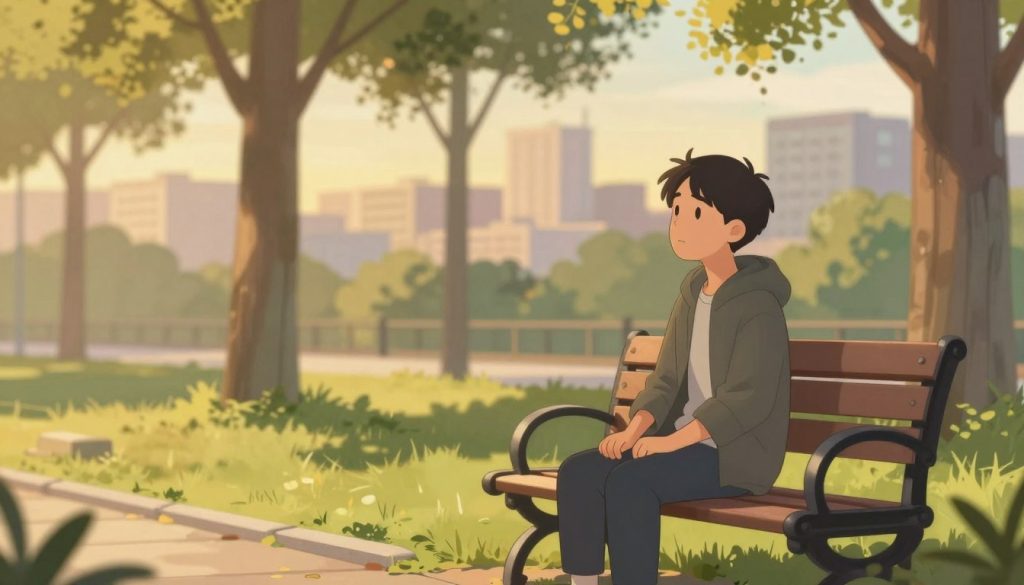
Loneliness is not just about being alone. It is the subjective feeling of distress when your social connections don’t match what you desire. As one psychologist noted,
“Loneliness is the perceived gap between relationships wanted and relationships had.”
This internal experience varies greatly between individuals.
Differentiating Isolation from Loneliness
Social isolation is different. It refers to an objective lack of social contact or relationships. One can be measured; the other is felt. The table below clarifies this key distinction:
| Aspect | Loneliness | Social Isolation |
|---|---|---|
| Nature | Subjective, emotional state | Objective, quantifiable condition |
| Measurement | Based on personal feelings | Based on social network size/contact frequency |
| Experience | Can feel lonely in a crowd | Can be isolated but not feel lonely |
This distinction is vital. Someone living remotely might enjoy solitude without loneliness. Conversely, a person at a busy party might feel profoundly alone. Recognising this difference helps researchers and clinicians develop better support strategies.
The impact of loneliness on mental health
Groundbreaking neurological studies are revealing how deeply our need for connection is wired into our biology. This isn’t just about feeling sad. Prolonged isolation triggers measurable, physical changes in how our brains function.

Key Research Findings
Modern science provides clear evidence for what many have felt: social pain is real pain. Research indicates that the brain’s social network activates the same areas during exclusion as it does with physical injury. One neuroscientist summarised it well:
“The brain doesn’t distinguish sharply between a broken bone and a broken heart. The alarm system is similar.”
When individuals experience social exclusion, their brains enter a hyper-alert state. This can lead to misinterpreting others’ intentions as threatening.
Chronic loneliness acts as a major stressor. It can initiate or worsen various mental health conditions over time. Clinicians note that connection isn’t just a preference. It’s a fundamental biological need for human health.
Understanding these findings is crucial. Addressing isolation is a necessary part of maintaining long-term psychological stability and public health.
Physical and Mental Health Consequences
Feeling chronically alone doesn’t just weigh on the mind. It imposes a measurable burden on physical wellbeing. The consequences are serious and affect multiple body systems.
This strain creates significant risks for long-term health. Both our bodies and minds suffer when social needs go unmet.
Cardiovascular and Physical Risks
Clinical data reveals stark physical health dangers. Social isolation and loneliness are tied to a 29% higher heart disease risk.
The chance of stroke rises by 32%. Prolonged loneliness also weakens immune function.
It leads to higher cortisol levels. This hormone is the body’s main stress chemical.
Psychological Implications
The mental health effects are equally severe. Strong links exist with clinical depression.
Generalised anxiety disorders are also common. These conditions can start a difficult cycle.
Symptoms often make maintaining friendships harder. This deepens the sense of isolation over time.
| Area Affected | Physical Consequences | Psychological Consequences |
|---|---|---|
| Primary Risks | 29% increased heart disease, 32% increased stroke risk | Higher rates of depression and anxiety disorders |
| Bodily Systems | Reduced immune function, elevated stress hormones | Negative thought patterns, social withdrawal |
| Long-Term Outcome | Premature mortality if untreated | Self-perpetuating cycle of loneliness |
Addressing these risks early is crucial. Leaving loneliness untreated can shorten life expectancy. Proactive steps protect overall health.
Loneliness Amid the COVID-19 Pandemic
Public health measures designed to save lives inadvertently fuelled a loneliness crisis. The covid-19 pandemic forced a sudden shift in how we live and connect.
Physical distancing became essential. This disruption left many feeling cut off from their usual support networks.
Pandemic-Induced Isolation
Lockdowns and stay-at-home orders defined this period. Daily routines vanished overnight.
For many, the lack of casual contact was deeply felt. A major 2021 online survey captured the scale.
It found that 36% of all Americans felt serious loneliness. Among young adults, this figure jumped to a striking 61%.
Long-Term Effects Post-Lockdown
Even as restrictions eased, the effects lingered. Many people continue to struggle with social withdrawal.
The transition back has been difficult. Some experience persistent anxiety about leaving their homes.
This time highlighted a fragile social fabric. Essential support systems collapsed quickly for vulnerable groups.
| Aspect | Pandemic-Induced Isolation | Long-Term Effects Post-Lockdown |
|---|---|---|
| Key Characteristic | Sudden, enforced physical distancing | Persistent anxiety and social hesitation |
| Primary Challenge | Disruption of all in-person routines | Rebuilding comfort with public spaces and gatherings |
| Lasting Legacy | Intensified global awareness of loneliness | Weakened community ties for some populations |
The pandemic years taught us a hard lesson. Social connection needs active maintenance, even after a crisis passes.
Risk Factors and Vulnerable Groups
Not everyone experiences disconnection equally. Systemic factors can heighten the risk for certain communities.
Understanding these vulnerable groups helps tailor support. Key risk factors include discrimination, language barriers, and major life transitions.
Marginalised Communities
Individuals from marginalised backgrounds often face compounded isolation. LGBTQ+ people, for instance, may experience stigma that limits social opportunities.
Immigrants confront unique challenges. Language differences and cultural adjustments can create barriers to forming local connections.
These situations significantly increase their loneliness risk.
Older Adults
Older adults are another high-risk group. The National Academies of Science, Engineering, and Medicine report more than one-third of adults aged 45 or older feel lonely.
Retirement, bereavement, and reduced mobility often shrink social networks. This can lead to profound isolation affecting both health and wellbeing.
| Vulnerable Group | Primary Risk Factors | Common Outcomes |
|---|---|---|
| Older Adults | Retirement, bereavement, mobility issues | Chronic loneliness, declined mental health |
| Immigrants | Language barriers, cultural adjustment | Social isolation, difficulty building community |
| LGBTQ+ Individuals | Social stigma, discrimination | Heightened loneliness risk, mental health strain |
Recognising these specific vulnerabilities is essential. Public health strategies must design interventions that reach the most isolated groups.
Recognising Symptoms of Loneliness
Spotting the signs of social disconnection can be challenging, as symptoms often develop gradually. Many individuals remain unaware of their internal distress. Recognising these signs is the vital first step towards recovery.
Behavioural Changes
Common behavioural symptoms include avoiding social interactions you once enjoyed. You might feel a sense of relief when plans are cancelled. This withdrawal can become a persistent pattern.
Emotional and Cognitive Signs
Emotional signs often involve persistent sadness or low self-esteem. There may be an unwillingness to share true feelings with others. Cognitive symptoms can include confused thinking or misinterpreting others’ intentions as threatening.
| Symptom Type | Common Signs | Potential Impact |
|---|---|---|
| Behavioural | Avoiding social events, cancelling plans | Increased isolation, reduced support network |
| Emotional | Persistent sadness, low self-worth | Risk to health and wellbeing |
| Cognitive | Confused thoughts, suspicion of others | Heightened feeling of isolation |
If you notice these indicators in yourself or someone else, acknowledge the feeling. Seeking appropriate support is crucial for improving health and reducing loneliness.
Loneliness in Different Age Groups
Two demographic groups—young adults and seniors—often report the highest levels of perceived social isolation. The challenges they face, however, stem from very different life stages.
Understanding these unique pressures is key to offering effective support.
Young Adults and Early Adulthood
This life phase brings immense pressure to build a career and find one’s social tribe. Constant comparison, especially online, can fuel feelings of disconnection.
Data from the Centres for Disease Control and Prevention highlights a serious concern. They found 63% of young adults suffer significant symptoms of anxiety or depression.
Seniors and Retirement
In later years, loneliness often arises from loss. Bereavement and friends moving away shrink social circles.
Physical limitations can also make getting out more difficult. This lack of meaningful connection can lead to a measurable decline in both mental and physical health.
| Age Group | Primary Challenges | Common Health Outcomes |
|---|---|---|
| Young Adults | Career pressure, social comparison, forming identity | High rates of anxiety, depressive symptoms |
| Seniors | Bereavement, reduced mobility, retirement transition | Increased risk of chronic health issues, cognitive decline |
Addressing these needs requires strategies tailored for each age group and their specific social landscape.
Social Media and Modern Isolation
Scrolling through feeds can feel like socialising, but it often masks a deeper void. A major 2018 Cigna survey of 20,000 adults revealed a stark truth. Nearly half reported they sometimes or always feel alone.
This highlights a modern paradox. Our tools for connection can sometimes fuel isolation.
Impact of Online Interactions
Platforms are engineered for engagement. Many people get a dopamine surge from likes and shares.
Yet, this quick hit fades. A deep sadness can follow when online life fails to meet personal expectations.
Relying on digital media as a substitute for real relationships is risky. It creates a false sense of connection that doesn’t satisfy core human needs.
Worse, if social media dictates one’s identity, it can trigger a crisis. This often worsens feelings of loneliness and social isolation.
| Aspect | Digital Connection | In-Person Relationship |
|---|---|---|
| Depth of Bond | Often curated, performance-based | Built on shared experience, vulnerability |
| Feedback Loop | Instant, quantifiable (likes, comments) | Nuanced, emotional, non-verbal cues |
| Impact on Identity | Can foster comparison, external validation | Supports authentic self, mutual acceptance |
| Long-term Satisfaction | Fleeting, can increase loneliness risk | Sustains mental and physical health |
Balance is vital. Use online tools to complement, not replace, real-world bonds. This protects your wellbeing.
Understanding Public Health Perspectives
The conversation around loneliness has moved from personal struggle to a recognised public health priority. Major medical bodies now frame widespread disconnection as a systemic threat requiring coordinated action.
AMA and Surgeon General Insights
The American Medical Association (AMA) officially identifies loneliness as a pressing public health issue. This policy shift acknowledges that it affects people of all ages and backgrounds.
U.S. Surgeon General Vivek H. Murthy has been a leading voice. He released a landmark advisory labelling loneliness and isolation as an epidemic.
“Social connection is a fundamental human need, as essential to survival as food, water, and shelter.”
These leaders emphasise that genuine bonds are a core requirement for population health. Their insights push for evidence-based efforts to combat this crisis.
| Aspect | Traditional Public Health Focus | Modern Integrated Approach |
|---|---|---|
| Primary Focus | Infectious disease, physical ailments | Social wellbeing and community cohesion |
| Key Interventions | Vaccination campaigns, treatment programmes | Community building, social prescribing, support groups |
| Outcome Measurement | Morbidity and mortality rates | Social connectedness metrics, quality of life surveys |
Framing loneliness as a public health priority advocates for systemic change. It highlights the need for resources to help those facing chronic isolation.
Coping Strategies and Self-Care Techniques
Effective self-care practises offer a powerful toolkit for combating the strain of feeling alone. Developing personal strategies is essential for managing stress during difficult periods.
These approaches help you regain a sense of control and improve your overall wellbeing.
Practical Self-Care Tips
Simple, consistent activities can regulate difficult feelings. Regular physical exercise is a cornerstone. It releases endorphins that naturally boost mood.
Mindfulness meditation helps calm an anxious mind. Just a few minutes daily can reduce the stress linked to isolation.
Keeping a journal is another valuable technique. Writing down thoughts provides clarity and emotional release.
Building Resilience
Creating a stable daily routine builds resilience. It provides structure and purpose during challenging times in your life.
Focus on cultivating a few quality relationships. A strong support network is a key protective factor for your health.
Proactive steps, like reaching out to a friend, cultivate the inner strength needed to navigate loneliness.
| Self-Care Activity | Primary Benefit | Recommended Frequency |
|---|---|---|
| Brisk Walking | Reduces stress hormones, improves mood | Daily, 20-30 minutes |
| Mindfulness Meditation | Enhances emotional regulation, decreases anxiety | Daily, 5-10 minutes |
| Gratitude Journaling | Shifts focus, counters negative thought patterns | 3-4 times per week |
| Scheduled Social Call | Maintains connection, provides support | Weekly |
Integrating these techniques into your life fosters resilience. They help you manage the health challenges posed by prolonged isolation.
Professional Support and Group Therapy Options
When self-help strategies fall short, consulting a therapist can provide the tools needed for meaningful change. Professional guidance offers a structured path out of the cycle of social withdrawal and distress.
Trained clinicians use evidence-based treatments to address root causes. Cognitive behavioural therapy (CBT) and exposure therapy are particularly effective for social anxiety and isolation.
When to Seek Help
If feelings of loneliness become severe or persistent, it’s time to consider professional support. Reaching out to a doctor or therapist is a critical step towards recovery.
Cognitive behavioural therapy helps individuals identify and reshape negative thought patterns. These patterns often contribute to isolation.
Group therapy provides a uniquely supportive environment. Participants share experiences with others facing similar mental health challenges.
Immediate action is crucial for extreme symptoms. Contact a health professional or crisis hotline if you experience hopelessness, depression or anxiety.
| Therapy Type | Primary Focus | Key Benefit |
|---|---|---|
| Cognitive Behavioural Therapy (CBT) | Identifying and changing negative thought patterns | Builds skills to manage social anxiety and break isolation cycles |
| Exposure Therapy | Gradual, controlled exposure to social situations | Reduces fear and avoidance behaviours linked to loneliness |
| Group Therapy | Shared experience and peer support | Creates a sense of belonging and reduces stigma |
A personalised plan from a professional can help you regain control. This support network is vital for long-term wellbeing.
Community Initiatives and Social Connectedness
Grassroots projects across the UK are demonstrating how purposeful connection can transform neighbourhoods. These local efforts form a vital community response to widespread loneliness. They create spaces where people can build bonds and find mutual support.
Creating Inclusive Communities
Building an inclusive community means acknowledging everyone’s needs. It ensures resources reach those who are marginalised or facing isolation. This approach makes sure all residents feel they belong and are valued.
Volunteering is a powerful way to add meaning to your life. It connects you with like-minded people who share your interests. This service fosters social connectedness and combats personal loneliness.
Investing in local social infrastructure supports individuals struggling with chronic loneliness. These collective efforts are essential for public health. They ensure no one suffers in silence due to social isolation.
Such initiatives promote long-term wellbeing and a richer community life. They address the root causes of disconnection. Ultimately, they build a healthier, more resilient society for everyone’s health.
Evidence-Based Interventions for Loneliness
Scientific inquiry is now yielding concrete methods to counteract the pervasive issue of feeling alone. Programmes built on solid evidence are crucial for addressing this complex public health challenge.
Rigorous study helps identify what truly works. It moves support beyond guesswork into reliable strategy.
Research-Backed Approaches
Structured social initiatives are a key focus of modern research. These programmes create regular, meaningful contact for participants.
They are designed using data on risk factors and individual needs. This ensures they tackle the root causes of social isolation.
Effective approaches often combine group activities with skill-building. This dual focus helps people form and sustain connections.
Intervention Outcomes
Measurable results show these strategies work. Participants often report improved mood and reduced anxiety.
Physical health markers can also improve. Chronic loneliness is linked to higher stress and inflammation.
Structured programmes help lower these risks. They foster a sense of belonging that protects long-term wellbeing.
| Intervention Type | Primary Focus | Key Health Outcome |
|---|---|---|
| Social Prescribing | Linking individuals to community groups | Reduces symptoms of depression and anxiety |
| Peer Support Groups | Shared experience and mutual aid | Decreases feelings of social isolation |
| Skills Training Workshops | Building confidence for social interaction | Improves self-efficacy and relationship quality |
Continued investment in these methods is vital. It helps create a future where social connection is prioritised for everyone’s health.
Conclusion
Ultimately, our shared humanity is the most powerful antidote to the silent epidemic of social isolation. Recognising the symptoms and understanding the risk factors are crucial first steps.
Protecting your wellbeing means taking action. Many pathways exist, from professional support to local community groups and personal self-care routines.
We must champion inclusive environments that help all people. Remember, reaching out is a sign of strength. You are not alone in this struggle.
Together, we can build a more connected society. Fostering genuine connections enriches life and safeguards both mental and physical health for everyone.

