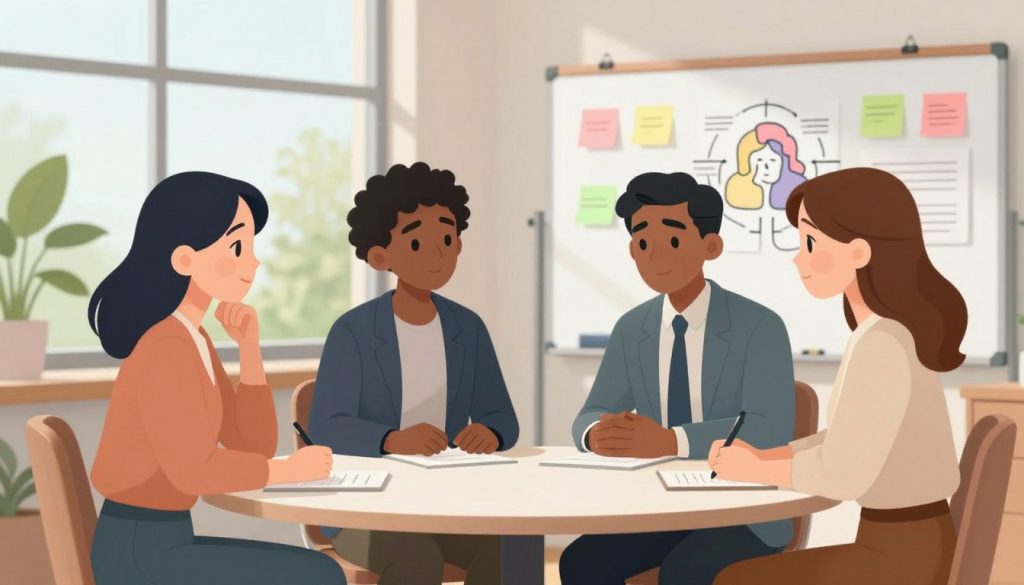
In our fast-paced society, prioritising our inner wellbeing has never been more vital. We often focus on physical fitness, yet we frequently overlook the quiet struggles that affect our daily lives. It is time to change that narrative.
Breaking the Stigma Around Mental Health is a journey we must take together. By fostering open conversations, we create a space where everyone feels safe to share their experiences without fear of judgement. This shift in perspective allows us to build a more compassionate community for our friends and neighbours.
Embracing mental health awareness helps us recognise that seeking support is a sign of true strength. When we speak openly, we dismantle barriers that keep people isolated. Let us work towards a future where kindness and understanding are at the centre of every interaction, ensuring that no one has to face their challenges alone.
Understanding the Roots of Mental Health Prejudice
The path toward progress begins by examining the deep-seated roots of mental health prejudice. By looking at how society has evolved, we can better identify the barriers that still exist today. Overcoming mental health stigma requires us to acknowledge that these negative attitudes did not appear overnight.
Historical perspectives on mental illness
For centuries, humanity often viewed mental health conditions through a lens of fear and superstition. In many historical periods, individuals experiencing psychological distress were frequently marginalised or treated with cruel indifference. These outdated beliefs created a legacy of shame that has proven difficult to dismantle.
Asylums were often designed to hide people away from the public eye rather than provide genuine care. This historical isolation fostered a culture where mental health was seen as a personal failing rather than a medical reality. Recognising this past is a vital step in overcoming mental health stigma for future generations.
The impact of media representation
Modern media often continues to rely on tired tropes that reinforce harmful stereotypes. Films and television programmes frequently depict characters with mental health conditions as unpredictable or dangerous. Such portrayals can deeply influence public perception, making it harder for people to seek the support they need.
When news outlets focus only on sensationalised stories, they ignore the lived experiences of millions. This constant repetition of negative imagery creates a barrier to empathy in our daily lives. By demanding more accurate and compassionate storytelling, we can begin to shift the narrative and foster a more inclusive society.
Breaking the Stigma Around Mental Health in Daily Life
Breaking the stigma around mental health starts with the quiet moments in our own lives. Our daily interactions form the foundation of how we perceive and treat those facing psychological challenges. By fostering a culture of kindness, we can create a safer space for everyone to exist without fear of judgement.
Challenging internalised shame
Many individuals carry a heavy burden of internalised shame, often believing that their struggles are a personal failure. This negative self-talk acts as a barrier to healing and prevents people from reaching out for support. Recognising these thoughts as symptoms rather than character flaws is a vital step toward recovery.
You can challenge this shame by practising self-compassion and reframing your inner narrative. When you notice a harsh thought, try to treat yourself with the same kindness you would offer a dear friend. This shift in perspective is essential for breaking the stigma around mental health from the inside out.
How language shapes our perceptions
The words we choose in casual conversation carry significant weight. Language does more than describe our reality; it actively shapes how we view others and ourselves. Using careless or derogatory terms can reinforce harmful stereotypes that persist in our communities.
Replacing stigmatising labels with person-first language
One of the most effective ways to change the narrative is by adopting person-first language. Instead of defining someone by their condition, we should focus on the individual. For example, saying “a person living with depression” is far more empowering than using a label that reduces them to a diagnosis.
By consciously choosing our vocabulary, we contribute to breaking the stigma around mental health in our own circles. Small adjustments in how we speak can lead to profound changes in how we relate to one another. Let us commit to using language that promotes dignity, respect, and genuine understanding every single day.
The Role of Mental Health Education in Schools and Workplaces
Transforming our culture begins with how we teach and support one another. By prioritising mental health education, we can equip individuals with the tools needed to navigate life’s challenges with confidence. This proactive approach helps to normalise conversations about wellbeing in every setting.
Integrating mental health literacy into the curriculum
Schools play a vital role in shaping the emotional intelligence of the next generation. Integrating mental health literacy into the national curriculum allows pupils to understand their feelings from a young age. This foundation helps young people develop emotional resilience, which is essential for long-term success.
When children learn to identify signs of distress, they are better prepared to seek help for themselves or their peers. Providing this mental health education early on removes the mystery surrounding psychological struggles. It turns the classroom into a safe space for growth and self-discovery.
Creating supportive environments for employees
The workplace is another critical arena where we can foster positive change. Employers have a unique opportunity to build cultures that value mental wellbeing as much as productivity. A supportive environment encourages staff to speak openly without the fear of professional repercussions.
Companies that invest in their people often see higher levels of engagement and loyalty. By offering flexible working arrangements and regular check-ins, businesses demonstrate that they truly care about their team. This shift in perspective is fundamental to reducing workplace stress and burnout.
Implementing mental health first aid programmes
Practical initiatives are necessary to turn good intentions into real-world support. Implementing mental health first aid programmes ensures that trained individuals are available to provide immediate assistance. These programmes teach staff how to recognise the early warning signs of a crisis.
Having a designated first aider provides a safety net for those who might otherwise suffer in silence. This structured approach to mental health education empowers employees to support one another effectively. It is a simple yet powerful way to ensure that help is always within reach.
Challenging Mental Health Stereotypes Through Open Dialogue
When we share our stories, we begin to bridge the gap between misunderstanding and compassion. Open dialogue acts as a vital tool for challenging mental health stereotypes that have persisted for far too long. By speaking honestly, we dismantle the barriers that keep people isolated and afraid.
The power of sharing personal stories
Personal narratives have a unique ability to humanise the experience of living with a mental health condition. When someone shares their journey, it transforms abstract labels into relatable human experiences. This process is essential for fighting mental health stigma in our local communities.
Hearing a friend or colleague speak openly can shift perspectives instantly. It reminds us that mental health struggles do not define a person’s worth or capabilities. Authentic storytelling invites others to reflect on their own biases and encourages a more inclusive culture.
Active listening as a tool for empathy
Dialogue is not just about speaking; it is equally about listening with intent. Active listening allows us to validate the experiences of others without the need for immediate solutions or judgement. It is a powerful way to build genuine connections and foster deep empathy.
By giving someone our full attention, we show them that their voice matters. This practice is fundamental when challenging mental health stereotypes in everyday interactions. It creates a foundation of trust where people feel safe enough to be their true selves.
Creating safe spaces for vulnerable conversations
To encourage openness, we must intentionally build environments where people feel heard and respected. A safe space is one where vulnerability is met with kindness rather than criticism. This is a critical step in fighting mental health stigma across all areas of life.
You can foster these spaces by setting clear boundaries and maintaining confidentiality. Encourage others to speak at their own pace and honour their courage in coming forward. When we prioritise safety, we empower individuals to share their truths without fear of being misunderstood.
Promoting Mental Health Acceptance in Local Communities
Promoting mental health acceptance begins with the people we see every day. Local neighbourhoods serve as the foundation of our social support systems, offering a unique space to foster genuine understanding. When we work together, we ensure that no one has to face their personal struggles in isolation.
Supporting local mental health charities and organisations
One of the most effective ways to make a difference is by supporting local mental health charities and organisations. These groups provide essential services that are often tailored to the specific needs of your area. Whether you choose to volunteer your time or offer a small donation, your contribution helps keep these vital resources running.
By backing these organisations, you help strengthen the safety net for your neighbours. Many local charities rely on the generosity of residents to continue their work. Engaging with them is a practical step toward building a more compassionate society.
Organising community awareness events
Bringing neighbours together for a common cause is a powerful way to boost mental health awareness. You might consider hosting a coffee morning, a charity walk, or an open talk at a local community centre. These gatherings create a safe space for people to share their experiences without fear of judgement.
When we host these events, we normalise conversations about wellbeing. Creating these connections helps break down the barriers that often prevent people from seeking help. Ultimately, consistent efforts in promoting mental health acceptance at a local level lead to a healthier, more inclusive community for everyone.
Overcoming Barriers to Seeking Professional Help
Taking the first step toward professional mental health support is a profound act of courage. While the desire to heal is strong, many individuals encounter significant obstacles that make the process feel overwhelming. Overcoming mental health stigma is essential to ensuring that everyone feels empowered to access the care they truly deserve.
Navigating the NHS mental health services
The primary gateway to support in the United Kingdom is usually your local GP surgery. You can book an appointment to discuss your feelings, and your doctor can provide a referral to specialist services if necessary. Do not hesitate to be honest about your symptoms, as this helps them provide the most appropriate care.
Many areas also offer self-referral options for psychological therapies, often known as IAPT services. You can search for these services online through the NHS website to see what is available in your local area. Taking control of your referral can often speed up the process and help you feel more involved in your recovery journey.
Addressing the fear of being judged
It is completely natural to worry about how others might perceive your decision to seek help. However, healthcare professionals are trained to listen without bias and provide a safe, confidential space for you to talk. Your wellbeing is their only priority, and they see people from all walks of life every single day.
Remember that reaching out for support is a sign of strength, not a weakness. By overcoming mental health stigma, you contribute to a culture where seeking help is viewed as a normal and healthy part of life. You are not alone in this experience, and there is a dedicated team ready to support you on your path to wellness.
The Importance of Mental Health Advocacy
Advocacy serves as the heartbeat of progress in our journey toward a more inclusive society. By speaking up, we challenge outdated norms and push for a world where mental well-being is treated with the same urgency as physical health. Engaging in mental health advocacy allows us to turn personal experiences into powerful tools for systemic improvement.
Influencing policy and public opinion
Real change often starts at the legislative level, where policies dictate the quality and accessibility of care. When citizens contact their local MPs or participate in public consultations, they help ensure that mental health remains a top priority on the national agenda. Collective action is essential for fighting mental health stigma and securing the funding necessary for better services.
Public opinion is equally vital, as it shapes the culture of our workplaces and schools. By sharing accurate information and challenging misconceptions in our social circles, we contribute to a broader shift in societal attitudes. This grassroots approach is a cornerstone of ending mental health stigma across the United Kingdom.
Supporting friends and family members
Advocacy is not just about large-scale policy; it is also about the support we provide to those closest to us. When a loved one struggles, your willingness to listen without judgement can be a lifeline. Offering a safe space for them to express their feelings is a profound act of care that reinforces the importance of mental health advocacy in daily life.
It is important to remember that you do not need to be an expert to offer meaningful support. Simply being present and validating their experience can make a significant difference in their recovery journey. By fostering an environment of openness, we play a direct role in ending mental health stigma within our own homes and communities.
Building a Future Defined by Compassion and Understanding
Creating a society that values mental wellbeing requires a shared commitment from every individual. We hold the power to transform our culture by choosing empathy over judgement in our daily interactions. Ending mental health stigma starts with the small, deliberate choices we make when we speak to our neighbours and colleagues.
Real change relies on our collective ability to sustain these efforts over time. Organisations like Mind and Rethink Mental Illness provide vital frameworks, yet the true shift happens within our own circles of influence. By normalising honest conversations, we dismantle the barriers that keep people from seeking the support they deserve.
Our journey toward a more inclusive world is ongoing. Every act of kindness contributes to a broader movement of acceptance across the United Kingdom. Ending mental health stigma remains a vital goal that demands our persistent dedication to openness and care. Let us continue to advocate for one another to ensure that no one feels isolated in their struggle.