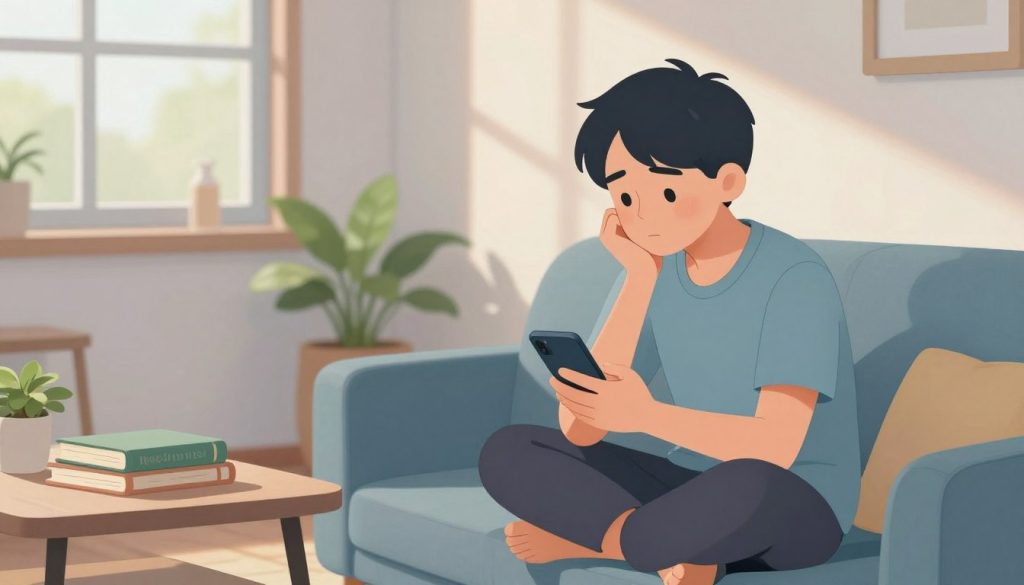
Protecting our inner peace is vital in this connected age. This guide examines online consequences to help you stay balanced. Recognising these effects allows us to make better choices for our future happiness.
Modern life in Britain demands constant connectivity with friends plus colleagues. However, such constant engagement can sometimes feel overwhelming or draining. It is important to step back and assess how we feel after using various apps.
Understanding these connections provides us with the tools to thrive online. We can learn to enjoy our favourite platforms without sacrificing our psychological wellbeing.
Let us explore how to maintain a positive mindset in a digital world. Finding harmony within our screens ensures that technology enhances our lives rather than diminishing our spirit.
1. Understanding Social Media and Mental Health: The Complex Connection
As social media continues to permeate every aspect of our lives, understanding its impact on mental health has become a pressing concern. The digital world is evolving rapidly, and with it, the ways in which we interact with each other and perceive ourselves.
The Digital Landscape of Modern Britain
The UK is one of the most digitally connected countries, with a significant portion of the population using social media platforms daily. This widespread adoption has transformed how we communicate, access information, and present ourselves to the world. The digital landscape is not just a backdrop for social interaction; it’s an environment that influences our behaviors, perceptions, and potentially, our mental health.
Why This Relationship Matters to Your Wellbeing
Understanding the dynamics between social media and mental health is crucial because it can have profound implications for our wellbeing. The content we consume, the interactions we have, and even the time we spend on these platforms can affect our mood, self-esteem, and overall mental health. Being aware of these factors can help individuals make informed choices about their social media use.
The Two-Way Street: How Mental Health and Social Media Influence Each Other
The relationship between social media and mental health is not unidirectional; it’s a complex interplay where each can influence the other. For instance, individuals experiencing mental health issues may use social media differently than those who are mentally well. Conversely, the way we use social media can impact our mental health, either positively or negatively, depending on how we engage with it.
2. The Mental Health Effects of Social Media: Navigating the Challenges
Social media’s influence on mental wellbeing is a complex issue that requires careful examination. The digital landscape is continually evolving, and understanding its impact on mental health is crucial for mitigating potential negative effects.
Anxiety, Depression, and the Scroll Effect
The endless scroll through social media feeds can have a profound impact on mental health, contributing to increased feelings of anxiety and depression. The constant exposure to curated and manipulated content can create unrealistic expectations and a distorted view of reality.
The Fear of Missing Out (FOMO) Phenomenon
FOMO, or the fear of missing out, is a significant contributor to anxiety among social media users. Seeing others’ experiences and feeling left out can exacerbate feelings of inadequacy and low self-esteem. Recognising the signs of FOMO is the first step in managing its impact on mental health.

Social Comparison and the Impact on Self-Worth
Social media platforms showcase the highlight reels of other people’s lives, making it easy to fall into the trap of social comparison. This can have a detrimental effect on self-worth, as individuals compare their behind-the-scenes moments to others’ curated successes.
The Highlight Reel vs Reality Problem
The disparity between the curated online personas and real-life experiences can lead to unrealistic comparisons and a distorted self-image. Understanding that social media often presents a biased view of others’ lives is crucial for maintaining a healthy self-esteem.
Sleep Disruption and Mental Health Consequences of Social Media
Exposure to screens and the constant notifications from social media can interfere with sleep patterns, leading to sleep disruption. This, in turn, can have significant consequences for mental health, including increased symptoms of depression and anxiety.
Cyberbullying and Online Harassment in the UK
Cyberbullying and online harassment are serious issues that can have a profound impact on mental health. The anonymity of the internet can facilitate abusive behaviour, making it essential to address these issues through education and awareness.
By understanding the various challenges posed by social media, individuals can take steps to mitigate its negative effects on mental health. This includes being aware of the potential for anxiety, depression, social comparison, sleep disruption, and cyberbullying, and taking proactive measures to manage these risks.
3. Mental Health Benefits of Social Media: The Overlooked Positives
While social media often gets a bad rap for its impact on mental health, it also has a number of benefits that are frequently overlooked. As we navigate the complexities of the digital age, it’s essential to consider both sides of the coin. Social media is a multifaceted tool that, when used thoughtfully, can have a positive impact on our mental wellbeing.
Building Meaningful Connections and Support Networks
One of the most significant mental health benefits of social media is its ability to connect people and foster supportive communities. Online platforms can provide a sense of belonging and reduce feelings of loneliness, particularly for those who are isolated due to geographical or social circumstances.
Finding Your Community Online
Social media platforms host numerous groups and forums dedicated to various interests and causes. For individuals dealing with mental health issues, these online communities can be a lifeline, offering a space to share experiences, seek advice, and find solidarity. By joining these groups, individuals can connect with others who understand their challenges, thereby building a support network that transcends geographical boundaries.
Accessing Mental Health Resources and Breaking Stigma
Social media has also become an invaluable resource for accessing mental health information and support. Many organisations and mental health professionals use these platforms to share helpful content, provide guidance, and raise awareness about mental health issues. This increased accessibility can help demystify mental health and encourage individuals to seek help when needed.
Furthermore, social media can play a crucial role in breaking down the stigma associated with mental health. By sharing personal stories and experiences, individuals can help normalise discussions around mental health, fostering a more supportive and understanding environment.
Creative Self-Expression and Personal Growth
Additionally, social media offers a range of creative outlets that can contribute to personal growth and improved mental wellbeing. Through blogging, art, photography, and other forms of creative expression, individuals can process their emotions and develop a greater sense of self-awareness. This creative expression can be both therapeutic and empowering, providing a healthy outlet for emotions and experiences.
By acknowledging and leveraging the positive aspects of social media, we can work towards a healthier relationship between technology use and mental health. It’s about finding a balance and using these platforms in a way that supports our wellbeing.
4. Social Media Addiction and Mental Health: Recognising Problematic Patterns
Social media addiction is a growing issue that affects not just our online behaviour but also has significant implications for our mental health. As we increasingly integrate social media into our daily routines, it’s essential to understand the signs of dependency and the potential consequences for our wellbeing.
The Signs of Social Media Dependency
Identifying social media dependency is the first step towards managing its impact on mental health. Excessive social media use can manifest in various ways, including an inability to stop or reduce usage despite negative effects on daily life.
Common Behavioural Red Flags
Several behavioural patterns can indicate social media dependency, such as:
- Spending increasing amounts of time on social media platforms.
- Feeling anxious or uneasy when unable to check notifications.
- Using social media as an escape from negative emotions or to alleviate boredom.
- Neglecting offline activities and social interactions due to social media use.
How Excessive Use Rewires Your Brain
Excessive social media use can rewire the brain, potentially leading to changes in how we process information and interact with others. Constant notifications can activate the brain’s reward system, releasing feel-good chemicals such as dopamine, which can encourage further usage.
The Amplification Effect on Existing Mental Health Conditions
For individuals with pre-existing mental health conditions, excessive social media use can amplify symptoms. For example, people experiencing anxiety may find that social media use exacerbates their feelings of inadequacy or fear of missing out (FOMO).
By understanding the signs of social media dependency and its effects on mental health, individuals can take the first steps towards healthier social media habits.
5. Managing Mental Health on Social Media: Building Healthier Digital Habits
Developing healthier digital habits is crucial for managing mental health on social media. By being mindful of your online interactions and setting boundaries, you can mitigate the negative effects of social media on your mental wellbeing.
To start, consider limiting your social media use to specific times of the day. This can help reduce the constant stream of information and allow for more time offline. Additionally, curating your feed by unfollowing or muting accounts that trigger negative emotions can significantly improve your online experience.
Engaging in online communities that promote positive interactions and support can also be beneficial. Organisations such as Mind and Rethink Mental Illness offer valuable resources and forums for discussing mental health. By taking control of your social media use, you can create a healthier online environment that supports your mental health.
Ultimately, managing mental health on social media is about finding a balance that works for you. By being aware of the potential impacts of social media and mental health, you can make informed choices to protect your wellbeing.