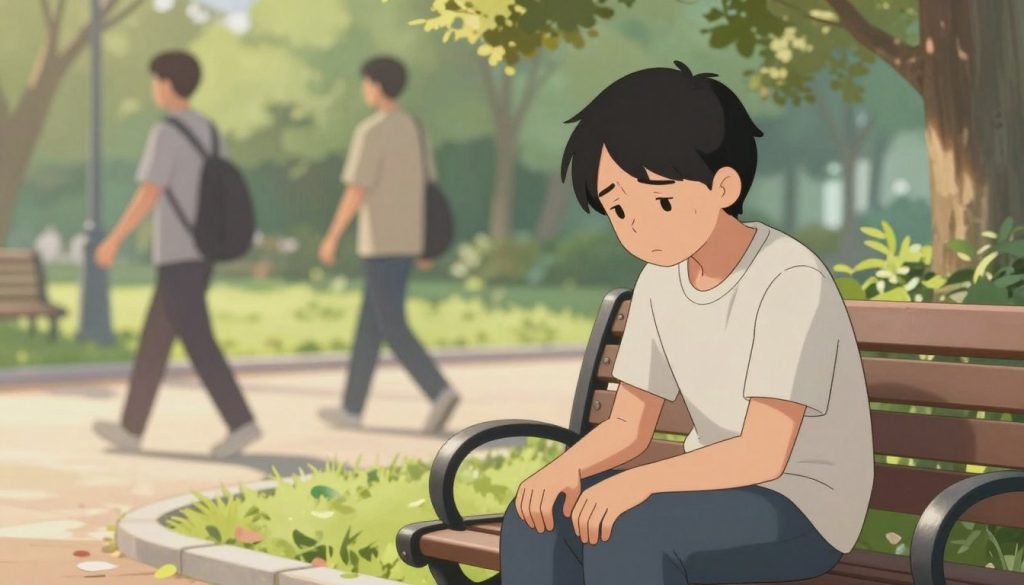
Many people mistakenly believe that post-traumatic stress disorder is simply a collection of unpleasant memories that fade with time. In reality, this condition is a complex mental health challenge that affects how your brain processes safety and danger. It is not a sign of weakness, but rather a natural response to an unnatural event.
Recognising that you are struggling is the first step towards healing. When you choose to seek professional support, you demonstrate incredible personal strength. You do not have to navigate these difficult feelings alone, as effective treatments are available to help you regain control of your life.
Understanding that PTSD is a manageable condition allows you to move forward with hope. By prioritising your mental wellbeing, you can begin to process your experiences in a safe and supportive environment. Remember, reaching out for help is always a brave and positive choice.
Understanding the Reality of PTSD
Post-traumatic stress disorder is a complex condition that affects the mind and body in profound ways. It is not merely a reaction to a difficult event, but a significant change in how the brain processes information and safety.
By looking at the clinical reality of this condition, we can begin to dismantle the stigma that often surrounds mental health in the United Kingdom. Understanding the facts is the first step toward fostering a more supportive and informed society.
Defining Post-Traumatic Stress Disorder
At its core, post-traumatic stress disorder is a mental health condition triggered by a terrifying event. Whether experienced or witnessed, the impact of such an event can be overwhelming for the nervous system.
Clinically, PTSD is recognised when symptoms persist for more than a month and significantly interfere with daily life. It is a natural response to an unnatural situation, where the brain remains stuck in a state of high alert.

Why It Is More Than Just Bad Memories
Many people assume that trauma is simply a memory that one chooses to dwell upon. In reality, PTSD involves deep physiological shifts that make the past feel like it is happening in the present moment.
When the brain processes trauma, the fight-or-flight response becomes hypersensitive. This means that even small triggers can cause the body to react as if it is in immediate danger, leading to intense physical and emotional distress.
Because these reactions are involuntary, they are far more than just bad memories. Recognising that this is a biological response helps those affected understand that their struggles are valid and treatable.
Recognising Common PTSD Symptoms
Identifying common ptsd symptoms is an essential step for anyone seeking clarity about their mental health. These signs often manifest in distinct patterns that can significantly impact your daily life and overall wellbeing. By learning to label these experiences, you can better communicate your needs to healthcare professionals.
Intrusive Thoughts and Flashbacks
Many individuals find themselves involuntarily re-experiencing traumatic events through vivid, distressing memories. These intrusive thoughts can appear without warning, often triggered by sights, sounds, or smells that remind the brain of the past. Flashbacks may feel so real that you lose touch with your current surroundings, leading to intense feelings of fear or panic.
Avoidance Behaviours and Emotional Numbing
To cope with the pain of these memories, it is common to develop avoidance behaviours. You might find yourself steering clear of specific places, people, or activities that serve as reminders of the trauma. This protective mechanism often leads to emotional numbing, where you feel detached from others or unable to experience positive emotions as you once did.
Hyperarousal and Physical Reactions
Living with ptsd symptoms often means your body remains in a constant state of high alert. This state, known as hyperarousal, can make it difficult to concentrate or fall asleep at night. You may notice that you are easily startled by loud noises or sudden movements, as your nervous system struggles to distinguish between safety and danger.
The Underlying Causes and Triggers
Exploring the origins of post-traumatic stress disorder helps us see the condition through a clearer, more compassionate lens. It is vital to recognise that these reactions are not signs of weakness, but rather the body’s natural attempt to survive an overwhelming situation.
Common Traumatic Events
There is a wide range of ptsd causes that can lead to long-term psychological distress. These often include life-altering events such as serious road traffic accidents, physical or sexual violence, and unexpected bereavement.
Other significant triggers might involve natural disasters, combat exposure, or witnessing a traumatic incident involving others. Every individual processes these events differently, and what one person finds manageable, another may find deeply destabilising.
How the Brain Processes Trauma
To understand PTSD, we must look at how the brain functions during and after a crisis. When we face danger, the amygdala acts as an alarm system, triggering a rapid fight-or-flight response to keep us safe.
In a healthy state, the hippocampus helps us process these memories and store them as past events. However, during severe trauma, this process can become disrupted, causing the brain to keep the memory in a constant state of “now.”
This biological mechanism explains why intrusive thoughts occur, as the brain struggles to file the experience away. Recognising these physical processes is a powerful way to remove the sense of personal blame that many people feel when living with post-traumatic stress disorder.
By viewing these symptoms as a biological response rather than a character flaw, individuals can begin to approach their recovery with greater kindness. Understanding the root of PTSD is a fundamental step in reclaiming one’s sense of safety and control.
Navigating the Path to a Formal Diagnosis
Seeking a formal ptsd diagnosis is a brave and vital step toward reclaiming your well-being. It is natural to feel uncertain about where to start, but reaching out for support is a sign of strength rather than weakness.
When your daily life, work, or personal relationships begin to suffer, it is time to take action. You deserve to feel better, and professional guidance can provide the clarity you need to move forward.
When to Seek Professional Help
If you find that symptoms of PTSD are becoming difficult to manage on your own, your first point of contact should be your local GP. They act as the gateway to specialist mental health services within the NHS.
Do not wait for your symptoms to become overwhelming before you speak up. If you notice that you are struggling to sleep, feeling constantly on edge, or withdrawing from loved ones, consulting a doctor is the right choice.
The Diagnostic Process in the UK
Understanding post-traumatic stress disorder is the primary goal of your initial assessment. During your appointment, a GP will listen to your experiences and may use standardised screening tools to evaluate your mental health.
If the GP suspects you have PTSD, they will refer you to a local mental health team for a more detailed evaluation. This process is designed to ensure you receive the most appropriate care for your specific needs.
Remember that you are your own best advocate during this journey. Being open and honest about your feelings helps the professionals provide the best support for your post-traumatic stress disorder recovery.
Evidence-Based PTSD Treatment Options
Navigating the path to healing involves evidence-based therapies designed for lasting change. When you seek ptsd treatment, you gain access to clinical methods that have been rigorously tested for safety and effectiveness. These approaches help the brain process difficult memories in a controlled environment.
Cognitive Behavioural Therapy (CBT)
CBT is widely considered a gold-standard ptsd therapy for those struggling with the aftermath of trauma. This structured approach helps you identify and challenge negative thought patterns that keep you stuck in the past. By changing these cognitive habits, you can significantly reduce the intensity of your symptoms.
During sessions, you will work with a therapist to develop practical coping skills. These tools are highly effective for managing daily anxiety and emotional distress. It is a collaborative process that empowers you to take charge of your recovery journey.
Eye Movement Desensitisation and Reprocessing (EMDR)
EMDR is a specialised form of PTSD therapy that focuses on how the brain stores traumatic memories. It uses bilateral stimulation, such as eye movements, to help your mind reprocess distressing events. This allows the brain to “file away” the memory so it no longer feels like a present threat.
Many people find that EMDR provides relief when traditional talk therapies feel overwhelming. It is a gentle yet powerful way to address the root causes of post-traumatic stress disorder. You do not need to speak in great detail about the trauma for this method to work.
Medication and Pharmacological Support
Sometimes, medication plays a vital role in a comprehensive ptsd treatment plan. While pills cannot erase the past, they can help stabilise your mood and reduce physical symptoms like insomnia or severe panic. A GP or psychiatrist will work with you to find the right balance for your specific needs.
It is important to remember that medication is often most effective when combined with psychological support. Managing post-traumatic stress disorder is a personal process, and your treatment plan should be tailored to your unique situation. Always consult with a healthcare professional to discuss the best options for your long-term health and well-being.
Practical Strategies for Daily Management
Living with the effects of trauma is challenging, but practical tools can make a real difference. When you are navigating the complexities of PTSD, focusing on small, manageable changes can help you regain a sense of stability in your day-to-day life.
Grounding Techniques for Anxiety
When anxiety spikes or you feel disconnected from your surroundings, grounding techniques act as a vital anchor. These methods help pull your focus back to the present moment by engaging your senses. You might try the 5-4-3-2-1 technique, where you identify five things you can see, four you can touch, three you can hear, two you can smell, and one you can taste.
Effective ptsd management often relies on these quick, accessible tools to interrupt the cycle of distress. By grounding yourself, you teach your brain that you are safe in the current environment. This practice is a powerful way to reduce the intensity of physical symptoms during difficult moments.
The Importance of Routine and Sleep Hygiene
Establishing a predictable daily routine provides a sense of safety that is often disrupted by post-traumatic stress disorder. Consistency helps your nervous system feel more secure, as it reduces the number of unexpected transitions throughout the day. Try to wake up and go to bed at the same time, even on weekends.
Prioritising sleep hygiene is equally essential for your recovery. Create a calming environment by dimming the lights and avoiding screens an hour before bed. A restful night significantly improves your ability to cope with emotional challenges the following day.
Building a Personalised Self-Care Plan
Everyone experiences PTSD differently, so your self-care plan should be tailored to your unique needs. Start by identifying activities that bring you comfort, such as gentle exercise, journaling, or spending time in nature. It is important to be kind to yourself when you are building these new habits.
Consistency is the key to successful ptsd management over the long term. Do not feel pressured to do everything at once; instead, add one small, positive action to your day at a time. Over time, these small efforts will build a stronger foundation for your wellbeing.
Finding Support and Community Resources
Finding the right support network can transform your experience with post-traumatic stress disorder. You do not have to navigate this path in isolation, as many people share similar journeys and understand the weight of your experiences.
Connecting with Support Groups
Joining a peer-led group allows you to share your story in a safe, non-judgmental environment. These groups provide invaluable emotional comfort by connecting you with others who truly grasp the complexities of living with PTSD.
Regular meetings help to reduce feelings of loneliness and foster a sense of belonging. By sharing coping strategies, members often find new ways to manage their daily symptoms effectively.
Utilising NHS and Charity Services
In the United Kingdom, the NHS offers structured pathways to professional ptsd support. Your GP serves as the primary gateway to accessing specialised mental health services, including trauma-focused therapy.
Beyond the NHS, national charities such as Mind and Combat Stress provide dedicated resources for those affected by trauma. These organisations offer helplines, online forums, and tailored programmes designed to assist you in your recovery from post-traumatic stress disorder.
Utilising these professional services ensures you receive evidence-based care alongside community support. Taking this step is a powerful act of self-care that strengthens your long-term resilience and well-being.
Embracing Hope and Long-Term Recovery
Healing from trauma is a path that unfolds at your own pace. Every small step you take toward wellness represents a victory over the challenges of PTSD. You possess the inner strength to navigate this process with grace and determination.
Managing post-traumatic stress disorder requires patience and a gentle approach to your own needs. It is vital to remain kind to yourself during difficult days. Your commitment to self-care serves as the foundation for lasting change and emotional stability.
Professional guidance from organisations like Mind or the NHS provides a reliable safety net for your recovery. You are not alone in this experience. Reaching out for support remains a powerful act of courage that opens doors to a brighter future.
Focus on the progress you make rather than the speed of your journey. A life defined by resilience and peace is entirely possible. Keep moving forward with the knowledge that healing is a continuous and achievable goal for everyone living with post-traumatic stress disorder or PTSD.