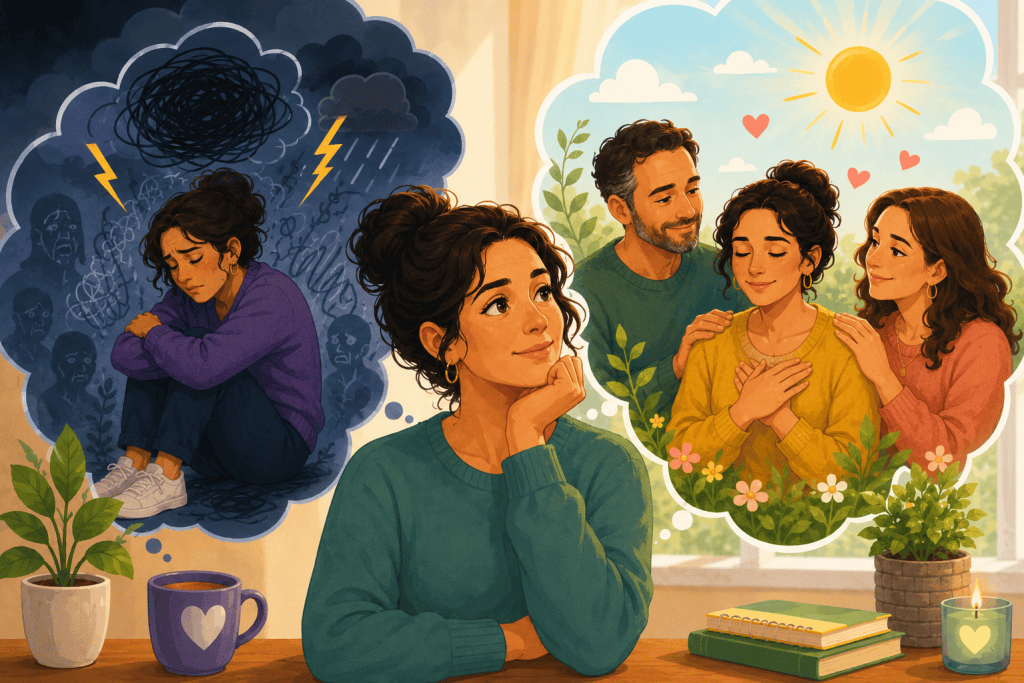
Post-traumatic stress disorder, often called PTSD, is a mental health condition that can develop after someone experiences or witnesses a traumatic event. Complex PTSD, often called CPTSD or C-PTSD, is closely related, but it usually develops after repeated, prolonged, or inescapable trauma.
The two conditions share many symptoms, and both can have a serious impact on daily life, relationships, sleep, confidence, and emotional wellbeing. However, Complex PTSD often includes deeper difficulties with emotional regulation, self-worth, trust, and relationships.
Understanding the difference between PTSD and Complex PTSD can help people make sense of their experiences and seek the right support. It is important to remember that only a qualified mental health professional can diagnose PTSD or Complex PTSD. But learning about the signs can help people recognise when they may need help.
What Is PTSD?
PTSD can develop after a traumatic experience. This might include military combat, sexual assault, domestic abuse, a serious accident, a violent attack, witnessing death or serious injury, a medical emergency, a disaster, or another event that felt terrifying, overwhelming, or life-threatening.
Not everyone who experiences trauma develops PTSD. Many people feel distressed after trauma but gradually recover with time, safety, and support. PTSD happens when the brain and body remain stuck in survival mode after the danger has passed.
The NHS explains that symptoms of PTSD can include avoiding reminders of the trauma, negative thoughts or beliefs about yourself, difficulties with relationships, feeling disconnected from yourself or the world, and difficulty controlling emotions.
A person with PTSD may feel as though the trauma is still happening, even when they are safe. Their nervous system may remain on high alert. They may react strongly to sounds, smells, places, people, dates, or situations that remind them of what happened.
Common Symptoms of PTSD
PTSD symptoms can vary, but they often fall into several areas.
A person may re-experience the trauma through flashbacks, nightmares, intrusive memories, or intense emotional and physical reactions when reminded of what happened. A flashback can feel as if the trauma is happening again in the present moment.
They may avoid reminders of the trauma. This could mean avoiding certain places, people, conversations, films, smells, sounds, or activities. Some people also try to avoid thoughts and feelings connected to the trauma by staying busy, shutting down emotionally, drinking more alcohol, or using other ways to numb themselves.
They may feel constantly alert or on edge. This is sometimes called hyperarousal. It can include being easily startled, feeling tense, struggling to sleep, feeling irritable, scanning for danger, or finding it hard to relax.
They may also experience changes in mood and thinking. This might include guilt, shame, anger, sadness, feeling detached, blaming themselves, losing interest in life, or finding it difficult to trust others.
PTSD is not simply a memory of something bad. It is a condition where the trauma continues to affect the mind and body long after the event.
What Is Complex PTSD?
Complex PTSD includes the core symptoms of PTSD, but it also includes additional difficulties that often develop after long-term or repeated trauma.
NICE explains that Complex PTSD can develop in a subset of people with PTSD and is recognised in ICD-11. It is often linked with prolonged or repetitive traumatic events where escape is difficult or impossible, such as torture, slavery, genocide campaigns, prolonged domestic violence, or repeated childhood sexual or physical abuse.
The UK Trauma Council explains that, under ICD-11, Complex PTSD includes the same core symptoms as PTSD, plus three additional groups of symptoms sometimes called “disturbances in self-organisation”.
These additional difficulties usually involve problems regulating emotions, a deeply negative view of the self, and difficulties in relationships.
Complex PTSD can happen when trauma is not a single event but a repeated experience. It is especially common when the trauma happens in childhood, within relationships, or in situations where the person could not easily escape. This can affect how a person learns to see themselves, other people, safety, trust, and the world.
The Main Difference: The Type and Pattern of Trauma
One of the main differences between PTSD and Complex PTSD is the type of trauma that often leads to them.
PTSD can develop after a single traumatic event. For example, a car accident, assault, medical emergency, combat incident, sudden death, or witnessing something horrific.
Complex PTSD is more often linked to repeated, long-lasting, or inescapable trauma. This may include childhood abuse, neglect, domestic abuse, coercive control, trafficking, torture, captivity, repeated sexual abuse, prolonged bullying, or living in a violent or highly unpredictable environment.
That does not mean the distinction is always simple. A person can develop PTSD after repeated trauma, and a person can experience deep emotional impact after one event. Trauma affects people differently. However, Complex PTSD is usually associated with trauma that is chronic, interpersonal, and difficult to escape.
PTSD Is Often About Fear. Complex PTSD Is Often About Fear and Identity
PTSD often centres on the trauma memory and the body’s fear response. The person may feel unsafe, threatened, or triggered by reminders of what happened.
Complex PTSD includes this, but it can also affect a person’s sense of identity. Someone with Complex PTSD may not only think, “Something terrible happened to me.” They may feel, “Something is wrong with me.”
This is one of the most painful parts of Complex PTSD. When trauma is repeated, especially during childhood or within close relationships, the person may internalise blame and shame. They may believe they are worthless, damaged, unlovable, weak, or responsible for what happened.
NHS Inform lists CPTSD symptoms such as shame or guilt, difficulty controlling emotions, dissociation, relationship difficulties, destructive or risky behaviour, distrust of the world, and constant feelings of emptiness or hopelessness.
These symptoms can make Complex PTSD feel deeply personal. It can affect how someone sees themselves every day, not only how they respond to trauma reminders.
Emotional Regulation Difficulties
People with PTSD can experience strong emotions, including fear, anger, sadness, guilt, and panic. But in Complex PTSD, emotional regulation difficulties are often more persistent and central.
A person may feel overwhelmed by emotions that seem to come from nowhere. They may move quickly between numbness and intense distress. They may struggle with anger, shame, panic, despair, or emotional shutdown. They may feel like their emotions are too much, too fast, or impossible to control.
Some people with Complex PTSD also dissociate. This means feeling disconnected from the body, emotions, memories, or surroundings. Dissociation can be the brain’s way of coping with overwhelming experiences, especially when escape was not possible at the time.
Emotional regulation difficulties are not a character flaw. They are often a learned survival response. If someone grew up or lived for a long time in danger, their nervous system may have learned to react quickly, shut down, or stay alert to survive.
Negative Self-Concept
Another key feature of Complex PTSD is a persistent negative view of the self.
This can include feelings of shame, guilt, failure, worthlessness, defeat, or being permanently damaged. A person may blame themselves for the trauma, even when it was not their fault. They may feel different from other people, like they do not belong, or like they are impossible to love.
The US National Center for PTSD describes ICD-11 disturbances in self-organisation as including affect regulation difficulties, negative self-concept such as feeling deeply worthless or defeated, and relationship difficulties.
This is different from ordinary low confidence. In Complex PTSD, the negative self-beliefs are often deeply rooted in repeated trauma. They may have been shaped by abuse, neglect, humiliation, control, betrayal, or long-term fear.
Healing often involves learning to separate the person’s identity from what happened to them. The trauma may have shaped survival responses, but it does not define the person’s worth.
Relationship Difficulties
Both PTSD and Complex PTSD can affect relationships. Someone with PTSD may withdraw, feel irritable, avoid closeness, or struggle to explain what they are going through.
In Complex PTSD, relationship difficulties can be more long-standing. A person may find it hard to trust others, feel safe in closeness, set boundaries, or believe that relationships can be stable. They may fear abandonment, expect rejection, feel suspicious of kindness, or choose unsafe relationships because that is what feels familiar.
This does not mean people with Complex PTSD cannot have healthy relationships. Many do. But relationships may feel complicated because trauma often happened through other people. If caregivers, partners, family members, or authority figures were unsafe, the brain may learn that closeness equals danger.
A person may deeply want connection while also fearing it. This push-pull can be confusing for both the person and those around them.
Triggers Can Look Different
PTSD triggers are often linked to reminders of a specific event. For example, a loud bang, a particular smell, a location, a uniform, a date, or a news story may trigger flashbacks or panic.
Complex PTSD triggers can also include these things, but they may be broader and more relational. A certain tone of voice, feeling ignored, being criticised, conflict, someone standing too close, feeling trapped, feeling powerless, or not being believed can trigger intense emotional reactions.
This is because Complex PTSD often develops in situations where danger was repeated and tied to relationships, control, shame, or powerlessness.
The person may not always understand why they have been triggered. They may feel suddenly small, frightened, angry, numb, or desperate without a clear link to the present situation. Trauma therapy can help people understand these patterns and respond to them with more compassion.
PTSD and Complex PTSD Are Not Weakness
It is important to say clearly: PTSD and Complex PTSD are not signs of weakness. They are responses to trauma.
The brain and body are designed to protect us. During danger, the nervous system may prepare us to fight, run away, freeze, submit, or disconnect. These responses can help someone survive. But when the danger has passed, the survival system can remain switched on.
Someone with PTSD or Complex PTSD may be living with a nervous system that has learned the world is unsafe. Their reactions may seem confusing from the outside, but they often make sense when understood through the lens of trauma.
The question should not be, “What is wrong with you?” A better question is, “What happened to you, and what helped you survive?”
Diagnosis and Recognition
PTSD is widely recognised in diagnostic systems. Complex PTSD is recognised in ICD-11, the World Health Organization’s International Classification of Diseases. NICE also refers to Complex PTSD in its PTSD guidance.
However, not everyone will be given the same label. Some people may be diagnosed with PTSD, depression, anxiety, emotionally unstable personality disorder, dissociative disorders, or other conditions. Symptoms can overlap, and diagnosis can be complex.
A diagnosis can be helpful because it gives language to the experience and can guide treatment. But people are more than a diagnosis. What matters most is that the support is trauma-informed, safe, respectful, and suited to the person’s needs.
Treatment and Support
PTSD and Complex PTSD can both be treated. Recovery does not mean forgetting what happened. It means reducing the power the trauma has over the present.
For PTSD, trauma-focused psychological therapies are commonly recommended. NICE recommends trauma-focused CBT and EMDR for PTSD, depending on the person’s needs and circumstances.
Complex PTSD may also involve trauma-focused therapy, but people often need careful preparation, stabilisation, emotional regulation work, and support with relationships and self-worth. Therapy may need to move at a slower pace, especially if the person has experienced long-term trauma or finds trust difficult.
Helpful support may include counselling, psychotherapy, trauma-focused CBT, EMDR, grounding techniques, stabilisation work, peer support, medication for related symptoms, support with addiction, practical advocacy, and safe relationships.
The most important thing is that support should not rush the person into talking about traumatic memories before they feel safe enough. Good trauma support works at the person’s pace.
What Helps Day to Day?
Alongside professional support, there are small things that may help people manage symptoms.
Grounding techniques can help when flashbacks, panic, or dissociation happen. This might include naming five things you can see, placing your feet firmly on the floor, holding a cold drink, focusing on the breath, or reminding yourself, “I am here now. This is a memory, not the event happening again.”
Routine can help the nervous system feel safer. Regular meals, sleep patterns, movement, and predictable activities can reduce stress.
Safe connection matters. This could be a trusted friend, support worker, therapist, peer group, helpline, or community organisation.
Reducing shame is also important. Trauma often makes people blame themselves. Healing often begins when someone hears, and slowly believes, “It was not your fault.”
When to Seek Help
It may be time to seek support if trauma symptoms are affecting sleep, relationships, work, parenting, confidence, emotions, or daily life. It is also important to seek help if you experience flashbacks, nightmares, panic, self-harm, suicidal thoughts, heavy drinking, drug use, dissociation, or feeling unable to cope.
If you or someone else is in immediate danger, call 999 or go to A&E. If urgent mental health help is needed in England but it is not a life-threatening emergency, contact NHS 111.
Asking for help can feel difficult, especially for people who have learned not to trust others. But support is available, and recovery is possible.
Final Thoughts
PTSD and Complex PTSD are both responses to trauma, but they are not exactly the same. PTSD often develops after a traumatic event and includes symptoms such as re-experiencing, avoidance, feeling under threat, and changes in mood and behaviour.
Complex PTSD includes those PTSD symptoms, but also involves deeper difficulties with emotional regulation, self-worth, shame, trust, and relationships. It is often linked to repeated, prolonged, or inescapable trauma, especially when trauma happened in childhood or within close relationships.
Neither condition is a weakness. Both are understandable responses to overwhelming experiences. With trauma-informed support, people can learn to feel safer, manage symptoms, rebuild trust, and reconnect with life.
Trauma may explain why someone struggles, but it does not define who they are. Healing is possible, one safe step at a time.