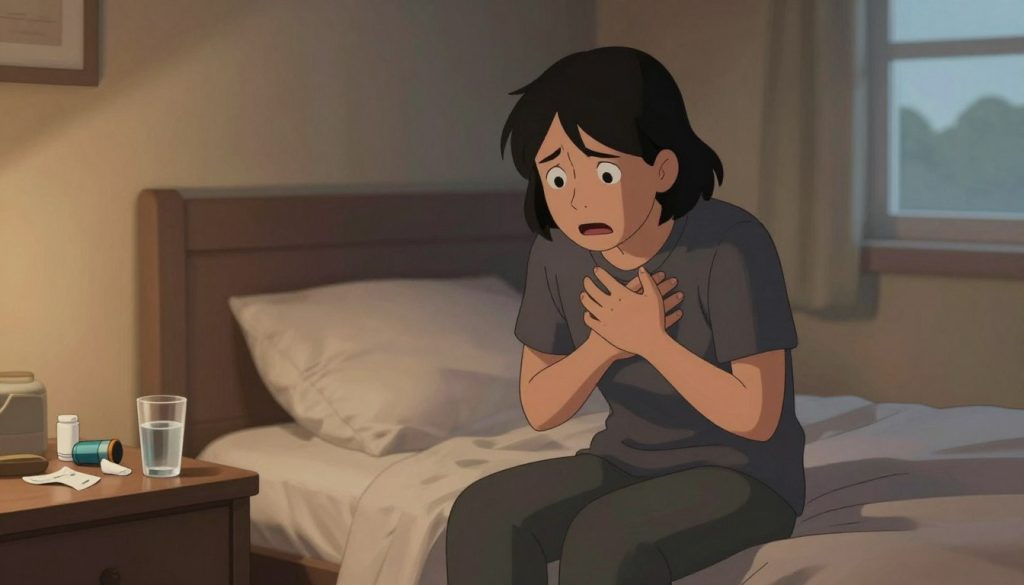
Feeling overwhelmed happens to many people. It is vital to recognise these panic attacks symptoms before they feel too heavy. You are not alone in this experience.
Many individuals feel a sudden rush of intense fear. This sensation often appears without warning, leaving one feeling breathless plus confused. Seeking panic attack help allows you to regain control over your life.
Finding the right support makes a massive difference to your mental health. Breathe deeply whilst we explore paths towards peace. Professional guidance provides clarity plus support during tough moments.
Supportive communities offer a safe space to share your story without judgement. Effective anxiety management involves simple steps for your daily routine. Learning practical tools helps reduce fear of future episodes.
Your well-being remains the main priority here. Small changes lead to significant progress over time. We will look at ways to ground yourself when things feel difficult.
Each step forward is a victory for your inner peace. Focus on your progress rather than the hurdles. You deserve to feel calm plus secure.
What Are Panic Attacks?
Panic attacks are acute episodes of intense anxiety that can manifest both physically and psychologically. These episodes can be extremely distressing and disrupt an individual’s daily life significantly.
Understanding the Experience of Panic
During a panic attack, individuals may experience a sudden onset of fear or discomfort that peaks within minutes. This intense fear or anxiety can be so overwhelming that it interferes with a person’s ability to function normally.
The experience can vary widely among individuals, but it often involves a combination of physical symptoms such as a racing heart, sweating, and trembling, alongside psychological symptoms like feelings of impending doom or death.
Panic Attacks vs Panic Disorder
It’s crucial to differentiate between panic attacks and panic disorder. While panic attacks are discrete episodes of intense fear or discomfort, panic disorder is an anxiety disorder characterized by recurrent panic attacks and persistent concern or worry about having future attacks.
Panic disorder treatment often involves a combination of cognitive behavioural therapy (CBT) and, in some cases, medication to manage symptoms and reduce the frequency of panic attacks.
What Triggers Panic Attacks?
Panic attacks can be triggered by a variety of factors, including stressful situations, certain objects or situations that trigger fear, and even internal bodily sensations that an individual associates with panic.
Understanding these triggers is a key step in managing panic attacks and, if necessary, seeking professional help such as panic disorder treatment or cognitive behavioural therapy to learn coping strategies.
Recognising the Symptoms of Panic Attacks
Being able to recognise the symptoms of panic attacks is essential for providing support to those affected. Panic attacks can manifest differently in different people, making it crucial to understand the various signs.
Physical Symptoms to Watch For
Panic attacks often trigger intense physical reactions. Common symptoms include a racing heartbeat, sweating, and trembling. Some individuals may experience dizziness or lightheadedness, which can be particularly distressing.
Other physical symptoms can include nausea, abdominal discomfort, and a feeling of choking or shortness of breath. These physical manifestations can be alarming and may exacerbate the anxiety being experienced.
Emotional and Psychological Symptoms
The emotional and psychological impact of panic attacks should not be underestimated. Feelings of intense fear or impending doom are common, as are feelings of detachment from reality or oneself. These symptoms can be particularly challenging to cope with and may require specific anxiety management strategies.
Individuals experiencing panic attacks may also report feelings of intense anxiety or fear that are not necessarily tied to a specific cause or trigger. This can be confusing and distressing, highlighting the need for understanding and support.
Duration and Intensity
Panic attacks are typically short-lived, lasting anywhere from a few minutes to half an hour. However, their intensity can vary significantly. Some attacks may be mild, while others can be extremely severe, leaving the individual feeling drained and shaken.
Understanding the duration and intensity of panic attacks can help in developing effective stress relief tips and coping mechanisms. It’s also important to remember that while panic attacks are distressing, they are not life-threatening.
Panic Attacks: Symptoms and Coping Strategies
Panic attacks can be overwhelming, yet there are effective coping mechanisms to help you navigate through them. When faced with a panic attack, it’s essential to have a toolkit of strategies to manage the symptoms and reduce the distress.
Immediate Techniques to Use During an Attack
During a panic attack, the priority is to regain control and calm the body’s heightened state. Two effective techniques for immediate relief are breathing exercises and grounding methods.
Breathing Techniques for Panic Relief
One of the simplest yet most effective ways to calm a panic attack is through controlled breathing. Deep, slow breaths can help slow down your heart rate and reduce the physical symptoms of panic. Try inhaling for a count of four, holding your breath for a count of four, and exhaling for a count of four. This technique is known as the “box breathing” method.
Grounding Methods to Regain Control
Grounding techniques help you focus on the present moment and distract you from the panic. One method is to notice your surroundings, identifying five things you can see, four things you can touch, three things you can hear, two things you can smell, and one thing you can taste. This sensory exercise can help ground you in reality and reduce feelings of panic.
Calming Strategies That Work
In addition to immediate techniques, there are several calming strategies that can help manage panic attacks. These include progressive muscle relaxation, self-talk and reassurance, and movement or position changes.
Progressive Muscle Relaxation
Progressive muscle relaxation involves tensing and then relaxing different muscle groups in your body. Start with your toes and work your way up to your head, holding the tension for a few seconds before releasing. This can help release physical tension and promote relaxation.
Self-Talk and Reassurance
The way you talk to yourself during a panic attack can significantly impact your experience. Using positive self-talk and reassuring yourself that the panic will pass can help calm your mind and reduce anxiety.
Movement and Position Changes
Sometimes, a change in position or a gentle movement can help alleviate the symptoms of a panic attack. This could be as simple as standing up and stretching or taking a short walk. Movement can help distract from the panic and improve your sense of control.
Professional Treatment Options for Panic Disorder
For those struggling with panic disorder, various professional treatment options are available. These treatments are designed to help manage symptoms, reduce the frequency and intensity of panic attacks, and improve overall quality of life.
Panic disorder is a treatable condition, and seeking professional help is often the first step towards recovery. Treatment plans are typically tailored to the individual’s needs and may involve a combination of therapies.
Cognitive Behavioural Therapy for Panic Attacks
Cognitive Behavioural Therapy (CBT) is a highly effective treatment for panic disorder. It focuses on identifying and challenging negative thought patterns and behaviours that contribute to panic attacks. Through CBT, individuals can learn coping strategies and techniques to manage their anxiety.
CBT is usually conducted by a trained therapist over a series of sessions. It may involve keeping a diary to track panic attacks, identifying triggers, and learning relaxation techniques. CBT has been shown to be highly effective in reducing the frequency and severity of panic attacks.
Medication and Medical Support
In some cases, medication may be prescribed to help manage symptoms of panic disorder. Antidepressants and benzodiazepines are commonly used, although the latter are generally recommended for short-term use due to their potential for dependency.
Medical support is also crucial in managing panic disorder. Healthcare professionals can provide guidance on treatment options, monitor progress, and offer support throughout the recovery process. It’s essential to work closely with a healthcare provider to find the right treatment plan.
Accessing Mental Health Support in the UK
In the UK, individuals can access mental health support through various channels. The NHS provides mental health services, including CBT and medication, often through referral from a GP. Additionally, charities and private healthcare providers offer support and therapy services.
To access these services, individuals can start by consulting their GP, who can provide a referral to specialist services. Early intervention and the right support can significantly improve outcomes for those with panic disorder.
Building Long-Term Resilience and Anxiety Management
Long-term management of anxiety and panic attacks requires a multifaceted approach that includes lifestyle modifications and personalised coping plans. By adopting a combination of healthy lifestyle choices, effective stress relief techniques, and a tailored action plan, individuals can significantly enhance their ability to manage anxiety.
Lifestyle Changes for Better Mental Health
Making certain lifestyle adjustments can have a profound impact on mental health. Regular physical activity is known to reduce anxiety symptoms by releasing endorphins, which are natural mood lifters. Additionally, a balanced diet rich in nutrients supports overall brain health. It’s also crucial to limit caffeine and alcohol, as these substances can exacerbate anxiety.
Another vital aspect is sleep management. Ensuring adequate sleep each night helps regulate stress hormones and can reduce the frequency of panic attacks. Establishing a consistent sleep schedule and creating a relaxing bedtime routine can improve sleep quality.
Stress Relief Tips for Daily Life
Incorporating stress relief techniques into daily life can help manage anxiety. Mindfulness and meditation are powerful tools that can reduce stress and promote relaxation. These practices encourage living in the present moment and can be done through guided sessions or mobile apps.
Deep breathing exercises are another effective method for calming the mind and body during stressful situations. By focusing on slow, deliberate breaths, individuals can reduce their heart rate and promote relaxation.
Creating Your Personal Panic Attack Action Plan
Developing a personal action plan is a proactive step towards managing panic attacks. This plan should include identifying triggers, coping strategies, and support networks. By understanding what triggers panic attacks, individuals can prepare themselves for potential situations.
The plan should also outline specific coping strategies, such as the use of grounding techniques or positive self-talk, to help manage panic when it arises. Having a list of trusted contacts who can offer support can also provide reassurance.
Moving Forward With Confidence
Understanding panic attacks and their symptoms is the first step towards managing them. By recognising the physical and emotional symptoms, individuals can employ effective coping strategies to calm themselves during an attack.
Seeking panic attack help and mental health support is crucial for those struggling with recurrent attacks. Cognitive Behavioural Therapy and medication are among the professional treatment options available.
Building long-term resilience involves making lifestyle changes and practising stress relief techniques. Creating a personal panic attack action plan can also help individuals feel more in control.
With the right understanding, strategies, and support, individuals can move forward with confidence. If you’re struggling with panic attacks, don’t hesitate to reach out for mental health support. You are not alone, and there are effective coping strategies available to help you manage your symptoms.