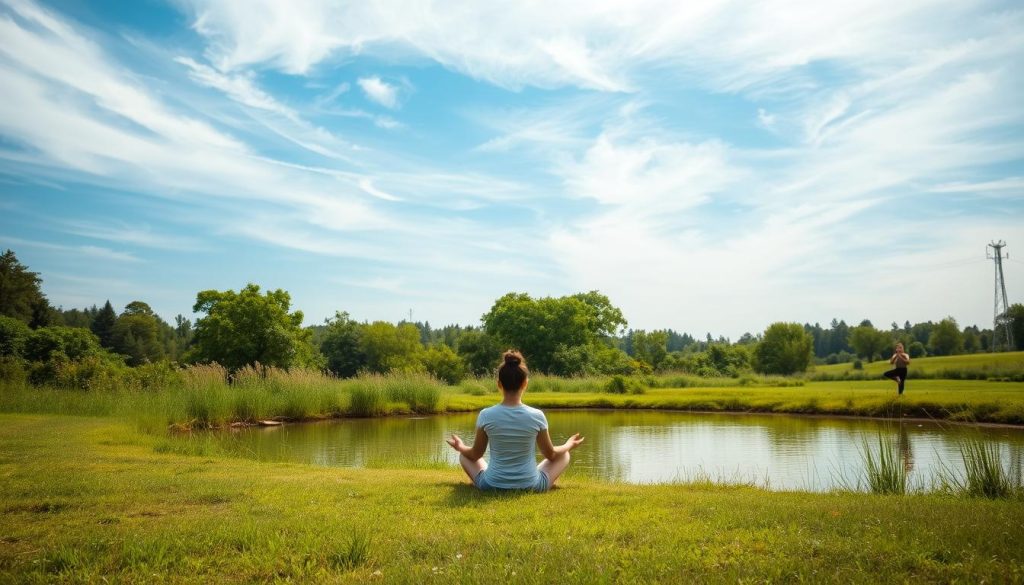
Incorporating simple mental health-friendly activities into daily life can significantly enhance overall well-being. In today’s fast-paced world, prioritising mental wellness is crucial for maintaining a healthy balance.
Engaging in activities for mental well-being doesn’t have to be complicated or time-consuming. Simple actions, such as taking a short walk or practising deep breathing exercises, can make a substantial difference. By integrating these activities into daily routines, individuals can better manage stress and improve their mental health.
Key Takeaways
- Simple daily activities can improve mental well-being.
- Prioritising mental wellness is essential for a healthy lifestyle.
- Short walks and deep breathing exercises are effective stress management techniques.
- Incorporating mental health-friendly activities into daily routines can enhance overall well-being.
- Managing stress is crucial for maintaining good mental health.
Understanding Mental Health-Friendly Activities You Can Do Today
Understanding the importance of mental health-friendly activities is crucial for our daily lives. Engaging in such activities can significantly enhance our mental wellbeing and overall quality of life. In today’s fast-paced world, it’s easy to overlook our mental health, but incorporating simple, effective practices into our daily routine can make a substantial difference.

Why Daily Mental Wellness Matters
Daily mental wellness is the foundation of a healthy, balanced life. It enables us to cope with stress, build strong relationships, and make informed decisions. Prioritizing mental wellness helps in maintaining a positive outlook and improves our resilience to life’s challenges. By incorporating activities to boost mental health into our daily routine, we can better manage stress and anxiety.
Moreover, daily mental wellness practices can enhance our productivity and overall satisfaction with life. Simple acts like taking a short walk or practicing deep breathing exercises can significantly impact our mental state. These mental health promoting activities are easy to integrate into our busy schedules, providing immediate benefits.
The Science Behind Mental Health Activities
Research has shown that certain activities can positively impact our mental health by reducing stress hormones and releasing endorphins, also known as “feel-good” hormones. For instance, physical activity has been proven to reduce symptoms of depression and anxiety. Similarly, mindfulness and meditation practices can calm the mind and improve emotional regulation.
Understanding the science behind these activities can help us make informed choices about our mental health. By engaging in evidence-based mental health promoting activities, we can take proactive steps towards maintaining our mental wellbeing. This knowledge empowers us to create a personalized routine that suits our lifestyle and preferences.
To further enhance our mental health, it’s essential to explore a variety of activities. This can include trying new hobbies, practicing gratitude, or simply taking time to relax. By doing so, we can discover what works best for us and make mental health a priority in our daily lives.
Quick Physical Activities for Mental Wellness
Brief bursts of physical activity can greatly enhance your mental wellbeing. Incorporating simple exercises into your daily routine can have a significant impact on your mental health.
10-Minute Movement Exercises
Engaging in short bursts of physical activity can be incredibly beneficial. 10-minute movement exercises are a great way to start. These can include brisk walking, jumping jacks, or dancing to your favourite music. Such activities not only improve cardiovascular health but also release endorphins, which are known to boost mood and reduce stress.
For example, a 10-minute yoga session in the morning can set a positive tone for the day. It helps in increasing flexibility, balance, and strength while also calming the mind.
Outdoor Activities with Immediate Benefits
Spending time outdoors is known to have immediate benefits for mental health. Activities such as walking in a park, gardening, or simply sitting outside can significantly reduce symptoms of anxiety and depression. Being in nature helps individuals feel more connected and grounded.
Gardening, for instance, is not only a form of physical exercise but also provides an opportunity to connect with nature. It can be therapeutic and give a sense of accomplishment.
Desk-Friendly Stretches for Busy Days
For those with busy schedules, incorporating desk-friendly stretches can be a practical way to maintain mental wellness. Simple stretches like shoulder rolls, neck stretches, and wrist extensions can be done at your desk. These help in reducing physical tension and improving focus.
- Neck stretches: Slowly tilt your head to the side, bringing your ear towards your shoulder.
- Shoulder rolls: Roll your shoulders forward and backward in a circular motion.
- Wrist extensions: Gently lift your hands and tilt your wrists upwards.
These activities are not only beneficial for your physical health but also contribute to positive mental wellbeing. By incorporating them into your daily routine, you can experience the benefits of improved mental health.
Mindfulness and Meditation Practices
Mindfulness and meditation practices offer a powerful toolkit for managing stress and improving mental health. These simple yet effective techniques can be easily incorporated into daily life to enhance overall wellbeing.
5-Minute Breathing Techniques
Breathing techniques are a fundamental aspect of mindfulness practice, helping to calm the mind and reduce stress. Two effective methods include:
- Box Breathing Method: This involves breathing in for a count of 4, holding the breath for a count of 4, exhaling for a count of 4, and holding again for a count of 4.
- Progressive Muscle Relaxation: This technique involves tensing and relaxing different muscle groups in the body, promoting physical relaxation and reducing tension.
Box Breathing Method
The Box Breathing Method is a simple technique that can be practised anywhere, at any time. It helps to focus the mind and calm the nervous system.
Progressive Muscle Relaxation
Progressive Muscle Relaxation is a powerful method for releasing physical tension. By systematically tensing and relaxing muscle groups, individuals can achieve a state of deep relaxation.
Guided Visualisation Exercises
Guided visualisation involves using the imagination to create a peaceful and relaxing environment. This can be done through guided audio recordings or personal visualisation techniques.
Mindful Observation Activities
Mindful observation activities encourage individuals to focus on the present moment, often through the observation of nature or everyday activities. This practice helps cultivate mindfulness and appreciation for the simple things in life.
By incorporating these mindfulness and meditation practices into daily life, individuals can experience significant improvements in their mental wellbeing and overall quality of life, supporting self-care activities for mental health and promoting easy mental health activities.
Creative Expression for Emotional Release
Creative expression offers a healthy outlet for emotional release and mental wellbeing. Engaging in creative activities can help individuals process their emotions, reduce stress, and enhance their overall mental health. By exploring various forms of creative expression, people can discover new ways to communicate their feelings and experiences.
No-Pressure Artistic Activities
Artistic activities provide a fun and engaging way to express emotions without requiring extensive artistic skill. These activities are designed to be enjoyable and therapeutic, rather than focused on creating a masterpiece.
Colouring and Doodling
Colouring and doodling are simple, yet effective ways to relax and express creativity. These activities can be particularly appealing as they require minimal equipment – just a pen and paper or a colouring book. Research has shown that colouring can reduce anxiety and improve mood by providing a calming, meditative experience.
- Select a colouring book or a blank sheet of paper.
- Choose your favourite colours or patterns.
- Begin colouring or doodling, allowing your creativity to flow freely.
Simple Crafting Projects
Simple crafting projects, such as knitting, making cards, or creating collages, offer a creative outlet that can be both calming and fulfilling. These activities allow individuals to create something tangible while expressing their emotions.
- Choose a simple crafting project that interests you.
- Gather the necessary materials, such as yarn, paper, or glue.
- Follow a pattern or create your own design, enjoying the process and the outcome.
Writing and Journaling Exercises
Writing and journaling are powerful tools for emotional release and reflection. By putting thoughts and feelings into words, individuals can process their experiences and gain insight into their emotional state.
Journaling can be particularly helpful for clarifying thoughts, setting goals, and tracking progress. It’s a personal and private space where individuals can express themselves freely.
- Start by writing down your thoughts, feelings, or gratitudes.
- Experiment with different writing styles, such as prompts or free writing.
- Reflect on your entries to identify patterns or areas for improvement.
By incorporating these creative expression activities into daily life, individuals can enhance their mental wellbeing and develop healthy coping mechanisms. Whether through artistic pursuits or writing, creative expression offers a valuable outlet for emotional release.
Connection and Social Wellbeing Activities
Fostering meaningful connections with others is essential for our overall wellbeing. In today’s digital age, it’s easier than ever to stay connected with others, whether that’s through social media, online communities, or video conferencing.
Meaningful Digital Interactions
Engaging in meaningful digital interactions can be a great way to enhance our mental wellbeing. This can include participating in online forums related to our interests, joining social media groups focused on mental health, or simply scheduling regular video calls with friends and family who live far away.
Some ideas for meaningful digital interactions include:
- Joining online support groups for mental health
- Participating in online communities related to your hobbies
- Scheduling regular video calls with loved ones
Simple Ways to Connect with Others Today
Connecting with others doesn’t have to be complicated or time-consuming. Simple actions like sending a kind message to a friend, meeting a neighbour for a cup of coffee, or volunteering in your local community can make a significant difference to our mental wellbeing.
Some simple ways to connect with others include:
- Sending a kind message or email to someone you care about
- Meeting a friend or family member for a walk or coffee
- Volunteering for a cause you’re passionate about
Acts of Kindness for Mental Health
Engaging in acts of kindness not only benefits the recipient but also has a positive impact on our own mental health. Acts of kindness can range from small gestures like holding the door open for someone to more significant actions like donating to a charity.
Some ideas for acts of kindness include:
- Donating to a local food bank or charity
- Offering to help a neighbour with their shopping or chores
- Smiling and saying hello to strangers
By incorporating these activities into our daily lives, we can strengthen our social connections, enhance our mental wellbeing, and contribute to a more compassionate community.
Self-Care Rituals for Immediate Mental Relief
Finding moments to relax and recharge is crucial, and self-care rituals can provide immediate mental relief. In this section, we will explore simple yet effective self-care practices that can be incorporated into your daily life to enhance your mental wellbeing.
Creating a 15-Minute Self-Care Routine
To start, creating a short self-care routine can be as simple as dedicating 15 minutes a day to activities that promote relaxation and calmness. Here are some steps to follow:
- Begin by identifying activities that help you relax, such as reading, meditating, or taking a warm bath.
- Schedule this time into your daily planner or calendar.
- Start small, with 5-10 minutes, and gradually increase the time as you become more comfortable with the routine.
Small Acts of Self-Compassion
Practicing self-compassion is a powerful self-care ritual. It involves treating yourself with kindness, understanding, and patience. Some ways to practice self-compassion include:
- Writing yourself a kind letter or note.
- Practicing mindfulness and meditation to calm your mind.
- Engaging in activities that bring you joy and make you feel good about yourself.
Sensory Comfort Activities
Engaging your senses in comforting activities can provide immediate mental relief. Some examples include:
- Listening to soothing music or nature sounds.
- Enjoying a warm cup of tea or coffee.
- Practicing deep breathing exercises or guided meditation.
Conclusion: Making Mental Health Activities Part of Your Daily Life
Incorporating mental health activities into your daily routine can have a significant impact on your overall wellbeing. By trying out simple activities such as physical exercises, mindfulness practices, and creative expression, you can take the first steps towards a healthier mind.
Start with small, manageable steps by choosing mental health activities for today that resonate with you. Whether it’s a short breathing exercise or a creative writing session, making these activities a part of your daily life can lead to improved mental health and a more positive outlook.
Engaging in activities for positive mental health can become a sustainable habit when done consistently. By prioritizing your mental wellbeing, you can cultivate a more resilient and compassionate mindset, leading to a better quality of life.
FAQ
What are some simple mental health-friendly activities I can do today?
You can try 10-minute movement exercises, mindfulness practices like 5-minute breathing techniques, or engage in creative activities like colouring and doodling. These activities are designed to be easy to fit into your daily routine and can help boost your mental wellbeing.
How can physical activities improve my mental health?
Physical activities release endorphins, which are chemicals in the brain that act as natural painkillers and mood elevators. Even short bursts of physical activity, like desk-friendly stretches, can have an immediate positive impact on your mental health.
What is mindfulness, and how can it help my mental health?
Mindfulness involves paying attention to the present moment in a non-judgemental way. Practising mindfulness through techniques like box breathing or guided visualisation can help reduce stress and anxiety, improving overall mental wellbeing.
Can creative activities really help with emotional release?
Yes, engaging in creative activities like no-pressure artistic pursuits or writing and journaling exercises can provide an outlet for emotions. These activities allow you to express yourself in a healthy way, potentially leading to emotional release and improved mental health.
How do social connections impact mental health?
Social connections are vital for mental health. Engaging in meaningful digital interactions, connecting with others in person, or performing acts of kindness can enhance your sense of belonging and support, positively impacting your mental wellbeing.
What are some quick self-care rituals I can practice for immediate mental relief?
You can create a 15-minute self-care routine that includes small acts of self-compassion, such as taking a warm bath, practising gentle stretches, or engaging in sensory comfort activities like listening to soothing music. These rituals can help provide immediate mental relief.
Are there any easy mental health activities I can do at work?
Yes, there are several easy mental health activities you can do at work, such as desk-friendly stretches, 5-minute breathing exercises, or taking a short walk outside. These activities can help reduce workplace stress and improve your mental wellbeing.