


Mental wellbeing is a big issue for millions of men in the UK. Many find it hard to share their feelings or seek help. This guide aims to help men talk openly about their emotional struggles.
Men often face barriers when trying to get help. Old ideas about being tough can stop them from seeking support. It’s important to understand these challenges to start making a change.
This guide looks at the mental health support available to men in the UK. We discuss the big issues that stop men from getting help. Our goal is to give you clear steps to improve your mental health.
You’ll find expert advice on using healthcare services in this guide. We share tips on building your emotional strength. Plus, we show how to build a strong support network in your community.
Changing the way men talk about mental health is key. This article gives you the knowledge and tools to make a real difference. It’s all about taking action for better mental health.
Understanding the Current Landscape of Men’s Mental Health Awareness
In the UK, views on male emotional wellbeing have changed a lot in ten years. Old ideas that stopped men from talking about their feelings are fading. Men’s mental health campaigns have reached many, starting important talks in work, schools, and homes.
Statistics from the Office for National Statistics show men are three times more likely to die by suicide than women. Yet, many men find it hard to ask for help or share their problems. The gap between those needing help and getting it is very wide.

Public views are slowly changing to accept male vulnerability. Groups like Mind and Samaritans have made people understand the need to see emotional distress in men.
Societal Shifts in Perception
Society is moving away from old ideas that say strength means not showing emotions. Young men today are more open to talking about mental health than before. Workplaces and sports teams are making safe places for these talks.
- Increased media representation of men seeking therapy
- Growing acceptance in educational settings
- Workplace mental health initiatives expanding
- Celebrity figures openly discussing their experiences
- Community organisations providing peer support groups
These changes show men’s mental health awareness is becoming part of British culture. Schools now teach emotional literacy. Employers see that supporting male employees’ wellbeing boosts productivity and cuts down on absences.
But progress is not the same everywhere. Rural areas often don’t have enough resources. Ethnic minority men face extra challenges because of cultural views on mental health. It’s important to keep working so all men, no matter their background, can get help when they need it.
Men’s Mental Health: Breaking the Silence
Many men keep their feelings hidden, thinking they should face problems alone. This belief stops them from seeking help. It’s important to talk openly about emotions and mental health. When men feel safe, they can start to heal and find the support they need.
Society tells men to be strong and independent. While it sounds good, it hides a cost. Men might hide depression, anxiety, and stress. The need to stay silent can make these feelings worse, leading to isolation and despair. It takes courage to break this silence and change our views on emotional strength.
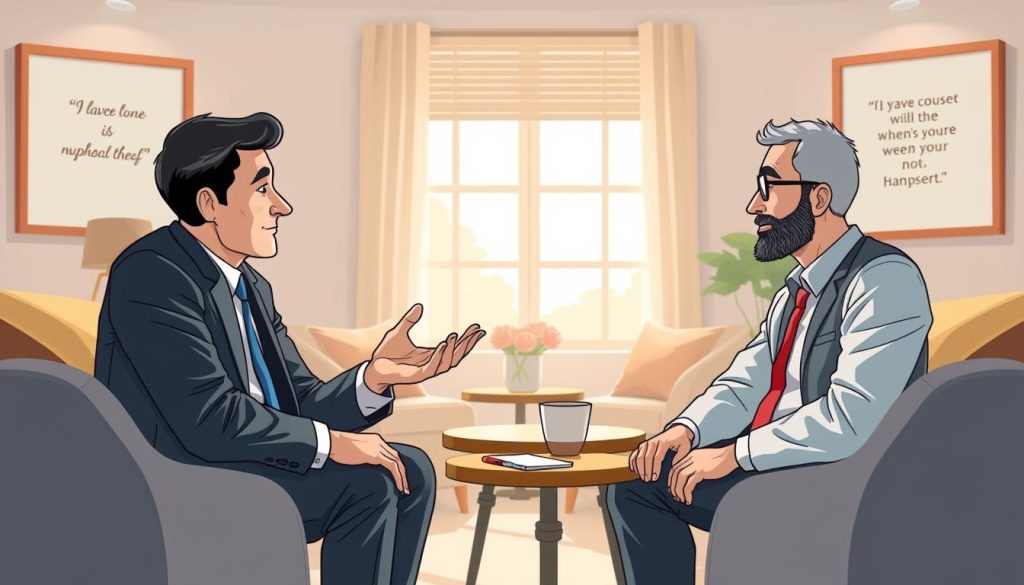
Starting conversations about men’s mental health is a big step. These talks don’t have to be complicated. Just asking how someone is and listening can show real support.
Taking Action in Your Circle
You can help make a space where men feel okay to share. Here are some ways:
- Listen without judging when someone opens up
- Make talking about feelings normal in daily life
- Share your own experiences when it’s right
- Encourage professional help when needed
- Challenge stereotypes about masculinity and emotions
Breaking the silence around men’s mental health needs everyone’s effort. By encouraging open talks, we help men be themselves and seek help without shame.
Challenging Toxic Masculinity and Mental Health
Traditional views of strength often stop men from seeking help when they need it most. Many men believe asking for support makes them weak or inadequate. This cultural pressure hides emotional pain behind a tough exterior.
Breaking free from these outdated beliefs is key to improving wellbeing in men.
The link between toxic masculinity and mental health is strong. Rigid gender roles stop men from showing vulnerability. This leads to more depression, anxiety, and isolation.
When men see emotions as unmanageable or shameful, they miss out on early help.
Redefining Masculine Identity and Therapy
Modern views on masculine identity and therapy are changing how men see mental health. Clinics are becoming places where men can talk about their struggles without fear. This change shows that seeking help is a sign of strength, not weakness.
Important changes in therapy include:
- Creating male-friendly mental health environments
- Training therapists to understand male emotional expression
- Developing treatment approaches tailored to men’s needs
- Promoting strength-based recovery frameworks
“True strength lies in acknowledging what you feel and taking action to improve your mental health.”
By seeing therapy as a way to grow, men can take back their emotional wellbeing. This shift lets men view mental health support as a way to build a stronger self.
Recognising Signs of Emotional Distress in Men
Spotting emotional distress in men is tricky because mental health issues show up differently for everyone. Men might express sadness through anger, irritability, or pulling away instead of openly crying. Spotting these signs early can help avoid big problems and offer real support.
Men in emotional trouble often change their behaviour in noticeable ways. These changes might not fit what we think of as sadness.
Common Warning Signs to Watch For
It’s key to understand how men show emotional pain. They might not talk about their feelings openly. Instead, they might show it through physical or behavioural changes.
- Sudden changes in sleep patterns or excessive sleeping
- Increased irritability or aggressive outbursts
- Withdrawal from friends, family, and social activities
- Reckless behaviour or substance misuse
- Complaints of unexplained physical pain or fatigue
- Loss of interest in hobbies and activities once enjoyed
- Difficulty concentrating at work or school
- Neglecting personal appearance and hygiene
Men often hide their feelings inside and show them through physical symptoms or bad behaviour.
The Importance of Early Recognition
Spotting these signs early is very important. If you notice changes in a man’s behaviour, talk to him gently and without judging. Men prefer direct, practical talks over long emotional chats.
Knowing how men show emotional pain helps us support them better before things get worse.
The Importance of Normalising Men’s Mental Health Conversations
Talking openly about mental health can change how men see their own battles. By making places where men can share their feelings, we break down barriers. This helps men who suffer in silence to speak out.
It’s about making mental health talks a normal part of life. At work, in sports clubs, or with friends, talking about mental health is key. It reduces shame and builds real connections.
Encouraging Open Dialogue
Creating safe spaces for men to talk is a community effort. Men must feel safe to share their feelings without fear of judgment. Workplaces, sports teams, and social groups can lead this change by setting up support systems.
- Start conversations without pressure or expectations
- Listen actively without fixing everything
- Share your own experiences to build trust
- Acknowledge struggles as valid and normal
- Celebrate when men reach out for help
Real change happens when men see their peers speaking openly about mental health. Seeing others talk about mental health makes it easier for men to do the same. Organisations like Mind and others in the UK show how talking improves work culture and wellbeing.
When men’s mental health talks become common, feeling isolated goes down. Men no longer feel alone in their struggles. Communities grow stronger through real connections and understanding.
Overcoming Barriers to Seeking Professional Support
Many men struggle to find mental health support in the UK. It’s important to know why. Common barriers include long NHS waiting times, fear of being judged, and not knowing where to start.
The healthcare system can seem too much. Men often fear being seen as weak if they talk about their feelings. This fear stops many from getting the help they need.
Getting Started with Your GP
Your General Practitioner is the best starting point for mental health support. Book an appointment and share what you’re going through. GPs are trained to listen without judging and can help you find the right services.
- Prepare what you want to say beforehand
- Write down your symptoms and concerns
- Ask about referral options available
- Request a longer appointment if needed
Exploring Your Options
You have many ways to get professional help. The NHS offers free talking therapies and counselling. Private therapists are quicker but cost more. Many employers also have Employee Assistance Programmes.
| Support Option | Cost | Wait Time | Access Method |
|---|---|---|---|
| NHS Talking Therapies | Free | 4-12 weeks | GP referral |
| Private Counselling | £40-£100 per session | 1-2 weeks | Direct booking |
| Employee Assistance Programme | Free | 1-3 weeks | Workplace contact |
It’s important to take action. Whether you choose NHS services or private therapy, reaching out is a big step. It breaks the silence and isolation.
Strategies for Improving Male Emotional Wellbeing
Improving men’s emotional wellbeing starts with simple steps that fit into daily life. Many men find it hard to focus on their mental health because of work and social pressures. Using self-care techniques can help men deal with stress and build emotional strength. These methods work best when they become part of a daily routine.
Practical Self-Care Techniques
Creating a self-care routine is key for men’s emotional wellbeing. Simple daily habits can greatly help in managing stress and anxiety.
- Regular physical activity releases endorphins and reduces stress hormones
- Mindfulness and meditation practice calms the mind and improves focus
- Maintaining social connections prevents isolation and builds support networks
- Setting healthy sleep patterns enhances mood and cognitive function
- Limiting alcohol and substance use protects mental clarity
Physical exercise is a top tool for emotional control. Activities like walking, running, or team sports boost mental health. Men who exercise often say they feel better and are more emotionally stable.
Mindfulness practices help men understand their thoughts and feelings better. Apps like Headspace and Calm offer sessions for busy lives. Just a few minutes each day can improve emotional awareness.
| Self-Care Strategy | Time Required | Mental Health Benefit |
|---|---|---|
| Physical Activity | 30 minutes daily | Stress relief and mood improvement |
| Mindfulness Meditation | 5-10 minutes daily | Emotional awareness and anxiety reduction |
| Social Connection | 1-2 hours weekly | Reduced isolation and increased support |
| Quality Sleep | 7-8 hours nightly | Enhanced mood regulation and resilience |
Social connections are essential for emotional health. Men need regular time with friends and family, whether through sports, work, or online groups. These relationships offer support during tough times and boost emotional strength.
Addressing the Crisis of Male Suicide Prevention
Male suicide is a big worry in the UK. The Samaritans say men make up three-quarters of all suicides. This is most common in men aged 40 to 49. Knowing these facts is key to stopping male suicides and helping those at risk.
It’s important to spot the warning signs of a man struggling. Early help can really change things for the better.
Key Warning Signs to Recognise
- Talking about feeling hopeless or burdensome
- Withdrawing from friends, family, and social activities
- Giving away possessions or making final arrangements
- Displaying dramatic mood changes or increased irritability
- Engaging in risky behaviour or substance misuse
- Expressing feelings of being trapped or in pain
If you see these signs, act fast. Call 999 for emergencies. The Samaritans offer confidential help at 116 123, all day, every day. Just listening and taking concerns seriously can help a lot.
| Support Service | Contact Number | Availability | Service Type |
|---|---|---|---|
| Samaritans | 116 123 | 24/7 | Emotional support and crisis counselling |
| Mind | 0300 123 3393 | Monday to Friday, 9am-6pm | Information and mental health support |
| Crisis Text Line | Text SHOUT to 85258 | 24/7 | Text-based crisis support |
| Emergency Services | 999 | 24/7 | Immediate emergency response |
Evidence-based prevention needs community and workplace help. Employers can make a big difference by making places safe for talking about mental health. Training staff and pointing to resources helps everyone feel better.
Building strength through friends and professional help is key. Talking openly about mental health helps men feel less alone and more likely to seek help.
Building Supportive Communities for Men
Creating strong communities is key to tackling men’s mental health issues. When men feel part of a group, they’re more likely to share their feelings. This support helps remove loneliness, which worsens mental health problems.
Peer networks are very important. When men talk to others who’ve faced similar issues, they feel less alone. These connections build trust and make it safe to be vulnerable.
The Power of Peer Networks
Organisations like the Movember Foundation show how peer support works. They bring men together through events and campaigns. Men share their stories and learn from each other in these supportive spaces.
Peer networks are effective because they:
- Create safe spaces for open conversation
- Reduce feelings of isolation and shame
- Build strong social connections
- Encourage seeking professional help
- Foster a sense of belonging
To build these communities in the UK, we need commitment from workplaces, schools, and local groups. With peer support, men’s emotional wellbeing improves, and they become more resilient. Strong communities protect men’s mental health and bring positive change to society.
Conclusion
Men’s mental health in the UK is a serious issue. This article has explored why men often don’t ask for help. We’ve talked about toxic masculinity, the need for open talks, and building support networks.
Breaking the silence around men’s mental health needs action from all of us. Schools, workplaces, and healthcare must make mental health talks normal. Men should feel free to share their feelings without fear of being judged.
Communities should make it okay to seek help. Places like Mind and the Samaritans provide essential support for men’s mental health.
Your part in this change is important. If you’re a man facing mental health issues or care about someone who is, use what you’ve learned. Start conversations about mental health and support those who need it. Together, we can make a difference and ensure every man in the UK feels supported.

