

Stress affects millions in the UK every day. The 2023 Health and Safety Executive report showed stress, depression, and anxiety in nearly half of all work-related illnesses. This highlights the serious issue for workers and their families.
Learning to manage stress early is a great investment in your wellbeing. Spotting early signs lets you act quickly. Small steps today can stop big problems later.
This guide offers practical tools and strategies to handle stress. You’ll learn to identify what triggers your stress. You’ll also find ways to build resilience against daily pressures. By being proactive, you can protect your mental health and keep life balanced.
The pages ahead share real, tested methods from stress management experts. These are not quick fixes. They are lasting changes for your wellbeing. Your journey to a calmer, more balanced life begins here.
Understanding the Early Warning Signs of Stress
It’s important to spot the early signs of stress to keep your mind healthy. Stress often starts with small changes that people miss. By noticing these signs early, you can stop stress from taking over your life.
The NHS says catching stress early helps a lot. Many wait too long before getting help. Knowing what to look for lets you take care of your mental health early.
Identifying Subtle Emotional Shifts
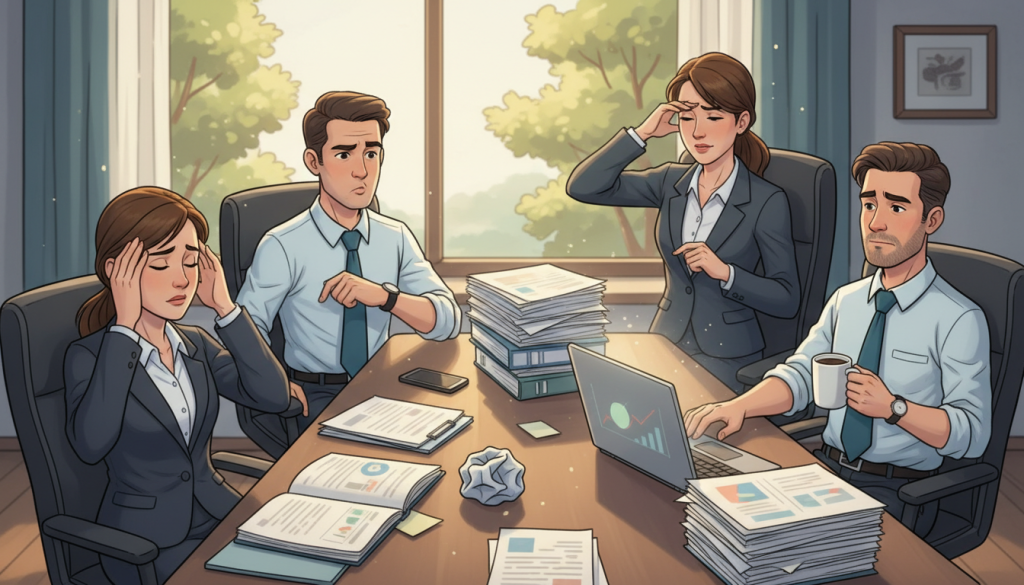
Your feelings can show you stress is coming. Look out for mood and behaviour changes that don’t feel like you.
- Increased irritability or frustration with small things
- A persistent sense of dread or worry
- Difficulty concentrating on tasks at work or home
- Feeling withdrawn from friends and family
- Experiencing sudden mood swings throughout the day
These emotional changes often show up before physical signs. Spotting them early helps you manage stress better.
Monitoring Changes in Sleep Patterns
Changes in sleep can signal stress. Your sleep quality often shows your stress levels better than anything else.
Common sleep changes include:
- Struggling to fall asleep despite feeling tired
- Waking frequently during the night without clear reason
- Experiencing restless, disturbed sleep
- Sleeping longer than usual but feeling unrefreshed
- Having vivid or disturbing dreams
Research shows high cortisol levels mess with your sleep. Watching your sleep can tell you a lot about your stress. This knowledge helps you act before stress harms your daily life and health.
How to Manage Stress Before It Becomes Overwhelming
Understanding your stress triggers is the first step in managing stress. The Mental Health Foundation found that 74% of UK adults felt overwhelmed by stress last year. Acting quickly can stop small stress from turning into big mental health issues.
Knowing what stresses you and how your body reacts is key. This knowledge lets you stop stress before it gets worse.
Making small changes can greatly improve your wellbeing. You don’t need to change your whole life. Just focus on simple steps you can do every day.
Creating Your Personal Action Plan
Creating a stress plan means being honest with yourself. Here are important steps:
- Find out what stresses you at work and home
- Keep track of how stress makes you feel
- Make a list of things that calm you down
- Make time for activities that help you relax
- Tell friends or family about your plan
Following your plan stops stress from building up. Dealing with stress early keeps your emotions balanced. Your life gets better when you take time to understand and manage your stress.
Remember, stopping stress overwhelm is a continuous effort. Regular self-checks help you stay on top of your mental health and adjust your plan as needed.
Recognising Physical Symptoms of Tension
Your body talks to you when you’re stressed. It’s important to listen to the physical signs that show up when you’re under pressure. Many people ignore these signs until they get really bad. Spotting these signs early lets you act fast and avoid bigger problems.
Stress often shows up as physical discomfort. Your muscles get tight, your energy goes down, and you feel off. These changes sneak up on you, so you need to pay attention to your body.
Common Muscular Discomforts
Tension headaches are a big stress symptom. They feel like a tight band around your head and neck. Your shoulders get stiff and sore, and your jaw tightens, causing teeth grinding.
- Tension headaches affecting the temples and back of the head
- Shoulder tightness causing restricted movement
- Neck stiffness limiting your range of motion
- Lower back pain from poor posture during stress
- Muscle aches throughout the body
Impact on Digestive Health
Stress really messes with your gut. The link between your brain and stomach means stress can cause stomach issues. You might feel bloated, crampy, or have trouble going to the bathroom. Some people even lose their appetite.
| Digestive Symptom | Typical Experience | Duration |
|---|---|---|
| Bloating | Uncomfortable fullness and gas | Several hours to days |
| Stomach cramping | Sharp or dull abdominal pain | Intermittent throughout the day |
| Irregular bowel movements | Constipation or loose stools | Persistent during stressful periods |
| Appetite changes | Loss of hunger or overeating | Variable, depending on stress level |
Knowing how your body reacts to stress is key to acting early. If you notice muscle tension or stomach problems, it’s a sign you need to manage your stress. Taking care of these symptoms quickly stops them from becoming long-term health issues that need doctor’s help.
Implementing Effective Stress Reduction Strategies
Managing stress needs a plan that fits you. The best stress reduction strategies blend into your daily life. Studies show that structured plans can cut anxiety by up to 30% in three months. It’s all about choosing methods that match your lifestyle.
Stress management techniques vary from simple to complex. The best ones mix different methods for full relief. Try combining practices that improve both your mind and body.
Core Stress Reduction Methods
Several proven methods can help you take back control:
- Cognitive reframing lets you see tough situations in a new light
- Time-blocking organises your day into focused work periods with breaks
- Progressive muscle relaxation helps release physical tension
- Journalling helps you process emotions and find stress triggers
- Social connection strengthens your support network
Implementation Timeline and Outcomes
| Strategy | Time Required Daily | Expected Benefit Timeline | Effectiveness Rating |
|---|---|---|---|
| Cognitive Reframing | 10-15 minutes | 2-4 weeks | High |
| Time-Blocking | 5 minutes setup | 1-2 weeks | Very High |
| Progressive Muscle Relaxation | 15-20 minutes | Immediate | High |
| Journalling | 10 minutes | 3-6 weeks | Medium to High |
| Social Connection | 30 minutes weekly | Ongoing | Very High |
Start with one or two techniques to avoid feeling overwhelmed. Gradually add more as you get used to each one. The best strategy is consistent practice with the flexibility to adjust as needed.
The Importance of Prioritising Mental Wellbeing
Your mental wellbeing is essential, not a luxury. It’s the base for lasting health and success at work. Studies show that focusing on mental health leads to better results in both life and career.
Spotting stress signs early helps you act before it gets too much. Caring for your mind is as important as caring for your body. This way, you can handle daily challenges better.
Developing Resilience Against Daily Pressures
Being resilient means bouncing back from tough times and adapting to change. Building this strength means knowing your limits and what you can handle each day.
- Set realistic goals based on your current capacity
- Break large tasks into smaller, manageable steps
- Recognise when to ask for help or delegate responsibilities
- Create boundaries between work and personal time
- Celebrate small wins and progress
Practising Self Compassion
Self compassion is treating yourself with kindness, like you would a friend. When things don’t go as planned, harsh self-criticism can increase stress.
Instead, accept challenges without judgment. Remember, struggling is normal. Practising self compassion helps you grow and builds mental strength.
| Wellbeing Practice | Frequency | Expected Benefits |
|---|---|---|
| Mindfulness meditation | Daily (10–15 minutes) | Improved focus and emotional regulation |
| Physical exercise | 3–5 times weekly | Enhanced mood and energy levels |
| Social connection | Weekly interactions | Reduced isolation and increased support |
| Quality sleep | 7–9 hours nightly | Better stress management and resilience |
Establishing Healthy Boundaries in Daily Life
Creating clear boundaries is key to protecting your mental energy. By setting firm limits, you avoid unexpected stress. Studies show that people with strong boundaries are happier at work and feel less tired.
Boundaries act as a shield against burnout. They let you say no when needed and protect your time. Without them, you might take on too much, ignore your needs, and feel overwhelmed.
First, identify where you struggle most. Think about times when you feel pressured or taken advantage of. These are areas where you need stronger boundaries.
Communicating Your Needs Clearly
Talking about your needs can be hard at first. Use calm, direct language with colleagues and family. Explain your limits without apologising too much or giving long reasons.
- Tell people what you can and cannot do
- Be specific about your working hours
- Explain how boundaries benefit everyone
- Stay consistent with your boundaries
- Practice saying no politely but firmly
Creating a Supportive Environment
When others understand your boundaries, they respect them more. A supportive environment develops when everyone knows their place. This openness reduces misunderstandings and builds trust.
Setting boundaries is not selfish. It’s a vital step to keep your wellbeing and prevent stress from becoming too much.
Coping with Stress Effectively Through Mindfulness
Mindfulness is a strong way to handle stress by focusing on the present. Stress often makes us worry about the future or regret the past. Mindfulness helps us stay in the now, reducing anxiety and bringing calm quickly.
Many find mindfulness better than expected for stress relief. It works by engaging your senses and connecting with the physical world. These methods stop stress before it gets too much.
Techniques for Grounding Yourself
Grounding helps you focus on what’s around you. The 5-4-3-2-1 technique is very effective. Here’s how it works:
- Identify 5 things you can see around you
- Name 4 things you can touch or feel
- Recognise 3 things you can hear
- Notice 2 things you can smell
- Find 1 thing you can taste
This method distracts your mind from worries and quickly reduces stress.
The Role of Controlled Breathing
Breathing helps control stress naturally. Box breathing calms your body by activating your parasympathetic nervous system. Here’s how to do it:
- Inhale for a count of 4
- Hold your breath for a count of 4
- Exhale for a count of 4
- Hold empty for a count of 4
Doing this for just a few minutes can slow your heart rate and ease stress. These strategies offer practical help for managing stress anytime, anywhere.
Managing Daily Stress Levels at Work
The workplace can be stressful. Tasks pile up and deadlines loom. To control work stress, first identify what causes tension. Then, find ways to tackle these issues before they get worse.
Breaking big projects into smaller tasks is key. Instead of seeing a huge report as one big job, split it into parts. This makes it less overwhelming and lets you see progress.
Research shows taking regular breaks is vital. Even short pauses can help your mind and focus. Just five minutes away from your desk can make a big difference.
Practical Strategies for Workplace Stress Management
- Prioritise tasks by importance and urgency each morning
- Schedule dedicated break times into your calendar
- Create a quiet workspace or use noise-cancelling headphones when possible
- Set realistic deadlines and communicate them clearly
- Limit interruptions by establishing “focus hours”
Managing daily stress is good for your mind and work. By using these strategies, you make your work place better for your health and success.
Preventing Stress Overload with Regular Exercise
Physical activity is a top way to avoid stress in today’s fast-paced world. Moving your body regularly boosts your mood and eases tension. The NHS suggests adults do at least 150 minutes of moderate activity weekly for both body and mind health.
Exercise lowers cortisol, the stress hormone. This change helps calm you down, even after your workout. Even short exercises can help your mental health.
Benefits of Cardiovascular Activity
Cardio activities raise your heart rate and improve blood flow. They’re great for managing stress:
- Brisk walking releases endorphins within 20 minutes
- Swimming provides low-impact, full-body conditioning
- Cycling builds stamina whilst reducing anxiety
- Running strengthens mental resilience and focus
- Dancing combines movement with enjoyment and social connection
Each cardiovascular activity has similar benefits by starting your body’s relaxation response.
Incorporating Movement into a Busy Schedule
It’s not hard to fit in exercise. Small, regular steps lead to big changes:
| Time Available | Recommended Activity | Weekly Frequency |
|---|---|---|
| 10 minutes | Brisk walking during lunch | 5 days |
| 20 minutes | Home-based yoga or stretching | 4 days |
| 30 minutes | Swimming or cycling | 3 days |
| 45 minutes | Running or gym sessions | 2 days |
Start small and build gradually. Your body prefers steady routines over sudden bursts. Simple actions like taking the stairs or standing while on calls help your mental health.
“Exercise is the single best thing you can do for your brain. Not only does it build new brain cells, it builds mental resilience.”
Making movement a daily habit makes avoiding stress easier. It’s not just another task to do.
Utilising Professional Support for Stress Prevention Methods
Getting professional help is a smart move for your mental health. Many are hesitant, but experts offer great tools for handling stress. They teach you stress management techniques that fit your life.
There are many ways to get help, depending on what you need:
- Cognitive Behavioural Therapy (CBT) changes negative thoughts
- Counselling is a safe place to talk about your worries
- Life coaching helps set and achieve goals
- Psychotherapy deals with deeper emotional problems
In the UK, many companies offer Employee Assistance Programmes (EAPs). These give you free access to mental health experts. EAPs are great for keeping stress at bay at work.
| Professional Service | Main Focus | Duration |
|---|---|---|
| GP Consultation | Initial assessment and referrals | 15-30 minutes |
| NHS Talking Therapies | Structured psychological support | 6-12 weeks typical |
| Private Therapy | Personalised intervention plans | Flexible arrangements |
Learning from experts makes you stronger against daily stress. A therapist can create strategies just for you. This investment helps keep your emotional health strong over time.
Begin with your GP for a simple first step. They can talk about options and send you to the right people. This shows you care about your mental health.
Cultivating a Balanced Lifestyle for Long Term Health
Building a balanced lifestyle is key to managing stress and keeping your mind healthy. It’s about eating right and living well every day. This approach boosts your emotional strength and health for good.
Nutritional Choices for Mood Stability
What you eat affects your mood. The British Nutrition Foundation says eating well helps control emotions and boosts happiness. Some foods help keep your mind strong and handle stress better.
Here are key foods to focus on:
- Omega-3 fatty acids from fish, flaxseeds, and walnuts support brain function
- Complex carbohydrates in oats and brown rice stabilise energy levels
- Protein-rich foods maintain steady blood sugar and mood balance
- Fresh vegetables provide essential vitamins for emotional resilience
Creating Sustainable Habits
Changing for the better means building habits that last. Small, steady steps lead to big wins in managing stress and boosting mental health.
Important habits include:
- Maintain consistent sleep schedules to regulate your nervous system
- Engage in regular social interaction for emotional support
- Plan meals in advance to support nutritional consistency
- Set realistic goals that fit your lifestyle
These habits help build real resilience. They let you tackle daily challenges with more strength and confidence.
Conclusion
Coping with stress is a journey that needs time and effort. You’ve learned many useful tools in this article. Each method works differently for everyone. What’s key is finding what fits your life and personality.
The stress prevention methods discussed give you a strong base for managing stress. You now have a toolkit to use, from recognising signs to mindfulness. Building healthy habits is hard, but the benefits are huge. Your mental health is as important as your physical health.
Begin with small changes today. Set boundaries at work. Take a short walk each morning. Use deep breathing when feeling tense. These small steps can lead to big changes over time.
Managing stress is not a one-time job. It’s an ongoing process that needs patience and self-awareness. You have the power to improve your wellbeing and live a more balanced life. Start today, stay consistent, and see how these changes will improve your daily life.

