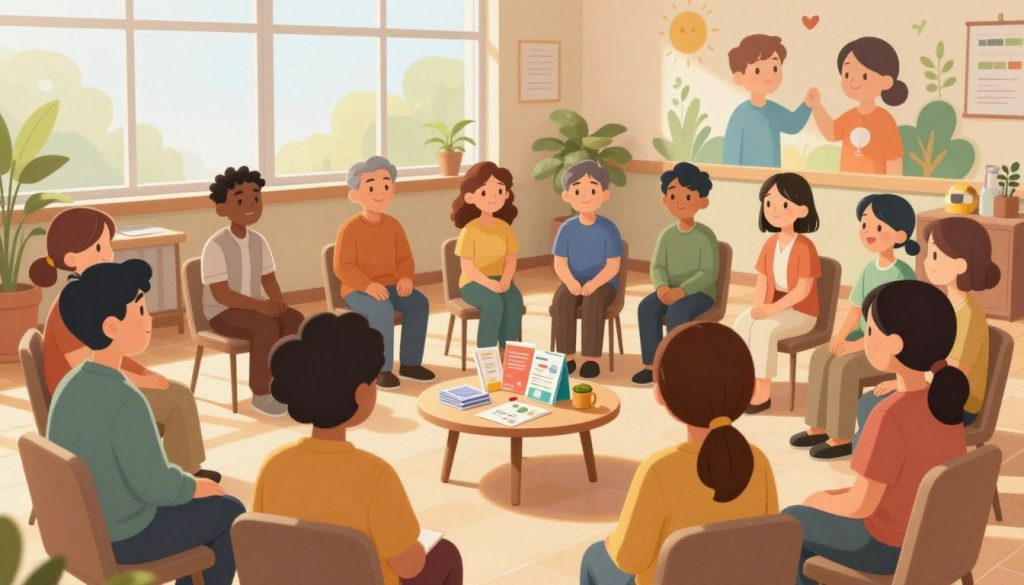
Across the United Kingdom, many people find themselves navigating difficult paths toward emotional wellbeing. While national services provide a vital foundation, grassroots organisations often bridge the gap for those needing immediate, personalised attention.
These groups offer a unique lifeline, ensuring that nobody has to face their struggles in isolation. By fostering genuine connections within our neighbourhoods, they create safe spaces where individuals feel truly heard and valued.
Understanding how local charities support mental health recovery is essential for anyone seeking a more holistic approach to wellness. These initiatives provide the practical resources and compassionate guidance that traditional systems sometimes overlook.
By focusing on community-led care, these organisations empower people to build resilience and find lasting stability. They remain a cornerstone of modern wellbeing strategies, proving that small, dedicated groups can make a profound difference in the lives of our friends and neighbours.
The Vital Role of Community-Based Mental Health Support
When clinical care ends, the real work of daily recovery often begins within our local neighbourhoods. Many individuals find that the transition from a hospital setting back into their regular routine can feel overwhelming and isolating. This is where mental wellness charities step in to provide a necessary buffer, ensuring that no one has to navigate their recovery journey in total solitude.

Bridging the Gap Between Clinical Care and Daily Life
Formal medical treatments are essential, yet they often focus on acute symptoms rather than the nuances of everyday living. Community support for mental health acts as a vital bridge, helping people apply the coping strategies they learned in therapy to their home environments. By offering a familiar and friendly space, these organisations help individuals maintain their progress long after their clinical appointments conclude.
These groups provide a sense of continuity that is often missing in fragmented healthcare systems. They offer a safe, non-clinical environment where people can share their experiences without the pressure of a formal diagnosis. This consistent presence helps to stabilise mental wellbeing during the most challenging phases of recovery.
The Importance of Accessible Localised Services
Accessibility is about much more than just physical proximity to a building. While having services located in the heart of local neighbourhoods is crucial for reducing travel stress, true accessibility also means creating welcoming and inclusive spaces for everyone. When mental wellness charities operate locally, they remove the barriers that often prevent people from seeking help in the first place.
By fostering a culture of openness, these organisations ensure that support is available to all members of the community regardless of their background. This community support for mental health empowers individuals to take ownership of their wellness in a setting that feels both safe and supportive. Ultimately, local services transform the way we approach mental health by making care a natural part of our daily lives.
How Local Charities Support Mental Health Recovery Through Personalised Care
Personalised care sits at the heart of how community groups transform lives across the UK. Unlike large-scale systems that often rely on rigid protocols, nonprofit organisations mental health providers prioritise the human experience. They recognise that every individual faces a unique set of challenges that require a thoughtful, bespoke response.
Tailoring Support to Individual Needs
These organisations move away from a one-size-fits-all approach by actively listening to the people they serve. By conducting thorough assessments, they identify specific barriers to recovery, whether those are related to social, emotional, or practical life factors. This flexibility allows them to create care plans that truly resonate with the person’s actual daily reality.
Customised support ensures that resources are directed exactly where they are needed most. Whether someone requires intensive emotional guidance or help navigating local services, these groups adapt their methods to fit the individual. This level of attention fosters a sense of being heard and valued, which is a critical component of long-term healing.
Building Trust Within Local Neighbourhoods
Trust is the foundation of any successful intervention, particularly when it comes to mental wellbeing. Because these charities are embedded in the community, they are often seen as safe, accessible havens rather than distant institutions. This proximity encourages people to seek help much earlier than they might otherwise.
By fostering deep-rooted relationships, these groups ensure their interventions remain culturally sensitive and relevant to the local population. When a charity understands the specific history and needs of a neighbourhood, it can provide support that feels both familiar and supportive. Ultimately, this community-led approach builds the confidence necessary for individuals to embark on their journey toward recovery.
Key Services Offered by Mental Health Charity Organisations
Navigating the path to recovery often requires a blend of emotional and practical assistance. Many people discover that mental health charity services provide the essential foundation needed to rebuild their lives with confidence.
These organisations create a safety net that goes beyond standard medical care. By addressing both the mind and the circumstances of daily life, they help individuals move forward in a sustainable way.
Peer Support Groups and Social Connection
Loneliness can often make mental health struggles feel much heavier. Peer support groups offer a safe space where individuals can share their experiences with others who truly understand.
These groups are vital for fostering social connection and reducing the deep sense of isolation that often accompanies mental health challenges. By participating in these sessions, members build meaningful relationships that provide comfort and encouragement during difficult times.
One-to-One Counselling and Emotional Guidance
Sometimes, a private conversation is the most effective way to process complex emotions. Many local charities provide access to professional one-to-one counselling, ensuring that individuals receive tailored emotional guidance.
This personalised approach allows people to explore their feelings in a secure environment. Having a dedicated listener can be a transformative experience, helping individuals develop the resilience needed to manage their mental wellbeing effectively.
Practical Assistance with Housing and Employment
Mental health is deeply connected to our living conditions and financial stability. High-quality mental health charity services frequently include practical support to help people secure stable housing and find meaningful employment.
By removing these external stressors, charities enable individuals to focus on their recovery journey. This holistic support ensures that people have the stable foundation required to thrive in their daily lives and maintain long-term wellness.
The Impact of Community Programmes on Long-Term Wellness
Engaging in structured community activities provides a foundation for lasting mental health recovery. These mental health community programs offer a unique space where individuals can find stability and growth outside of traditional clinical settings.
By participating in these initiatives, people often discover a renewed sense of purpose. This consistent involvement helps to foster resilience and long-term emotional well-being.
Reducing Social Isolation Through Group Activities
Social isolation is a significant hurdle for many, but it can be overcome through shared experiences. Local mental health support groups create a safe, non-judgmental environment where members feel truly heard and understood.
These gatherings encourage meaningful connections that go beyond simple conversation. When individuals share their stories, they build stronger bonds that help to alleviate the heavy burden of loneliness.
Developing Coping Strategies for Daily Challenges
Beyond socialisation, these programmes focus on practical skill-building to manage everyday life. Participants learn to identify triggers and implement effective coping mechanisms that support their ongoing recovery journey.
These empowering sessions provide the tools necessary to navigate life’s ups and downs with greater confidence. By consistently attending these mental health community programs, individuals can maintain their progress and achieve a more balanced, healthy lifestyle over time.
Collaborating with the NHS to Enhance Mental Health Outcomes
By working hand-in-hand, the NHS and local charities create a robust safety net for those in need. This partnership ensures that individuals do not fall through the cracks when transitioning between different levels of care. These charity initiatives mental health programmes are essential for providing a comprehensive approach to recovery across the United Kingdom.
Referral Pathways and Integrated Care
Effective referral pathways allow patients to move smoothly from clinical settings into community-based support. When a GP or mental health professional identifies a need for social connection, they can link the patient directly to local services. This integrated care model ensures that medical treatment is supported by ongoing social engagement.
These pathways help reduce the pressure on primary care services by providing alternative outlets for support. By streamlining the process, patients receive the right help at the right time. This seamless transition is a cornerstone of modern, patient-centred care.
Complementing Clinical Treatments with Holistic Support
Medical interventions are often just one part of a person’s journey toward wellness. Many charity initiatives mental health projects provide the holistic care that clinical settings simply cannot offer alone. These services focus on the person as a whole, rather than just their symptoms.
By offering activities like peer support, art therapy, or vocational training, charities help individuals rebuild their confidence. These efforts complement clinical treatments by addressing the social and practical barriers to recovery. Ultimately, this collaborative approach leads to better long-term outcomes for people throughout our communities.
Organising and Participating in Mental Health Charity Events
Mental health charity events offer a unique opportunity to bring neighbours together for a common cause. These gatherings act as a catalyst for change, transforming how we perceive emotional wellbeing within our own streets and towns. By showing up, we demonstrate that no one has to face their struggles alone.
Raising Awareness and Reducing Stigma
Public events provide a safe space to start honest conversations about mental health. When we share our stories openly, we dismantle the barriers of shame that often prevent people from seeking help. This collective openness is essential for creating a supportive environment where vulnerability is seen as a strength rather than a weakness.
Educational workshops and community talks held during these events help to dispel harmful myths. By replacing fear with facts, we foster a culture of empathy. This shift in perspective is vital for ensuring that everyone feels comfortable reaching out when they are struggling.
Fundraising to Sustain Essential Local Services
Beyond awareness, these events are crucial for generating the financial resources needed to keep vital programmes running. Every pound raised goes directly toward providing local charity mental health support that the NHS simply cannot cover alone. Your participation ensures that counselling, peer groups, and crisis lines remain available to those in need.
Organising a sponsored walk, a bake sale, or a community gala creates a sense of shared responsibility. It reminds us that we are all part of a larger network of care. By contributing your time or donations, you are directly investing in the long-term health and resilience of your community.
Overcoming Barriers to Accessing Mental Health Charity Services
Accessing professional help should never be a privilege reserved for the few. While many organisations strive to provide vital support, various obstacles often prevent individuals from getting the care they require. By identifying these hurdles, we can better understand how mental health charity services adapt to meet the needs of every person in the community.
Addressing Geographical and Financial Constraints
For those living in rural areas or regions with limited transport, distance often acts as a significant barrier. Many charities now offer remote support options, such as video calls and telephone helplines, to bridge this gap. These digital tools ensure that high-quality mental health charity services remain available regardless of a person’s physical location.
Financial concerns also play a major role in whether someone seeks assistance. To combat this, many local groups provide free or low-cost sessions to ensure that money never dictates a person’s recovery journey. By removing these financial burdens, charities empower individuals to prioritise their wellbeing without the stress of hidden costs.
Creating Inclusive Spaces for Diverse Communities
True accessibility goes beyond just physical or financial ease; it requires a welcoming and inclusive environment. Charities are increasingly focusing on cultural sensitivity to ensure that people from all backgrounds feel safe and respected. When a space reflects the diversity of the local population, it fosters a deeper sense of trust and belonging.
Creating inclusive mental health charity services involves training staff to understand the unique challenges faced by different minority groups. By actively listening to community feedback, these organisations can tailor their programmes to be more representative and effective. Every individual deserves to feel seen and heard, and inclusive practices are the foundation of that promise.
Empowering Individuals on Their Journey Toward Recovery
Real change happens when people feel seen and heard within their own neighbourhoods. Understanding how local charities support mental health recovery reveals the true strength of our communities. These groups provide the essential foundation for long-term wellness and personal growth.
Every person deserves access to compassionate care that fits their unique life story. By focusing on human connection, these organisations create safe spaces where resilience can flourish. You play a vital role in keeping these networks alive and effective for everyone.
Consider reaching out to organisations like Mind or Rethink Mental Illness to see how you can contribute. Your time, donations, or advocacy help sustain the services that change lives every single day. Learning how local charities support mental health recovery is the first step toward building a more inclusive society for us all.
Take action today by volunteering or sharing information about these resources with your neighbours. Small gestures create ripples of hope that extend far beyond individual recovery. Together, we can ensure that no one faces their mental health challenges in isolation.