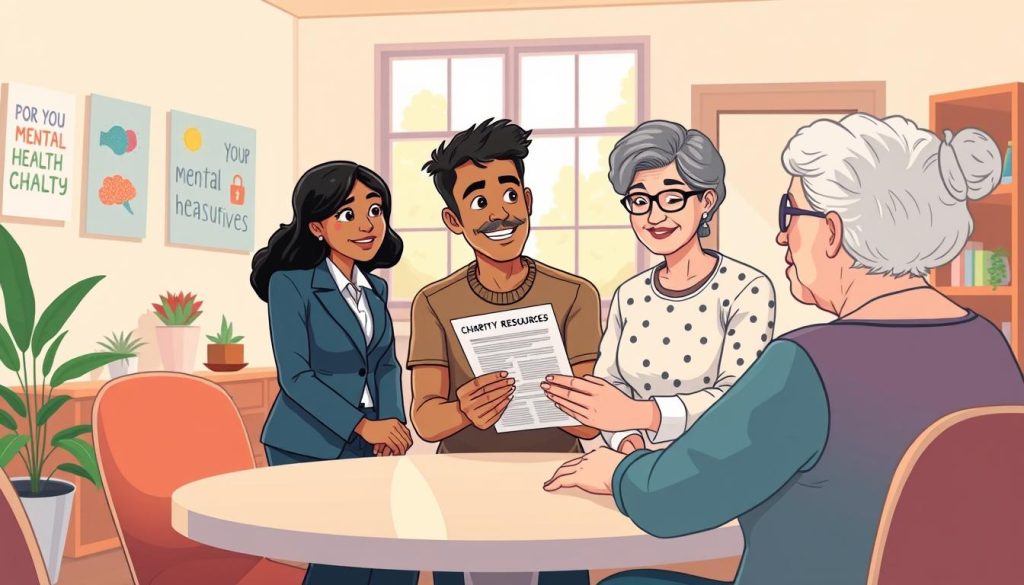
Charitable organisations play a vital role in supporting individuals with mental health issues in the UK. These organisations provide essential services, including counselling, advocacy, and financial assistance, to those in need.
Many UK charities specialise in mental health support, offering a range of services tailored to specific needs. By providing these services, charities help bridge the gap in mental health provision, ensuring that individuals receive the support they require.
Key Takeaways
- Charities provide crucial mental health services in the UK.
- Mental health charities offer specialised support services.
- Charitable organisations help fill gaps in mental health provision.
- UK charities provide a range of mental health services.
- Charities play a vital role in supporting mental health.
The Current Mental Health Landscape in the UK
The current state of mental health in the UK is a pressing concern. Mental health issues affect a significant portion of the population, with far-reaching consequences for individuals, families, and society as a whole.
Key Statistics and Concerning Trends
Recent statistics highlight the scale of the problem. Mental health conditions are on the rise, with one in four adults experiencing a mental health issue each year. Young people are particularly affected, with half of all mental health problems established by the age of 14. The economic impact is substantial, with mental health-related costs estimated to be around £105 billion annually.

Gaps in NHS Mental Health Provision
Despite the NHS’s efforts to provide comprehensive mental health services, there are significant gaps in provision. Long waiting times and limited resources hinder the delivery of effective care. Many individuals struggle to access the support they need, leading to a deterioration in their mental health.
The Growing Need for Supplementary Support
The gaps in NHS mental health provision underscore the growing need for supplementary support. Charities play a vital role in filling these gaps, offering a range of services that complement NHS provision. Their flexibility and ability to respond to emerging needs make them an essential component of the mental health support landscape.
The importance of charities in mental health cannot be overstated. By providing additional support and services, charities help to alleviate the pressure on NHS mental health services, ensuring that more people receive the help they need.
The Role of Charities in Mental Health Support
The contribution of charities to mental health care in the UK is multifaceted and vital. Charities have been instrumental in providing support and services that complement the National Health Service (NHS) and fill gaps in mental health provision.
Historical Development of Mental Health Charitable Organisations
Mental health charities have a long history in the UK, dating back to the 19th century. Organizations such as Mind and Samaritans have evolved over time, adapting to changing mental health needs and societal attitudes. Their historical development has been crucial in shaping the current mental health support landscape.
How Charities Complement NHS Services
Charities complement NHS services by providing specialized support and filling gaps in provision. They offer a range of services, from helplines and counseling to community programs and advocacy. This supplementary support is crucial in ensuring that individuals receive comprehensive care.
Unique Advantages of the Charitable Approach
The charitable approach to mental health support has several unique advantages. Charities can be more flexible and innovative than statutory services, allowing them to respond quickly to emerging needs. They also provide a voice for those affected by mental health issues, advocating for policy changes and increased awareness.
In conclusion, charities play a vital role in mental health support in the UK. Their historical development, complementary services, and unique approach all contribute to a more comprehensive and supportive mental health care system.
Major Mental Health Charities and Their Specialisations
The mental health charity sector in the UK is diverse, with organisations like Mind, Samaritans, Rethink Mental Illness, and Young Minds leading the way. These charities provide a range of services that complement the NHS and offer specialised support to various demographics.
Mind: Community Programmes and Advocacy
Mind is a prominent charity that focuses on community programmes and advocacy. They work to improve mental health services and provide support through local Mind associations across the UK. Their efforts include campaigning for better mental health policies and offering guidance to individuals navigating the mental health system.
Samaritans: Crisis Intervention and Suicide Prevention
Samaritans is a critical organisation providing 24/7 crisis intervention and suicide prevention services. They offer a helpline, email support, and online chat for individuals in distress. Samaritans’ work is vital in providing immediate support to those experiencing mental health crises.
Rethink Mental Illness: Family Support and Education
Rethink Mental Illness specialises in providing support and education to families affected by mental illness. They offer advice, guidance, and resources to help families understand and cope with mental health conditions. Their services include support groups and online forums.
Young Minds: Supporting Children and Adolescents
Young Minds is dedicated to supporting the mental health of children and adolescents. They provide resources and support for young people, as well as guidance for parents and professionals working with children. Their work includes campaigning for better mental health services for young people and offering a helpline for parents.
These charities, among others, play a significant role in the UK’s mental health landscape, providing essential services and support. Their specialised approaches help address the diverse needs of the population, contributing to the overall wellbeing of individuals and communities.
Innovative Services Provided by UK Mental Health Charities
The UK’s mental health charity sector is characterised by its innovative approach to delivering essential services. These organisations continually evolve to meet the changing needs of the population, providing a range of support mechanisms that complement NHS services.
Digital Mental Health Initiatives and Helplines
Charities are leveraging technology to provide accessible mental health support through digital initiatives and helplines. For instance, online counselling services and mental health apps are being developed to cater to diverse needs. Some notable examples include:
- Mind’s online support groups
- Samaritans’ 24/7 helpline service
- Rethink Mental Illness’s online forums
Peer Support Networks and Community Groups
Peer support networks and community groups form a vital part of the mental health support ecosystem. These initiatives foster a sense of community and understanding among individuals facing similar challenges. Charities organise various peer-led support groups and community events to promote mental wellbeing.
Specialised Therapy and Treatment Approaches
Mental health charities are also pioneering specialised therapy and treatment approaches. This includes cognitive-behavioural therapy (CBT) programmes, art therapy, and other innovative therapeutic methods tailored to specific needs.
Workplace Mental Health Programmes
Recognising the importance of mental health in the workplace, charities are developing programmes to support employees and employers. These initiatives aim to promote mental wellbeing and provide resources for managing work-related stress.
By embracing innovation, UK mental health charities are making significant contributions to mental health support, enhancing the overall wellbeing of the population.
Reaching Underserved Communities and Improving Accessibility
Mental health charities are increasingly focusing on reaching underserved populations to provide more inclusive support. Charities recognize that certain groups face unique barriers to accessing mental health services, and they are developing targeted initiatives to address these disparities.
Supporting BAME Communities
Charities are working to improve mental health support for Black, Asian, and Minority Ethnic (BAME) communities, who often face cultural and linguistic barriers to accessing services. Tailored initiatives include culturally sensitive counseling and outreach programs in diverse communities.
Rural Mental Health Initiatives
Rural areas present unique challenges, including geographical isolation and limited access to services. Charities are responding with innovative solutions such as mobile counseling units and online support groups.
Services for Elderly and Disabled Individuals
Charities are also focusing on the mental health needs of elderly and disabled individuals, providing specialized support such as home visits and adapted therapy programs.
LGBTQ+ Mental Health Support
The LGBTQ+ community faces higher rates of mental health issues due to discrimination and stigma. Charities are offering safe spaces and specialized support groups to address these needs.
By targeting these underserved communities, mental health charities are playing a crucial role in making support more accessible and inclusive. Their efforts are vital in ensuring that everyone has the opportunity to receive the mental health support they need.
Funding Challenges and Ensuring Sustainability
UK mental health charities are navigating a complex landscape of funding challenges to maintain their vital work. The effectiveness of these charities in providing mental health support is often hampered by financial constraints.
Sources of Charitable Funding
Mental health charities in the UK rely on a variety of funding sources, including donations, grants, and fundraising events. Diversifying these sources is crucial for reducing financial vulnerability.
- Public donations
- Grants from trusts and foundations
- Corporate sponsorships
- Fundraising events
Impact of Economic Fluctuations on Services
Economic downturns can significantly impact the funding available to mental health charities, affecting their ability to provide consistent support. Charities must be resilient in the face of such fluctuations.
- Reduced public donations during economic hardship
- Decreased corporate sponsorship
- Increased demand for charity services
Innovative Fundraising Approaches
To mitigate funding challenges, mental health charities are adopting innovative fundraising approaches. These include leveraging digital platforms and creating community-based initiatives.
Collaboration Between Charities and Corporate Partners
Collaboration between mental health charities and corporate partners can enhance the effectiveness of charity involvement in mental health. Such partnerships can provide not only financial support but also expertise and resources.
By working together, charities and corporate entities can ensure the sustainability of mental health support services, ultimately benefiting those in need.
Conclusion: The Future of Charity-Based Mental Health Support in the UK
The role of charities in mental health support is vital in the UK, complementing NHS services and providing essential aid to those in need. Charities like Mind, Samaritans, Rethink Mental Illness, and Young Minds have made significant contributions to mental health support, offering a range of services from community programmes to crisis intervention.
As the mental health landscape continues to evolve, charities will remain crucial in addressing gaps in NHS provision and supporting underserved communities. The future of charity-based mental health support depends on sustainable funding and innovative approaches to service delivery. Collaboration between charities, corporate partners, and the NHS will be key to ensuring the continued provision of high-quality mental health support.
The role of charities in mental health support will continue to be vital, providing a safety net for those affected by mental health issues. By working together, we can ensure that mental health support remains accessible and effective, ultimately improving the lives of individuals and communities across the UK.
FAQ
What is the role of charities in mental health support in the UK?
Charities play a vital role in providing mental health support in the UK, complementing NHS services and filling gaps in provision. They offer a range of services, including counselling, support groups, and advocacy.
How do mental health charities contribute to the overall mental health landscape?
Mental health charities contribute to the overall mental health landscape by providing essential services, promoting awareness, and reducing stigma around mental health issues. They also work to influence policy and improve services.
What are some examples of major mental health charities in the UK and their specialisations?
Major mental health charities in the UK include Mind, which provides community programmes and advocacy; Samaritans, which offers crisis intervention and suicide prevention; Rethink Mental Illness, which provides family support and education; and Young Minds, which supports children and adolescents.
What kind of innovative services do UK mental health charities provide?
UK mental health charities provide a range of innovative services, including digital mental health initiatives, peer support networks, specialised therapy approaches, and workplace mental health programmes. These services help to address the diverse needs of individuals experiencing mental health issues.
How do charities reach underserved communities and improve accessibility?
Charities reach underserved communities and improve accessibility by targeting specific populations, such as BAME communities, rural areas, elderly and disabled individuals, and LGBTQ+ populations. They provide tailored services and support to meet the unique needs of these groups.
What are the funding challenges faced by mental health charities, and how do they ensure sustainability?
Mental health charities face funding challenges due to economic fluctuations and changing priorities. To ensure sustainability, they use innovative fundraising approaches, collaborate with corporate partners, and diversify their funding sources.
How can I support mental health charities and their initiatives?
You can support mental health charities by donating, volunteering, or spreading the word about their work. You can also consider fundraising, participating in events, or advocating for mental health issues.
What is the importance of charity involvement in mental health support?
Charity involvement in mental health support is crucial as it provides essential services, fills gaps in NHS provision, and promotes awareness and understanding of mental health issues. Charities also offer a unique and personal approach to supporting individuals experiencing mental health issues.
How effective are mental health charities in making a positive impact?
Mental health charities are highly effective in making a positive impact, as they provide targeted support, promote awareness, and influence policy. They work to address the complex needs of individuals experiencing mental health issues, improving overall mental health outcomes.