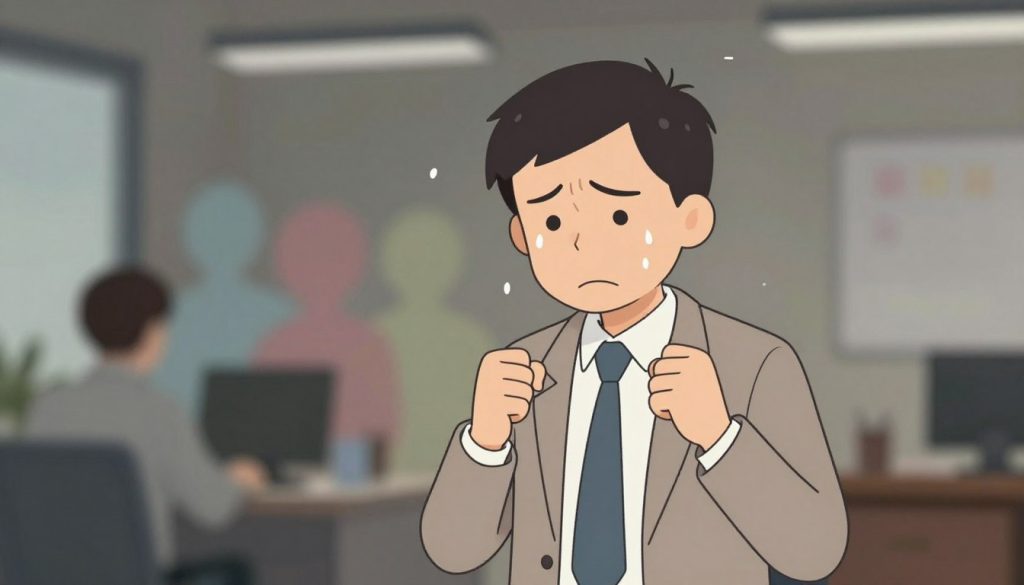
Many people often wonder how anxiety shows up in the body when they feel overwhelmed. It is common to experience physical sensations that seem disconnected from your thoughts, yet they are deeply linked to your mental state.
Recognising the connection between anxiety and physical health is a vital step toward better wellbeing. When stress lingers, your system may trigger various bodily responses to anxiety, such as a racing heart or tight muscles. These reactions can feel alarming, but they are simply your nervous system trying to protect you.
By learning to identify these patterns, you can manage your health with greater confidence. Understanding these physical signals allows you to take proactive steps to calm your mind and restore balance to your daily life.
The Science Behind How Anxiety Shows Up in the Body
To grasp the manifestation of anxiety in the body, we must explore the evolutionary biology of stress. Our brains are hardwired to protect us from danger, even when that danger is not a physical threat. This internal alarm system explains how anxiety shows up in the body in such intense and varied ways.

The Fight or Flight Response
The fight or flight response is a primitive survival mechanism designed to keep our ancestors safe from predators. When the brain perceives a threat, it immediately signals the body to prepare for action. These bodily responses to anxiety are automatic and occur before we even have time to think about the situation.
During this state, the body diverts energy away from non-essential functions like digestion. Instead, it prioritises muscle strength and heightened awareness. While this was vital for escaping wild animals, it often feels unsettling when triggered by modern stressors like work deadlines or social pressure.
The Role of Cortisol and Adrenaline
When the brain triggers this alarm, it releases a powerful cocktail of hormones into the bloodstream. Adrenaline is the first to surge, causing your heart to race and your senses to sharpen instantly. This chemical shift is why you might feel a sudden jolt of energy or a racing pulse during an anxious moment.
Following this, cortisol enters the scene to keep the body on high alert for a longer duration. This hormone helps maintain the stress response, ensuring you remain ready to react to the perceived danger. While these hormones are essential for survival, their prolonged presence can leave you feeling exhausted and physically drained.
Neurological and Sensory Manifestations
Anxiety does not just affect your mood; it frequently triggers a cascade of sensory changes throughout your nervous system. These anxiety symptoms can feel overwhelming, yet they are often the body’s way of reacting to perceived threats. Recognising this manifestation of anxiety in the body is essential for managing your overall wellbeing.
Persistent Headaches and Migraines
Many individuals experience tension headaches when they are under significant pressure. This occurs because the muscles in your neck and scalp tighten involuntarily as part of the body’s stress response. Over time, this sustained contraction restricts blood flow, leading to persistent discomfort that can mimic a migraine.
Dizziness and Light-headedness
Feeling unsteady or light-headed is a common experience during moments of high stress. This sensation often arises from rapid, shallow breathing, which alters the balance of oxygen and carbon dioxide in your bloodstream. Furthermore, sudden shifts in blood pressure can leave you feeling momentarily disoriented or faint.
Visual Disturbances and Blurred Vision
When your brain enters a state of high alert, it prioritises immediate survival over fine-tuned sensory processing. This shift can cause your vision to feel blurred or tunnelled as your pupils dilate to take in more light. It is a temporary physiological response designed to help you scan for danger, though it can be quite unsettling when it occurs in a safe environment.
Cardiovascular and Respiratory Impacts
When your body enters a state of high anxiety, your cardiovascular system is usually the first to respond. These anxiety symptoms often manifest as sudden changes in how your heart beats or how you draw breath. Understanding these physical reactions can help you recognise common signs of stress in the body.
Palpitations and Rapid Heart Rate
A racing heart is a classic response to perceived danger. Your body attempts to pump more oxygen to your muscles, preparing you for immediate action. This surge in activity is a natural, albeit uncomfortable, physiological process.
Chest Tightness and Discomfort
Many people experience a sensation of pressure or tightness in the chest during intense worry. This feeling can be quite frightening, as it sometimes mimics more serious cardiac issues. It is important to remember that this is often a temporary physical reaction to heightened emotional states.
Shortness of Breath and Hyperventilation
Breathing patterns frequently shift during moments of panic, leading to shallow or rapid breaths. This process, known as hyperventilation, occurs when your body tries to take in more air than it actually needs. Learning to control your breathing can be a powerful tool to help calm your nervous system and restore balance.
Gastrointestinal Distress and Digestive Issues
The digestive system often reacts immediately to emotional turmoil. Many people find that their stomach feels unsettled when they face difficult situations, highlighting how these are common physical signs of anxiety.
The Gut-Brain Axis Connection
Scientists often refer to the digestive tract as the “second brain” because of the intricate network of neurons lining your gut. This complex system, known as the gut-brain axis, creates a direct line of communication between your emotional state and your digestive health.
When you experience intense worry, your brain sends signals that can disrupt this delicate balance. This internal dialogue between your mind and your stomach explains why you might feel butterflies or discomfort during stressful events.
Nausea and Appetite Changes
Stress hormones like cortisol and adrenaline trigger a fight or flight response that diverts blood away from the digestive system. This physiological shift often leads to feelings of nausea or a sudden loss of appetite, which are clear signs of stress in the body.
Conversely, some individuals may experience an increased urge to eat as a way to soothe their nerves. These fluctuations in appetite are natural responses to the body trying to manage high levels of tension.
Irritable Bowel Syndrome Symptoms
Chronic anxiety can significantly exacerbate digestive conditions, including Irritable Bowel Syndrome (IBS). Many patients notice that their symptoms flare up during periods of high pressure or prolonged emotional strain.
Understanding this link is vital for long-term health. By recognising that your gut issues may be connected to your mental wellbeing, you can take proactive steps to manage both your stress levels and your digestive comfort.
Musculoskeletal Tension and Physical Pain
Sustained anxiety keeps the body in a perpetual state of alert, leading to significant musculoskeletal strain. When the mind perceives a threat, the body prepares for action by tightening its muscles. These physical signs of anxiety often persist long after the initial stressor has passed, resulting in lingering discomfort.
Chronic Muscle Aches and Stiffness
Prolonged tension frequently settles into the neck, shoulders, and back. You might find that your muscles feel constantly knotted or rigid, making it difficult to relax even when you are resting. This chronic tightness can lead to reduced mobility and persistent aches that affect your quality of life.
Jaw Clenching and Bruxism
Many individuals unconsciously clench their jaw or grind their teeth when they feel overwhelmed. This condition, known as bruxism, often occurs during the day or while you are sleeping. It is one of the most common anxiety-related physical symptoms that can lead to dental damage and painful headaches.
Tremors and Uncontrollable Shaking
The nervous system’s over-activation can sometimes manifest as visible tremors or shaking in the hands and limbs. These involuntary movements are a direct response to the surge of adrenaline coursing through your system. Recognising these physical signs of anxiety is an important step in understanding how your body processes intense emotional pressure.
Dermatological and Immune System Responses
Your skin and immune system act as silent barometers for your mental state, often reflecting internal stress in tangible ways. While many people focus on internal feelings, the effects of anxiety on the body can be clearly seen on the surface of your skin and in your overall resilience to germs.
Skin Rashes and Hives
When you are under significant pressure, your body releases chemicals like histamine as part of an inflammatory response. This process can lead to sudden skin rashes, itchy patches, or even hives that appear without an obvious external trigger. It can be incredibly frustrating to deal with these visible signs when you are already feeling mentally overwhelmed.
These anxiety-related physical symptoms often flare up during high-stress periods, making your skin feel sensitive or inflamed. By managing your stress levels, you may notice that your skin begins to calm down and return to its natural state.
Increased Susceptibility to Illness
Chronic stress keeps your body in a state of high alert, which eventually exhausts your immune system. When your system is constantly flooded with cortisol, it struggles to produce the white blood cells necessary to fight off common viruses and bacteria. This means you might find yourself catching colds more frequently than usual.
Furthermore, your body’s ability to repair itself is often compromised when you are stuck in a cycle of worry. You might notice that minor cuts or illnesses take longer to heal, which is a common sign of a suppressed immune response. Prioritising your mental health is essential to ensure your immune system remains strong and capable of protecting you effectively.
Long-term Effects of Chronic Anxiety on Physical Health
When anxiety becomes a permanent fixture in your life, the cumulative impact of anxiety on the body starts to take a serious toll. While the occasional bout of nerves is normal, persistent stress forces your systems to work overtime. Over months or years, this constant state of high alert can lead to significant physical wear and tear.
Impact on Cardiovascular Health
Your heart is often the first organ to suffer when stress levels remain elevated for too long. Chronic tension keeps your blood pressure consistently high, which places unnecessary strain on your arteries and heart muscle. This ongoing pressure is one of the most concerning effects of anxiety on the body, as it increases the risk of developing hypertension over time.
By keeping the cardiovascular system in a state of constant readiness, the body struggles to return to a resting state. This lack of recovery can eventually weaken the heart’s efficiency. Prioritising calm is not just about your mood; it is a vital strategy for maintaining long-term heart health.
Hormonal Imbalances and Fatigue
Persistent anxiety also disrupts your delicate hormonal balance, particularly regarding cortisol. When your body is flooded with this stress hormone for extended periods, it can lead to a state of chronic exhaustion. You might find that even after a full night of sleep, you still feel completely drained.
This hormonal fatigue is a common impact of anxiety on the body that many people struggle to identify. Recognising these long-term effects of anxiety on the body is essential for your overall physical longevity. By addressing the root causes of your stress, you can help your hormones return to a healthy, natural rhythm.
Practical Steps for Managing Physical Symptoms of Anxiety
Regaining control over your wellbeing starts with small, consistent changes to your daily routine. You can reduce the negative impact of anxiety on the body by practising simple grounding techniques like deep breathing or mindful observation. These methods help calm your nervous system when physical tension begins to rise.
Regular physical activity serves as a powerful tool for improving your overall anxiety and physical health. Walking in a local park or joining a yoga class helps release stored muscle tension and boosts your mood. Movement acts as a natural outlet for the excess energy that often builds up during stressful periods.
Seeking professional support remains a vital step for long-term recovery. Organisations like Mind or the NHS offer resources that provide tailored guidance for your specific needs. Speaking with a GP or a qualified therapist ensures you receive the right care to manage the impact of anxiety on the body effectively.
Prioritising your anxiety and physical health allows you to lead a more balanced life. Small adjustments to your lifestyle create a foundation for lasting comfort and resilience. You possess the ability to soothe your body and mind by choosing these proactive strategies every day.