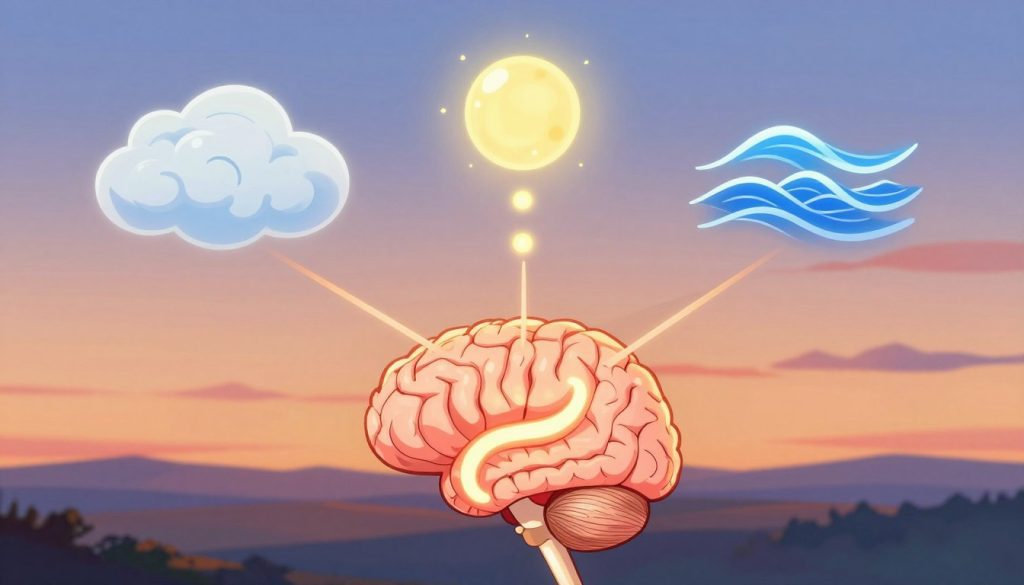
Understanding the intricate relationship between hormones and mood is crucial for maintaining emotional well-being. Hormones play a significant role in regulating our emotions, and fluctuations in hormone levels can significantly impact our mood.
The connection between hormones and emotional well-being is complex. Changes in hormone levels can affect our mood, leading to feelings of anxiety, irritability, or sadness. Recognising the signs of hormonal imbalance is the first step towards managing its impact on our emotional health.
Key Takeaways
- Understanding the role of hormones in emotional well-being is essential.
- Fluctuations in hormone levels can significantly affect mood.
- Recognising the signs of hormonal imbalance is crucial for managing emotional health.
- Hormonal changes can lead to various emotional responses.
- Maintaining emotional well-being requires awareness of hormone levels.
Understanding the Hormone-Mood Connection
Delving into the world of hormones reveals their significant impact on our mood and overall health. Hormones are not just chemical messengers; they are the unsung heroes that regulate various bodily functions, including our emotional state. Maintaining hormonal balance is crucial for a stable mood.

What Are Hormones and How Do They Work?
Hormones are produced by glands in the endocrine system and travel through the bloodstream to reach their target cells. They influence a wide range of bodily functions, from growth and development to metabolism and reproductive processes. Stress hormones, such as cortisol, play a significant role in our body’s response to stress, affecting our mood and energy levels.
- Regulate bodily functions
- Influence growth and development
- Affect metabolism and energy
The Brain-Hormone Relationship
The brain and hormones are intricately connected. The hypothalamus, a region of the brain, controls the pituitary gland, which in turn regulates other endocrine glands. This complex system ensures that hormones are produced and balanced according to the body’s needs. Neurotransmitters, such as serotonin and dopamine, work in tandem with hormones to regulate mood, appetite, and sleep.
- Hypothalamus controls the pituitary gland
- Pituitary gland regulates other endocrine glands
- Neurotransmitters influence mood and other functions
Hormones and Mood: Cortisol, Serotonin, and Dopamine
The intricate balance of hormones in our body plays a crucial role in regulating our mood, with cortisol, serotonin, and dopamine being key players. These hormones influence various aspects of our emotional well-being, from stress response to feelings of happiness and motivation.
Cortisol: The Stress Hormone
Cortisol is often referred to as the “stress hormone” because it is released in response to stress and anxiety. It plays a vital role in the body’s response to stress, affecting blood sugar levels, metabolism, and immune response.
How Cortisol Affects Daily Mood
Cortisol levels can significantly impact our daily mood. Elevated cortisol levels can lead to feelings of anxiety, irritability, and fatigue. Conversely, low cortisol levels can cause lethargy and depression.
Cortisol Imbalance Signs
Signs of cortisol imbalance include weight gain, insomnia, and mood swings. Recognising these signs is crucial for managing cortisol levels and maintaining emotional well-being.
Serotonin: The Happiness Regulator
Serotonin is a neurotransmitter that plays a key role in regulating mood, appetite, and sleep. It is often referred to as the “happiness hormone” due to its influence on feelings of well-being and happiness.
Serotonin Production and Function
Serotonin is produced in the brain and gut. It functions by transmitting signals between neurons, influencing mood, and other physiological processes.
Low Serotonin and Mood Disorders
Low serotonin levels have been linked to mood disorders such as depression and anxiety. Maintaining healthy serotonin levels is essential for emotional stability.
Dopamine: The Pleasure and Reward Hormone
Dopamine is associated with pleasure, reward, and motivation. It plays a crucial role in the brain’s reward system, influencing our desire to engage in pleasurable activities.
Dopamine’s Role in Motivation
Dopamine drives motivation by associating certain behaviours with pleasure or reward. This hormone is essential for learning and memory, as well as for regulating movement and emotional responses.
Balancing Dopamine Levels Naturally
Balancing dopamine levels can be achieved through activities that bring joy, such as exercise, listening to music, or engaging in hobbies. A healthy diet and adequate sleep also support dopamine production.
Other Key Hormones Affecting Your Emotional State
Our emotional state is influenced by a complex interplay of various hormones, including not just cortisol, serotonin, and dopamine, but also oestrogen, progesterone, testosterone, and oxytocin. These hormones interact in intricate ways to shape our emotional well-being.
The balance of these hormones is crucial for maintaining emotional stability. Let’s explore the roles of oestrogen, progesterone, testosterone, and oxytocin in influencing our emotional state.
Oestrogen and Progesterone
Oestrogen and progesterone are two key female sex hormones that significantly impact emotional well-being. Oestrogen influences the production of serotonin and other neurotransmitters, thereby affecting mood. Progesterone has a calming effect on the nervous system, helping to reduce anxiety. Fluctuations in these hormones during the menstrual cycle and menopause can lead to changes in emotional state.
Testosterone
Testosterone is often associated with male characteristics, but it is also present in females. It plays a role in regulating mood and is linked to feelings of confidence and energy. Low levels of testosterone have been associated with depression and fatigue. Maintaining optimal testosterone levels is essential for emotional well-being.
Oxytocin: The Bonding Hormone
Oxytocin is often referred to as the “love hormone” because it is involved in social bonding and attachment. It promotes feelings of trust and relaxation, contributing to a positive emotional state. Oxytocin release is triggered by physical touch, social interactions, and childbirth, highlighting its role in emotional connection and well-being.
Hormonal Fluctuations Throughout Life
From puberty to old age, hormonal changes play a crucial role in shaping our mood. As we journey through different life stages, our bodies undergo significant hormonal fluctuations that can impact our emotional well-being.
These changes can be particularly pronounced during certain periods. Let’s examine some of these key life stages:
Puberty and Adolescence
During puberty, the onset of hormonal changes can lead to mood swings and emotional turmoil. The surge in sex hormones like oestrogen and testosterone can affect the brain’s chemistry, leading to heightened emotional sensitivity.
Menstrual Cycle and Mood
The menstrual cycle is characterised by fluctuations in oestrogen and progesterone levels, which can influence mood. Some women experience premenstrual syndrome (PMS), marked by irritability and mood swings.
Menopause and Andropause
During menopause, the decline in oestrogen levels can lead to mood changes, including anxiety and depression. Similarly, andropause in men is associated with a decline in testosterone levels, affecting mood and emotional well-being.
Other Life Stages
- Puberty: Significant hormonal changes.
- Menstrual Cycle: Monthly fluctuations in mood.
- Menopause and Andropause: Decline in hormone levels.
Hormones and Mental Health Conditions
The intricate relationship between hormones and mental health conditions is a complex area of study that has garnered significant attention in recent years. Hormonal imbalances can significantly impact our mental wellbeing, contributing to various mental health conditions.
Research has shown that there is a strong link between hormonal fluctuations and mental health conditions such as depression and anxiety. Understanding this connection is crucial for developing effective treatment plans.
Depression and Anxiety: The Hormonal Connection
Depression and anxiety are two of the most common mental health conditions that have been linked to hormonal imbalances. Cortisol, often referred to as the stress hormone, plays a significant role in the development of these conditions. When cortisol levels are elevated over prolonged periods, it can disrupt the body’s natural balance, leading to symptoms of depression and anxiety.
Stress-Related Disorders and Cortisol
Cortisol is released in response to stress, and chronically elevated cortisol levels can lead to stress-related disorders. This can have a profound impact on an individual’s mental health, contributing to feelings of overwhelm and anxiety. Managing cortisol levels is crucial for mitigating the effects of stress-related disorders.
Hormonal Treatments in Mental Health Care
In some cases, hormonal treatments may be used to manage mental health conditions. For example, medications that regulate cortisol levels or influence other hormone systems can be effective in treating certain mental health conditions. However, these treatments should be used under the guidance of a healthcare professional to ensure they are used safely and effectively.
By understanding the complex interplay between hormones and mental health, individuals can take the first step towards managing their mental wellbeing. This knowledge can empower individuals to seek out appropriate treatments and make lifestyle changes that support hormonal balance.
Lifestyle Factors for Optimising Hormonal Balance
Lifestyle factors significantly influence our hormonal balance. By making informed choices, we can support our hormonal health and, by extension, our mood and emotional well-being.
Nutrition and Dietary Approaches
A balanced diet rich in whole foods, such as fruits, vegetables, whole grains, and lean proteins, is essential for maintaining hormonal balance. Including foods high in omega-3 fatty acids, like salmon, can support brain health and hormone production.
Sleep Quality and Circadian Rhythms
Good sleep hygiene is crucial for hormonal balance. Aim for 7-9 hours of sleep per night and maintain a consistent sleep schedule to support your body’s natural circadian rhythms.
Exercise and Physical Activity Benefits
Regular physical activity can help regulate hormones, including insulin and cortisol. Engage in a mix of aerobic exercise, strength training, and flexibility exercises to support overall hormonal health.
Stress Management Techniques
Chronic stress can disrupt hormonal balance. Practising stress-reducing techniques, such as meditation, yoga, or deep breathing exercises, can help mitigate this effect and support hormonal well-being.
Testing and Managing Your Hormone Levels
Knowing your hormone levels can help you take control of your health. Hormonal imbalances can lead to a range of symptoms, from mood swings and fatigue to more severe health issues. Testing and managing your hormone levels is a crucial step in maintaining overall well-being.
Common Hormone Tests and What They Mean
Several hormone tests can help diagnose imbalances. These include:
- Thyroid Function Tests: Measure the levels of thyroid hormones in your blood.
- Cortisol Tests: Assess cortisol levels to diagnose conditions like Cushing’s syndrome or adrenal insufficiency.
- Sex Hormone Tests: Evaluate levels of oestrogen, progesterone, and testosterone to identify imbalances that may affect fertility or overall health.
When to Seek Professional Help
If you’re experiencing symptoms of hormonal imbalance, it’s essential to consult a healthcare professional. They can recommend appropriate tests and develop a treatment plan tailored to your needs. Don’t hesitate to seek help if you’re experiencing:
- Persistent mood swings or depression
- Unexplained weight changes
- Fatigue or sleep disturbances
Early intervention can significantly improve your quality of life.
Conclusion: Taking Control of Your Hormonal Health
Understanding the intricate relationship between hormones and mood is crucial for maintaining emotional well-being. As discussed, various hormones, including cortisol, serotonin, and dopamine, play significant roles in regulating mood and emotional responses.
By recognising the impact of hormonal fluctuations throughout different life stages and adopting lifestyle factors that promote hormonal balance, individuals can take proactive steps towards improving their mental health. Nutrition, sleep quality, exercise, and stress management are all critical components in optimising hormonal health.
For those experiencing persistent mood disturbances or suspecting hormonal imbalances, seeking professional help is a vital step. Common hormone tests can provide valuable insights into an individual’s hormonal status, guiding appropriate interventions.
Taking control of hormonal health empowers individuals to enhance their emotional well-being and overall quality of life. By making informed choices and seeking support when needed, individuals can better regulate their mood and achieve a more balanced life, ultimately supporting effective mood regulation.