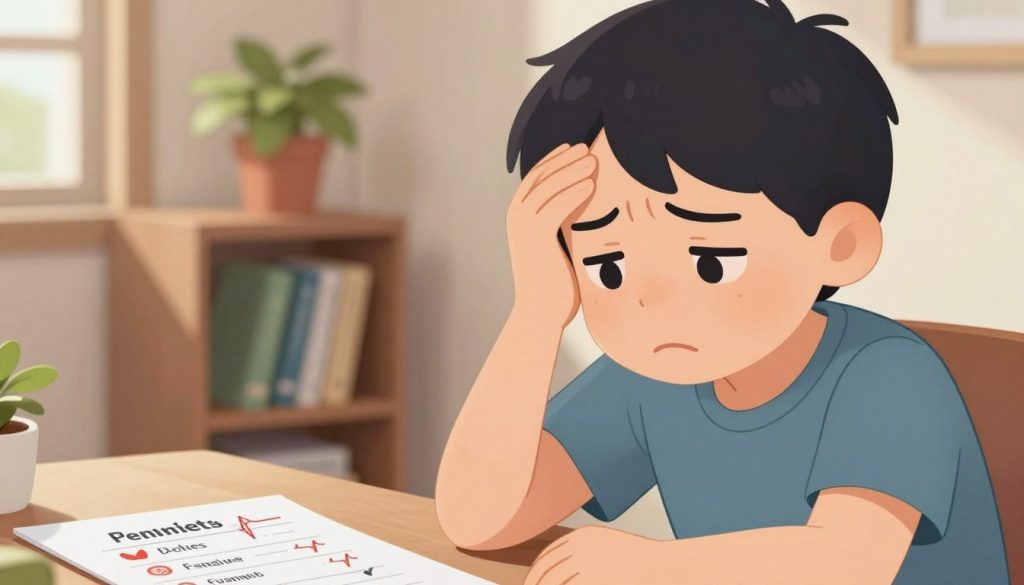
Feeling constantly worried about your physical well-being is a heavy burden to carry. Many people across the United Kingdom struggle with the weight of soothing anxiety when every minor sensation feels like a major concern. It is important to realise that you are not alone in this experience, and professional support is always available.
This guide offers a friendly path toward better emotional balance and internal peace. You will discover practical ways to quieten those persistent fears and regain control over your daily life. We focus on evidence-based strategies that provide genuine relief. By exploring these methods, you can begin to foster a much more resilient mindset.
We aim to demystify hypochondria by providing clear steps for coping and recovery. Your journey to a calmer, more confident mind starts here. This overview sets the stage for a thorough and helpful exploration of self-care techniques designed for long-term success.
Key Takeaways:
- Recognise common physical triggers and thought patterns.
- Learn effective breathing techniques to calm the nervous system.
- Understand when professional advice is truly beneficial for your peace of mind.
- Practise daily grounding exercises to remain present and focused.
1. Understanding Health Anxiety and Its Impact on Daily Life
Living with health anxiety can be a debilitating experience, impacting daily life in profound ways. It is an anxiety disorder that manifests as excessive worry about having a serious illness despite medical reassurance.
What Is Health Anxiety?
Health anxiety, also known as hypochondriasis, is characterized by a persistent fear of having a serious or life-threatening illness. This fear is often disproportionate to the actual risk and can be triggered by minor symptoms or even the mere possibility of illness.
Individuals with health anxiety may experience a range of symptoms, from mild to severe, and may become preoccupied with their health to the point where it interferes with their daily functioning.
How Health Anxiety Differs from Normal Health Concerns
While it’s normal to worry about health from time to time, health anxiety is distinct in its persistence and severity. People with health anxiety often engage in excessive health-related behaviours, such as frequent doctor visits, body checking, or online research, in an attempt to alleviate their fears.
- Excessive worry about health
- Frequent checking of body for signs of illness
- Repeatedly seeking reassurance from healthcare professionals
These behaviours can become a vicious cycle, reinforcing the anxiety and making it harder to manage.
The Vicious Cycle: Why Health Anxiety Persists
The persistence of health anxiety can be attributed to a cycle of fear, reassurance-seeking, and temporary relief, followed by increased anxiety. When individuals seek reassurance, they may experience a short-term reduction in anxiety, but this can lead to a long-term increase in anxiety as they become more vigilant for signs of illness.
Breaking this cycle is crucial for managing health anxiety, and this can involve learning new coping strategies and ways of thinking about health and illness.
2. Recognising Health Anxiety (Hypochondria) Symptoms
Identifying health anxiety symptoms is the first step towards seeking help and regaining control over one’s life. Health anxiety, or hypochondria, can manifest in various ways, making it essential to understand its different signs.
Common Physical and Behavioural Signs
Health anxiety can lead to several physical and behavioural symptoms. These include:
- Excessive checking of the body for signs of illness
- Frequent seeking of reassurance from healthcare professionals or loved ones
- Avoidance of certain activities or places due to fear of health risks
Excessive Body Checking and Monitoring
One of the common behavioural signs is excessive body checking. This involves constantly monitoring one’s body for any signs of illness or abnormality. It can include actions like frequently checking blood pressure, pulse, or looking for unusual bodily sensations.
Constant Reassurance Seeking
Another significant behavioural symptom is constant reassurance seeking. Individuals might repeatedly ask friends, family, or healthcare providers if they are ill or if a particular symptom is serious. This can be distressing for both the individual and those around them.
Emotional and Mental Symptoms
Health anxiety also has profound emotional and mental effects. It can lead to increased anxiety levels, depression, and a persistent fear of illness. These feelings can be overwhelming and affect daily life significantly.
How Health Anxiety Affects Your Relationships and Work
Health anxiety can strain relationships with family and friends due to the constant need for reassurance or avoidance of social situations. Professionally, it can impact productivity and overall job performance due to increased worry and distraction.
Understanding these symptoms is crucial for managing health anxiety effectively. By recognising the signs, individuals can take the first steps towards seeking appropriate help and improving their quality of life.
3. Practical Self-Help Techniques for Managing Health Anxiety
Taking control of health anxiety involves learning and applying several practical strategies. By adopting these techniques, individuals can significantly reduce their anxiety levels and improve their overall well-being.
Breaking the Reassurance-Seeking Cycle
One of the key challenges in managing health anxiety is breaking the cycle of reassurance seeking. This involves constantly seeking confirmation from healthcare professionals, friends, and family that one’s health is fine.
Setting Boundaries with Doctor Visits
Setting boundaries with doctor visits is crucial. This can be achieved by:
- Limiting the frequency of visits
- Avoiding unnecessary tests and examinations
- Discussing concerns with the doctor and setting a plan for managing health anxiety
Limiting Conversations About Health Worries
Limiting conversations about health worries with others can also help. This includes:
- Redirecting conversations to other topics
- Avoiding excessive discussion about health concerns on social media
- Seeking support from understanding friends and family without dwelling on health anxieties
Challenging and Reframing Anxious Thoughts
Challenging and reframing anxious thoughts is another effective technique. This involves identifying and questioning negative thought patterns.
Identifying Cognitive Distortions
Cognitive distortions, such as catastrophizing or overgeneralizing, can exacerbate health anxiety. Recognizing these distortions is the first step towards challenging them.
Using Evidence-Based Thinking
Using evidence-based thinking involves evaluating the evidence for and against anxious thoughts. This can help individuals develop a more balanced perspective on their health concerns.
Mindfulness and Grounding Techniques
Mindfulness and grounding techniques can help individuals stay present and focused, reducing the impact of health anxiety. These techniques include:
- Meditation and deep breathing exercises
- Grounding techniques, such as focusing on the five senses
- Engaging in physical activities that promote mindfulness
Reducing Body Checking and Online Symptom Searching
Reducing body checking and online symptom searching are critical steps in managing health anxiety. These behaviours can reinforce anxious thoughts and perpetuate the cycle of reassurance seeking.
By implementing these practical self-help techniques, individuals can take significant steps towards managing their health anxiety. For those requiring additional support, cognitive behavioural therapy and online therapy are effective options that can provide guidance and support.
4. Professional Treatment Options for Health Anxiety
While self-help techniques are valuable, professional treatment can provide additional support for those with health anxiety. Seeking help from a mental health professional can be a significant step towards managing and overcoming health anxiety.
Cognitive Behavioural Therapy for Health Anxiety
Cognitive Behavioural Therapy (CBT) is a highly effective treatment for health anxiety. It focuses on identifying and challenging negative thought patterns and behaviours that contribute to anxiety.
How CBT Addresses Hypochondria
CBT helps individuals understand how their thoughts, feelings, and actions are interconnected. By becoming more aware of these connections, individuals can learn to manage their health anxiety more effectively. CBT is particularly effective in addressing hypochondria by helping individuals challenge their fears and anxieties about their health.
What Happens During CBT Sessions
During CBT sessions, individuals work with a therapist to identify and challenge their negative thoughts and behaviours. The therapist may use various techniques, such as exposure and response prevention, to help the individual gradually become comfortable with the uncertainty of their health. This process can be challenging but is often highly rewarding.
Accessing Online Therapy and Mental Health Support in the UK
The UK offers a range of online therapy and mental health support services for individuals with health anxiety. These services can provide convenient and accessible support for those who prefer online therapy or have difficulty accessing in-person services.
- Online CBT platforms
- Mental health support groups
- Telephone helplines
These resources can be invaluable for individuals seeking support and guidance on managing their health anxiety.
Medication Options: When They May Help
In some cases, medication may be recommended to help manage health anxiety. Antidepressants, such as selective serotonin reuptake inhibitors (SSRIs), are commonly prescribed for anxiety disorders. Medication can be particularly helpful when used in conjunction with therapy, such as CBT.
Working with Your GP Effectively
Your GP plays a crucial role in your mental health care. Being open and honest with your GP about your health anxiety can help ensure you receive the most appropriate support. It’s helpful to prepare for your appointment by writing down your concerns and questions.
- Be clear about your symptoms and how they affect your daily life.
- Discuss any concerns or fears you have about your health.
- Ask about available treatment options and support services.
By working collaboratively with your GP, you can develop a treatment plan that meets your needs and helps you manage your health anxiety effectively.
5. Conclusion
Understanding and managing health anxiety is a journey that requires patience, self-compassion, and the right strategies. By recognising the symptoms of health anxiety and its impact on daily life, individuals can take the first steps towards recovery.
Utilising self-help techniques such as challenging anxious thoughts, practicing mindfulness, and reducing body checking can significantly alleviate anxiety disorders. For those who need additional support, professional treatment options like cognitive behavioural therapy and online therapy can provide valuable tools for managing mental health.
By taking control of health anxiety, individuals can improve their overall well-being and lead a more fulfilling life. It’s essential to work with healthcare professionals to develop a personalised plan for managing health anxiety.
With the right support and self-help techniques, it’s possible to break the cycle of health anxiety and improve mental health.