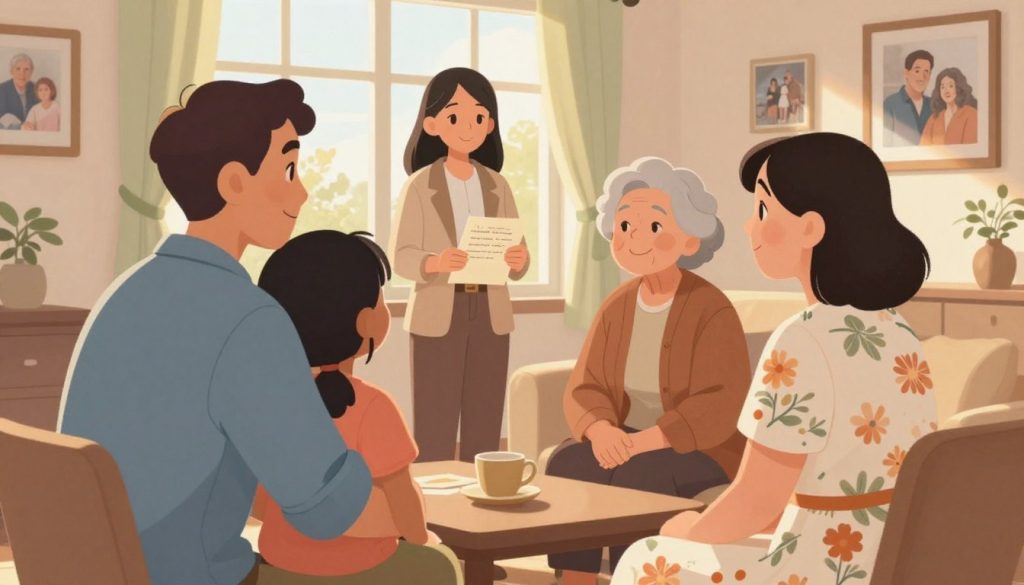
Generational trauma can have a profound impact on individuals and families, shaping their lives in profound ways. The wounds of the past can be passed down through generations, influencing relationships, behaviours, and overall well-being.
Addressing these deep-seated issues is crucial for healing family wounds and breaking the cycle of pain. By confronting the past and working through the associated emotions, individuals can begin to reclaim their future and forge a new path.
This process, while challenging, offers a powerful opportunity for personal growth and transformation. As individuals heal, they can develop greater resilience and improved mental health, leading to more fulfilling lives.
Key Takeaways
- Understanding the impact of generational trauma on individuals and families.
- The importance of addressing and healing family wounds.
- Breaking the cycle of trauma to reclaim one’s future.
- Opportunities for personal growth and transformation.
- Developing resilience and improving mental health.
Understanding Generational Trauma
Trauma is not limited to individual experiences; it can have a lasting impact on families for generations to come. This concept, known as generational trauma, suggests that the effects of traumatic events can be transmitted to subsequent generations, influencing their well-being and behaviour.
What Is Generational Trauma?
Generational trauma refers to the emotional and psychological pain that is passed down through families. This can result from various traumatic experiences, such as war, abuse, or significant loss. The trauma is not just a memory but can manifest as ongoing anxiety, depression, or other mental health issues in descendants.
How Trauma Gets Passed Down Through Families
The transmission of trauma through generations can occur through various mechanisms. Epigenetic changes, for instance, can affect gene expression in response to traumatic experiences, potentially influencing the mental health of offspring. Additionally, parenting styles and family dynamics shaped by trauma can further contribute to its perpetuation.
Understanding these mechanisms is crucial for addressing inherited trauma. By acknowledging the sources and pathways of generational trauma, individuals can begin to break the cycle and work towards intergenerational healing.
The Science Behind Inherited Trauma
Understanding the biological mechanisms behind generational trauma is crucial for breaking the cycle of trauma and healing ancestral pain. The science behind this phenomenon is complex, involving multiple disciplines.
Research in epigenetics has shown that traumatic experiences can lead to changes in gene expression, which can then be passed on to subsequent generations. This doesn’t mean that the trauma itself is directly inherited, but rather that the biological response to the trauma can be.
Epigenetics and Trauma Inheritance
Epigenetics is the study of heritable changes in gene function that occur without a change in the underlying DNA sequence. Traumatic events can trigger epigenetic changes, influencing how genes are expressed. For instance, studies have shown that survivors of traumatic events may exhibit changes in the genes responsible for stress response, which can then affect their offspring.

Neurological Impacts on Future Generations
The neurological impacts of inherited trauma can manifest in various ways, including changes in brain structure and function. This can influence emotional regulation, stress response, and overall mental health in descendants. Understanding these impacts is crucial for developing effective interventions to support those affected by intergenerational trauma.
By exploring the science behind inherited trauma, we can better comprehend the mechanisms at play and how they affect families across generations. This knowledge is a powerful tool in the journey towards healing and recovery.
Signs You May Be Carrying Ancestral Pain
Generational trauma can be a silent companion, shaping our emotions, behaviours, and even physical health. Recognising the signs of ancestral pain is the first step towards overcoming family trauma and breaking the chains of generational trauma.
Emotional and Psychological Indicators
Emotional and psychological indicators of ancestral pain can include unexplained anxiety, depression, or a pervasive sense of dread. You might experience intense emotional reactions to seemingly minor events or feel disconnected from your emotions.
Behavioural Patterns That Signal Inherited Trauma
Certain behavioural patterns can signal inherited trauma, such as repeating destructive relationship patterns or engaging in self-sabotaging behaviours. You might also notice a tendency to people-please or have difficulty setting healthy boundaries.
Physical Manifestations of Generational Trauma
Generational trauma can also manifest physically, leading to chronic pain, unexplained illnesses, or other somatic symptoms. Some people may experience sleep disturbances or other physical symptoms without an apparent medical cause.
By acknowledging these signs and understanding their connection to ancestral pain, you can begin your journey towards healing and liberation. Recognising the impact of generational trauma is a powerful step in reclaiming your future and creating a more fulfilling life.
The Impact of Unresolved Family Wounds
Unhealed family wounds can subtly yet profoundly influence an individual’s personal and professional trajectory. The legacy of unresolved trauma can manifest in various aspects of life, from personal relationships to career choices and mental health.
Effects on Personal Relationships
Unresolved family wounds can lead to difficulties in forming and maintaining healthy relationships. Individuals may struggle with trust issues or exhibit dysfunctional attachment patterns due to the trauma they’ve inherited.
Influence on Career and Life Choices
The impact of unresolved family trauma can also extend to career and life choices. People may find themselves drawn to or repelled by certain professions or lifestyles based on their family’s past experiences.
Mental Health Consequences in British Context
In the UK, the mental health consequences of unresolved family wounds are a significant concern. The cultural and societal pressures can exacerbate the effects of intergenerational trauma, making it crucial to address these issues through intergenerational healing practices.
Breaking Generational Trauma: First Steps
Embarking on the journey to break generational trauma requires a courageous first step: understanding your family’s past. This initial step is crucial in addressing the inherited patterns that affect your life.
Acknowledging Your Family History
Acknowledging your family history involves researching your ancestors’ experiences, including their struggles, traumas, and significant life events. This can help you understand the root causes of certain behaviours or emotional responses you’ve inherited.
- Talk to older family members to gather information.
- Research historical events that may have impacted your family.
- Keep a journal to record your findings and reflections.
Creating Boundaries with Toxic Family Dynamics
Establishing boundaries is vital when dealing with toxic family dynamics. This can mean limiting contact or setting clear expectations for how you wish to be treated.
Key steps include:
- Identify the toxic behaviours you want to protect yourself from.
- Communicate your boundaries clearly and assertively.
- Be prepared to enforce your boundaries consistently.
Self-Compassion Practices for Healing
Practicing self-compassion is essential for healing from generational trauma. This involves treating yourself with kindness, understanding, and patience.
- Meditation and mindfulness exercises.
- Journaling your feelings and experiences.
- Engaging in activities that bring you joy and relaxation.
Therapeutic Approaches to Intergenerational Healing
Healing from generational trauma requires a multifaceted approach that incorporates various therapeutic techniques. Individuals in the UK have access to a range of effective therapies designed to address intergenerational trauma.
Professional Therapy Options in the UK
The UK offers several professional therapy options for those seeking to overcome family trauma. These include:
- Trauma-focused therapies
- Specialized counselling services
- Group therapy sessions
Trauma-Focused Cognitive Behavioural Therapy
Trauma-Focused Cognitive Behavioural Therapy (TF-CBT) is a highly effective approach for addressing generational trauma. This therapy helps individuals understand and change negative thought patterns associated with their trauma.
EMDR and Somatic Experiencing
Eye Movement Desensitization and Reprocessing (EMDR) and Somatic Experiencing are two therapies that have shown significant promise in treating intergenerational trauma. EMDR helps process traumatic memories, while Somatic Experiencing focuses on releasing physical tension stored in the body due to trauma.
NHS Resources and Support Groups
The NHS provides various resources and support groups for individuals dealing with generational trauma. These include:
Key NHS Resources:
- Access to counselling services
- Trauma support groups
- Mental health initiatives
Utilizing these resources can be a crucial step in overcoming family trauma and promoting intergenerational healing.
Cultural and Spiritual Dimensions of Healing Ancestral Pain
Embracing cultural and spiritual practices is essential for intergenerational healing and breaking the cycle of trauma. This holistic approach allows individuals to reconnect with their heritage and find solace in traditional practices.
Reconnecting with Cultural Traditions
Reconnecting with cultural traditions can be a powerful step in healing ancestral pain. By embracing cultural heritage, individuals can tap into a sense of identity and community, helping to alleviate the effects of intergenerational trauma. Traditional practices such as cultural ceremonies and storytelling can provide a sense of continuity and connection to one’s ancestors.
Mindfulness and Meditation Practices
Mindfulness and meditation are valuable tools in the healing process. These practices help individuals cultivate a sense of inner peace and calm, reducing the impact of ancestral pain. Regular mindfulness practice can lead to increased self-awareness and emotional regulation, essential for managing the effects of intergenerational trauma.
Community Support for Collective Healing
Community support is vital for collective healing. Engaging with others who share similar experiences can foster a sense of belonging and understanding. Support groups and community programs focused on intergenerational healing can provide a safe space for individuals to share their stories and find support.
Reclaiming Your Future Beyond Family Trauma
Breaking the chains of generational trauma is a journey towards healing family wounds and reclaiming your future. By understanding the science behind inherited trauma and recognising the signs of ancestral pain, you can begin to break free from the patterns that have held you back.
Therapeutic approaches, cultural traditions, and community support can all play a vital role in this process. By acknowledging your family history, creating boundaries, and practising self-compassion, you can start to heal and move forward.
Healing is a journey, not a destination. Every step you take towards breaking the chains of generational trauma is a step towards a brighter, more empowered future. You have the power to create a new narrative, one that is free from the burdens of the past and filled with hope and possibility.