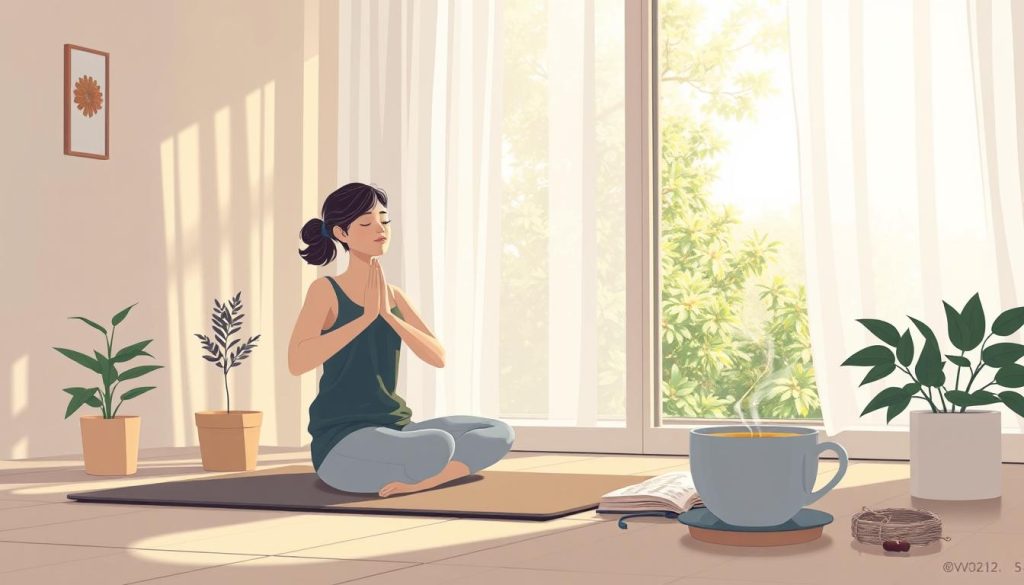
Managing anxiety relief is crucial in today’s fast-paced world. Effective stress management strategies can significantly improve one’s quality of life.
By incorporating simple yet effective techniques into daily routines, individuals can better cope with anxiety. These stress management strategies are designed to be accessible and easy to implement.
Key Takeaways
- Discover practical anxiety relief methods
- Learn how to integrate stress management strategies into daily life
- Understand the importance of managing anxiety for overall wellbeing
- Explore various everyday anxiety management techniques
- Find out how these techniques can lead to a more balanced life
Understanding Anxiety and Its Impact on Daily Life
Understanding anxiety is crucial for managing its impact on daily life. Anxiety is a common mental health issue that can significantly affect an individual’s well-being and daily functioning. Effective anxiety management tools and mental health tips can make a substantial difference in coping with anxiety.

Recognising the Signs of Anxiety
Recognising the signs of anxiety is the first step towards managing it. Common signs include persistent feelings of worry, fear, or unease that are difficult to control. Other indicators may be physical, such as a rapid heartbeat, sweating, or trembling. Being aware of these signs can help individuals seek appropriate coping with anxiety strategies.
How Anxiety Affects Your Mind and Body
Anxiety can have a profound impact on both the mind and body. Mentally, it can lead to feelings of overwhelm, difficulty concentrating, and irritability. Physically, anxiety can cause tension headaches, fatigue, and sleep disturbances. Understanding these effects is vital for developing effective anxiety management techniques that address both mental and physical aspects.
Breathing Techniques for Immediate Anxiety Relief
When anxiety strikes, one of the most effective ways to calm the mind and body is through conscious breathing techniques. These methods help regulate the body’s response to stress, promoting relaxation and reducing feelings of anxiety.
Box Breathing Method
The Box Breathing Method is a simple yet effective technique for calming the nervous system. It involves breathing in for a count of 4, holding the breath for a count of 4, exhaling for a count of 4, and holding the exhale for a count of 4.
Step-by-Step Instructions
- Begin by inhaling through your nose for a count of 4.
- Hold your breath for a count of 4.
- Exhale through your mouth for a count of 4.
- Hold your exhale for a count of 4.
- Repeat the cycle for several minutes.
4-7-8 Breathing Technique
The 4-7-8 Breathing Technique, also known as the “Relaxation Breath,” is a powerful method for reducing anxiety. It involves breathing in through the nose for a count of 4, holding the breath for a count of 7, and exhaling through the mouth for a count of 8.
When and How to Use It
This technique is particularly useful before bed or during moments of high anxiety. To practice, sit comfortably with your back straight, place the tip of your tongue behind your upper teeth, and breathe in through your nose. Hold your breath, and then exhale through your mouth, making a soft “whooshing” sound.

Diaphragmatic Breathing Practice
Diaphragmatic Breathing, or belly breathing, engages the diaphragm to help calm the nervous system. It involves breathing deeply into the lungs, allowing the belly to rise as the diaphragm descends.
Benefits for Long-Term Anxiety Management
Regular practice of diaphragmatic breathing can lead to reduced overall anxiety levels, improved respiratory function, and enhanced relaxation. To practice, lie on your back with one hand on your belly and the other on your chest, and breathe deeply, allowing your belly to rise with each inhale.
Physical Activities That Reduce Anxiety
Incorporating physical activity into your daily routine can significantly reduce anxiety. Regular exercise is a powerful tool for managing stress and promoting overall well-being.
The Science Behind Exercise and Anxiety
Exercise has been shown to have a positive impact on anxiety by releasing endorphins, also known as “feel-good” hormones. These natural chemicals help alleviate symptoms of anxiety and improve mood.
Low-Impact Exercises for Beginners
For those new to exercise, low-impact activities are an excellent starting point. These include walking, gentle yoga, and other low-intensity movements that are easy on the joints.
Walking Meditation
Walking meditation combines the benefits of physical activity with mindfulness techniques. By focusing on your footsteps, you can calm your mind and reduce anxiety.
Gentle Yoga Poses
Gentle yoga poses are designed to promote relaxation and flexibility. These poses can help reduce muscle tension and improve overall well-being.
Incorporating Movement Into Your Daily Routine
To reap the benefits of physical activity, it’s essential to incorporate it into your daily routine. Start with small, achievable goals, such as a short walk each day, and gradually increase your activity level.
By making physical activity a priority, you can develop effective stress management strategies and improve your overall mental health.
Mindfulness and Meditation Practices
Mindfulness exercises and meditation practices are increasingly recognised as effective tools for anxiety management. These practices help individuals develop a greater awareness of their thoughts and emotions, allowing them to respond to challenging situations more mindfully.
Five-Minute Mindfulness Exercises
For those new to mindfulness, starting with short exercises can be incredibly beneficial. One simple technique is the 5-4-3-2-1 sensory exercise.
The 5-4-3-2-1 Sensory Technique
This exercise involves noticing:
- 5 things you can see around you
- 4 things you can touch or feel
- 3 things you can hear
- 2 things you can smell
- 1 thing you can taste
This technique helps ground you in the present moment, reducing feelings of anxiety.
Body Scan Meditation for Anxiety
Body scan meditation is another effective practice for managing anxiety. It involves lying down or sitting comfortably, and bringing awareness to different parts of your body, starting from your toes and moving up to the top of your head.
As you focus on each area, release any tension or discomfort, allowing yourself to relax further with each breath.
Using Apps and Resources for Guided Practice
For those who prefer guided meditation, there are numerous apps and online resources available. These tools offer a variety of meditation practices tailored to different needs and experience levels.
Recommended UK-Based Resources
Some popular UK-based resources include:
- Headspace: Offers personalised meditation sessions
- Calm: Features guided meditation and sleep stories
- The British Association for Mindfulness: Provides information and courses on mindfulness practices
By exploring these resources, individuals can find the support and guidance needed to establish a consistent mindfulness and meditation practice.
Everyday Anxiety Management Techniques That Actually Help
For individuals dealing with anxiety, incorporating simple yet effective techniques into their daily routine can make a substantial difference. By adopting these practices, individuals can better cope with anxiety and improve their overall well-being.
Grounding Techniques for Panic Moments
Grounding techniques are effective in managing anxiety during panic moments. These techniques help individuals focus on the present and distract them from anxious thoughts.
Physical Grounding Methods
Physical grounding methods involve using the senses to ground oneself. Examples include:
- Paying attention to the sensation of feet on the ground
- Noticing the sounds around you
- Feeling the air on your skin
Mental Grounding Exercises
Mental grounding exercises involve mental activities that help individuals focus on the present. Examples include:
- Reciting a poem or a song lyrics
- Counting backwards from a number
- Thinking of a safe place
Journaling for Anxiety Relief
Journaling is a powerful tool for managing anxiety. It allows individuals to express their thoughts and feelings, gaining clarity and perspective.
Prompts to Get Started
To start journaling for anxiety relief, consider using prompts such as:
- What are my goals for the day?
- What am I grateful for?
- What are my worries, and how can I address them?
Creating a Personal Anxiety Toolkit
A personal anxiety toolkit is a collection of techniques and items that help individuals manage anxiety. It’s a personalized approach to coping with anxiety.
Items to Include
Consider including the following items in your anxiety toolkit:
- A stress ball or fidget toy
- A journal or notebook
- A list of grounding techniques
By incorporating these techniques into daily life, individuals can develop effective coping strategies for managing anxiety.
Lifestyle Adjustments for Long-Term Anxiety Management
Long-term anxiety management is not just about coping mechanisms; it’s also about making meaningful lifestyle adjustments. By incorporating a few key changes into your daily routine, you can significantly reduce your anxiety levels over time.
Sleep Hygiene and Anxiety
Poor sleep hygiene can exacerbate anxiety, making it essential to establish a consistent sleep schedule and create a calming bedtime routine.
Creating a Calming Bedtime Routine
Developing a calming pre-sleep routine can signal to your brain that it’s time to wind down. This can include activities such as reading, taking a warm bath, or practicing gentle stretches. Avoid screens and electronic devices at least an hour before bedtime to improve sleep quality.
Nutrition and Its Impact on Anxiety Levels
The food you eat plays a significant role in your mental health. Certain foods can worsen anxiety, while others can help alleviate it.
Foods That May Worsen Anxiety
Consuming high amounts of caffeine, sugar, and processed foods can negatively impact your anxiety levels. Reducing or avoiding these foods can help in managing anxiety.
Beneficial Dietary Choices
Incorporating a balanced diet rich in whole foods, fruits, vegetables, and lean proteins can support mental health. Foods high in omega-3 fatty acids, such as salmon, and those rich in complex carbohydrates, like whole grains, are particularly beneficial.
Setting Boundaries in Work and Personal Life
Establishing clear boundaries between your work and personal life is crucial for managing anxiety. Learning to say “no” to non-essential tasks and prioritizing self-care can significantly reduce stress.
Practical Examples and Scripts
When setting boundaries, it’s helpful to be clear and direct. For example, you might say, “I’m unable to take on additional work at this time. I need to prioritize my current tasks.” Practicing assertive communication can help you maintain healthy boundaries.
Building a Support System
Creating a support system is a key step in managing anxiety and improving mental health. Having people you can rely on and talk to can make a significant difference in how you cope with anxiety.
Communicating About Anxiety with Loved Ones
It’s essential to communicate openly with your loved ones about your anxiety. This can help them understand what you’re going through and how they can support you.
Starting Difficult Conversations
Starting a conversation about your anxiety can be challenging, but being honest and clear is crucial. You can start by expressing your feelings and explaining how anxiety affects you. Using “I” statements can help avoid blame and defensiveness.
Finding Community Resources and Support Groups
Besides loved ones, community resources and support groups can provide additional help and understanding. These groups offer a safe space to share experiences and learn from others who are coping with anxiety.
NHS and Charity Options in the UK
In the UK, the NHS and various charities offer support for individuals dealing with anxiety. The NHS provides mental health services, including therapy and counselling. Charities like Anxiety UK and Mind offer resources, support groups, and helplines.
Conclusion: Creating Your Personalised Anxiety Management Plan
By incorporating everyday anxiety management techniques that actually help into your daily routine, you can take control of your anxiety and improve your overall well-being. The various stress reduction methods and mindfulness exercises discussed in this article provide a solid foundation for managing anxiety.
To create a personalised anxiety management plan, start by identifying the techniques that work best for you. Experiment with different mindfulness exercises, such as body scan meditation or deep breathing, and incorporate physical activities that bring you joy. By combining these techniques with healthy lifestyle adjustments, such as a balanced diet and regular sleep schedule, you can develop a comprehensive plan to manage anxiety.
Remember, managing anxiety is a journey, and it’s essential to be patient and compassionate with yourself. By taking small steps towards creating your personalised anxiety management plan, you can reduce anxiety and improve your quality of life. Start your journey today and discover the benefits of effective anxiety management.
FAQ
What are some simple mindfulness exercises I can do daily to help manage anxiety?
You can try the 5-4-3-2-1 sensory technique, which involves noticing five things you can see, four things you can touch, three things you can hear, two things you can smell, and one thing you can taste. This exercise can help ground you in the present moment and reduce feelings of anxiety.
How can I incorporate physical activity into my daily routine to help alleviate anxiety?
You can start by incorporating low-impact exercises such as walking or gentle yoga into your daily routine. Even a short walk around the block can help reduce anxiety. You can also try walking meditation, which involves paying attention to your surroundings while you walk.
What are some grounding techniques I can use during a panic attack?
You can try physical grounding methods such as deep breathing, progressive muscle relaxation, or focusing on your five senses. Mental grounding exercises such as visualisation or repeating a calming phrase can also be helpful.
How can journaling help with anxiety relief?
Journaling can help you process your thoughts and emotions, gain perspective, and identify patterns and triggers. You can start by writing down your thoughts and feelings, and then use prompts such as “What am I grateful for?” or “What can I do to feel more calm?” to guide your writing.
What are some lifestyle adjustments I can make to help manage anxiety in the long term?
You can start by establishing a consistent sleep routine, avoiding caffeine and sugary foods, and setting boundaries in your work and personal life. Practising self-care and making time for activities that bring you joy can also help reduce anxiety.
Where can I find community resources and support groups for anxiety in the UK?
You can start by contacting the NHS or organisations such as Anxiety UK or Mind. They offer a range of resources, including support groups, online forums, and helplines, that can provide you with the support and guidance you need to manage your anxiety.
How can I talk to my loved ones about my anxiety?
You can start by choosing a comfortable and private setting, and being honest and open about your experiences. You can also use “I” statements to express your feelings and avoid blaming or becoming confrontational. This can help your loved ones understand your needs and provide you with the support you need.