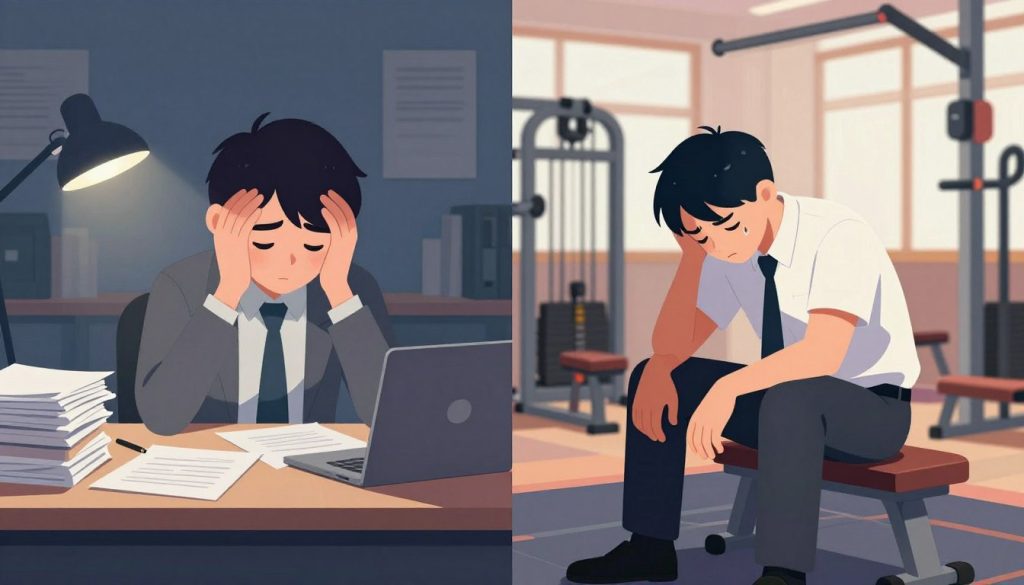
Burnout is a state of exhaustion that can affect individuals in different ways. While some people may experience physical exhaustion, others may feel drained emotionally. Understanding the differences between emotional and physical burnout is crucial for effective management.
The distinction between these two forms of burnout is not always clear-cut, but it is essential to recognise the signs and symptoms to develop strategies for mitigation. This article aims to explore the differences between emotional and physical burnout, providing insights into how to identify and manage each.
Key Takeaways
- Burnout can manifest as either emotional or physical exhaustion.
- Understanding the differences between emotional and physical burnout is vital.
- Recognising the signs and symptoms is crucial for effective management.
- Strategies for mitigating burnout depend on its form.
- Identifying burnout early can prevent long-term damage.
Understanding the Two Faces of Burnout
Burnout, a state of emotional, mental, and physical exhaustion, is a growing concern. It affects individuals from all walks of life, impacting their well-being and productivity. To address burnout effectively, it’s essential to understand its different facets.
What Exactly Is Burnout?
Burnout is a complex condition characterized by emotional exhaustion, reduced performance, and increased cynicism towards work or life. It is not simply being tired or stressed; it’s a profound feeling of being drained. The World Health Organization has recognized burnout as an occupational phenomenon, highlighting its significance in modern life.
The Rising Prevalence of Burnout in British Society
Burnout is becoming increasingly prevalent in British society, affecting not just workers but also students and individuals in various roles. According to recent studies, over 30% of UK workers experience stress or burnout at work. Factors contributing to this rise include long working hours, lack of work-life balance, and increased pressure to perform. The impact is significant, with consequences on mental and physical health, job satisfaction, and overall quality of life.
Why Distinguishing Between Types Matters for Recovery
Distinguishing between emotional and physical burnout is crucial for effective recovery. Emotional burnout often manifests as feelings of hopelessness, detachment, and cynicism, while physical burnout is characterized by fatigue, sleep disturbances, and physical ailments. Recognizing the type of burnout helps in tailoring the recovery approach. For instance, addressing emotional burnout may involve counselling and stress management techniques, whereas physical burnout may require rest, exercise, and nutritional interventions. Key differences include:
- Emotional Burnout: Psychological indicators, impact on personal relationships
- Physical Burnout: Physical symptoms, sleep disturbances
Understanding these differences is key to developing effective management strategies for burnout.
Emotional Burnout vs Physical Burnout: Key Differences
Emotional burnout and physical burnout, while interconnected, have unique origins and manifestations. Understanding these differences is crucial for developing effective strategies to manage and prevent burnout.
Origins and Triggers of Each Type
Emotional burnout often stems from prolonged stress, overwork, and lack of balance in life. It can be triggered by factors such as chronic emotional demands, lack of control over work, and poor social support. On the other hand, physical burnout is typically caused by prolonged physical activity, lack of rest, and poor recovery practices.
- Emotional burnout triggers: high-pressure work environments, lack of autonomy, and unsupportive relationships.
- Physical burnout triggers: excessive exercise, inadequate sleep, and insufficient nutrition.
Recognising these triggers is the first step towards managing burnout effectively.
How They Develop and Progress Differently
The progression of emotional burnout is often gradual, starting with feelings of overwhelm and emotional exhaustion. If not addressed, it can lead to cynicism, detachment, and a reduced sense of personal accomplishment. Physical burnout, however, progresses from physical fatigue to more severe conditions like chronic fatigue syndrome or increased susceptibility to illnesses.

- Emotional burnout progression: emotional exhaustion, cynicism, and reduced performance.
- Physical burnout progression: physical fatigue, decreased performance, and potential long-term health issues.
The Interconnection Between Mental and Physical Exhaustion
It’s essential to acknowledge that emotional and physical burnout are not isolated; they can influence each other. For instance, chronic emotional stress can lead to physical symptoms like headaches or gastrointestinal issues, while prolonged physical exhaustion can impact mental health, leading to anxiety or depression.
- Managing emotional burnout: psychological support, stress management techniques, and work-life balance.
- Preventing physical burnout: adequate rest, balanced nutrition, and regular, moderate exercise.
By understanding the key differences and interconnections between emotional and physical burnout, individuals can adopt a more holistic approach to managing their well-being.
Recognising Emotional Burnout: Signs and Symptoms
Recognising the signs of emotional burnout is crucial for taking the first steps towards recovery. Emotional burnout can manifest in various ways, making it essential to understand its psychological, behavioural, and relational indicators.
Psychological Indicators of Emotional Exhaustion
Emotional burnout often begins with feelings of overwhelming exhaustion, a sense of dread about going to work, or feeling trapped and hopeless. Other psychological indicators include:
- Increased cynicism and detachment from work or activities once enjoyed
- Reduced performance and productivity
- A growing sense of inadequacy or self-doubt
These feelings can be subtle at first but can escalate if not addressed.
Behavioural Changes to Watch For
As emotional burnout progresses, it can lead to noticeable changes in behaviour. Some common changes include:
- Withdrawal from social interactions or activities
- Increased irritability or mood swings
- Procrastination or avoidance of tasks
These changes can be early warning signs that something is amiss.
Impact on Personal Relationships and Work Performance
Emotional burnout can have significant consequences on both personal relationships and work performance. It can lead to:
- Strained relationships due to increased irritability or withdrawal
- Decreased productivity and efficiency at work
- A lack of satisfaction or sense of accomplishment
Addressing emotional burnout is crucial to mitigating these impacts.
Self-Assessment: Are You Experiencing Emotional Burnout?
To determine if you’re experiencing emotional burnout, ask yourself:
- Do you feel consistently drained or exhausted?
- Have you become increasingly cynical or detached from your work or activities?
- Are you experiencing significant stress or anxiety?
If you’ve answered ‘yes’ to several of these questions, it may be time to seek support or implement coping strategies for burnout.
Understanding and recognising the signs of emotional burnout is the first step towards managing it effectively. By being aware of the psychological indicators, behavioural changes, and the impact on personal and work life, individuals can take proactive steps towards recovery and learn how to overcome emotional exhaustion.
Identifying Physical Burnout: When Your Body Says Stop
When your body starts to feel the strain of prolonged stress, it may be on the verge of physical burnout. Physical burnout is a state of extreme physical exhaustion that can significantly impact your daily functioning and overall well-being. It’s essential to distinguish between physical and emotional burnout, as each requires a different approach to recovery.
Physical Symptoms and Warning Signs
Physical burnout manifests through various physical symptoms and warning signs. These can include persistent fatigue, muscle pain, and a general feeling of being unwell. It’s crucial to pay attention to these signs, as they can escalate if not addressed promptly.
Some common physical symptoms of burnout include:
- Chronic tiredness or fatigue
- Musculoskeletal pain
- Gastrointestinal issues
- Headaches
Sleep Disturbances and Energy Depletion
Sleep disturbances are a hallmark of physical burnout. Individuals experiencing burnout may find it difficult to fall asleep or stay asleep, leading to a vicious cycle of sleep deprivation and further exhaustion. Energy depletion is another critical aspect, where even simple tasks can feel overwhelming due to a lack of physical energy.
To manage sleep disturbances, it’s recommended to:
- Establish a consistent sleep schedule
- Create a relaxing bedtime routine
- Avoid caffeine and electronics before bedtime
Long-term Health Consequences of Ignoring Physical Burnout
Ignoring physical burnout can lead to severe long-term health consequences, including cardiovascular disease, diabetes, and a weakened immune system. It’s vital to address burnout early to prevent these complications.
Self-Assessment: Are You Experiencing Physical Burnout?
To determine if you’re experiencing physical burnout, ask yourself:
- Do you feel persistently tired or exhausted?
- Are you experiencing frequent physical complaints like headaches or muscle pain?
- Have you noticed a decline in your physical performance or motivation?
If you answered ‘yes’ to several of these questions, it may be time to take steps to address physical burnout.
Effective Management Strategies for Both Types of Burnout
A holistic strategy is crucial for managing burnout, incorporating methods that address both emotional and physical burnout. By understanding and implementing these strategies, individuals can better cope with the pressures of modern life.
Psychological Approaches to Tackling Emotional Burnout
Managing emotional burnout requires a multi-faceted psychological approach. This includes:
- Mindfulness and Meditation: Practicing mindfulness and meditation can help reduce stress and improve emotional resilience.
- Cognitive Behavioral Therapy (CBT): CBT is a helpful technique for identifying and changing negative thought patterns that contribute to emotional burnout.
- Boundary Setting: Establishing clear boundaries between work and personal life is essential for preventing emotional exhaustion.
By incorporating these psychological approaches into daily life, individuals can better manage emotional burnout and improve their overall well-being.
Addressing Physical Burnout: Bodily Care and Recovery
Preventing physical burnout involves taking care of the body’s needs. Key strategies include:
- Regular Exercise: Engaging in regular physical activity can help reduce physical fatigue and improve energy levels.
- Adequate Sleep: Ensuring sufficient sleep is crucial for physical recovery and overall health.
- Nutrition and Hydration: Maintaining a balanced diet and staying hydrated are fundamental to preventing physical burnout.
When to Seek Professional Help from NHS and UK Resources
It’s essential to recognize when burnout requires professional intervention. If symptoms persist or worsen, seeking help from NHS and UK resources is a crucial step. This can include:
- Consulting a GP or healthcare professional for guidance and support.
- Accessing NHS mental health services for counseling and therapy.
- Utilizing UK-based support groups and online resources for additional help.
By knowing when to seek help, individuals can ensure they receive the necessary support to manage burnout effectively.
Conclusion
Recognising the differences between emotional burnout vs physical burnout is crucial for effective management and recovery. As discussed, both types of burnout have distinct signs and symptoms that can significantly impact daily life and overall well-being.
The key to mitigating burnout lies in understanding its origins, triggers, and progression. By acknowledging the psychological indicators of emotional exhaustion and the physical symptoms of physical burnout, individuals can take proactive steps towards recovery.
Addressing emotional burnout requires psychological approaches, such as stress management and emotional support, while tackling physical burnout involves bodily care and recovery techniques, like exercise and healthy sleep habits. Knowing when to seek professional help from NHS and UK resources is also vital.
By taking a holistic approach to managing burnout, individuals can reduce the risk of long-term health consequences and improve their overall quality of life. Understanding the differences between emotional burnout and physical burnout is the first step towards a healthier, more balanced life.