

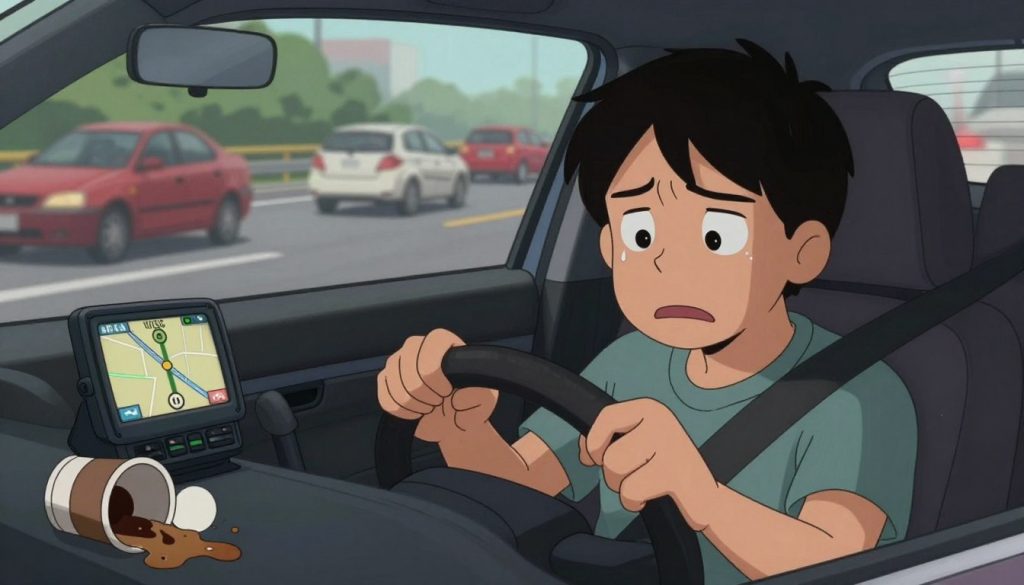
You might notice your palms getting sweaty or your heart beating faster as you reach for your car keys. This sense of worry can make simple trips feel like a massive mountain to climb.
It is important to realise that you are certainly not on your own with these difficult emotions. Many motorists face a similar sense of dread when they approach a busy motorway or a complex junction. Having a fear of driving is a real hurdle that many people face daily.
This guide looks at why these heavy feelings occur and how they impact your daily life. This specific anxiety does not have to be a permanent roadblock in your life. With the right support, you can start to feel much more comfortable behind the wheel once again.
We will break down the primary causes and offer gentle ways to handle your stress. Our goal is to ensure you feel empowered and ready to enjoy the open road at your own pace. Let us explore the path toward a more relaxed motoring experience together.
What Is Driving Anxiety?
Driving Anxiety, also known as driving phobia, is a recognized condition that can have a profound impact on an individual’s quality of life. It is characterized by an excessive or irrational fear of driving that can manifest differently in different people.
For some, anxiety while driving may be a mild and manageable condition, causing slight unease in certain driving situations. For others, it can be a debilitating driving phobia that significantly limits their independence and freedom.
The impact of driving anxiety can be far-reaching, affecting not only the individual but also their family and friends. It can limit career opportunities, social interactions, and overall well-being. Understanding that driving anxiety is a legitimate condition is the first step towards addressing it.
By acknowledging the existence and effects of driving anxiety, individuals can begin to seek help and work towards overcoming their fears. This can involve a range of strategies, from gradual exposure to driving to seeking professional help.
Recognising the Signs and Symptoms
Driving anxiety can manifest in various ways, making it essential to recognise its signs and symptoms. Understanding these manifestations is crucial for individuals to identify whether they or someone they know is experiencing driving anxiety.
Physical Symptoms
The physical symptoms of driving anxiety can be quite pronounced. They may include a racing heart, sweating, trembling, or even panic attacks while driving or thinking about driving. These physical reactions are the body’s response to the perceived threat or stress of driving.
In some cases, individuals might experience nausea or dizziness, further complicating their ability to drive safely. It’s essential to acknowledge these physical symptoms as potential indicators of driving anxiety.
Emotional and Mental Symptoms
Emotional and mental symptoms are equally significant and can be more challenging to identify. Feelings of fear, panic, or intense anxiety while driving are common. These emotions can be overwhelming, making it difficult for individuals to concentrate on the road.
Mental symptoms can also include persistent worry about driving or avoiding driving due to fear of having an accident or getting lost. These symptoms can significantly impact an individual’s quality of life.
Behavioural Signs
Behavioural signs are often the most noticeable indicators of driving anxiety. These can include avoiding driving altogether, becoming overly cautious while driving, or relying heavily on others for transportation. Some individuals might also exhibit defensive driving behaviours, such as driving much slower than the speed limit or leaving large gaps between themselves and other vehicles.
Recognising these signs and symptoms is the first step towards addressing driving anxiety. By understanding the physical, emotional, and behavioural manifestations, individuals can seek appropriate help and start their journey towards coping with driving anxiety.
Why Do People Develop Fear of Driving?
The development of a fear of driving can be attributed to several factors, making it a multifaceted issue. Understanding these underlying causes is crucial for addressing and overcoming driving anxiety.
Past Traumatic Experiences
One of the primary reasons individuals develop a fear of driving is due to past traumatic experiences, such as being involved in a car accident. The memory of the accident can leave a lasting impact, making the individual anxious about driving or riding in vehicles. Traumatic experiences can condition a person to associate driving with danger or loss of control, leading to avoidance behaviors.
Lack of Driving Experience or Confidence
Some people may develop driving anxiety due to a lack of driving experience or confidence behind the wheel. This can stem from never having learned to drive properly or having had little practice. Inadequate driving skills or unfamiliarity with certain driving conditions can significantly heighten anxiety levels. As a result, individuals may avoid driving or feel apprehensive about driving in specific situations.
Existing Anxiety Disorders
For individuals with existing anxiety disorders, driving can become an additional source of anxiety. Generalized anxiety, panic disorder, or other anxiety-related conditions can exacerbate driving anxiety. The stress and worry associated with these conditions can make driving a daunting task, further complicating the individual’s ability to manage their anxiety.
Fear of Losing Control
The fear of losing control while driving is another significant factor that contributes to driving anxiety. This fear can manifest as a concern about being unable to react appropriately in unexpected situations or losing control of the vehicle. This fear can be particularly debilitating, as it directly relates to the act of driving itself, making it challenging for individuals to feel secure or confident while driving.
Understanding the root cause of one’s driving anxiety is the first step towards addressing it. By recognizing whether the fear stems from past experiences, lack of confidence, existing anxiety disorders, or the fear of losing control, individuals can begin to work on strategies to overcome their driving anxiety.
Common Types of Driving Phobia
The fear of driving is not a one-size-fits-all condition; it encompasses a range of anxieties triggered by various driving situations. Understanding these specific phobias is crucial for addressing and overcoming them.
Motorway and Dual Carriageway Anxiety
Many individuals experience heightened anxiety when driving on motorways or dual carriageways. The high speeds and multiple lanes can be intimidating, especially for those who are less experienced or have had traumatic experiences on such roads.
High-speed driving requires a certain level of comfort and confidence, which can be lacking in those who fear motorways. The constant flow of traffic and the need to maintain high speeds can be overwhelming.
Anxiety Whilst Driving in Heavy Traffic
Driving in heavy traffic is another common source of anxiety. The stop-start nature of congested roads, combined with the proximity to other vehicles, can be very stressful.
Techniques such as deep breathing and relaxation can help manage the stress associated with driving in heavy traffic.
Bridge, Tunnel, and Roundabout Fears
Specific features like bridges, tunnels, and roundabouts can also trigger driving anxiety. The enclosed nature of tunnels or the height and exposure of bridges can be particularly daunting.
Roundabouts, with their complex navigation requirements, can also be a source of anxiety for many drivers.
Driving in Unfamiliar Places
Driving in unfamiliar areas, whether it’s a new city or a different country, can be a significant source of anxiety. The uncertainty about road rules, navigation, and potential language barriers can all contribute to increased stress levels.
Preparation is key when driving in unfamiliar places. Planning your route and familiarizing yourself with local driving customs can help reduce anxiety.
How Anxiety While Driving Impacts Your Life
For many, driving anxiety is a debilitating condition that restricts their ability to travel freely and participate in social activities. This condition can have far-reaching consequences, affecting not just the individual but also their loved ones.
Driving anxiety can significantly impact one’s independence and freedom. When the fear of driving becomes overwhelming, it can limit a person’s ability to go wherever they want, whenever they want. This loss of independence can be particularly challenging for those who value their freedom to travel.
Effects on Independence and Freedom
The inability to drive without experiencing significant anxiety can make everyday tasks a challenge. Simple activities like going to work, visiting friends, or running errands can become daunting tasks that require considerable planning and courage. As a result, individuals may start to rely more heavily on others for transportation, which can be embarrassing or stressful.
Moreover, the impact on independence is not just about the practical aspects. It can also affect one’s sense of identity and self-worth. Being unable to drive can make a person feel dependent and less capable, further exacerbating feelings of anxiety and low self-esteem.
Social and Professional Consequences
Driving anxiety can also have significant social and professional consequences. Social events that require driving may be avoided, leading to isolation and strained relationships. Professionally, job opportunities that involve driving may be turned down, potentially limiting career advancement.
The fear of driving can lead to a vicious cycle where the anxiety of driving prevents individuals from overcoming their fears, as they avoid driving altogether. Breaking this cycle is crucial to regaining independence and reducing the social and professional impact of driving anxiety.
Driving Anxiety Treatment Options
Individuals experiencing driving anxiety can explore a variety of treatment options to find what works best for them. Driving anxiety treatment is not a one-size-fits-all solution; it requires a personalised approach that may involve therapy, specialised instruction, medical support, or a combination of these.
Cognitive Behavioural Therapy
Cognitive Behavioural Therapy (CBT) is a highly effective treatment for driving anxiety. It focuses on changing the negative thought patterns and behaviours associated with driving fears.
How CBT Addresses Driving Fears
CBT helps individuals identify and challenge their negative beliefs about driving, gradually becoming more comfortable behind the wheel. Through CBT, individuals learn coping strategies and techniques to manage their anxiety, making driving a less daunting task.
Specialist Driving Instructors
Working with a specialist driving instructor who has experience with anxious drivers can be incredibly beneficial. These instructors understand the specific needs of individuals with driving anxiety and can tailor their teaching methods accordingly.
What to Look for in an Anxiety-Specialist Instructor
When seeking a specialist driving instructor, look for someone with patience, understanding, and a calm demeanor. It’s essential that they have experience in helping learners overcome their driving fears and can provide a supportive learning environment.
Medical Support and Medication
In some cases, medical support may be necessary to help manage driving anxiety. This can include medication to alleviate symptoms of anxiety. However, this should always be done under the guidance of a healthcare professional.
Support Groups and Online Communities
Joining a support group or online community can provide a sense of camaraderie and understanding. Sharing experiences and advice with others who are facing similar challenges can be a powerful tool in overcoming driving anxiety.
By exploring these treatment options and finding the right combination, individuals can make significant strides in overcoming their driving anxiety. It’s about taking that first step towards regaining confidence on the road.
Practical Strategies for Coping with Driving Anxiety
Driving anxiety can be challenging, but with the right approaches, individuals can learn to cope and regain their confidence on the road. Coping with driving anxiety involves understanding the root causes of your anxiety and implementing strategies to manage it effectively. By adopting a combination of these strategies, you can work towards a more comfortable and stress-free driving experience.
Start with Gradual Exposure
Gradual exposure is a powerful technique for overcoming driving anxiety. It involves gradually increasing your exposure to the driving situations that make you anxious, starting from small, manageable steps. This could mean beginning with short drives in familiar areas and gradually increasing the distance or complexity of the routes.
Creating Your Personalised Exposure Plan
To create a personalised exposure plan, start by making a list of driving situations that trigger your anxiety, ranked from least to most challenging. Then, systematically work through this list, starting with the situations that cause you the least anxiety. It’s essential to progress at your own pace and not push yourself too hard, as this could exacerbate your anxiety.
Master Breathing and Relaxation Techniques
Breathing and relaxation techniques are invaluable tools for managing driving anxiety. They help calm the body’s stress response, reducing feelings of anxiety and panic. One effective technique is the 4-7-8 breathing method.
The 4-7-8 Breathing Method
The 4-7-8 breathing method involves breathing in through your nose for a count of 4, holding your breath for a count of 7, and then exhaling through your mouth for a count of 8. This can help slow down your heart rate and promote relaxation. Practicing this technique regularly, both in and out of the car, can enhance its effectiveness.
Prepare Yourself Before Every Journey
Preparation is key to managing driving anxiety. Before each journey, take time to prepare yourself mentally and physically. This might involve planning your route, checking the weather and traffic conditions, and ensuring your vehicle is in good working order. Feeling prepared can significantly reduce anxiety.
Use Positive Visualisation and Self-Talk
Positive visualisation and self-talk are powerful tools for managing driving anxiety. By visualising yourself driving confidently and competently, you can boost your self-confidence and reduce anxiety. Similarly, using positive self-talk can help counteract negative thoughts and feelings associated with driving anxiety.
Plan Routes to Build Confidence
Planning your routes in advance can help build confidence by allowing you to familiarise yourself with the journey. Using GPS or mapping apps can also help reduce uncertainty and anxiety about navigating unfamiliar areas.
Bring a Trusted Companion
Having a trusted companion in the car can provide emotional support and help distract you from anxious thoughts. It’s essential to choose someone who is supportive and understanding, as their presence can make a significant difference in your driving experience.
Reclaiming Your Confidence on the Road
Overcoming driving anxiety is a journey that requires patience, understanding, and the right support. By recognising the signs and symptoms of driving anxiety and understanding its causes, individuals can take the first step towards reclaiming their confidence on the road.
Various driving anxiety help options are available, including cognitive behavioural therapy, specialist driving instructors, and support groups. These resources can provide individuals with the tools and strategies needed to overcome their driving fears.
By implementing practical strategies such as gradual exposure, breathing and relaxation techniques, and positive visualisation, individuals can learn to manage their anxiety and drive with confidence again. Seeking driving anxiety help is a sign of strength, and with the right approach, overcoming driving fears is achievable.
Regaining confidence on the road is a positive outcome that can significantly improve one’s quality of life. By taking that first step towards addressing driving anxiety, individuals can look forward to a future where driving is no longer a source of fear, but a means of freedom and independence.

