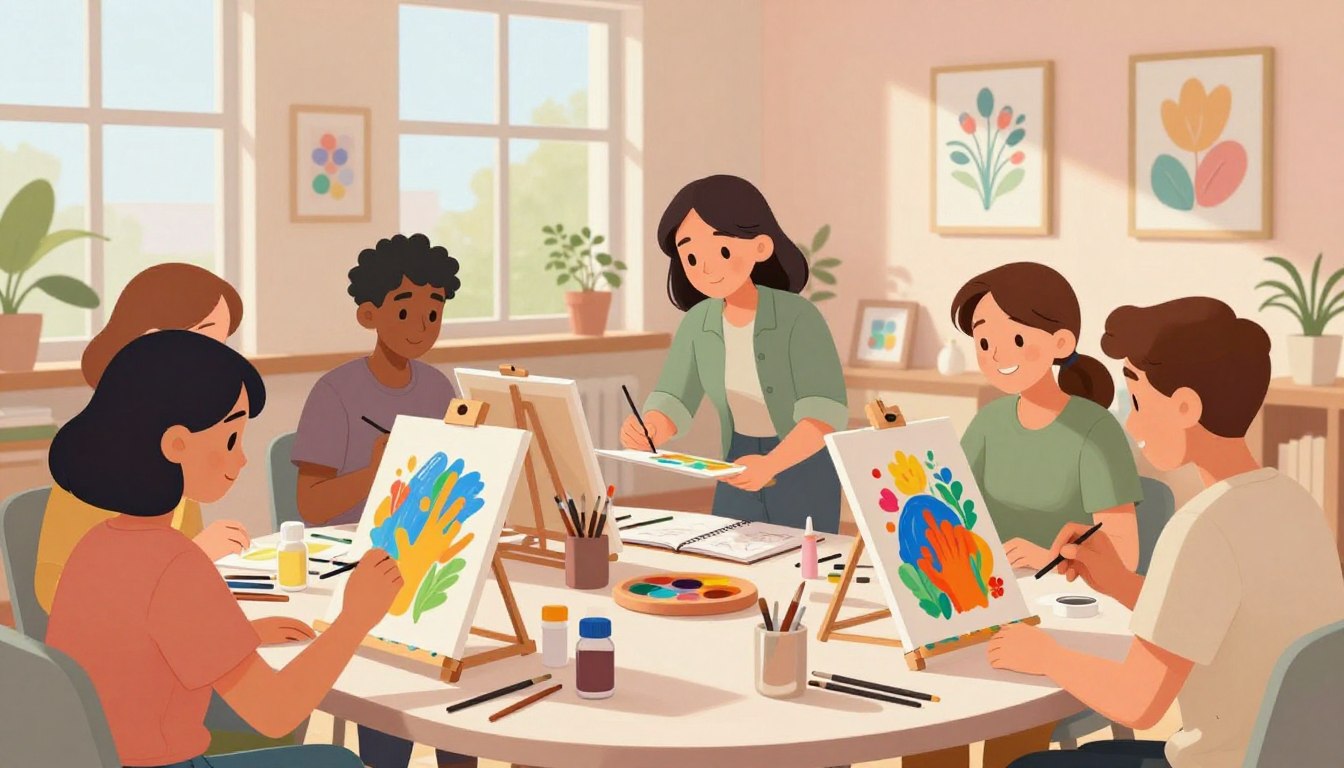
Discover the Power of Art & Creative Therapies
Embracing art & creative therapies can be a transformative experience, offering a unique pathway to enhancing emotional wellbeing. These therapies utilise various creative activities to promote self-expression and healing.
By engaging in art & creative therapies, individuals can tap into their creative potential, fostering a deeper understanding of themselves and their emotions. This can lead to improved mental health and a greater sense of overall wellbeing.
Key Takeaways
- Art & creative therapies offer a unique approach to enhancing emotional wellbeing.
- These therapies promote self-expression and healing through creative activities.
- Engaging in art & creative therapies can improve mental health.
- Creative therapies foster a deeper understanding of oneself and one’s emotions.
- Improved emotional wellbeing is a key benefit of these therapies.
What Are Art & Creative Therapies?
Art and creative therapies represent a unique fusion of art-making and therapeutic practices. These therapies encompass a broad range of creative activities, including visual arts, music, dance, drama, and writing, used to promote emotional expression, healing, and personal growth.
The Foundations of Expressive Arts Therapies
The foundations of expressive arts therapies lie in the belief that the creative process can be therapeutic. This approach is based on the idea that by engaging in artistic activities, individuals can express and process their emotions, leading to improved mental health and well-being. Expressive arts therapy is a form of therapy that uses various art forms to facilitate self-expression and healing.
The History and Development in the UK and Beyond
The history of art and creative therapies is rich and diverse, with roots in various cultural and therapeutic traditions. In the UK, the development of art therapy as a profession began to take shape in the mid-20th century. Since then, art therapy and other forms of creative therapies have evolved, incorporating a range of theoretical approaches and practices.
Today, these therapies are recognized as valuable tools in mental health care, used in various settings, from NHS facilities to private practices and community organizations. By understanding the foundations and history of art and creative therapies, we can appreciate their potential benefits and the role they play in promoting mental health and well-being.
Types of Art & Creative Therapies
The world of creative therapies is rich and varied, offering multiple pathways to healing. This diversity allows individuals to choose the form of therapy that best suits their needs and preferences.

Visual Art Therapy
Visual Art Therapy involves the use of painting, drawing, and other visual arts to express and process emotions. It can be particularly helpful for individuals who struggle with verbal communication. This form of therapy can provide a tangible representation of feelings and experiences, allowing for a deeper exploration of the self.
Music Therapy
Music Therapy harnesses the power of music to promote emotional expression and healing. It can involve creating, singing, or listening to music, tailored to the individual’s therapeutic needs. Research has shown that music therapy can have a positive impact on mental health, reducing anxiety and improving mood.
Dance and Movement Therapy
Dance and Movement Therapy focuses on the connection between body movement and emotional well-being. By using dance and movement, individuals can express and release tension, improving their overall mental health. This therapy is beneficial for those who find physical expression more accessible than verbal communication.
Drama and Play Therapy
Drama and Play Therapy utilise drama and play techniques to facilitate emotional expression and healing. These therapies are often used with children but can also be effective for adults. They provide a safe space to explore and resolve emotional challenges through creative expression.
Poetry and Writing Therapy
Poetry and Writing Therapy involve the use of writing as a therapeutic tool. By putting thoughts and feelings into words, individuals can process their experiences and gain insight into their emotional states. This form of therapy can be particularly empowering, allowing individuals to take control of their narrative.
These diverse forms of Art & Creative Therapies offer holistic approaches to mental health and well-being. By engaging in creative activities, individuals can explore their emotions, develop self-awareness, and work towards healing.
The Science Behind Art & Creative Therapies
The science underpinning art and creative therapies reveals a complex interplay of neurological and psychological processes. By engaging in creative activities, individuals can stimulate their brain’s reward system, fostering a sense of well-being and relaxation. This therapeutic approach has been shown to have a positive impact on mental health, offering a unique avenue for expression and healing.
Neurological Benefits of Creative Expression
Creative expression has been found to stimulate the brain’s default mode network, an area associated with introspection and self-reflection. This can lead to increased activity in regions related to emotional processing, potentially enhancing the therapeutic benefits of art and creative therapies. Research has also indicated that creative engagement can lead to increased grey matter in certain areas of the brain, suggesting a neuroplastic response to creative activity.
Psychological Mechanisms at Work
The psychological mechanisms underlying art and creative therapies involve the activation of various cognitive and emotional processes. Through the creation of art, individuals can externalize their internal experiences, gaining insight into their emotions and thoughts. This process can facilitate emotional regulation and enhance self-awareness, contributing to improved mental health outcomes.
Research and Evidence from British Institutions
Several British institutions have contributed significantly to the research on art and creative therapies. Studies conducted at universities such as Oxford and Cambridge have provided valuable insights into the therapeutic effects of creative engagement. For instance, research has shown that art therapy can be an effective adjunct to traditional treatments for anxiety and depression, highlighting the potential of therapeutic techniques in mental health care.
Mental Health Benefits of Creative Healing
Art and creative therapies offer a unique approach to managing mental health challenges. By engaging in various forms of creative expression, individuals can experience significant improvements in their mental wellbeing.
Managing Anxiety and Depression
Creative therapies provide an outlet for emotions associated with anxiety and depression. Techniques such as drawing, painting, and sculpting allow individuals to express feelings that may be difficult to verbalise. Research has shown that engaging in creative activities can reduce symptoms of anxiety and depression by promoting relaxation and improving mood.
Processing Trauma and Grief
Art and creative therapies can be particularly beneficial for individuals processing trauma or grief. The creative process allows for the expression and exploration of complex emotions in a safe environment. Trauma-informed practice in art therapy, for instance, helps individuals regain a sense of control and empowerment over their experiences.
Enhancing Self-awareness and Self-esteem
Engaging in creative therapies can enhance self-awareness by encouraging individuals to explore their thoughts, feelings, and behaviours through creative expression. This process can lead to improved self-esteem as individuals develop a more positive self-image through their creative achievements.
Building Resilience Through Creativity
Creativity fosters resilience by providing individuals with a means to cope with adversity. Through art and creative therapies, individuals learn to navigate challenges and develop problem-solving skills. Building resilience in this way can have a positive impact on overall mental health, enabling individuals to better manage future challenges.
By incorporating art and creative therapies into their mental health strategy, individuals can tap into the therapeutic potential of creativity, leading to improved mental health outcomes.
Accessing Art & Creative Therapies in the UK
With numerous pathways to creative therapy, the UK provides ample opportunities for enhancing emotional wellbeing. Whether you’re seeking therapy through the NHS, private services, or community resources, there’s a wealth of options available.
NHS and Private Therapy Options
The NHS offers various art and creative therapies, often as part of mental health services. To access these, you typically need a referral from a healthcare professional. Private therapy options are also available for those who prefer this route or have specific needs not covered by the NHS.
Finding Qualified Creative Therapists
To find a qualified creative therapist, you can:
- Check the British Association of Art Therapists (BAAT) directory
- Look for therapists registered with the Health and Care Professions Council (HCPC)
- Seek recommendations from healthcare providers or support groups
Creative Therapy at Home: Getting Started
For those who prefer the comfort of their own space, creative therapy can be adapted for home practice. Start by:
- Exploring different art forms like drawing, painting, or writing
- Setting aside dedicated time for creative expression
- Seeking online resources or guided therapy sessions
Community Resources and Workshops
Community centers, art schools, and wellness centers often host workshops and groups focused on creative therapies. These can be excellent places to meet others with similar interests and gain support.
By exploring these options, individuals can find the right fit for their needs, enhancing their journey towards emotional wellbeing through creative therapy.
Conclusion: Embracing the Healing Power of Creativity
Art and creative therapies offer a powerful means of promoting mental health and wellbeing. By engaging in various therapeutic techniques, individuals can tap into the healing power of creativity, fostering a more holistic approach to therapy.
Through the use of holistic therapy, individuals can experience profound benefits, from managing anxiety and depression to processing trauma and grief. The therapeutic techniques employed in art and creative therapies provide a unique outlet for expression, allowing individuals to convey emotions and experiences in a safe and supportive environment.
As the UK continues to recognize the value of art and creative therapies, more resources are becoming available to support those seeking this form of treatment. By embracing the healing power of creativity, individuals can take a proactive approach to maintaining their mental health and wellbeing.