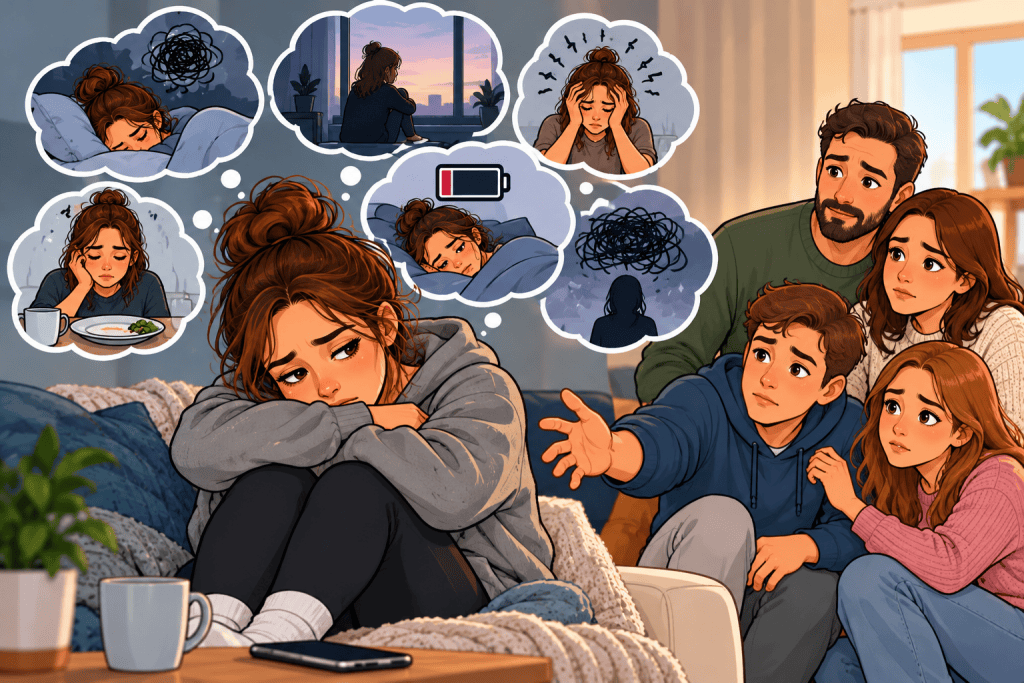
Depression Can Push Away the People We Need Most
One of the most painful and misunderstood aspects of depression is how it can affect relationships.
Someone experiencing depression may begin avoiding telephone calls, cancelling plans, ignoring messages or withdrawing from the people who love them most.
They might become unusually quiet, irritable or emotionally distant. They may stop sharing their feelings, decline invitations or insist that they want to be left alone.
For partners, friends and family members, this behaviour can be confusing and upsetting.
They may wonder whether they have done something wrong, whether the person no longer cares about them or whether the relationship has somehow changed.
However, when someone with depression pushes loved ones away, it doesn’t necessarily mean they have stopped loving or caring about them.
Sometimes, depression makes maintaining relationships feel incredibly difficult, even when those relationships are important to the person.
At Anxious Minds, we understand that depression affects much more than someone’s mood. It can influence their confidence, energy, thoughts, communication and ability to connect emotionally with others.
Understanding why people withdraw can help families and friends respond with greater compassion while encouraging those who are struggling to seek support.
How Depression Affects Relationships
Depression is a mental health condition that can affect how people think, feel and behave.
Although sadness and low mood are common symptoms, depression can also cause emotional numbness, exhaustion, irritability, reduced motivation and feelings of worthlessness.
These symptoms can make ordinary social interactions feel overwhelming.
Something as simple as replying to a message or meeting a friend for coffee may require emotional energy that someone with depression feels they don’t have.
Relationships also involve communication, emotional availability and shared experiences.
When depression affects someone’s ability to engage with these things, maintaining connections can become challenging.
Unfortunately, withdrawing from others can sometimes create a difficult cycle.
The person feels overwhelmed and withdraws to protect themselves from additional pressure. This withdrawal can increase loneliness, which may worsen depressive symptoms and make reconnecting even harder.
Recognising this pattern is an important step towards understanding why depression can damage relationships.
1. They Feel Like a Burden to Others
One of the most common reasons people with depression withdraw from loved ones is the belief that they are becoming a burden.
Depression can cause people to view themselves negatively.
They may believe they are making life difficult for their partner, bringing down their friends or causing unnecessary worry for their family.
Thoughts such as these can become persistent:
“Everyone has enough problems without listening to mine.”
“I’m always miserable, and nobody wants to be around that.”
“My family would be happier if they didn’t have to deal with me.”
These beliefs can feel convincing even when there is little evidence to support them.
Rather than asking for reassurance or emotional support, the person may distance themselves because they believe they are protecting the people they care about.
This is particularly heartbreaking because the withdrawal often comes from guilt and low self-worth rather than a lack of love.
It is important to recognise that believing others would be better off without you can sometimes signal suicidal thinking. If someone expresses these beliefs, take them seriously and ask directly whether they are thinking about suicide.
2. Socialising Feels Emotionally Exhausting
Depression can significantly reduce someone’s physical and emotional energy.
Activities that previously felt enjoyable may begin to feel like enormous responsibilities.
Meeting friends, attending family gatherings or having conversations can require concentration and motivation that the person finds difficult to access.
Even answering a telephone call may feel overwhelming.
Someone might read a message from a loved one, genuinely intend to reply and then leave it unanswered because they cannot find the energy.
As time passes, they may feel guilty about not responding, making it even harder to reconnect.
From the outside, this behaviour can appear dismissive or uncaring.
However, for someone experiencing depression, social withdrawal may be a symptom of emotional exhaustion rather than a reflection of their feelings towards others.
3. They Don’t Want People to See Them Struggling
Many people find it difficult to admit they are experiencing mental health problems.
They may have spent years presenting themselves as strong, independent and capable.
For some, showing emotional vulnerability feels uncomfortable or frightening.
They may worry about being judged, misunderstood or treated differently.
Others fear that speaking openly about depression could change how their family or friends see them.
Instead of revealing how they feel, they begin avoiding situations where someone might notice that something is wrong.
They may cancel social events, become less communicative or insist everything is fine.
Unfortunately, hiding depression can become exhausting in itself.
The pressure to appear happy while struggling internally may reinforce the desire to withdraw.
4. They Experience Emotional Numbness
Depression doesn’t always cause overwhelming sadness.
For some people, it creates a sense of emotional emptiness or numbness.
They may struggle to experience excitement, happiness, affection or emotional connection.
This can be particularly confusing in close relationships.
A person may deeply value their partner or family while struggling to feel the warmth and enjoyment they previously associated with those relationships.
They may begin questioning their emotions or wondering why they no longer feel connected.
Rather than discussing these confusing experiences, they may distance themselves.
Their loved ones might interpret this withdrawal as a loss of affection.
In reality, emotional numbness may be affecting the person’s ability to experience and express feelings.
With appropriate treatment and support, these symptoms can improve.
5. They Believe Nobody Will Understand
Depression can make someone feel isolated even when they are surrounded by supportive people.
They may believe that nobody could understand what they are experiencing.
This feeling can become stronger when well-meaning friends or relatives make comments such as:
“You have so much to be grateful for.”
“Just try thinking positively.”
“Everyone feels down sometimes.”
Although these statements may be intended to help, they can unintentionally make someone feel dismissed.
Depression is not simply a matter of choosing to be happier.
When people feel that their experiences are being minimised, they may become reluctant to discuss their mental health again.
Over time, silence can replace communication, creating further distance between them and the people who care about them.
6. They Feel Guilty About Not Being Themselves
People experiencing depression often recognise that their behaviour has changed.
They may notice they are less affectionate, less sociable or more irritable than usual.
They might feel guilty about cancelling plans, struggling with household responsibilities or not giving loved ones the attention they deserve.
These feelings can create a painful cycle.
The person withdraws because they are struggling. They then feel guilty about withdrawing and avoid further contact because they are ashamed of their behaviour.
For example, someone may avoid calling a friend because they have ignored their previous messages.
The longer they leave it, the harder it feels to reach out.
Understanding this pattern can help loved ones recognise that silence is not always a sign of rejection.
Sometimes it reflects shame, exhaustion and difficulty knowing how to reconnect.
7. Irritability Can Damage Communication
Depression can sometimes make people more irritable, frustrated or sensitive to everyday pressures.
Someone who previously enjoyed conversations may begin finding small disagreements overwhelming.
They may respond sharply to innocent questions or become frustrated when loved ones try to help.
For the people around them, this behaviour can feel hurtful.
The person experiencing depression may then recognise that they have upset someone and withdraw further to avoid another confrontation.
Although depression can help explain irritability, it does not mean hurtful or abusive behaviour should be accepted.
Healthy relationships still require respect, communication and appropriate boundaries.
Understanding the role of depression can help people approach conflict more constructively without overlooking the needs of either person.
8. They Are Trying to Protect Themselves From Rejection
Depression can significantly affect self-esteem.
Someone may begin believing they are unlikeable, unwanted or undeserving of affection.
They might become unusually sensitive to perceived criticism or rejection.
An unanswered message, cancelled arrangement or change in someone’s tone may be interpreted as evidence that the other person no longer cares.
To avoid being rejected, the person may withdraw first.
This can become a form of emotional self-protection.
By distancing themselves, they feel they are reducing the possibility of being hurt.
Unfortunately, these behaviours can sometimes create the very loneliness and relationship difficulties they fear.
Professional counselling can help people recognise negative beliefs about themselves and develop healthier ways of maintaining emotional connections.
9. They May Feel They Don’t Deserve Love or Happiness
Depression can affect how people view their own worth.
Someone may feel undeserving of love, kindness or emotional support.
Even when surrounded by caring family members, they may struggle to believe that others genuinely value them.
Compliments and reassurance may be dismissed, while perceived criticism becomes magnified.
In some cases, individuals distance themselves because they believe the people they love would be happier without them.
These feelings are symptoms that deserve attention, not reliable assessments of their worth or the value of their relationships.
When these beliefs become persistent, particularly if someone talks about being better off dead or disappearing, it is important to seek professional support.
10. They Sometimes Need Space but Don’t Know How to Ask
Not every period of withdrawal is unhealthy.
Everyone occasionally needs time alone, particularly when experiencing emotional distress.
For someone with depression, quiet time may provide temporary relief from social expectations.
However, difficulties arise when the person cannot explain their needs.
They may struggle to say:
“I’m having a difficult day and need some space, but I still care about you.”
Instead, they might stop communicating altogether.
This can leave loved ones feeling rejected or uncertain.
Learning to express emotional needs clearly can help people maintain relationships while respecting their need for rest and personal space.
How Depression Creates a Cycle of Isolation
One of the challenges of depression is that the behaviours it encourages can sometimes worsen the condition itself.
Depression reduces energy and confidence
Social interaction feels overwhelming
The person withdraws from loved ones
Loneliness and guilt may increase
Depressive feelings may deepen, restarting the cycle
The NHS identifies avoiding friends, reducing social activities and experiencing family difficulties among the possible social symptoms of depression.
Breaking this cycle doesn’t necessarily require dramatic changes.
Small, manageable opportunities to reconnect can sometimes make a meaningful difference.
A brief telephone conversation, a short walk together or simply sitting with someone without expecting them to talk may help rebuild connection.
How to Support Someone With Depression Who Is Pushing You Away
Watching someone you love withdraw can be deeply upsetting.
You may want to help but feel uncertain about what to say or do.
The following approaches can help you provide support without creating additional pressure.
1. Don’t automatically take their withdrawal personally
Depression can influence how someone behaves and communicates.
Their distance may reflect emotional exhaustion or low mood rather than a change in their feelings towards you.
However, it is also important not to assume that every relationship difficulty is caused by depression.
Listening to what the person tells you matters.
2. Maintain gentle contact
A simple message can remind someone they are not alone.
For example:
“Just checking in. You don’t need to reply, but I’m thinking about you.”
This provides reassurance without creating another obligation.
3. Listen without judgement
Sometimes people don’t need advice or solutions.
They simply need someone who will listen without criticising, dismissing or minimising their experiences.
Allowing someone to speak honestly can help them feel understood.
4. Offer practical support
Depression can make everyday tasks difficult.
Helping with shopping, preparing a meal or accompanying someone to an appointment may feel more manageable than expecting them to explain everything they are experiencing.
5. Encourage professional help
If someone has been experiencing depressive symptoms for several weeks or their everyday life is being affected, encourage them to speak to a GP or mental health professional.
The mental health charity Mind recommends maintaining contact, listening without judgement, offering practical assistance and supporting people to access professional help.
6. Look after your own mental health
Supporting someone with depression can be emotionally demanding.
You may experience worry, frustration, loneliness or exhaustion.
Your wellbeing is important too.
Setting healthy boundaries, maintaining your own relationships and seeking support when needed can help you remain compassionate without neglecting yourself.
What If You’re the Person Pushing Everyone Away?
If you recognise these behaviours in yourself, it may help to understand that withdrawing does not make you a bad friend, partner or family member.
Depression can change how you experience relationships and affect your ability to maintain contact.
You may feel guilty about not replying to messages or worry that you’ve damaged important connections.
However, reconnecting doesn’t have to happen all at once.
You might begin by sending one simple message:
“I’ve been struggling with my mental health recently and haven’t had much energy to talk. I haven’t forgotten about you.”
You do not have to explain every detail of what you’re experiencing.
Small steps towards communication can make relationships feel less overwhelming.
It may also help to speak with a counsellor about the thoughts, feelings and experiences contributing to your withdrawal.
How Counselling Can Help With Depression and Relationships
Professional counselling can help people understand how depression affects their emotions, behaviour and relationships.
Through counselling, someone may begin to recognise negative beliefs about themselves, explore feelings of guilt or shame and develop healthier ways of communicating their needs.
Counselling may also help people address experiences that contribute to emotional withdrawal, such as trauma, rejection, grief or long-term stress.
Cognitive behavioural therapy (CBT) is one evidence-based treatment for depression. It can help people identify patterns of negative thinking and behaviour.
Other therapeutic approaches may support emotional understanding, self-esteem and relationship difficulties.
For some people, medication or a combination of treatments may be appropriate following an assessment with a healthcare professional.
Seeking help doesn’t mean someone has failed to cope.
It means they are taking steps towards understanding their mental health and improving their quality of life.
Affordable Depression Counselling at Anxious Minds
At Anxious Minds, we understand how depression can affect individuals, families and relationships.
We regularly support people experiencing mental health difficulties that influence their confidence, emotional wellbeing and ability to connect with others.
Our charity provides affordable counselling services across the North East, including face-to-face appointments in Wallsend and Blyth, alongside online and telephone counselling.
We support adults and young people aged 14 and over experiencing depression, anxiety, trauma, stress and other emotional difficulties.
Our counselling services provide a confidential and supportive environment where people can explore their experiences without judgement.
We recognise that some people have spent months or years hiding their mental health difficulties, withdrawing from loved ones because they feel ashamed, exhausted or unable to explain what they are going through.
Our aim is to help people access support before their difficulties become overwhelming.
We believe that financial hardship should never become another barrier to accessing mental health care.
When to Seek Urgent Help
Depression can sometimes lead to thoughts of self-harm or suicide.
If someone begins expressing feelings of hopelessness, saying they are a burden or suggesting others would be better off without them, these statements should be taken seriously.
Ask calmly and directly whether they are thinking about suicide, listen without judgement and help them access appropriate support.
In England, people needing urgent mental health support can contact NHS 111 and select the mental health option. If someone’s life is in immediate danger, call 999 or attend A&E.
Final Thoughts: Sometimes the People Who Push Us Away Need Support the Most
Depression can make people behave in ways that are difficult for others to understand.
Someone may push away the very people they love because they feel exhausted, ashamed, disconnected or undeserving of support.
Their silence can feel like rejection, but sometimes it reflects an internal struggle they don’t know how to communicate.
Understanding this doesn’t mean ignoring hurtful behaviour or sacrificing your own wellbeing.
It means recognising that depression can affect relationships in complicated ways and that patience, healthy boundaries and appropriate support can all play important roles.
For someone living with depression, reconnecting with loved ones may take time.
For those supporting them, maintaining gentle contact and encouraging professional help can make a difference.
Depression can create distance between people, but that distance doesn’t always mean the love and connection have disappeared.
At Anxious Minds, we believe nobody should have to face depression alone.
If you or someone you care about is struggling, support is available.
Anxious Minds – Supporting Mental Health and Changing Lives Across the North East.
Visit www.anxiousminds.co.uk to learn more about our affordable counselling and mental health support services.