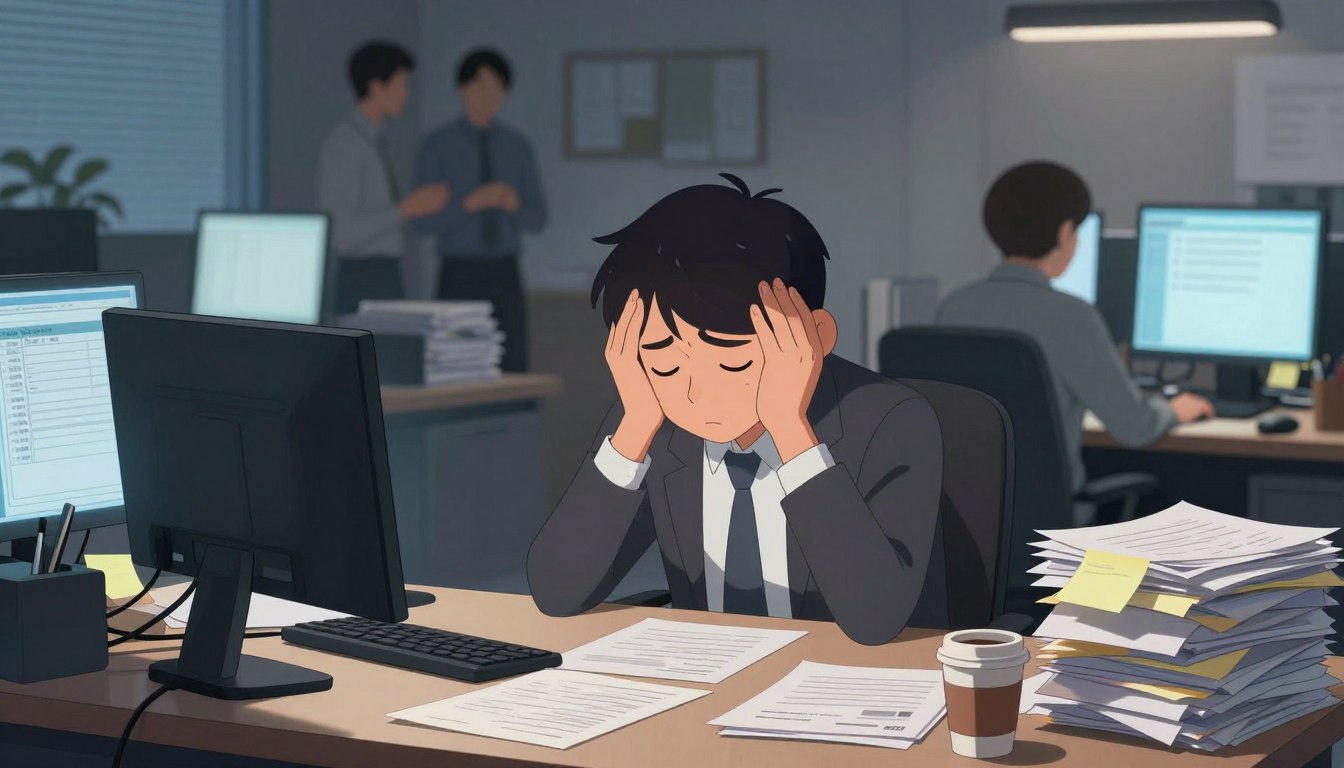
Coping with Anxiety & Panic in the Workplace
Managing anxiety and panic in a professional setting is crucial for maintaining a healthy and productive work environment. Many individuals struggle with feelings of anxiety and overwhelm, which can significantly impact their job performance and overall well-being.
Implementing effective workplace anxiety solutions can make a significant difference. By understanding the causes of anxiety & panic at work and learning how to manage them, individuals can improve their mental health and create a more positive workplace culture.
Key Takeaways
- Understanding the importance of managing workplace anxiety
- Recognising common triggers for anxiety and panic
- Implementing immediate strategies for managing panic attacks
- Developing long-term approaches to reducing workplace anxiety
- Creating a supportive work environment
Understanding Anxiety & Panic at Work
The modern workplace can be a source of significant stress, leading to anxiety and panic attacks. This stress can stem from various factors, including workload, work environment, and interpersonal relationships.
Common Symptoms of Workplace Anxiety
Workplace anxiety can manifest in different ways, affecting both physical and mental health.
Physical Manifestations
Some common physical symptoms include:
- Trembling or shaking
- Rapid heartbeat or palpitations
- Sweating or cold sweats
- Nausea or abdominal discomfort
Psychological Effects
Psychologically, individuals may experience:
- Feelings of dread or fear
- Difficulty concentrating or making decisions
- Irritability or mood swings
- Restlessness or feeling on edge
How Panic Attacks Manifest in Professional Settings
Panic attacks in the workplace can be particularly challenging, as they often occur without warning.
Recognising the Warning Signs
Some warning signs of an impending panic attack include:
- A sudden onset of intense fear or discomfort
- Difficulty breathing or a feeling of choking
- A racing heartbeat or chest pain
- Dizziness or lightheadedness
Recognising these signs early can help in managing and mitigating the impact of panic attacks.
Common Triggers in the British Workplace Environment
Understanding the common triggers of workplace anxiety is crucial for effective stress management at work. The British workplace environment is complex, with various factors contributing to employee stress and anxiety.
Several key triggers are commonly identified in UK workplaces. These include:
- High-pressure deadlines and expectations
- Difficult workplace relationships and office politics
- Performance reviews and career advancement concerns
High-Pressure Deadlines and Expectations
Tight deadlines and high expectations can significantly contribute to workplace stress. Employees may feel overwhelmed by the demands placed upon them, leading to anxiety about meeting targets.
Difficult Workplace Relationships and Office Politics
Interpersonal conflicts and office politics can create a stressful work environment. Navigating these challenges is crucial for reducing anxiety in the workplace.
Performance Reviews and Career Advancement Concerns
Regular performance reviews, while essential, can be a source of anxiety for many employees. Concerns about career progression and job security add to the stress.

Recognizing these triggers is the first step towards implementing effective work stress relief strategies. By understanding the sources of workplace anxiety, employers and employees can work together to create a more supportive environment.
Immediate Strategies for Managing Panic Attacks
Panic attacks can be debilitating, but there are several immediate strategies that can help alleviate their impact in a work setting. When experiencing a panic attack, it’s essential to have techniques that can provide quick relief and help you regain control.
Breathing Techniques for Quick Relief
One of the most effective immediate strategies for managing panic attacks is through breathing techniques. Proper breathing can help calm the body’s stress response.
The 4-7-8 Method
The 4-7-8 breathing method involves breathing in through the nose for a count of 4, holding the breath for 7, and exhaling through the mouth for 8. This technique can help slow down your heart rate and promote relaxation.
- Breathe in through your nose for 4 seconds
- Hold your breath for 7 seconds
- Exhale through your mouth for 8 seconds
Grounding Exercises at Your Desk
Grounding exercises can help you focus on the present moment and distract you from the panic. These exercises are discreet and can be done at your desk.
The 5-4-3-2-1 Technique
The 5-4-3-2-1 technique involves noticing 5 things you can see, 4 things you can touch, 3 things you can hear, 2 things you can smell, and 1 thing you can taste. This exercise helps in grounding you to your surroundings.
- Notice 5 things you can see around you
- Acknowledge 4 things you can touch or feel
- Identify 3 different sounds
Creating a Personal Calm-Down Kit
Having a personal calm-down kit at your workspace can provide comfort and help you manage panic attacks. This kit can include items like stress balls, calming essential oils, or a favourite personal item that brings you comfort.
- Include a stress ball or fidget toy
- Add a few drops of calming essential oil on a handkerchief
- Keep a photo or personal item that brings you comfort
By incorporating these immediate strategies into your daily work routine, you can better manage panic attacks and reduce their impact on your work life. Practising these techniques regularly will enhance their effectiveness when you need them most.
Long-Term Approaches to Reducing Workplace Anxiety
Long-term approaches to reducing workplace anxiety involve a combination of personal strategies and workplace adjustments. By adopting a proactive and multi-faceted approach, individuals can significantly reduce their anxiety levels and improve their overall well-being.
One crucial aspect of managing work-related stress is establishing healthy work boundaries. This can be achieved by prioritizing tasks, setting realistic goals, and learning to say “no” to non-essential tasks that can lead to overload.
Establishing Healthy Work Boundaries
Setting clear boundaries at work can help prevent the buildup of stress and anxiety. Some effective strategies include:
- Defining clear work hours and avoiding work-related activities outside these hours
- Creating a dedicated workspace to separate work from personal life
- Communicating your needs and limits clearly to colleagues and managers
Stress Management Routines Before and After Work
Implementing stress management routines both before and after work can help reduce anxiety. Consider:
- Engaging in physical activity, such as a morning jog or yoga practice, to boost mood and energy
- Practicing mindfulness or meditation to calm the mind and reduce stress
- Developing a relaxing bedtime routine to improve sleep quality
Requesting Workplace Accommodations Under UK Employment Law
Under UK employment law, employees have the right to request reasonable adjustments to their work environment to reduce stress and anxiety. This can include:
- Requesting flexible working arrangements, such as telecommuting or flexible hours
- Modifying job duties or responsibilities to reduce pressure
- Improving the physical work environment, such as providing a quiet workspace or ergonomic equipment
By implementing these long-term strategies, individuals can effectively manage work-related stress and reduce anxiety in the workplace. It’s essential to work collaboratively with employers to create a supportive work environment that promotes well-being and productivity.
Overcoming Anxiety and Panic in the Workplace
Addressing anxiety & panic at work is crucial for maintaining a healthy and productive work environment. By understanding the common triggers and symptoms of workplace anxiety, individuals can take the first step towards managing their condition.
The strategies discussed, including breathing techniques, grounding exercises, and establishing healthy work boundaries, provide effective work stress relief. Implementing these approaches can significantly reduce the impact of anxiety and panic on daily work life.
It’s essential to recognize that addressing workplace panic is an ongoing process that requires commitment and support. By working together and utilizing the resources available, such as requesting workplace accommodations under UK employment law, individuals can better cope with anxiety and panic at work.
By taking control of workplace anxiety, individuals can improve their overall well-being and job satisfaction. With the right mindset and support, it’s possible to create a more positive and resilient work environment.