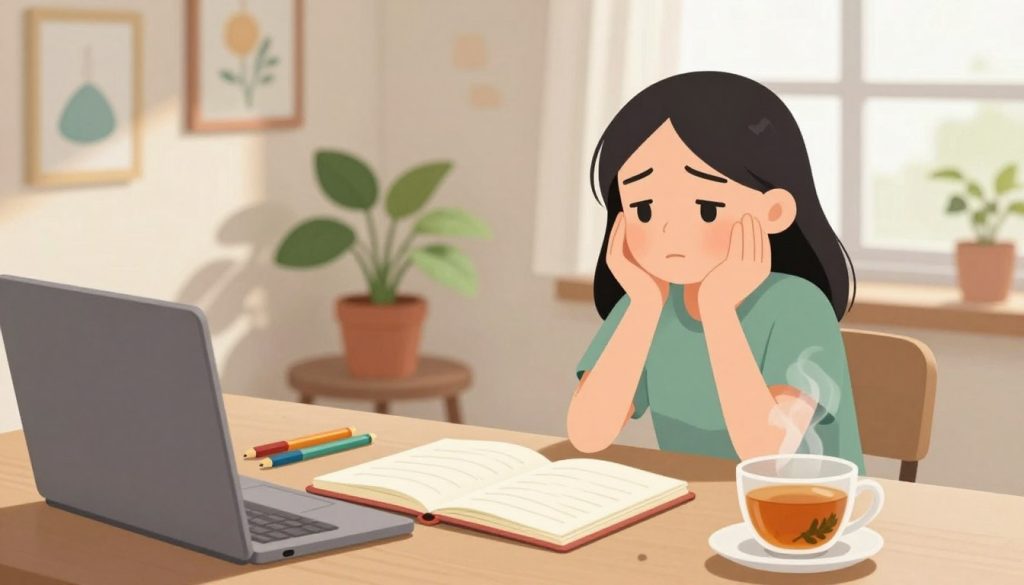
Many people in the UK find modern life increasingly demanding. The accelerating pace and constant digital connection can be common triggers for feelings of stress and anxiety.
This guide aims to be a practical resource. It provides actionable tips and information to help you manage your mental wellbeing.
While these experiences are common, effective management is possible. A proactive and informed approach makes a significant difference to your health.
We will explore how to understand these concepts and recognise symptoms. The guide covers a wide range of techniques, from mindfulness to lifestyle changes.
Designed for a UK audience, it references NHS resources where appropriate. Consistent application of these methods offers long-term benefits. Remember, professional support is also a vital option.
1. Understanding Stress and Anxiety
Distinguishing between the body’s immediate reaction and a lingering sense of unease is crucial. While often mentioned together, stress and anxiety are distinct experiences. Knowing the difference helps you identify what you’re feeling and choose the most suitable management approach.

Defining Stress: The Body’s Response
Stress is a natural, physiological response to pressure or a perceived threat. Think of it as your body‘s built-in alarm system, often called the ‘fight or flight’ reaction.
When triggered, it releases hormones like adrenaline and cortisol. Your heart rate increases, and muscles tense. This prepares you for action.
This response is useful in short bursts. It helps you meet a deadline or avoid danger. Problems arise when this state becomes constant, with elevated hormones causing wear and tear over time.
Understanding Anxiety: When Worry Persists
Anxiety involves persistent feelings of worry, fear, or apprehension. It can occur without any immediate, obvious threat.
Unlike the short-term stress response, anxiety tends to linger. It can involve excessive concern about future events. This state can interfere with concentration, sleep, and daily activities.
It’s the difference between feeling nervous before a presentation (stress) and feeling a general, ongoing dread about work performance (anxiety).
Common Causes in Modern Life
Many factors in contemporary life can trigger these feelings. The causes are varied and often interlinked. Recognising your personal triggers is a powerful first step.
Our fast-paced, always-connected culture creates unique pressures. Sources range from work demands and family dynamics to concerns about health and finances.
Even positive changes, like moving house or having a baby, are significant adjustments. They demand energy and can be substantial sources of pressure.
| Category of Cause | Common Examples | Notes |
|---|---|---|
| Work & Study | High workload, job insecurity, unemployment, exams, bullying. | Pressure to perform is a major trigger. Remote work can blur boundaries. |
| Personal & Relationships | Arguments, divorce, caring for a relative, loneliness. | Family dynamics and social support levels are key factors. |
| Health & Wellbeing | Personal illness, chronic conditions, caring for someone unwell. | Concerns about diagnosis, treatment, or prognosis affect mental health. |
| Life Events & Circumstances | Bereavement, moving home, financial debt, planning a wedding. | Both negative and positive events require adaptation and can be stressful. |
Individual vulnerability varies. Your personality, genetics, and past experiences all play a role. A lack of social support can make challenges harder to manage.
Remember, experiencing stress or anxiety due to these common life factors is a widespread human experience. You are not alone in facing them.
2. Recognising the Symptoms: When to Take Action
Your body and mind send clear signals when under pressure. Recognising them is key to taking charge of your wellbeing.
These symptoms can appear across different areas of your life. They often serve as an internal alert system.
Noticing these signs early allows for a more proactive way forward. It is the essential first step before exploring management options.
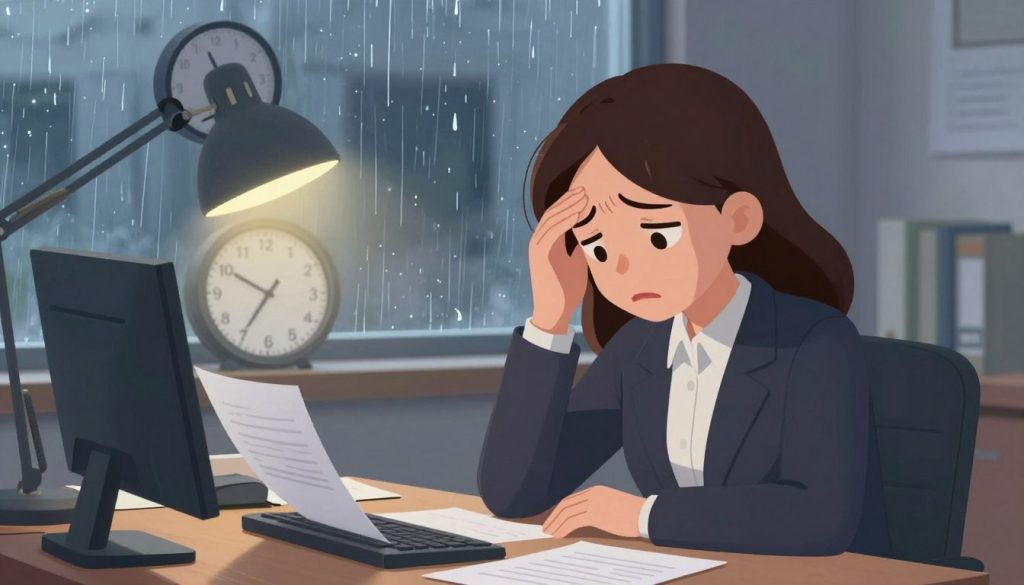
Physical Symptoms of Stress and Anxiety
The physical symptoms are your body’s direct reaction to perceived threat. They are linked to the release of stress hormones like adrenaline.
Common signs include a racing heart rate, sweating, and trembling. You might feel faint or experience shortness of breath.
Other physical manifestations can be less obvious. These include digestive upset, frequent headaches, and persistent muscle tension.
- Aching shoulders or jaw from clenching.
- Feeling sick or having a churning stomach.
- Unexplained tiredness and low energy.
- Tingling sensations in the fingers or lips.
These are all part of the ‘fight or flight’ response. When this state is frequent, it takes a toll on your physical health.
Mental and Emotional Signs
This domain involves changes in your thoughts and feelings. Persistent worry or dread about everyday situations is a hallmark sign.
You may feel constantly on edge or irritable. A sense of being overwhelmed is common.
Your mind might race with unhelpful thoughts. Concentrating on tasks or making decisions can become difficult.
A crucial sign is feeling a loss of control. This is the sensation that things are happening to you, and you cannot manage them.
Emotional exhaustion often follows. It can make enjoying usual activities feel like a chore.
Changes in Behaviour to Watch For
Behavioural changes are the outward signs of internal struggle. They often develop as an attempt to manage uncomfortable feelings.
A classic example is avoiding places or situations that provoke unease. This might mean declining social invitations or finding excuses to miss work.
Other shifts in behaviour can include:
- Withdrawing from friends and family.
- Procrastinating on important tasks.
- Changes in appetite, eating much more or less.
- Increased use of alcohol, tobacco, or other substances.
- Being unable to relax or enjoy leisure time.
These actions can create a cycle. Avoidance may bring short-term relief but often worsens the problem long-term.
Sometimes, stress anxiety can culminate in a panic attack. This is an episode of sudden, intense fear.
It brings acute physical symptoms like chest pain, dizziness, and a choking sensation. While extremely frightening, panic attacks are not dangerous and typically pass within minutes.
It is vital to remember that anxiety manifests uniquely for everyone. Your personal pattern of signs might differ from someone else’s.
Recognising your own signals is a powerful act of self-awareness. It allows you to understand when your experiences may benefit from further attention or support.
3. Foundational Coping Strategies for Stress and Anxiety
Effective management of life’s pressures relies on preparation, not just reaction. Waiting until you feel overwhelmed is a common but less effective way forward. Instead, cultivating a proactive stance empowers you to maintain balance.
Why a Proactive Approach Matters
Chronic pressure takes a toll on both mind and body. When the stress response is constantly activated, it can undermine your physical health. Research shows it increases vulnerability to conditions like heart disease.
It also elevates the risk of developing persistent anxiety or low mood. Minimising these chronic states is therefore a crucial health priority. A proactive approach helps you interrupt this cycle before it becomes entrenched.
Think of it as preventative maintenance for your wellbeing. Small, consistent actions build resilience over time. This makes you better equipped to handle inevitable challenges.
Building Your Personal Toolkit
No single method works for everyone. The most effective approach is to assemble a personalised set of techniques. This toolkit should contain various tips and activities that resonate with you.
Consider what suits your lifestyle and preferences. Do you enjoy quiet reflection or physical movement? Your toolkit might include mindfulness, exercise, or creative pursuits. The goal is to have options for different moments.
Many people find that a toolkit offers a sense of agency. For instance, some methods could help you feel calm during a busy workday. Others might reduce stress before a difficult conversation.
Having a range ready allows for flexibility. Start by selecting one or two approaches from the categories explored later in this guide. Experiment and see what help you feel more grounded.
Remember, the aim is ongoing practice, not perfection. By investing in this process, you take control of your mental wellbeing.
4. Mindfulness and Present-Moment Techniques
The practice of anchoring your attention in the now can transform your relationship with difficult thoughts. It offers a direct way to step out of rumination about the past or future.
This approach is about cultivating a gentle, non-judgmental awareness. You learn to observe your experiences as they happen.
Research consistently links these techniques with lower stress levels and improved mood. They provide practical information for your mental toolkit.
Practising Mindfulness Meditation
Starting a meditation practice is simpler than many imagine. Begin with just five to ten minutes each day.
Find a quiet spot and focus your attention on your breath. Notice the sensation of air moving in and out.
When your mind wanders, gently guide it back. This act of returning is the core practice, not achieving perfect focus.
Popular apps like Headspace and Calm offer excellent guided sessions. They are designed for beginners and can help you feel more grounded.
Studies show regular meditation can significantly reduce symptoms of anxiety. It strengthens your ability to manage life’s pressures.
The Benefits of Guided Journaling
Writing down your experiences provides a powerful outlet. It helps process emotions and identify recurring patterns.
Guided journaling uses prompts to structure your reflection. This can be more accessible than staring at a blank page.
One simple, evidence-based practice is listing three things you are grateful for each day. This cultivates a positive perspective over time.
Journaling creates a space for clarity. It can reduce stress by externalising worries and putting them into perspective.
Using Audio Guides for Relaxation
For those who find silent meditation challenging, audio guides are a superb alternative. The NHS provides free mental wellbeing audio guides.
These professional recordings lead you through structured relaxation exercises. They might include body scans or visualisations.
Your GP can explain how to use these resources to take control of your mental state. They are particularly helpful for establishing a consistent routine.
Listening to a calm voice can direct your attention effectively. It provides external support as you build your internal skills.
Remember, consistency matters more than duration. A short, daily practice yields greater benefits than occasional long sessions.
Be patient with a wandering mind; it is normal. The key is to gently return your focus, without criticism.
5. The Role of Physical Activity
Moving your body is a powerful, scientifically-backed method to ease mental tension. It works directly on your physiology to create a calmer state.
This approach is not about intense training. Instead, it focuses on consistent movement that you enjoy.
Regular activity offers a dual benefit. It improves physical health while providing a robust buffer against daily pressures.
How Exercise Reduces Stress Hormones
When you exercise, your body releases endorphins. These are natural chemicals that boost mood and can create a sense of wellbeing.
Simultaneously, physical movement helps lower cortisol levels. This is a key hormone linked to the stress response.
A notable six-week university study supports this. It found that regular aerobic exercise twice weekly reduced perceived tension significantly.
The effect is both immediate and cumulative. A single session can lift your spirits, while a routine builds long-term resilience.
Accessible Activities: Walking, Cycling, and Swimming
You do not need a gym membership to start. Many effective activities require minimal equipment or cost.
Walking is a superb foundation. A brisk ten-minute walk in your local park can provide quick relief.
Cycling and swimming are also excellent choices. They are gentle on the joints while raising your heart rate.
Health bodies like the CDC recommend 150 minutes of moderate movement each week. This is a useful guide, but any increase is beneficial.
The key is to begin gently and choose something you find enjoyable. Consistency matters far more than intensity.
- Start with short, manageable sessions.
- Focus on how the movement makes you feel.
- Consider group classes or outdoor settings for a social boost.
Introducing Yoga for Mind-Body Connection
Yoga stands out for its unique combination of benefits. It merges physical exertion with mindfulness and controlled breathing.
This practice directly calms the nervous system. Studies show it can increase gamma aminobutyric acid (GABA) levels in the brain.
Higher GABA is associated with reduced feelings of anxiety. Regular yoga practice also lowers cortisol, blood pressure, and heart rate.
It teaches you to listen to your body and regulate your energy. This improved awareness is a valuable skill for daily life.
You can find beginner classes online or in local community centres. Even a few minutes each day can help you reduce stress and feel more centred.
6. Calming the Nervous System: Breathing and Relaxation
Harnessing the power of your own physiology offers a portable toolkit for mental ease. You can directly influence your autonomic nervous system.
This is the system that governs your body‘s automatic response to pressure. Specific techniques shift it from a stressed ‘fight or flight’ state to a relaxed ‘rest and digest’ mode.
Learning these skills provides immediate tools for in-the-moment management. They are foundational practices you can use anywhere.
Mastering Diaphragmatic (Deep) Breathing
Deep breathing is a core skill for activating your relaxation response. It involves using your diaphragm, the large muscle below your lungs.
Proper technique ensures your lungs expand fully. This stimulates the vagus nerve, a key pathway for calming your system.
Follow these steps to practise:
- Sit or lie comfortably. Place one hand on your chest and the other on your belly.
- Breathe in slowly through your nose. Feel your belly push your hand out. Your chest should move very little.
- Exhale slowly through your mouth or nose. Feel your belly fall inward.
- Repeat for several minutes, focusing on slow, even breaths.
This method slows your heart rate and lowers blood pressure. Regular practice makes it more effective during times of high pressure.
Box Breathing for Immediate Calm
Box breathing is a structured, portable technique. It is ideal for moments of acute unease, like before a meeting.
The pattern is simple and easy to remember. It involves four equal steps, each lasting four seconds.
Here is the sequence:
- Inhale deeply through your nose for a count of four.
- Hold your breath gently for a count of four.
- Exhale completely through your mouth for a count of four.
- Hold your breath out for a count of four.
This 4-4-4-4 cycle signals your brain to relax. It can help you feel a greater sense of control quickly.
Repeat the cycle three to five times. You will notice a calming effect on your mind and body.
Progressive Muscle Relaxation Techniques
Progressive Muscle Relaxation (PMR) targets physical tension directly. It involves systematically tensing and then relaxing different muscle groups.
This process teaches you to recognise and release held stress. It promotes an overall state of calm.
Begin by finding a quiet space. Tense each muscle group for five seconds, then relax for thirty seconds.
Work through your body in sequence:
- Start with your feet and calves.
- Move up to your thighs and buttocks.
- Progress to your hands, arms, and shoulders.
- Finish with your neck, jaw, and forehead.
The contrast between tension and relaxation is profound. PMR is especially useful if you carry stress in your shoulders or jaw.
| Technique | How to Practise | Best For | Key Benefit |
|---|---|---|---|
| Diaphragmatic Breathing | Breathe into the belly, not the chest. Slow, deep inhales and exhales. | Daily foundation practice, building long-term resilience. | Stimulates the vagus nerve to lower heart rate and induce calm. |
| Box Breathing | Follow the 4-4-4-4 pattern (inhale, hold, exhale, hold). | Acute moments of stress or heightened anxiety. | Provides immediate structure and control, portable and discreet. |
| Progressive Muscle Relaxation | Tense then relax muscle groups sequentially from toes to head. | Releasing physical tension, unwinding in the evening. | Increases body awareness and directly melts away muscular strain. |
Integrate these breathing and relaxation methods into your routine. Try a few minutes upon waking or during a work break.
Regular practice makes them more effective and easier to access. They become reliable tools for maintaining your mental wellbeing.
7. Cognitive and Behavioural Approaches
Cognitive and behavioural approaches focus on the link between our thoughts and our wellbeing. They provide a structured way to understand and change unhelpful mental patterns.
These methods are based on a simple, powerful idea. Our feelings and actions are deeply influenced by how we interpret events.
By learning to adjust these interpretations, you gain greater control over your emotional state. This section explores practical tools from Cognitive Behavioural Therapy.
Principles of Cognitive Behavioural Therapy (CBT)
CBT is a highly effective form of psychological therapy. Its core principle is that thoughts, feelings, and behaviours are interconnected.
Changing unhelpful thoughts can lead to improved emotional wellbeing. This approach is collaborative and skills-based, focusing on the present.
It is not about positive thinking alone. Instead, it cultivates realistic and balanced perspectives.
In the UK, CBT is widely available through the NHS Talking Therapies service. You can often self-refer for this support, a point we will revisit later.
Challenging and Reframing Negative Thoughts
A key step is learning to spot cognitive distortions. These are biased or irrational thought patterns common in stress and anxiety.
Common types include catastrophising, black-and-white thinking, and overgeneralisation. Recognising them is the first step to challenging their power.
A practical framework can guide you through this process:
- Identify the stressful or anxious thought. Write it down precisely.
- Examine the evidence. What facts support this thought? What facts contradict it?
- Develop a balanced perspective. Based on the evidence, what is a more realistic view?
This exercise could help you see situations more clearly. It moves you from automatic reaction to considered response.
Breaking the Cycle of Catastrophising
Catastrophising means assuming the worst possible outcome will happen. It is a common driver of heightened stress anxiety.
Breaking this cycle involves asking specific, grounding questions. This technique interrupts the spiral of worry.
When you notice yourself catastrophising, try these prompts:
- “What is the worst that could realistically happen?”
- “How likely is that outcome on a scale of 1 to 10?”
- “What is a more probable and manageable result?”
For example, reframe “I will fail this presentation” to “I am prepared, and I can handle this challenge.” This shift in your mind can significantly help you feel more capable.
Mastering these skills requires consistent practice. Over time, they can fundamentally alter your relationship with anxiety-provoking situations.
You become an active agent in reshaping your thought patterns. This empowers you to face life’s pressures with greater resilience.
8. Lifestyle Pillars: Diet, Sleep, and Routine
A sustainable approach to maintaining calm involves nurturing your body through balanced nutrition, quality sleep, and predictable routines. These three pillars form the bedrock of mental resilience.
They directly influence brain chemistry and hormone regulation. Neglecting them can undermine other management efforts.
Focusing on these foundations provides a powerful sense of agency. You can make tangible changes that support your overall health.
Eating for Mental Wellbeing: A Balanced Diet
What you eat has a direct impact on your mood and stress levels. A 2022 scientific review confirmed a link between ultra-processed foods and higher perceived tension.
Nutrient deficiencies can disrupt your body‘s ability to regulate its stress response. Key nutrients like magnesium and B vitamins are vital.
Prioritise whole, nutrient-dense foods. Aim to include plenty of vegetables, fruits, beans, fish, nuts, and seeds.
Specific choices can make a notable difference:
- Omega-3 rich foods like salmon and walnuts support brain function.
- Leafy greens provide magnesium, which helps relax muscles and nerves.
- Whole grains offer steady energy, preventing blood sugar crashes.
It’s also wise to monitor caffeine and sugar intake. Excessive amounts can trigger or worsen feelings of anxiety.
Prioritising Sleep Hygiene for Better Rest
Poor sleep and heightened tension form a vicious cycle. Lack of rest amplifies emotional reactivity the next day.
Good sleep hygiene involves habits that promote consistent, restorative rest. It is about quality as much as quantity.
Key principles include maintaining a consistent bedtime and wake-up time, even on weekends. Your bedroom environment should be cool, dark, and quiet.
A critical tip is to avoid screens for at least an hour before bed. The blue light they emit suppresses melatonin, your sleep hormone.
Establishing a calming pre-sleep ritual signals to your body that it’s time to wind down. This could involve reading, gentle stretching, or listening to calm music.
The Importance of a Consistent Daily Routine
A predictable daily structure provides a sense of control and safety. This can be profoundly calming for an anxious mind.
Routine reduces the number of small decisions you need to make. It conserves mental energy for more important things.
Consider building a framework with fixed times for key work and life activities. This might include waking, meals, focused work blocks, movement, and relaxation.
For example, you might decide that 7 pm is always your screen-free wind-down time. Such consistency helps regulate your internal body clock.
Start by introducing one small, manageable change. Perhaps it’s eating breakfast at the same time or taking a five-minute afternoon walk.
| Lifestyle Pillar | Key Actions for Support | Primary Benefit for Mental Wellbeing |
|---|---|---|
| Balanced Diet | Increase whole foods (veg, fish, nuts). Reduce ultra-processed items and excess sugar/caffeine. | Provides nutrients for neurotransmitter production and stable energy, lowering physiological stress. |
| Sleep Hygiene | Fixed bedtime/wake time. Dark, cool room. No screens 1 hour before bed. | Breaks the stress-sleep cycle. Improves emotional regulation and cognitive function the next day. |
| Consistent Routine | Schedule fixed times for waking, meals, work, exercise, and wind-down. | Creates predictability and a sense of control, reducing background anxiety and decision fatigue. |
Remember, these pillars are deeply interconnected. A better diet can improve your sleep quality.
In turn, good sleep gives you the energy to prepare healthy meals and stick to your routine. Focus on one small change at a time to build lasting habits.
9. Creating Boundaries and Managing Your Time
In today’s always-on culture, protecting your time and attention has become a non-negotiable act of self-care. The blurring of lines between professional and personal life is a major source of modern pressure.
Establishing clear limits is a powerful skill. It provides a direct way to regain a sense of order and calm.
For many people, feeling overwhelmed stems from a lack of these boundaries. Learning to manage them is a proactive step towards better wellbeing.
Learning to Say “No” and Avoid Overload
A common trap is taking on more than you can manage. This quickly leads to burnout and heightened stress.
Politely declining requests is a vital skill. It protects your time and mental energy for your true priorities.
Try using clear, respectful phrases. You do not need to offer a lengthy justification.
Useful scripts include:
- “Thank you for thinking of me, but my plate is full at the moment.”
- “I can’t commit to that right now, but I can help with a smaller part.”
- “I need to focus on my current projects, so I’ll have to pass this time.”
This practice helps you reduce stress by preventing overwhelm. It is a form of self-respect.
Using Techniques like Pomodoro for Work Focus
The Pomodoro Technique is a simple but effective time management method. It breaks your workday into focused intervals.
You work intently for 25 minutes, then take a mandatory five-minute break. After four cycles, you take a longer 15 to 30-minute rest.
This structure combats mental fatigue. It makes large tasks feel more manageable.
The short breaks are for light activities like stretching or getting a drink. They prevent your concentration from dipping.
This method trains your brain to focus deeply. It can dramatically improve your productivity and control over your day.
Setting Digital Boundaries to Minimise Screen Time
Our devices are a constant source of distraction and information overload. A 2021 scientific review linked excessive smartphone use with increased stress levels.
High screen time can also disrupt sleep, creating a vicious cycle. Setting digital limits is therefore crucial.
Practical tips for creating healthier habits include:
- Turning off all non-essential notifications on your phone and computer.
- Scheduling specific ’email hours’ instead of checking constantly.
- Implementing phone-free periods, especially during meals and the hour before bed.
- Keeping devices out of the bedroom to protect sleep quality.
For those in remote work, these boundaries are key. They help separate professional and personal space, reducing background anxiety.
| Boundary Type | Core Strategy | Practical Implementation | Primary Benefit |
|---|---|---|---|
| Work & Commitment | Learning to say “no” and delegate. | Use clear scripts to decline extra tasks. Prioritise your top three daily goals. | Prevents overload and burnout, protecting mental energy. |
| Time Management | Using focused techniques like Pomodoro. | 25-minute work sprints followed by 5-minute breaks. Use a timer. | Enhances concentration, reduces procrastination, and creates rhythm. |
| Digital & Screen | Actively minimising digital intrusion. | Turn off notifications, schedule email checks, enforce tech-free zones/times. | Lowers cognitive load and stress, improves sleep and real-world connection. |
Begin by auditing your current commitments and screen habits. Identify one or two areas where a new boundary would make the biggest difference.
Managing your time and attention is a proactive form of self-care. It directly reduces environmental pressures and supports long-term calm.
10. The Power of Connection and Social Support
Strong social bonds act as a powerful buffer against life’s daily pressures. Feeling understood and valued is a core human need with a direct impact on mental health.
A 2019 study confirmed a clear link. It found that lower social support was associated with higher perceived stress levels.
This section explores how connection protects your wellbeing. We will look at practical ways to strengthen your social network.
Talking About Your Feelings with Friends and Family
Sharing your worries with a trusted person can be incredibly relieving. It helps to process difficult feelings and gain perspective.
Starting the conversation is often the hardest part. You do not need to have a grand, formal discussion.
Try a simple opener like, “I’ve been struggling a bit lately. Do you have a moment to chat?” Choose a calm, private setting where you both feel comfortable.
Remember, your close friends and family often want to support you. Allowing them to do so strengthens your bond.
If talking feels too daunting, writing a letter or message first can help you feel more prepared.
Considering Peer Support Groups
Sometimes, speaking with others who truly ‘get it’ is uniquely valuable. Peer support involves people using their own lived experiences to help each other.
These groups provide a space free from judgement. You can share tips, hear different perspectives, and feel less alone.
Charities like Mind offer directories to find local or online groups. They cover many topics, from general anxiety to specific life challenges.
Attending a group does not commit you to sharing. Many people find listening to others’ stories is a helpful first step.
The Stress-Relief Benefits of Positive Physical Contact
Positive touch has a direct, calming effect on your nervous system. Actions like hugging, holding hands, or cuddling release oxytocin.
This ‘bonding hormone’ lowers cortisol and reduces blood pressure. It can quickly soothe a racing heart rate.
This contact does not need to be with a partner. A warm hug from a friend or stroking a pet provides similar physiological benefits.
It is a simple, non-verbal way to reinforce connection and safety.
Beyond deep talks, simply spending quality time together matters. Shared activities create positive memories and distract from worries.
Consider combining socialising with other healthy habits. Invite a companion for a brisk walk, a coffee, or to join a class with you.
If you feel lonely, taking small steps to build connections is key. Look into local clubs, volunteering opportunities, or community centres.
Seeking connection is a sign of strength, not weakness. It is a proactive step for your emotional regulation.
| Type of Support | Key Features | Potential Benefits |
|---|---|---|
| Friends & Family (Informal) | Built on existing trust and shared history. Conversations can be casual and ongoing. | Provides empathy, practical help, and a deep sense of belonging. Strengthens existing relationships. |
| Peer Support Groups | Structured meetings with others who share similar experiences. Often facilitated. | Reduces isolation, offers unique understanding and shared practical tips. Normalises your feelings. |
| Professional (e.g., Therapy) | Provided by a trained clinician, such as through NHS Talking Therapies. | Offers evidence-based strategies (like CBT) for deeper or persistent challenges. Confidential and objective. |
In our busy world, maintaining bonds requires intention. Schedule regular check-ins, even if just a short call.
Protecting your social health is as vital as caring for your physical health. These connections form a resilient foundation for managing life’s things.
11. When to Seek Professional Help
There are clear signs that indicate it’s time to consider professional support for your mental health. Seeking expert guidance is a sensible and proactive step, much like visiting a doctor for a physical ailment.
This section provides clear information on recognising when extra help is needed. It also explains how to access vital services in the UK.
Recognising When Self-Help Isn’t Enough
Self-management techniques are valuable, but they have limits. It is important to notice when your efforts are not bringing sufficient relief.
Key signs include symptoms that are severe, persistent, or disrupt your daily life. If feelings of worry or low mood last for a long time, it may be time to seek further information.
Interference with work life, relationships, or your ability to handle daily things is a significant indicator. For example, you might struggle to concentrate or withdraw from social activities.
Many people find that high stress levels or intense anxiety symptoms do not ease with self-care alone. Acknowledging this is a strength, not a weakness.
Accessing NHS Talking Therapies and CBT
In England, the NHS offers free psychological therapy through its Talking Therapies service. This is also known as IAPT (Improving Access to Psychological Therapies).
You can usually refer yourself directly without seeing your GP. This process is confidential and designed to be straightforward.
Services include evidence-based treatments like Cognitive Behavioural Therapy (CBT). These approaches can help you feel more in control of your thoughts and emotions.
Your GP remains a key point of contact for discussing medication or more complex needs. They can also make a referral if you prefer that route.
To find your local Talking Therapies service, search online for “NHS Talking Therapies” and your area. You can then contact them by phone or through their website.
What to Do in a Mental Health Emergency
A mental health emergency is a situation where someone is at immediate risk of harm. This includes feeling suicidal, having seriously harmed oneself, or experiencing a severe psychotic episode.
In such a crisis, urgent action is required. The instructions are unequivocal.
- Call 999 for an ambulance or go directly to your nearest A&E department.
- Do not drive yourself. Ask someone to take you or wait for emergency services.
- If possible, bring any current medications with you. This provides crucial information to the medical team.
For urgent but non-life-threatening advice, you can call NHS 111. They can direct you to the most appropriate local service.
Organisations like the Samaritans offer immediate, confidential listening support. You can call them free, day or night, on 116 123.
Recognising a crisis and knowing how to respond can save a life. Never hesitate to use these emergency pathways if you or someone else is in danger.
12. Conclusion: Building Your Sustainable Path to Calm
Your path to greater calm and resilience is unique. It is shaped by the practices you choose to integrate into your daily life.
This guide has provided a range of tips and information to support your mental health. Start by selecting one or two activities that resonate with you.
This could be a daily walk, mindful breathing, or prioritising good sleep. Consistent small steps build sustainable habits over time.
Remember, a combined approach often works best. Balancing exercise, a nutritious diet, and social connection creates a robust foundation.
Your personalised toolkit allows for flexibility in different situations. While self-management is powerful, knowing when to seek professional support is equally vital.
You have the capacity to positively influence your wellbeing. Bookmark this guide for future reference as you continue your journey.