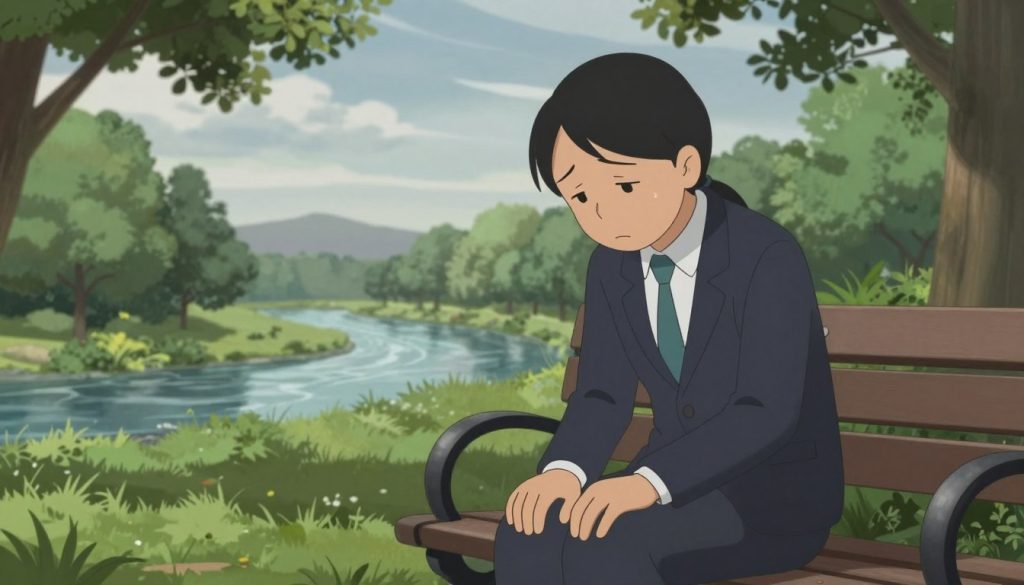
Losing a loved one is a profoundly personal journey that every individual navigates at their own pace. Whilst many find a way to endure, some feel trapped in a deep, unchanging sadness. This experience, which many call complicated grief, can make your world feel colourless for an extended duration.
Finding a path towards healing from loss remains possible even when the emotional burden feels permanent. It requires patience and gentle support to organise your feelings and reclaim your mental well-being. We are here to help you understand this process and show you that brighter days are ahead.
The first step is always the most challenging, yet it is also the most vital. Recognising that you deserve assistance is a sign of immense strength, not weakness. Let us explore how you can find the light again and begin your unique journey towards recovery and renewed hope.
1. Understanding When Grief Becomes Complicated
Grief can be a complex and multifaceted experience, and identifying when it becomes complicated is essential. The grieving process is a natural response to loss, but for some individuals, it can become stuck or prolonged, leading to significant distress.
To understand when grief becomes complicated, it’s crucial to explore the factors that contribute to its complexity. Complicated grief is characterised by intense and prolonged symptoms that interfere with daily life.
What Makes Grief “Complicated”?
Several factors can contribute to the development of complicated grief. These include:
- The nature of the loss, such as a sudden or traumatic death
- The individual’s personal circumstances and support system
- Previous experiences of loss or trauma
- The presence of mental health conditions, such as depression or anxiety
When these factors intersect, they can create a complex grieving process that is challenging to navigate.
How It Differs from the Normal Grieving Process
Normal grief is a natural and necessary process that allows individuals to come to terms with their loss. However, complicated grief is distinct in its intensity and duration. While normal grief can be painful, it typically doesn’t interfere with daily functioning to the same extent as complicated grief.
The key differences between normal and complicated grief lie in the complicated grief symptoms, which can include:
- Persistent and intense emotional pain
- Preoccupation with the deceased
- Difficulty accepting the loss
- Impaired daily functioning and relationships

Understanding these differences is vital in identifying when grief becomes complicated and seeking appropriate support.
2. Recognising Complicated Grief Symptoms
The journey towards emotional healing begins with understanding the signs of complicated grief. Complicated grief, also known as prolonged grief disorder, is characterised by an intense and prolonged experience of grief that lasts for months or even years after the loss of a loved one. Recognising its symptoms is crucial for seeking appropriate support and beginning the healing process.
Emotional and Psychological Signs
Emotional and psychological signs are among the most prominent indicators of complicated grief. These can include a range of feelings and thoughts that significantly impact an individual’s daily functioning.
Intense Yearning and Preoccupation
One of the hallmark symptoms is an intense yearning for the deceased, accompanied by a preoccupation with thoughts or memories of the person lost. This can manifest as a strong desire to be with the deceased or an overwhelming sense of loneliness without them.
Difficulty Accepting the Loss
Another significant emotional sign is difficulty accepting the loss. This can involve denial about the death, feeling that life is unbearable without the deceased, or an intense emotional pain that doesn’t seem to lessen over time.
Physical Manifestations
Complicated grief can also have physical manifestations. Individuals might experience changes in appetite, sleep disturbances, or a weakened immune system due to prolonged stress and emotional turmoil. Physical symptoms can sometimes be overlooked but are crucial indicators of the grief’s impact on overall well-being.
Behavioural Changes to Watch For
Behavioural changes are another critical aspect of complicated grief symptoms. These can include social withdrawal, avoidance of places or activities that remind one of the deceased, or engaging in self-destructive behaviours as a coping mechanism. Recognising these changes in oneself or others can be a vital step towards seeking help.
Understanding and identifying these symptoms can help individuals and their loved ones take the first steps towards healing. By acknowledging the complexity of their grief, individuals can begin to seek out the support and resources needed to navigate their loss.
3. Common Causes and Risk Factors
The development of complicated grief is often linked to specific risk factors and traumatic experiences. Understanding these underlying causes is essential for developing effective grief management strategies.
Circumstances of Traumatic Loss
Traumatic loss can significantly contribute to the development of complicated grief. This can include losses that are sudden, unexpected, or violent in nature. Examples might encompass:
- Loss due to accidents or disasters
- Violent or traumatic death
- Loss of a child
Such circumstances can complicate the grieving process, making it challenging for individuals to come to terms with their loss.
Personal Vulnerability Factors
Certain personal factors can increase an individual’s vulnerability to complicated grief. These may include:
- Previous experiences of loss or trauma
- Mental health conditions, such as depression or anxiety
- Lack of a strong support network
These factors can interplay with the circumstances of the loss, exacerbating the risk of developing complicated grief.
Relationship Dynamics and Attachment Styles
The nature of the relationship with the deceased and an individual’s attachment style can also influence their grief. For instance:
- Dependent or anxious attachment styles may complicate grief
- Unresolved conflicts or complex relationships with the deceased
Understanding these dynamics is crucial for addressing the complexities of grief.
By recognizing the causes and risk factors associated with complicated grief, individuals can better navigate their grief and seek appropriate support when needed.
4. The Impact on Daily Life and Relationships
When grief becomes complicated, it can permeate every facet of a person’s daily life and interpersonal relationships. The intense emotional pain and persistent longing for the deceased can make everyday tasks and social interactions increasingly challenging.
Coping with loss becomes a daily struggle, as the individual navigates the complexities of their emotions and the demands of their daily routine.
Work and Productivity Challenges
Complicated grief can significantly affect an individual’s ability to concentrate and perform tasks at work. The emotional turmoil can lead to:
- Absenteeism or tardiness
- Reduced productivity
- Difficulty in making decisions
- Strained relationships with colleagues
Seeking bereavement support can be crucial in managing these work-related challenges and finding ways to maintain productivity.
Social Withdrawal and Isolation
As complicated grief deepens, individuals may start to withdraw from social interactions. This can be due to feelings of:
- Emotional overwhelm
- Fear of being judged or pitied
- Difficulty in connecting with others
- Avoidance of reminders of the deceased
This social isolation can exacerbate feelings of loneliness and disconnection, making it even more challenging to cope with the loss. It’s essential for individuals to reach out for support from loved ones, support groups, or mental health professionals to help them navigate these complex emotions and rebuild their social connections.
5. Professional Support and Treatment Options
For those struggling with complicated grief, various professional support and treatment options are available. Managing complicated grief can be a complex process, and seeking help from professionals is often a crucial step towards healing.
Evidence-Based Therapy Approaches for Grief Management
Several evidence-based therapies have been found effective in managing complicated grief. These include:
- Complicated Grief Treatment: A specific therapy designed to help individuals process their grief and move forward.
- Cognitive Behavioural Therapy (CBT): Helps individuals identify and change negative thought patterns that contribute to their grief.
Complicated Grief Treatment
Complicated Grief Treatment is a form of therapy that focuses on helping individuals understand and manage their grief. It involves techniques to restore a sense of normalcy and promote healing.
Cognitive Behavioural Therapy
CBT is another effective approach that helps individuals manage their grief by addressing negative thought patterns and behaviours. It is often used in conjunction with other therapies.
When Medication May Be Helpful
In some cases, medication may be recommended to help manage symptoms associated with complicated grief, such as depression or anxiety. It’s essential to consult with a healthcare professional to determine the best course of treatment.
Finding Bereavement Support Groups
Bereavement support groups provide a safe space for individuals to share their experiences and connect with others who have gone through similar losses. These groups can be found through local hospices, community centres, or online platforms.
Seeking professional support is a sign of strength, and there are many resources available to help individuals navigate complicated grief.
6. Practical Strategies for Coping with Loss
Coping with loss is a journey that requires patience, understanding, and a compassionate approach towards oneself. As individuals navigate the complex process of grieving, incorporating practical strategies into daily life can significantly aid in emotional healing and overall well-being.
Daily Self-Care Practices for Emotional Healing
Engaging in daily self-care practices is crucial for emotional healing. This can include activities such as journaling, which allows individuals to express their feelings and reflect on their grief journey. Meditation and deep breathing exercises can also help in managing the emotional turmoil that often accompanies loss.
Additionally, maintaining a healthy lifestyle through regular physical activity and a balanced diet can support both physical and emotional health. Ensuring adequate sleep is also vital, as it plays a significant role in emotional regulation and resilience.
Mindfulness and Grounding Techniques
Mindfulness and grounding techniques can be particularly helpful in managing the intense emotions associated with grief. Practices such as mindful walking or focusing on the senses can help individuals stay present and reduce feelings of overwhelm. Grounding techniques, such as progressive muscle relaxation or using sensory objects, can also provide comfort and stability.
Meaningful Ways to Honour Your Loved One
Finding meaningful ways to honour a loved one can be a therapeutic part of the grieving process. This might involve creating a memory book or a memory garden, where memories can be cherished and reflected upon. Participating in annual rituals or special ceremonies can also provide a sense of connection and continuity.
Engaging in activities that were meaningful to the deceased or that reflect their values and passions can also be a powerful way to honour their memory. This could include volunteering for a cause they supported or continuing a family tradition that held significance for them.
By incorporating these practical strategies into daily life, individuals can better navigate the challenges of coping with loss and move towards a path of healing and recovery.
7. Building Your Path Towards Hope and Recovery
Embarking on the journey of healing from loss requires patience, understanding, and a supportive environment. It’s a process that is as unique as the individual experiencing it, influenced by personal circumstances, the nature of the loss, and the support systems available.
As you navigate this challenging path, it’s essential to understand that recovery is not a linear process. It involves various stages, including setting realistic expectations, building a support network, and rediscovering one’s purpose and meaning.
Setting Realistic Expectations for Healing from Loss
Understanding that healing from loss is a gradual process is crucial. It’s unrealistic to expect that one can ‘get over’ a significant loss quickly. The grieving process can be prolonged, and it’s essential to be patient and compassionate with oneself.
- Allow yourself to feel the emotions associated with your loss.
- Acknowledge that setbacks are a part of the healing journey.
- Celebrate small milestones along the way.
Creating a Strong Support Network
A robust support network is vital for individuals dealing with complicated grief. This network can include family, friends, support groups, and mental health professionals.
Connecting with others who have experienced similar losses can be particularly helpful. Support groups offer a safe space to share experiences and learn from others.
Rediscovering Purpose and Meaning
As you progress on your journey of healing, you may find that your loss has impacted your sense of identity and purpose. Rediscovering meaning can be a powerful step towards recovery.
- Engage in activities that you enjoyed before your loss, or try new ones.
- Reflect on your values and how they align with your current life situation.
- Consider setting new goals that honour your loved one’s memory or reflect your personal growth.
By taking these steps, you can begin to rebuild your life and find a new sense of purpose. Remember, healing from loss is a journey, and it’s okay to take it one step at a time.
8. Conclusion
Understanding and addressing complicated grief is a crucial step towards healing and recovery. As discussed, recognising the signs and symptoms of complicated grief is vital in seeking the right support and treatment.
By acknowledging the impact of complicated grief on daily life and relationships, individuals can begin to rebuild and find a path towards hope. Evidence-based therapy approaches, support groups, and self-care practices can provide the necessary tools to navigate this challenging journey.
It’s essential to remember that healing from complicated grief is a unique and individual process. Creating a strong support network and rediscovering purpose and meaning can help individuals move forward. With the right support and resources, it’s possible to find a way to heal and live with the loss.