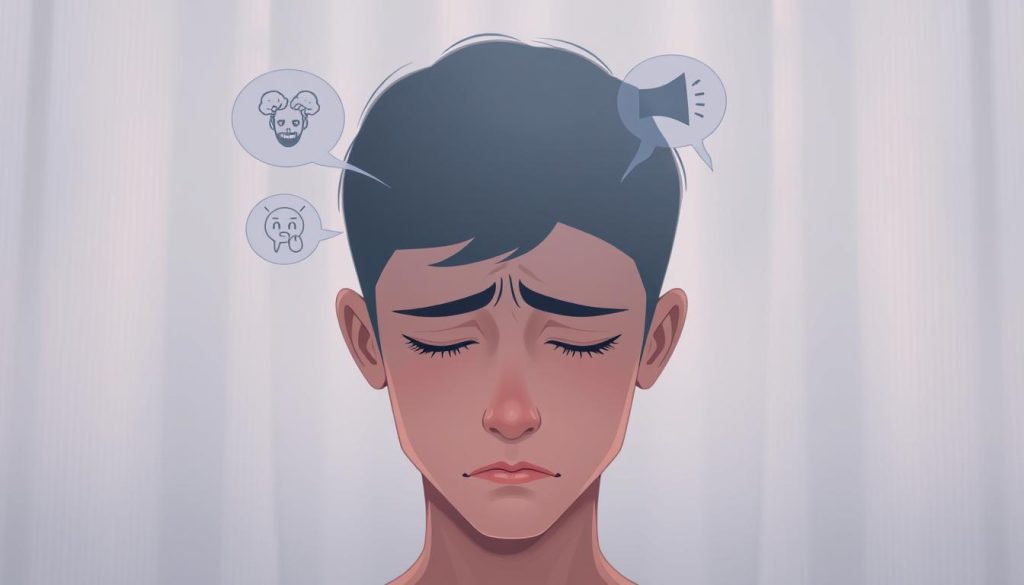
Recognising when you require mental health support is a crucial step towards maintaining your overall wellbeing. It’s essential to be aware of the warning signs that indicate you might be struggling.
Feeling overwhelmed, experiencing persistent sadness, or noticing significant changes in your behaviour or appetite can be indicators that you need to seek help. Acknowledging these signs is the first step towards getting the support you need.
Understanding the importance of mental health and being proactive about your wellbeing can make a significant difference. By being aware of your mental state and taking steps to address any issues, you can improve your quality of life.
Key Takeaways
- Recognising mental health warning signs is crucial for seeking support.
- Changes in behaviour or mood can indicate a need for mental health support.
- Acknowledging the need for help is the first step towards recovery.
- Proactive steps can significantly improve mental wellbeing.
- Understanding mental health is key to maintaining overall health.
Recognising the Importance of Mental Wellbeing
The importance of mental wellbeing cannot be overstated, as it affects every aspect of our lives. Maintaining good mental health is essential for overall wellbeing, influencing how we think, feel, and behave. It plays a crucial role in determining our resilience to stress, our ability to form and maintain relationships, and our capacity to make decisions.

What Constitutes Good Mental Health
Good mental health is characterised by the ability to cope with the normal stresses of life, work productively, and contribute to the community. It involves having a positive outlook, being able to manage emotions, and maintaining healthy relationships. Individuals with good mental health are more likely to realise their potential, handle life’s challenges, and recover from setbacks.
The Spectrum of Mental Health Challenges
Mental health challenges can range from common mental health issues like anxiety and depression to more severe conditions such as bipolar disorder or schizophrenia. Understanding this spectrum is vital for recognising the signs and symptoms early, which can significantly improve treatment outcomes. It’s essential to acknowledge that mental health challenges are not a sign of weakness but rather a sign that additional support is needed.
Emotional Signs That Indicate Mental Health Concerns
Recognising the emotional warning signs of mental health issues is essential for providing timely support and guidance. Emotional distress can manifest in various ways, affecting an individual’s overall wellbeing and quality of life.
Persistent Sadness or Low Mood
A persistent feeling of sadness or low mood that lasts for an extended period can be a significant indicator of underlying mental health concerns. This emotional state can interfere with daily activities and relationships, making it challenging to maintain a normal routine.
When Normal Sadness Becomes Depression
While sadness is a normal human emotion, it becomes a concern when it persists and intensifies, potentially leading to depression. Depression is a serious mental health condition that requires professional attention and support.
Excessive Worry and Anxiety
Excessive worry and anxiety are common emotional distress symptoms that can significantly impact an individual’s mental health. When these feelings become overwhelming and persistent, they can interfere with daily functioning and overall wellbeing.

Mood Swings and Emotional Volatility
Mood swings and emotional volatility can also be indicative of mental health concerns. Rapid changes in emotional states can be challenging to manage and may affect personal and professional relationships.
Being aware of these emotional signs is crucial for identifying potential mental health issues early on. By recognising these warning signs, individuals can seek appropriate support and guidance to address their mental health concerns.
Changes in Thinking Patterns
When we experience shifts in our thought processes, it can be a sign that our mental wellbeing is under strain. Changes in thinking patterns are a crucial aspect of mental health that can often go unnoticed until they start affecting our daily lives.
Negative or Self-Critical Thoughts
One common change is the emergence of negative or self-critical thoughts. These can manifest as persistent self-doubt, harsh self-criticism, or a pervasive negative outlook on life. Such thought patterns can significantly impact our self-esteem and ability to cope with daily challenges.
For instance, a person might find themselves constantly thinking, “I’m not good enough,” or “I’ll never succeed.” These thoughts can be debilitating and affect various aspects of life, from personal relationships to professional performance.
Difficulty Concentrating or Making Decisions
Another significant change is difficulty concentrating or making decisions. When our thinking becomes clouded or overly preoccupied with worry, it can be challenging to focus on tasks or make straightforward decisions. This can lead to feelings of frustration and being overwhelmed.
“The mind is everything; what you think, you become.” – Buddha
This quote highlights the importance of our thought processes in shaping our experiences and wellbeing.
Intrusive or Unwanted Thoughts
Intrusive or unwanted thoughts are another indicator of changes in thinking patterns. These can range from disturbing images to irrational fears or obsessive thoughts that intrude upon our consciousness. Such thoughts can be very distressing and disrupt daily functioning.
- Unwanted thoughts about harm or violence
- Intrusive memories or flashbacks
- Obsessive thoughts about cleanliness or order
When Thoughts Become Overwhelming
It’s essential to recognise when these changes in thinking patterns become overwhelming. Seeking support from mental health professionals can provide strategies to manage these thoughts and improve overall mental wellbeing.
| Thinking Pattern Change | Potential Impact | Support Strategies |
|---|---|---|
| Negative or Self-Critical Thoughts | Low self-esteem, depression | Cognitive-behavioural therapy (CBT), self-compassion exercises |
| Difficulty Concentrating or Making Decisions | Impaired daily functioning, anxiety | Mindfulness practices, decision-making frameworks |
| Intrusive or Unwanted Thoughts | Distress, disrupted daily life | Exposure therapy, thought-stopping techniques |
Behavioural Indicators of Mental Health Struggles
Our behaviour can be a significant indicator of our mental wellbeing. When we’re struggling with our mental health, it can manifest in various ways, including changes in our daily habits and behaviours. Recognising these changes is crucial for identifying when we or someone we care about might need support.
Changes in Sleep Patterns
Changes in sleep patterns can be a significant indicator of mental health struggles. Sleep disturbances can range from insomnia to hypersomnia, and they often correlate with other mental health challenges such as anxiety or depression. For instance, a person experiencing anxiety might find it difficult to fall asleep due to racing thoughts, while someone with depression might sleep excessively as a form of escapism.
Altered Eating Habits
Altered eating habits are another behavioural indicator that should not be overlooked. Changes in appetite or eating patterns can be associated with various mental health conditions. For example, some people might experience a decrease in appetite when they’re feeling anxious or depressed, while others might turn to food as a comfort mechanism, leading to overeating.
Increased Substance Use or Risk-Taking
Increased substance use or risk-taking behaviours can also signal underlying mental health issues. Some individuals might turn to alcohol or drugs as a way to cope with their emotions or to temporarily escape from their problems. Similarly, engaging in risk-taking behaviours can be a manifestation of impulsivity associated with certain mental health conditions.
It’s essential to be aware of these behavioural indicators and to approach them with compassion and understanding. If you or someone you know is experiencing these changes, it might be helpful to seek professional help. Early intervention can make a significant difference in managing mental health struggles.
| Behavioural Indicator | Possible Mental Health Correlation |
|---|---|
| Changes in Sleep Patterns | Anxiety, Depression |
| Altered Eating Habits | Depression, Anxiety Disorders |
| Increased Substance Use or Risk-Taking | Substance Use Disorders, Impulse Control Disorders |
“The way we behave can be a window into our mental health. By being more aware of our actions and habits, we can better understand our wellbeing and take steps to improve it.”
Physical Symptoms Connected to Mental Health
It’s not uncommon for mental health struggles to be accompanied by physical symptoms that can be just as debilitating. The intricate link between our mental wellbeing and physical health means that issues in one area can significantly impact the other. Recognising these physical symptoms is crucial in identifying the common signs you might need mental health support.
Unexplained Aches and Pains
One of the physical manifestations of mental health struggles can be unexplained aches and pains. These can range from headaches and back pain to more generalised body aches. Such symptoms can be distressing and, when coupled with mental health challenges, can significantly impact one’s quality of life.
Fatigue and Low Energy
Feeling persistently tired or lacking the energy to engage in daily activities is another physical symptom that can be associated with mental health issues. This fatigue can be both physical and mental, making it difficult to concentrate or complete tasks. It’s a symptom that can be particularly challenging as it can interfere with work, social life, and personal care.
Changes in Appetite and Weight
Mental health struggles can also lead to changes in appetite and weight. Some individuals may experience increased hunger and weight gain, while others may lose their appetite and weight. These changes can be due to the emotional distress symptoms associated with mental health challenges, such as anxiety or depression.
Understanding these physical symptoms as potential indicators of mental health issues is vital. By acknowledging the interplay between mental and physical health, individuals can seek appropriate support, whether it’s for their mental wellbeing or addressing the physical manifestations of their struggles.
Common Signs You Might Need Mental Health Support in Social Contexts
Our social lives can be a mirror to our mental wellbeing, reflecting signs that we might need additional support. Mental health issues can manifest in various ways within our social interactions, affecting our relationships and overall quality of life. Recognising these signs early on can be crucial in seeking the right kind of help and support.
Withdrawal from Friends and Family
One of the common signs that someone might be struggling with their mental health is a noticeable withdrawal from social interactions. This could mean avoiding gatherings, cancelling plans at the last minute, or simply not being as engaged with friends and family as they once were. As Dr. Jane Smith, a mental health professional, notes, “Withdrawal can be a coping mechanism for individuals feeling overwhelmed by their emotions or circumstances.”
Difficulty Maintaining Relationships
Mental health challenges can also affect our ability to maintain healthy relationships. This might manifest as increased conflict, feeling disconnected from others, or struggling to communicate effectively. “It’s like we’re speaking different languages,” said one individual struggling with mental health issues, highlighting the difficulty in connecting with others when one’s mental state is compromised.
Feeling Isolated or Misunderstood
Feeling isolated or misunderstood, even when surrounded by others, can be a significant indicator of underlying mental health issues. This sense of isolation can exacerbate feelings of loneliness and disconnection, creating a vicious cycle. As the
“You don’t have to be great to start, but you have to start to be great.”
– a quote often attributed to Zorba the Greek, though originally by
, though not directly related to mental health, it underscores the importance of taking that first step towards seeking help.
Understanding these signs in the context of our social lives can be the first step towards seeking help. It’s about recognising the need for support and taking proactive steps to address our mental health needs.
Impact on Daily Functioning
When mental wellbeing is compromised, daily functioning often suffers. Mental health concerns can affect various aspects of life, from work and academic performance to personal relationships and daily responsibilities.
Struggling with Work or Academic Performance
Mental health issues can significantly impact productivity and performance. Individuals may experience difficulties in concentrating, making decisions, or meeting deadlines, leading to a decline in work or academic achievement. Recognising these signs early can help in seeking appropriate support.
Difficulty Managing Household Responsibilities
Managing household chores and responsibilities can become challenging when struggling with mental health. Simple tasks may feel overwhelming, leading to a buildup of uncompleted tasks and added stress. Breaking tasks into smaller steps can make them more manageable.
Loss of Interest in Previously Enjoyed Activities
A common indicator of mental health struggles is a loss of interest in activities that were once enjoyed. This can include hobbies, social activities, or other pursuits that previously brought pleasure. Reconnecting with these activities or finding new ones can be an important part of the recovery process.
Recognising the Difference Between Temporary Slumps and Persistent Issues
It’s essential to differentiate between temporary slumps and persistent mental health issues. While everyone experiences off days, persistent problems require attention and support. Monitoring the duration and impact of symptoms can help determine the need for professional help.
Mental wellbeing indicators, such as changes in daily functioning, can signal underlying emotional distress symptoms. Being aware of these signs and seeking support when needed is crucial for maintaining good mental health.
When to Seek Professional Help
Recognising when to seek professional help is a crucial step in maintaining good mental health. It’s a sign of strength, not weakness, to acknowledge when you need support. Mental health challenges can be complex and varied, and knowing when to reach out for help can make a significant difference in your wellbeing.
Crisis Warning Signs
If you’re experiencing thoughts of self-harm or suicide, it’s essential to seek immediate help. Contact emergency services or a crisis hotline for urgent support. Other crisis warning signs include severe anxiety, depression, or psychotic episodes. Don’t hesitate to reach out to a mental health professional if you’re unsure about your symptoms.
Immediate Steps to Take in a Mental Health Crisis
In a crisis, stay calm and seek support. Contact a trusted friend, family member, or mental health professional for guidance. If you’re in immediate danger, call emergency services. As one mental health expert notes, “In a crisis, it’s crucial to have a support system in place.”
Assessing the Severity of Your Symptoms
To determine if you need professional help, assess the severity of your symptoms. Ask yourself: Are your feelings affecting your daily life? Are you struggling to cope with emotions or thoughts? Be honest with yourself, and consider seeking help if you’re unsure. A mental health professional can provide a proper assessment and guidance.
Overcoming Barriers to Seeking Help
Many people struggle to seek help due to stigma, fear, or uncertainty. Recognise that seeking help is a brave step towards taking care of your mental health. Remind yourself that you’re not alone, and there are resources available to support you. As a renowned mental health advocate once said,
“The most courageous act is still to think for yourself. Aloud.”
Mental Health Support Options in the UK
Understanding the mental health support options in the UK is crucial for those seeking help. The UK offers a comprehensive range of services designed to support individuals with various mental health needs.
NHS Mental Health Services and Referral Pathways
The NHS provides a wide array of mental health services, including counselling, therapy, and psychiatric care. To access these services, individuals can consult their GP, who can then refer them to the appropriate mental health team. Early intervention is key to managing mental health effectively.
NHS mental health services are tailored to meet different needs, from mild to severe mental health conditions. Services include:
- Community mental health teams
- Specialist services for conditions like eating disorders
- Crisis resolution and home treatment teams
Private Therapy and Counselling Resources
In addition to NHS services, the UK has a thriving private mental health sector. Private therapy and counselling services offer an alternative for those who prefer a more personalized approach or have specific needs not met by the NHS. Private healthcare can offer shorter waiting times, which can be beneficial for those needing immediate support.
Many private therapists and counsellors are registered with professional bodies, ensuring a high standard of care. Individuals can search for private therapists through directories like those provided by the British Association for Counselling and Psychotherapy (BACP).
Community and Charity Support Networks
Community and charity support networks play a vital role in providing mental health support. Organizations like Mind and Rethink Mental Illness offer a range of services, including helplines, support groups, and online resources. These networks provide a sense of community and understanding, which can be invaluable for those feeling isolated.
UK-Specific Helplines and Digital Resources
For immediate support, UK-specific helplines are available. For example, the Samaritans provide a 24/7 helpline for individuals in crisis. Digital resources, such as online forums and mental health apps, also offer support and guidance.
“Having access to immediate support can be a lifeline for those struggling with their mental health.”
Conclusion
Recognising the signs that indicate a need for mental health support is crucial for maintaining overall wellbeing. Throughout this article, we’ve explored various emotional, behavioural, and physical indicators that may suggest someone is struggling with their mental health.
Being aware of mental wellbeing indicators such as persistent sadness, changes in thinking patterns, and alterations in daily functioning can help individuals identify when they or someone they know might need support. Similarly, acknowledging emotional distress symptoms like excessive worry or mood swings is vital for early intervention.
Seeking help is a sign of strength, not weakness. If you’re experiencing any of the signs discussed, consider reaching out to mental health professionals or support networks. In the UK, services like NHS Mental Health Services and various charity organisations offer valuable resources and guidance.
Taking proactive steps towards understanding and addressing mental health challenges can significantly improve overall quality of life. By fostering a supportive environment and encouraging open conversations about mental health, we can work together to promote wellbeing and reduce stigma around mental health issues.
FAQ
What are the common signs that I might need mental health support?
How do I know if my feelings are normal or if I need professional help?
What are the benefits of seeking mental health support through the NHS?
Are there any immediate resources available if I’m experiencing a mental health crisis?
How can I overcome barriers to seeking mental health help?
Can changes in my physical health be related to my mental health?
What role do community and charity support networks play in mental health?
How can I support a friend or family member who is struggling with their mental health?