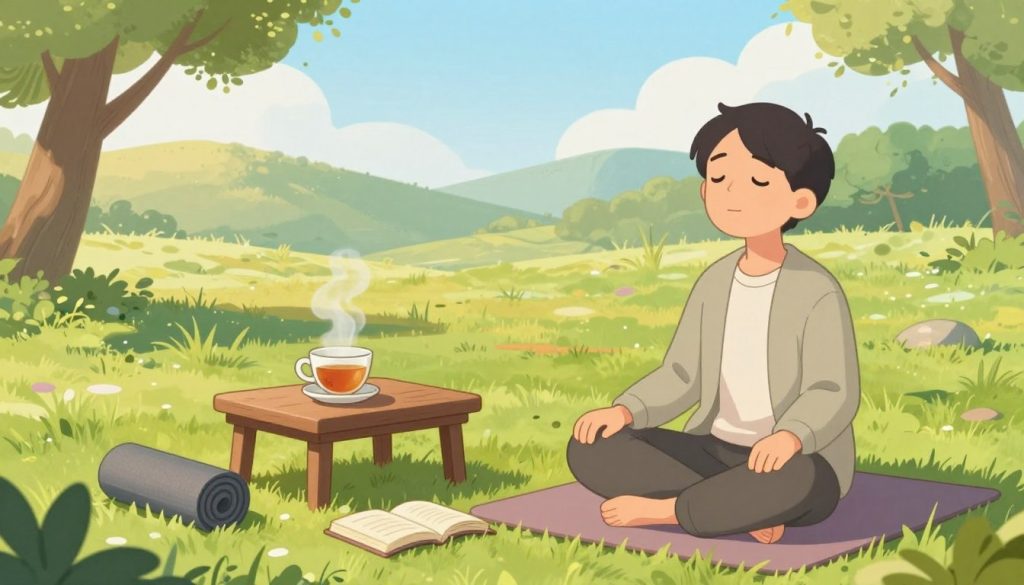
Life in our modern, fast-paced world often feels overwhelming. Many of us struggle to find a sense of balance while juggling endless responsibilities. If you are searching for effective support, you have come to the right place.
Prioritising your mental wellbeing is not just a luxury; it is a necessity for a healthy life. We believe that small, consistent shifts in your routine can lead to significant improvements in how you feel each day.
This guide offers actionable advice designed to help you regain control of your emotional state. By adopting simple daily habits, you can begin to build a personalised toolkit for lasting peace.
We invite you to explore these suggestions with an open heart. Together, we can navigate the challenges of today and create a more serene future for your inner self.
Understanding the Physiology of Anxiety
Exploring the biological roots of unease can transform how you view your own stress responses. Rather than seeing these sensations as a personal failure, it helps to recognise them as natural physical signals. By learning how your body functions, you can begin to implement effective stress management techniques with greater confidence.
Recognising the Fight or Flight Response
Your body possesses an intricate internal alarm system designed to keep you safe from harm. When you encounter a perceived threat, your brain triggers the fight or flight response, flooding your system with adrenaline. This ancient mechanism is essential for survival, yet it often activates during non-threatening modern situations, such as a busy commute or a looming deadline.
Understanding this process is one of the most vital coping strategies for anxiety. When you feel your heart race or your palms sweat, remind yourself that your body is simply trying to protect you. This shift in perspective allows you to approach your symptoms with curiosity rather than fear.
The Impact of Cortisol on Daily Functioning
While adrenaline provides an immediate burst of energy, cortisol acts as the body’s primary stress hormone over a longer period. When you remain in a state of high alert, your cortisol levels stay elevated, which can disrupt your sleep, digestion, and focus. Prolonged exposure to this hormone often makes it difficult to maintain your usual routine.
Recognising these physical patterns is a key step in finding anxiety relief techniques that actually work for your lifestyle. By prioritising rest and gentle movement, you can help your body return to a state of balance. Developing these stress management techniques ensures that you are not just reacting to stress, but actively supporting your long-term health.
Ultimately, mastering these coping strategies for anxiety requires patience and self-compassion. As you become more attuned to your body’s signals, you will find it easier to choose the right anxiety relief techniques to restore your inner calm. You are capable of navigating these physical sensations with grace and understanding.
Practical Ways to Calm an Anxious Mind Through Breathing
Discover how intentional breathing acts as a natural anchor for your nervous system. When you feel overwhelmed, your body often shifts into a state of high alert. By focusing on your breath, you can gently guide your system back to a place of calm and clarity.
These anxiety relief techniques are accessible to everyone, whether you are at your desk or relaxing at home. They work by shifting your body from a sympathetic state to a parasympathetic state, which is essential for long-term wellbeing.
Mastering Box Breathing Techniques
Box breathing is a rhythmic method used by professionals to maintain focus under pressure. To begin, inhale slowly through your nose for a count of four. Hold your breath for another count of four, then exhale steadily for four seconds.
Finally, hold your lungs empty for a count of four before repeating the cycle. This simple pattern is one of the most effective relaxation exercises for anxiety because it forces your mind to concentrate on the count rather than your worries.
Utilising Diaphragmatic Breathing for Immediate Relief
Diaphragmatic breathing, often called belly breathing, encourages deep oxygen exchange. Place one hand on your chest and the other on your abdomen to feel the movement. As you inhale, focus on expanding your stomach rather than lifting your shoulders.
This technique helps to lower your heart rate and blood pressure almost instantly. It is a foundational practice among various breathing exercises for relaxation that you can perform discreetly at any time.

The 4-7-8 Method for Evening Relaxation
The 4-7-8 method acts as a natural tranquilliser for the nervous system, making it perfect for winding down before sleep. Start by exhaling completely through your mouth, making a whooshing sound. Close your mouth and inhale quietly through your nose to a count of four.
Hold your breath for a count of seven, then exhale completely through your mouth for a count of eight. Repeating this cycle four times can help you release the tension accumulated throughout the day. Consistent practice of these methods will empower you to manage your mental state with greater ease and confidence.
Mindfulness and Grounding Strategies for Stress Management
Finding your centre during a stressful day is easier than you might think. When your thoughts begin to spiral, you need effective stress management techniques to anchor your mind in the present moment. These practices act as a gentle bridge between chaos and calm.
Applying the 5-4-3-2-1 Sensory Grounding Technique
The 5-4-3-2-1 method is a powerful tool for de-escalating acute feelings of overwhelm. It forces your brain to shift focus from internal worry to your immediate physical surroundings. This is one of the most reliable relaxation exercises for anxiety available.
Start by identifying five things you can see, four things you can touch, and three things you can hear. Then, name two things you can smell and one thing you can taste. By engaging your senses, you interrupt the cycle of panic and return to a state of balance.
Cultivating Daily Mindfulness Through Meditation
Beyond immediate relief, you can build long-term resilience through consistent practice. Mindfulness for stress is not about clearing your mind completely, but rather observing your thoughts without judgement. Even five minutes of daily meditation can significantly lower your baseline levels of tension.
Try to find a quiet space where you can sit comfortably and focus on your breath. When your mind wanders, simply acknowledge the thought and gently guide your attention back to your breathing. This simple habit strengthens your ability to remain calm under pressure.
The Benefits of Mindful Walking in Nature
Integrating movement into your routine is another excellent way to support your mental wellbeing. Mindful walking involves paying close attention to the sensation of your feet hitting the ground and the rhythm of your stride. These calming activities for mental health are best enjoyed in a local park or woodland area.
As you walk, notice the colours of the leaves or the sound of the wind in the trees. This connection with the natural world helps to quieten the noise of a busy mind. By making this a regular habit, you create a sustainable path toward lasting inner peace.
Lifestyle Adjustments for Long-Term Anxiety Relief
Transforming your mental wellbeing begins with intentional adjustments to your daily lifestyle. While immediate relief is helpful, long-term stability requires a holistic look at your habits. Incorporating mindfulness for stress into your day can create a stronger foundation for emotional resilience.
Prioritising Sleep Hygiene and Routine
A consistent sleep schedule acts as a cornerstone for a balanced mood. When you go to bed and wake up at the same time, your body clock regulates itself more effectively. Prioritising rest is one of the most effective ways to ensure your nervous system remains calm throughout the day.
The Role of Balanced Nutrition in Mental Wellbeing
What you eat directly influences how you feel. A diet rich in whole foods, such as leafy greens, nuts, and oily fish, provides the essential nutrients your brain needs to function optimally. By choosing calming activities for mental health, like preparing a nutritious meal, you nourish both your body and your mind.
Limiting Caffeine and Alcohol Intake
Stimulants like caffeine can mimic the physical sensations of anxiety, such as a racing heart or jittery nerves. Similarly, while alcohol might seem relaxing initially, it often disrupts sleep quality and increases feelings of unease the following day. Reducing these substances is a vital step in maintaining a steady, peaceful state of mind.
Identifying Personal Triggers
One of the most important self-care tips for anxiety involves learning to recognise your unique triggers. Whether it is a specific social situation or a busy work environment, awareness allows you to respond rather than react. You might find that pairing this awareness with breathing exercises for relaxation helps you navigate challenging moments with greater ease and confidence.
Embracing a Sustainable Path Toward Inner Peace
Achieving lasting mental clarity requires a shift in perspective. Managing your wellbeing is a continuous journey rather than a single destination or a quick fix.
You now possess a variety of coping strategies for anxiety to support your daily routine. Reflect on which methods feel most natural for your lifestyle. Small adjustments often lead to significant improvements in how you navigate stressful moments.
Consistency remains the key to success. By integrating these self-care tips for anxiety into your schedule, you build a foundation of resilience. Your nervous system will respond positively to these steady, gentle habits over time.
Be patient with yourself as you explore these practical ways to calm an anxious mind. Progress is rarely linear, and self-compassion serves as your greatest tool during challenging days. Trust the process and celebrate the small victories you achieve on your path to serenity.
What is one change you plan to start today? Share your experiences with friends or family to build a supportive network. Your commitment to your mental health inspires those around you to prioritise their own peace of mind.