Why Burnout in Women Is Becoming an Important Mental Health Issue
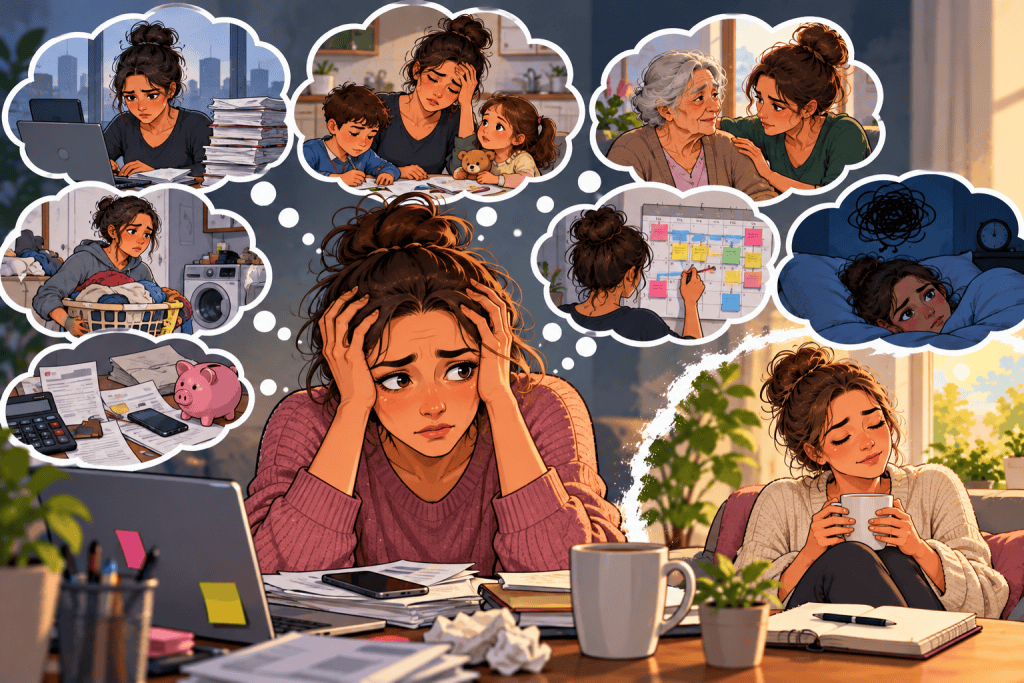
For many women, life can feel like an endless list of responsibilities.
There are jobs to manage, bills to pay, children to support, ageing parents to care for, relationships to maintain and household responsibilities that never seem to end.
Some women spend their days supporting everyone around them, only to discover that they have very little energy left for themselves.
They wake up exhausted, push through the day, meet everyone else’s needs and collapse into bed knowing tomorrow will bring more of the same.
From the outside, they may appear organised, successful and perfectly capable of managing everything.
Inside, however, they may be struggling with overwhelming exhaustion, emotional numbness, frustration and a growing feeling that they simply cannot continue at the same pace.
This is where burnout can become a serious concern.
At Anxious Minds, we recognise that women who spend their lives caring for others can sometimes become so accustomed to putting themselves last that they fail to recognise when their own mental health is deteriorating.
Understanding burnout, recognising its warning signs and accessing appropriate support can help women begin to protect their wellbeing.
What Is Burnout?
Burnout is commonly used to describe a state of physical, mental and emotional exhaustion associated with prolonged pressure.
The World Health Organization (WHO) specifically defines occupational burnout as resulting from chronic workplace stress that has not been successfully managed.
It identifies three main characteristics:
-
Feelings of exhaustion or depleted energy.
-
Increased emotional distance, negativity or cynicism towards work.
-
Reduced feelings of effectiveness and accomplishment.
The WHO classifies burnout as an occupational phenomenon rather than a medical condition.
Outside this formal definition, people also use terms such as parental burnout and caregiver burnout to describe exhaustion associated with prolonged caring responsibilities.
These experiences may overlap, but they are not necessarily the same as workplace burnout or a diagnosed mental health condition.
For many women, different pressures interact, making it difficult to identify exactly where their exhaustion begins.
How Common Is Burnout in the UK?
Burnout and prolonged stress are significant concerns across the UK workforce.
Mental Health UK’s Burnout Report 2026 highlights the continuing impact of workplace pressure, workload and financial uncertainty on mental wellbeing.
Its findings indicate that women are more likely than men to identify workload as a factor contributing to burnout.
The report also found that approximately one in five workers had taken time off during the previous year because of poor mental health related to pressure or stress.
These findings demonstrate that exhaustion is not simply a personal issue.
Workplace expectations, economic pressures, caring responsibilities and access to support can all influence someone’s ability to maintain their wellbeing.
1. The Invisible Mental Load Many Women Carry
One of the most overlooked causes of emotional exhaustion is the invisible mental load.
This describes the constant planning, organising, remembering and anticipating involved in managing everyday life.
A woman might be responsible for remembering children’s appointments, arranging family activities, managing household finances, organising meals and checking on elderly relatives.
Even when she is not physically completing these tasks, she may be thinking about them.
The mental load can continue throughout the day and into the evening.
Someone may sit down to relax but find their mind constantly moving between responsibilities.
Over time, this ongoing mental activity can contribute to stress and emotional exhaustion.
The challenge is that much of this work is invisible to other people.
Because it is not always recognised, women may feel unsupported or struggle to explain why they are so tired.
2. Feeling Exhausted Even After Resting
One of the most common warning signs of burnout is persistent exhaustion.
Someone may sleep through the night but wake up feeling as though they have barely rested.
Everyday responsibilities can begin requiring enormous effort.
Tasks that previously felt manageable, such as preparing meals, answering emails or getting ready for work, may become overwhelming.
This exhaustion can affect concentration, motivation and emotional wellbeing.
Women may begin criticising themselves for struggling with activities they once completed easily.
However, persistent exhaustion should never automatically be dismissed as burnout.
Physical conditions such as anaemia, thyroid disorders and sleep-related difficulties can produce similar symptoms.
A GP can help investigate possible causes.
3. Becoming Irritable Over Small Things
Burnout can influence emotional responses.
Someone who is normally patient may become unusually frustrated or overwhelmed by minor difficulties.
Small interruptions can feel unbearable.
A simple question from a family member may trigger irritation, while an unexpected change of plans can feel impossible to manage.
This may be particularly upsetting for women who are accustomed to being emotionally available to others.
They might recognise that their reactions are unusual but feel unable to control their frustration.
Afterwards, guilt may develop because they believe they have let their family or colleagues down.
This can create a cycle of emotional exhaustion, irritability and self-criticism.
Recognising these changes as possible signs of prolonged stress can encourage someone to seek support before the difficulties become more severe.
4. Losing Interest in Things You Once Enjoyed
When responsibilities dominate everyday life, enjoyable activities may gradually disappear.
Someone who previously enjoyed meeting friends, exercising, reading or pursuing hobbies may stop making time for these activities.
At first, this may seem like a temporary sacrifice.
However, over time, the person may find they no longer have the motivation or energy to participate.
Their life becomes focused on completing responsibilities rather than experiencing enjoyment.
This can contribute to feelings of emptiness and dissatisfaction.
Importantly, a persistent loss of interest or pleasure can also be a symptom of depression.
If these feelings continue or affect several areas of life, professional assessment is advisable.
5. Why Women Often Feel Guilty About Resting
Many women experience guilt when they attempt to prioritise their own wellbeing.
They may believe they should always be productive, available or helping someone else.
Even when exhausted, they might struggle to say no to additional responsibilities.
Taking a day off can feel uncomfortable because they worry about disappointing others.
Some women have spent years measuring their worth through how much they do for their families, employers or communities.
As a result, rest may be interpreted as laziness rather than a basic requirement for good health.
But rest is not something people need to earn by reaching complete exhaustion.
Developing healthier boundaries can help reduce the pressure of unrealistic expectations.
6. Burnout Can Affect Relationships
Prolonged exhaustion can make maintaining relationships more difficult.
Someone may become less communicative, withdraw from friends or feel they have little emotional energy left for their partner.
They may begin avoiding social events because the thought of another conversation feels overwhelming.
Family members might interpret this behaviour as a loss of interest or affection.
However, emotional exhaustion can reduce someone’s ability to engage with others even when they genuinely care about them.
Open communication can help.
Explaining that stress is affecting emotional wellbeing may reduce misunderstandings and create opportunities for practical support.
Sharing responsibilities can also be more helpful than simply encouraging someone to relax.
7. Perfectionism Can Increase the Risk of Burnout
Some women place enormous pressure on themselves to perform every role perfectly.
They may believe they must be excellent employees, supportive partners, attentive parents and reliable friends while maintaining a well-organised home.
When something goes wrong, they may blame themselves.
Perfectionism can create unrealistic standards that are almost impossible to maintain.
Instead of recognising their achievements, someone may focus on everything they have not completed.
This can lead to constant dissatisfaction and further stress.
Learning to accept that not everything needs to be perfect can be an important part of reducing emotional pressure.
8. Caregiving Responsibilities Can Become Overwhelming
Many women provide significant unpaid care to children, disabled family members or ageing relatives.
Caregiving can be meaningful and rewarding, but it can also involve emotional, financial and physical demands.
Someone may spend years supporting a relative while trying to maintain employment and family responsibilities.
They may have limited opportunities for rest, social activities or personal interests.
In some cases, the person begins neglecting their own health because they feel responsible for someone else’s wellbeing.
This can lead to what is commonly described as caregiver burnout.
Recognising the need for respite, shared responsibilities and practical support is essential.
Caring for someone else should not mean that your own needs disappear.
9. Menopause and Burnout Can Overlap
For some women, perimenopause and menopause occur during already demanding stages of life.
Hormonal changes can contribute to sleep disturbance, anxiety, difficulties concentrating and physical discomfort.
These symptoms may make existing work or caring pressures harder to manage.
Someone might assume that their exhaustion is entirely caused by menopause when workplace stress is also contributing.
Alternatively, they may attribute everything to stress and overlook menopause-related symptoms.
Because these experiences can overlap, it is helpful to consider the full picture.
Speaking to a GP can help identify whether menopause, prolonged stress, a mental health condition or another health issue may be involved.
10. The Difference Between Burnout and Depression
Burnout and depression can share several symptoms.
Both may involve exhaustion, reduced motivation, emotional difficulties and withdrawal from activities.
However, they are not identical.
Burnout, in its formal definition, relates specifically to prolonged workplace stress.
Depression is a mental health condition that can affect mood, enjoyment, thinking and functioning across many areas of life.
Someone experiencing depression may feel persistently low, hopeless or unable to enjoy activities even when removed from stressful working conditions.
The NHS advises seeking professional support when burnout affects everyday life or mental health.
It is important not to diagnose yourself based on exhaustion alone.
Persistent symptoms deserve proper assessment, particularly when they include low mood, hopelessness or significant changes in functioning.
How to Recover From Burnout
Recovering from prolonged stress often requires more than taking a weekend off.
Although rest is important, meaningful improvement may also require changes to the circumstances creating the pressure.
Recognise that something needs to change
The first step is acknowledging that your current responsibilities may be unsustainable.
Rather than blaming yourself for struggling, consider whether you are being asked to manage more than one person can reasonably handle.
Identify your biggest sources of stress
Think about which responsibilities are creating the greatest pressure.
These might involve employment, finances, caring duties or unrealistic expectations.
Some pressures cannot be removed immediately, but identifying them can help you explore possible changes.
Learn to establish boundaries
Saying no can be difficult, particularly if you are accustomed to supporting everyone else.
However, healthy boundaries protect your time, energy and mental health.
You might begin by declining additional responsibilities or allowing other people to manage tasks themselves.
Share responsibilities
Where possible, discuss household, family and caring responsibilities with others.
Practical changes can be more effective than expecting someone to cope with an unreasonable workload.
Prioritise sleep and physical wellbeing
Regular sleep routines, appropriate physical activity and balanced meals can support recovery.
However, these habits should complement efforts to reduce excessive demands rather than replace them.
Reconnect with enjoyable activities
Make opportunities for activities that provide enjoyment, relaxation or social connection.
Even small amounts of time spent doing something meaningful can help restore a sense of balance.
Seek professional support
If stress, anxiety or emotional exhaustion is affecting your wellbeing, consider speaking with your GP or a qualified mental health professional.
Counselling can help you explore emotional difficulties, develop coping strategies and address patterns that contribute to prolonged stress.
Why Employers Need to Take Women’s Burnout Seriously
Burnout should not be treated solely as an individual’s responsibility.
Workplace conditions can play a major role in prolonged stress.
Excessive workloads, unclear expectations, inadequate staffing and limited flexibility can all contribute to exhaustion.
Employers should consider whether their working environments allow employees to maintain healthy boundaries and manageable responsibilities.
Practical support may include flexible arrangements, realistic workloads, regular conversations about wellbeing and appropriate adjustments.
The NHS emphasises that recovering from burnout involves addressing its causes rather than focusing only on symptoms.
A workplace cannot solve burnout simply by encouraging employees to practise self-care while leaving unreasonable demands unchanged.
How Counselling Can Help Women Experiencing Burnout
Counselling can offer a confidential environment where women can discuss their experiences without feeling judged.
For some, the greatest difficulty is not recognising that they are exhausted but feeling unable to change the expectations placed upon them.
Counselling may help individuals explore perfectionism, people-pleasing, guilt, relationship difficulties and the pressure to remain strong for everyone else.
It can also help people identify patterns of thinking and behaviour that contribute to stress.
Cognitive behavioural therapy (CBT) may be useful when someone experiences anxiety, negative thinking or difficulties managing emotional pressures.
However, counselling cannot by itself remove excessive workloads, financial hardship or inadequate caring support.
Effective recovery often requires both emotional support and practical changes.
Affordable Mental Health Support at Anxious Minds
At Anxious Minds, we understand the pressures women can experience while balancing employment, family life, caring responsibilities and their own mental health.
For some women, the expectation to remain strong and support everyone around them can mean their own emotional difficulties go unnoticed.
Our charity provides affordable counselling services across the North East, including face-to-face appointments at our centres in Wallsend and Blyth, alongside online and telephone counselling.
We support adults and young people aged 14 and over experiencing anxiety, depression, stress, trauma and other mental health difficulties.
Our Women’s Centre in Blyth also provides a supportive environment for women who have experienced domestic abuse, sexual violence and emotional difficulties.
We recognise that some women may be dealing with prolonged stress alongside trauma, financial pressures, relationship problems or caring responsibilities.
Our aim is to provide compassionate, accessible mental health support and help people develop greater emotional wellbeing.
When Should You Seek Help?
Everyone experiences tiredness and stress occasionally.
However, if you feel persistently exhausted, emotionally detached, unable to cope with everyday responsibilities or increasingly hopeless, consider seeking professional advice.
It is especially important to seek help when symptoms persist despite rest, affect relationships or interfere with employment and daily functioning.
Your GP can assess possible physical and mental health causes and discuss appropriate support.
If you experience thoughts of suicide or self-harm, seek urgent help. In England, NHS 111 offers urgent mental health support through its mental health option, while immediate danger requires a call to 999.
Final Thoughts: Women Shouldn’t Have to Reach Breaking Point Before Asking for Help
Burnout can develop gradually.
A woman may spend years putting everyone else’s needs before her own without recognising how much pressure she is carrying.
She may continue working, caring for her family and fulfilling responsibilities while becoming increasingly exhausted.
From the outside, she may appear to be coping.
Inside, she may feel that she has nothing left to give.
But being strong does not mean managing everything alone, and looking after yourself is not selfish.
Recognising the warning signs of burnout can help women begin making changes before prolonged stress seriously affects their wellbeing.
Recovery may involve setting boundaries, sharing responsibilities, accessing professional support and accepting that not everything can be achieved at once.
Women deserve the same compassion, understanding and support that they so often provide to others.
At Anxious Minds, we believe nobody should have to wait until they reach breaking point before seeking mental health support.
Anxious Minds – Supporting Women’s Mental Health and Changing Lives Across the North East.
Visit www.anxiousminds.co.uk to learn more about our affordable counselling and mental health support services.