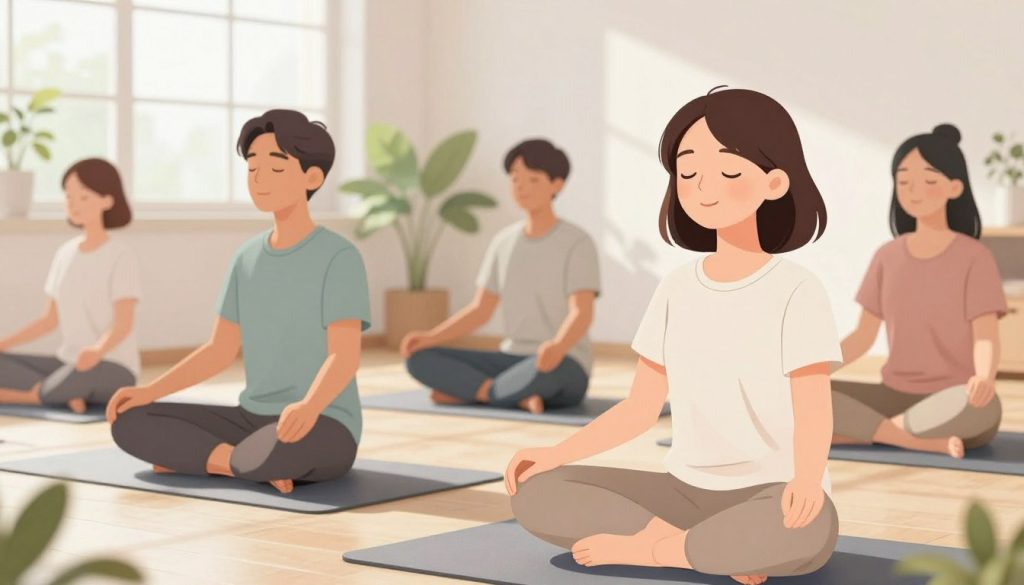
Life moves quickly in our modern world. Many people feel overwhelmed by daily pressures. Finding a moment to pause can transform your mental clarity.
Simple habits help you achieve stress relief. By focusing on your rhythm, you create a calm space within.
Cultivating peace is a journey worth taking. These techniques offer a path to a more balanced life. You will soon realise how small changes lead to better health.
Understanding the science behind the benefits of mindfulness and breathing exercises
Scientific research provides a fascinating look at how our bodies respond to intentional calm. By examining the biological mechanisms at play, we can better appreciate why these ancient techniques remain so relevant today. It is truly empowering to see how simple shifts in our daily routine can lead to profound physiological changes.
How the nervous system responds to mindful breathing
When you engage in mindful breathing, you are essentially sending a signal to your brain that you are safe. This practice helps shift your autonomic nervous system from the high-alert fight-or-flight mode into a restorative rest-and-digest state. By slowing your respiration, you actively lower your heart rate and reduce the production of stress hormones like cortisol.

This transition is vital for long-term health and emotional stability. Consistent practice allows the body to recover more efficiently from the pressures of modern life. You will likely notice that your ability to remain calm under pressure improves as your nervous system becomes more resilient.
The physiological impact of meditation on the brain
Beyond the immediate calming effects, meditation benefits extend to the very structure of your brain. Studies suggest that regular practice can lead to increased grey matter density in regions associated with memory and emotional regulation. This structural change helps you process information more clearly and manage your reactions to difficult situations.
By fostering these neurological changes, you are essentially training your brain to be more adaptable and focused. These meditation benefits demonstrate that mental well-being is not just a feeling, but a tangible result of consistent effort. Embracing these habits can lead to a more balanced and healthy life over time.
Practical mindfulness techniques for daily life
Transforming your daily grind into a series of mindful moments is easier than you might think. You do not need hours of spare time to experience the benefits of mindfulness techniques. By making small adjustments to your existing routine, you can foster a sense of presence that lasts throughout the day.

Mindful walking in urban environments
A mundane commute through a bustling city centre often feels like a source of stress. However, you can turn this time into a grounding experience by focusing on your physical sensations. Notice the rhythm of your footsteps against the pavement and the feeling of the air on your skin.
As you navigate busy streets, try to observe the environment without judgment. This simple shift in perspective helps you remain calm amidst the chaos of urban life. These mindfulness practices allow you to reclaim your commute as a period of personal restoration.
Integrating short meditation sessions into a busy schedule
Many people believe that meditation requires a long, uninterrupted block of time. In reality, even a three-minute session can significantly lower your stress levels. You might choose to practice during your lunch break or while waiting for the kettle to boil.
Consistency is far more important than duration when building these habits. By prioritising short, frequent sessions, you ensure that your mental well-being remains a core part of your day. These accessible mindfulness practices fit seamlessly into even the most demanding professional or personal commitments.
Core breathing exercises to reduce stress and anxiety
Harnessing the power of your breath is one of the most effective ways to manage anxiety. By learning specific breathing techniques, you can influence your nervous system to shift from a state of tension to one of relaxation. These breathing exercises benefits extend beyond simple relaxation, offering a practical tool for daily stress relief.
The 4-7-8 technique for immediate calm
The 4-7-8 method acts as a natural tranquilliser for the nervous system. To begin, exhale completely through your mouth, then close your lips and inhale quietly through your nose for a count of four. Hold your breath for a count of seven, and finally, exhale completely through your mouth for a count of eight.
This rhythmic pattern helps to slow the heart rate and quiet the mind during moments of high pressure. Practising this mindful breathing exercise regularly can help you feel more grounded when life becomes hectic.
Box breathing for focus and emotional regulation
Box breathing is a powerful method often utilised by professionals to maintain composure under pressure. You start by inhaling for four seconds, holding your breath for four seconds, exhaling for four seconds, and holding the empty lungs for four seconds. This structured approach creates a sense of stability and improves your ability to concentrate on complex tasks.
By focusing entirely on the count, you effectively interrupt the cycle of anxious thoughts. This technique is an excellent way to achieve emotional regulation when you need to stay sharp and composed.
Tips for maintaining consistent practice
To truly enjoy the breathing exercises benefits, consistency is essential. Try to link your practice to an existing habit, such as drinking your morning tea or sitting at your desk before starting work. Even just three minutes of mindful breathing each day can significantly improve your long-term stress relief.
Keep your goals small and manageable to ensure you stay motivated. Remember that these breathing techniques are meant to support your well-being, so approach them with a sense of kindness rather than pressure.
Enhancing mental well-being through consistent practice
Committing to a daily routine of mindfulness practices offers a transformative path toward better mental well-being. When you make these habits a non-negotiable part of your day, you create a stable foundation for your brain to thrive. Consistency is the secret ingredient that turns simple actions into profound life changes.
Improving focus and cognitive clarity
Regular engagement with these habits sharpens your ability to concentrate on complex tasks throughout the working day. By training your brain to return to the present moment, you effectively clear away the mental clutter that often hinders productivity. This heightened state of awareness allows you to approach your professional responsibilities with renewed vigour and precision.
You will find that your capacity for deep work expands as you continue your journey. Cognitive clarity becomes your new baseline, making it easier to solve problems and make decisions under pressure. Over time, your mind becomes a more efficient tool, capable of sustaining focus even when your environment is demanding.
Managing emotional reactivity in challenging situations
Integrating specific breathing techniques into your schedule provides a vital buffer against stress. These methods act as a pause button, allowing you to step back before reacting impulsively to difficult circumstances. Instead of being swept away by frustration, you can choose to respond with greater composure and grace.
Developing this emotional resilience is a core benefit of a steady practice. You learn to observe your feelings without being controlled by them, which fosters a sense of inner peace. By prioritising these techniques, you build a resilient mind that is better equipped to handle the inevitable ups and downs of life with confidence.
Overcoming common barriers to mindfulness
Starting a new wellness journey often brings unexpected challenges that can test your resolve. Many people feel discouraged when they first explore mindfulness techniques, but these hurdles are simply part of the learning process. By addressing these issues with patience, you can unlock the full potential of your practice.
Dealing with a wandering mind during meditation
It is completely natural for your thoughts to drift away while you sit in silence. When you notice your mind wandering, try not to judge yourself or feel like you have failed. Instead, gently acknowledge the distraction and guide your focus back to your breath.
This simple act of returning to the present moment is where the real growth happens. Over time, this practice strengthens your mental resilience and helps you enjoy lasting meditation benefits. Remember that consistency matters far more than achieving a perfectly empty mind.
Finding the right environment for your practice
Your surroundings play a significant role in how easily you can settle into a calm state. Loud noises or constant interruptions can make it difficult to maintain your focus. Finding a quiet corner where you feel safe and undisturbed is a vital step for your success.
Creating a dedicated space at home
You do not need a large room to establish a sanctuary for your daily routine. Even a small, tidy corner with a comfortable cushion or chair can serve as your personal retreat. Adding a few simple items, such as a plant or a soft light, can help signal to your brain that it is time to relax.
By curating this space, you remove environmental barriers that often hinder your progress. This intentional approach makes it much easier to sustain your daily habits. Ultimately, creating this environment allows you to fully embrace the meditation benefits that support your long-term well-being.
Embracing a calmer lifestyle for long-term health
Building a sustainable routine creates a foundation for lasting vitality. The benefits of mindfulness and breathing exercises extend far beyond the immediate moment of calm.
Small, consistent habits transform your daily experience. You gain the tools to navigate life with greater ease and clarity. Prioritising your mental well-being serves as a powerful investment in your future self.
Recognising the breathing exercises benefits allows you to reclaim control during stressful periods. You build resilience that supports your physical and emotional health over time. This path leads to a life defined by balance and inner strength.
Begin your practice today to unlock these positive changes. Small steps lead to significant improvements in how you interact with the world. Your journey toward a peaceful and centred life starts with a single, intentional breath.