

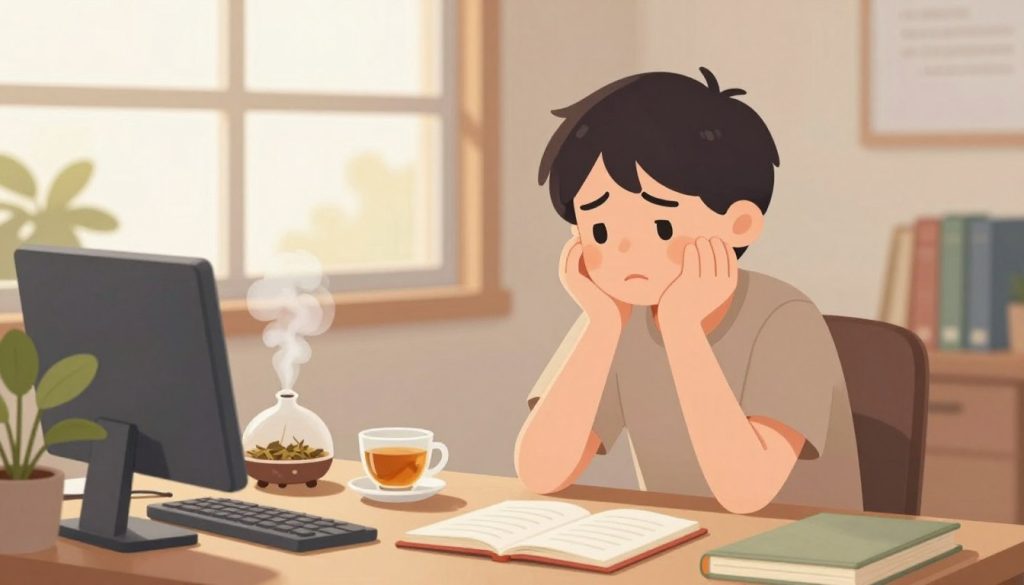
Anxiety affects millions in the United Kingdom. The NHS says about 1 in 6 people face a common mental health issue weekly. This shows anxiety is quite common. It can disrupt daily life and relationships for many.
Stress and anxiety often go together. When stress piles up, anxiety symptoms can pop up suddenly. Work, family, or personal issues can cause it. Knowing what triggers your anxiety is key to managing it.
Professional therapy offers real solutions for anxiety. Cognitive behaviour therapy has shown to help people take back control. Adding relaxation techniques and mindfulness to therapy makes a strong wellness plan.
Panic attacks can happen suddenly and feel scary. Knowing the warning signs helps you prepare. With self-care and support, you can lessen their impact.
This article looks at practical ways to handle anxiety and grow stronger. You’ll learn about therapy, relaxation, and mindfulness. By taking steps today, you can better your mental health and life quality.
Key Takeaways
- Anxiety affects approximately 1 in 6 people in the United Kingdom each week
- Cognitive behaviour therapy is an evidence-based treatment for managing anxiety symptoms
- Relaxation techniques and mindfulness reduce stress levels and promote calmness
- Recognising panic attack triggers helps you respond more effectively
- Self-care practices build long-term resilience against mental health challenges
- Professional therapy provides structured support for lasting recovery
- Daily stress management prevents anxiety from affecting your wellbeing
Understanding the Nature of Anxiety
Anxiety is a natural response to danger and uncertainty. It helps us react quickly to threats. But, when it lasts too long, it can harm our daily lives and mental health.
The National Institute for Health and Care Excellence (NICE) says clinical anxiety is worry that lasts too long. When anxiety stops us from working or enjoying life, it’s a sign we need help. Knowing when to seek support is crucial.
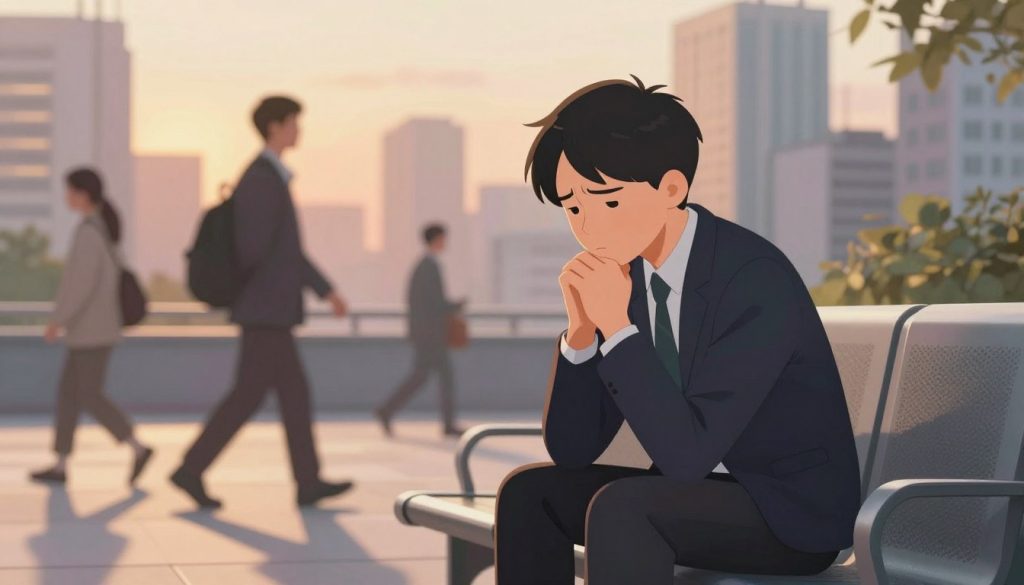
Therapy can help when anxiety gets in the way. Cognitive behaviour therapy changes negative thoughts. Relaxation and mindfulness calm the mind. Self-care routines help manage symptoms too.
Defining the Clinical Condition
Clinical anxiety is different from normal worry. Doctors look for specific signs to diagnose it. Symptoms must last weeks or months, and they must be severe.
There are many types of anxiety:
- Generalised anxiety disorder—persistent worry across many life areas
- Social anxiety—intense fear of social situations and judgment
- Panic disorder—sudden, overwhelming episodes of panic attacks
- Phobias—extreme fear of specific objects or circumstances
Knowing your type of anxiety helps find the right treatment. Cognitive behaviour therapy is often effective. Working with experts ensures you get the right care.
Common Triggers in Modern Life
Today’s world has unique challenges that cause anxiety. Technology makes it hard to disconnect from work. Social media can make us feel bad about ourselves. Money worries also stress us out.
| Modern Trigger | Impact on Anxiety | Frequency in Population |
|---|---|---|
| Work-related pressure | Increases daily stress and sleep disruption | 62% of workers report stress |
| Financial concerns | Creates persistent worry about stability | 45% cite money as main stressor |
| Social media use | Triggers comparison and self-doubt | 70% of young adults affected |
| Information overload | Overwhelms decision-making capacity | 58% report digital fatigue |
| Relationship conflicts | Generates emotional distress and worry | 40% cite relationship stress |
Digital overload affects our anxiety levels. Notifications and social media keep us alert. Phone-free times help manage anxiety. Techniques like breathing and mindfulness calm the mind.
Knowing what triggers your anxiety is key to managing it. Once you know, you can plan how to deal with it. Self-care is vital during stressful times. Simple actions like exercise, sleep, and socialising reduce anxiety and improve mental health.
Recognising Common Physical Symptoms
Anxiety shows up in your body in many ways. It’s important to know these signs for your mental health. When you feel anxious, your body goes into high alert mode. This can make you feel scared or worried.
Stress hormones make your body react. You might feel your heart racing or your chest getting tight. Your muscles can also tense up, affecting your shoulders, neck, and jaw. These feelings can last for a long time, making it hard to do everyday things or sleep well.

Feeling extremely tired is common too. This tiredness is different from just being tired. You might also sweat, shake, feel dizzy, or have trouble breathing. Some people get headaches or stomach problems.
Spotting these signs early can stop them from getting worse. Doctors in the UK say it’s key to watch out for them. There are many ways to handle these physical reactions:
- Breathing exercises from mindfulness practices
- Progressive muscle relaxation techniques
- Regular self-care routines
- Professional therapy or cognitive behaviour therapy
- Physical movement and stretching
Talking to a doctor about your symptoms is crucial. They can give you advice and talk about therapy that fits you. Using relaxation techniques and self-care early on can stop symptoms from getting worse.
The Impact of Chronic Stress on Mental Health
Living with ongoing stress can seriously damage your mental health and wellbeing. When stress lasts for weeks or months, it becomes very harmful. It affects both your mind and body, needing attention and care.
Knowing how stress affects your mental health is key. Many people notice mood, energy, and emotional changes as stress builds. If not tackled, chronic stress can lead to serious conditions needing professional help.
Psychological Consequences of Prolonged Stress
Extended stress periods change how you think and feel. Your mental health suffers as stress hormones flood your system. This affects your mood and outlook on life.
Common psychological effects include:
- Persistent feelings of sadness or low mood
- Burnout from continuous pressure and exhaustion
- Difficulty concentrating on tasks and decisions
- Feelings of anxiety that seem difficult to control
- Reduced motivation for activities you once enjoyed
These symptoms often lead people to seek therapy. Cognitive behaviour therapy offers practical tools to address negative thinking patterns and rebuild confidence.
Physical Manifestations of Mental Strain
Your body shows stress in tangible ways. When mental strain continues, physical symptoms emerge, affecting daily life.
| Mental Strain Effect | Physical Symptoms |
|---|---|
| Weakened immunity | Frequent colds, infections, slower healing |
| Digestive disruption | Stomach pain, irregular appetite, nausea |
| Sleep disturbance | Insomnia, restless nights, fatigue |
| Muscle tension | Headaches, neck pain, jaw clenching |
Using relaxation techniques, mindfulness, and self-care helps protect against these effects. Regular practice builds resilience. It helps you handle life’s pressures without panic attacks or emotional overwhelm.
Professional Approaches to Therapy
Getting help from a professional is a big step for those dealing with anxiety and stress. Trained therapists create plans just for you, focusing on your mental health needs. In the UK, the Improving Access to Psychological Therapies (IAPT) programme offers NHS treatments. This makes help more accessible to many.
Therapy uses many proven methods to build your strength. Your therapist will help you see how anxiety affects you. They’ll then work on strategies that fit your life.
Professional therapy offers many benefits:
- Support from experts in mental health
- Plans made just for you
- Methods shown to reduce anxiety
- Ways to handle stress early on
- Help in spotting what triggers panic attacks
Therapists often mix cognitive behaviour therapy with relaxation techniques. This helps you see how your thoughts, feelings, and actions are linked. It teaches you skills for tough times.
Your therapy will also focus on mindfulness and self-care. These add to your overall wellbeing. Working with a professional helps you stay on track. They guide you in finding better ways to deal with everyday life.
If anxiety or stress is a problem, talking to your GP is the first step. They can help you get support from the NHS.
Utilising Cognitive Behaviour Therapy Techniques
Cognitive behaviour therapy is a top choice for tackling anxiety and boosting mental health. It helps you see how your thoughts, feelings, and actions are linked. This way, you can tackle negative patterns and break them down into smaller parts.
A trained therapist will lead you through exercises to change how you see tough situations. This therapy is great for those dealing with stress and panic attacks. It gives you tools to take back control when you feel overwhelmed.
Challenging Negative Thought Patterns
Your thoughts greatly influence your feelings. Anxiety often leads to distorted thinking that makes you worry more. Cognitive behaviour therapy teaches you to question these thoughts and see if they’re true.
The process has three steps:
- Identify what triggered the negative thought
- Examine the evidence for and against the thought
- Replace it with a more balanced perspective
This doesn’t mean ignoring real issues. It’s about responding to challenges with clearer thinking, not just emotions. Many find it helps a lot with panic attacks over time.
Developing Healthy Coping Mechanisms
Cognitive behaviour therapy also focuses on building coping strategies. These strategies replace old, harmful ways of dealing with things with healthier ones. This supports your mental health journey.
| Unhelpful Response | Healthier Alternative | Mental Health Benefit |
|---|---|---|
| Avoiding feared situations | Gradual exposure with support | Builds confidence and reduces avoidance patterns |
| Ruminating about problems | Problem-solving or mindfulness | Redirects energy toward solutions |
| Seeking constant reassurance | Tolerating uncertainty gradually | Decreases anxiety dependency cycles |
| Using relaxation techniques inconsistently | Scheduled self-care practices daily | Creates stable emotional regulation |
Using cognitive behaviour therapy with relaxation techniques and mindfulness gives you a strong toolkit. By sticking to self-care and therapy, you build lasting resilience. This changes how you face and manage life’s challenges.
Implementing Daily Relaxation Techniques
Relaxation techniques are key for managing daily stress and keeping your mental health in check. They work best when done regularly, acting as a shield against anxiety. Many experts suggest adding these techniques to your daily routine for better self-care and wellbeing.
You don’t need special gear or training to relax. Simple activities can be done anywhere, helping you find calm. When paired with therapy or cognitive behaviour therapy, these methods become even more effective in handling panic attacks and daily stress.
Popular Methods to Get Started
Several relaxation techniques are effective for lowering tension and boosting mental wellbeing:
- Progressive muscle relaxation: Tense and release muscle groups from head to toe
- Guided imagery: Visualise peaceful scenes to calm your mind
- Deep breathing exercises: Slow, controlled breathing patterns
- Autogenic relaxation: Use self-talk to trigger a relaxation response
- Body scanning: Focus attention on different body areas mindfully
Building Your Daily Practice
Begin with 10 minutes a day and gradually increase. Choose a quiet spot where you won’t be disturbed. Consistency is key, aiming for the same time each day. This helps your body learn to relax on cue.
| Technique | Duration | Best Time | Benefits |
|---|---|---|---|
| Progressive Muscle Relaxation | 15-20 minutes | Evening | Reduces physical tension, improves sleep |
| Guided Imagery | 10-15 minutes | Afternoon | Lowers stress, enhances focus |
| Breathing Exercises | 5-10 minutes | Morning or anytime | Calms nervous system, portable |
| Body Scanning | 20 minutes | Before bed | Increases mindfulness awareness |
The key is finding what resonates with you. Some like structured techniques, while others prefer softer methods. It’s the regular practice that improves your mental health, not perfection.
The Role of Mindfulness in Daily Life
Mindfulness is key in today’s mental health care. It helps you stay in the present, stopping anxious thoughts. By focusing on now, you break the cycle of worry and stress.
Experts say mindfulness is great with therapy. It’s simple and doesn’t need special tools or places. You just notice your surroundings and thoughts without judging.
Practising Present Moment Awareness
Being in the present is at the heart of mindfulness. It helps you not worry about the future. This change can make you feel less stressed and anxious.
Here are some easy steps to start:
- Notice five things you can see around you
- Listen carefully to sounds in your environment
- Feel textures of objects you touch
- Observe your thoughts without trying to change them
- Accept each moment without labelling it as good or bad
Regular mindfulness makes it easier to stay calm. It helps stop panic attacks and manage stress better.
Breathing Exercises for Calmness
Breathing exercises are a big part of mindfulness. Your breath links your mind and body, helping in tense moments.
Try this simple method:
- Breathe in slowly through your nose for a count of four
- Hold your breath for a count of four
- Exhale through your mouth for a count of four
- Pause for a count of four before beginning again
- Repeat this cycle five to ten times
Regular use of these breathing exercises calms your nervous system and builds stress resistance. Adding mindfulness to your daily routine improves your emotional health and life quality.
Managing Sudden Panic Attacks
Panic attacks can feel overwhelming and frightening. They arrive without warning and flood your body with intense fear. Understanding how to manage these episodes is crucial for protecting your mental health and regaining control during moments of crisis.
When a panic attack strikes, your nervous system enters fight-or-flight mode. Your heart races, breathing becomes shallow, and anxious thoughts intensify. The good news is that several immediate techniques can interrupt this cycle and bring you back to safety.
Immediate Response Strategies
The moment you recognise panic attacks beginning, grounding techniques become your first line of defence. These methods anchor you to the present moment and away from catastrophic thinking.
- Focus on your breathing using the 4-7-8 technique: breathe in for 4 counts, hold for 7, exhale for 8
- Engage your senses by naming 5 things you see, 4 you can touch, 3 you hear, 2 you smell, and 1 you taste
- Press your feet firmly into the ground to activate physical awareness
- Hold ice cubes or splash cold water on your face to shock your system into the present
Long-Term Prevention Through Professional Support
Therapy offers lasting solutions beyond immediate relief. Cognitive behaviour therapy teaches you to identify the thoughts triggering panic attacks and reframe them realistically. This approach changes how your brain processes stress and anxiety.
Building daily relaxation techniques and mindfulness practices strengthens your resilience. Consistent self-care routines reduce how often panic attacks occur and decrease their intensity. With professional guidance and personal commitment, you gain genuine control over your mental wellbeing.
Prioritising Self-Care for Long-Term Wellbeing
Creating a lasting mental health plan means making self-care a regular part of your life. These habits help you manage stress and grow stronger. By focusing on self-care, you prepare yourself for life’s ups and downs and keep your emotional health safe.
Self-care is not just a nice-to-have; it’s essential for your mental health and avoiding burnout. Studies by the NHS show that those who care for themselves better handle their emotions and enjoy better health.
Establishing Healthy Sleep Routines
How well you sleep affects your stress and anxiety levels. Bad sleep makes it hard to deal with daily stress.
To improve your sleep, try these:
- Go to bed at the same time every night
- Stop using screens an hour before bed
- Make your bedroom cool and dark
- Don’t drink caffeine after 2 p.m.
- Have a relaxing bedtime routine
Good sleep helps your mind and emotions stay balanced. It’s a key part of self-care for lasting wellbeing.
The Importance of Physical Activity
Exercising regularly is a top self-care tip for anxiety. It releases happy hormones that lower stress and boost your mood.
Try to do at least 150 minutes of moderate exercise each week by:
- Walking or jogging fast
- Swimming or cycling
- Doing yoga or Pilates
- Dancing or playing team sports
- Working out at the gym or at home
Exercise fights anxiety’s physical signs and builds mental strength. Self-care through exercise is a solid base for your wellness journey.
Conclusion
Managing anxiety needs a full approach that covers many life areas. Knowing what triggers your anxiety is key. Then, getting help from a trained therapist can really help.
Building strong self-care habits is also crucial. These habits form a solid base for better mental health.
The tools discussed in this article work best together. Cognitive behaviour therapy changes negative thought patterns. Mindfulness keeps you focused on the present. Relaxation techniques help calm your nerves when stressed.
Each method supports the others, making a strong system for managing anxiety.
Your mental wellbeing journey begins today. Healthy sleep, regular exercise, and managing panic attacks build your resilience. Small steps today lead to big changes tomorrow.
Your dedication to these strategies puts you in charge of your mental health. It opens the door to a calmer, more balanced life.

