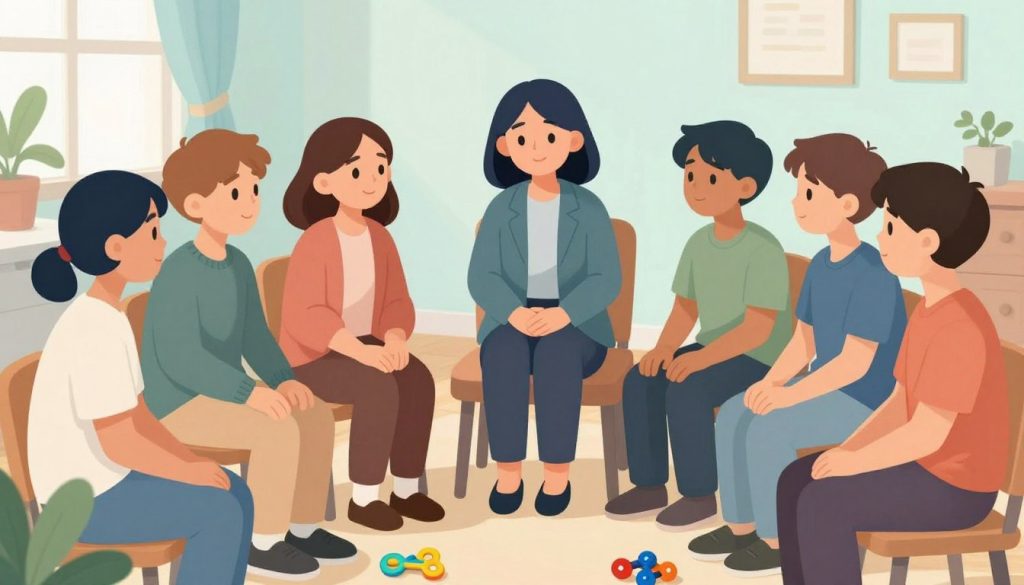
Supporting the mental health of young individuals is crucial in today’s society. As they navigate the challenges of growing up, many face issues related to mental wellbeing. Anxiety is a significant concern among this demographic, impacting their daily lives and overall development.
The importance of addressing anxiety in young people cannot be overstated. By providing the right support and guidance, we can help them manage their anxiety and improve their mental health. This article aims to offer practical tips and insights into supporting young people’s mental wellbeing.
Key Takeaways
- Understanding the signs of anxiety is crucial for early intervention.
- Creating a supportive environment helps young people feel comfortable discussing their mental health.
- Encouraging healthy habits can significantly improve mental wellbeing.
- Seeking professional help when needed is vital for effective support.
- Educating oneself about mental health issues can enhance support strategies.
Understanding Anxiety in Young People
Understanding anxiety in young people is crucial for providing effective support and guidance. Anxiety can manifest in various ways, making it essential to recognize its common signs and symptoms.
Common Signs and Symptoms
Anxiety in young people can be identified through several indicators. These include:
- Physical manifestations such as rapid heartbeat, trembling, and sweating.
- Behavioural changes like withdrawal from social activities, irritability, and restlessness.
Physical Manifestations
Physical symptoms are often the most noticeable signs of anxiety. These can include rapid heartbeat, trembling, and sweating. Such symptoms can be distressing and may lead to further anxiety.
Behavioural Changes
Behavioural changes are also significant indicators of anxiety. Young people may exhibit withdrawal from social activities, irritability, and restlessness. Recognizing these changes is crucial for early intervention.
Prevalence in the UK
Anxiety is a significant issue among young people in the UK. Recent statistics indicate a rising trend in anxiety disorders among this demographic. Effective stress management in youth and coping strategies for teenagers are essential to address this growing concern.

Factors Contributing to Youth Anxiety
Understanding the root causes of anxiety in young people is crucial for effective support. Anxiety disorders in teenagers are often the result of a combination of factors.
Academic Pressure
Academic pressure is a significant contributor to anxiety in young people. The expectation to perform well in exams and maintain high grades can be overwhelming. Teenagers often feel that their academic performance defines their future prospects, leading to increased stress levels.
Social Media Influence
Social media plays a substantial role in shaping the mental health of young people. Exposure to curated and often unrealistic content can lead to feelings of inadequacy and low self-esteem. The constant comparison to others on social media platforms can exacerbate anxiety.

Family Dynamics
Family dynamics are also a crucial factor in the development of anxiety in teenagers. Conflict, lack of support, or overly critical parenting styles can contribute to increased anxiety levels. Creating a supportive and understanding family environment is essential for helping young people manage their anxiety.
Recognising When Professional Help Is Needed
It’s essential to identify the signs that indicate a need for professional intervention in youth anxiety. Young people experiencing anxiety may require additional support beyond what family and friends can provide. Recognising the warning signs of severe anxiety is crucial in determining when professional help is necessary.
Warning Signs of Severe Anxiety
Severe anxiety in young people can manifest in various ways. Some common warning signs include:
- Persistent and excessive worry that interferes with daily life
- Avoidance of social situations or places due to fear or anxiety
- Physical symptoms such as rapid heartbeat, sweating, or trembling
- Difficulty concentrating or making decisions
- Changes in appetite or sleep patterns
These signs indicate that the individual may benefit from teenage mental health support to manage their anxiety effectively.
Available Mental Health Services in the UK
The UK offers various mental health services to support young people struggling with anxiety. These services are designed to provide youth anxiety treatment and support.
NHS Resources
The NHS provides a range of mental health services, including:
- CAMHS (Child and Adolescent Mental Health Services) for those under 18
- Cognitive Behavioural Therapy (CBT) to help manage anxiety
School-Based Support
Schools in the UK also play a vital role in supporting students with anxiety. Many schools offer:
- Access to school counsellors or mental health professionals
- Anxiety management workshops or groups
- Individualised support plans to help students cope with anxiety
By recognising the warning signs and accessing the available mental health services, young people can receive the support they need to manage their anxiety.
Effective Communication Strategies
Supporting young individuals with anxiety requires a thoughtful and multi-faceted communication approach. Effective communication is pivotal in adolescent anxiety prevention, as it allows young people to express their feelings and concerns openly.
Creating Safe Spaces for Conversation
Creating a safe and non-judgmental space is crucial for encouraging young people to discuss their anxiety. This involves being approachable and understanding, ensuring that they feel comfortable sharing their feelings. Parents, caregivers, and professionals can achieve this by being present and available when needed.
Active Listening Techniques
Active listening is a powerful tool in supporting young people with anxiety. It involves fully concentrating on what the individual is saying, understanding their perspective, and responding thoughtfully. This technique helps young people feel heard and validated, reducing feelings of isolation.
Validating Their Feelings
Validating the feelings of young people is essential in helping them manage their anxiety. It is crucial to acknowledge their emotions, reassuring them that their feelings are normal and understandable. This validation helps in building trust and encourages open communication, which is vital for effective support.
By implementing these strategies, adults can significantly enhance their ability to support young people dealing with anxiety, fostering a more supportive and understanding environment.
Practical Coping Strategies for Teenagers
As anxiety becomes increasingly prevalent among young people, it’s essential to explore coping mechanisms tailored to their needs. Teenagers can benefit significantly from learning and practicing various strategies to manage their anxiety effectively.
Mindfulness and Relaxation Techniques
Mindfulness and relaxation techniques are powerful tools for managing anxiety. These practices help teenagers calm their minds and reduce stress.
Breathing Exercises
Breathing exercises are a simple yet effective way to calm the nervous system. Techniques such as diaphragmatic breathing can help reduce anxiety symptoms by promoting relaxation.
Grounding Methods
Grounding methods help individuals focus on the present moment, distracting them from anxious thoughts. Techniques include paying attention to the five senses, such as feeling the ground beneath their feet or noticing the sounds around them.
Physical Activity and Its Benefits
Engaging in regular physical activity is a crucial coping strategy for teenagers. Exercise has been shown to reduce anxiety by releasing endorphins, which are natural mood lifters. Activities such as walking, cycling, or team sports can be particularly beneficial.
Healthy Sleep Habits
Maintaining healthy sleep habits is vital for managing anxiety. Teenagers should aim for 8-10 hours of sleep per night and establish a consistent bedtime routine to improve sleep quality. Avoiding screens before bedtime and creating a relaxing sleep environment can also help.
By incorporating these practical coping strategies into their daily lives, teenagers can better manage their anxiety and improve their overall well-being.
Supporting Young People with Anxiety in Different Environments
Supporting young people with anxiety demands an understanding of their diverse environments. Young individuals spend their time in various settings, including home, school, and social environments, each with its unique challenges and stressors.
At Home
At home, creating a supportive atmosphere is crucial. Parents can encourage open conversations about anxiety, helping young people feel understood and validated. Establishing a daily routine that includes time for relaxation and leisure activities can also help manage anxiety.
- Create a calm environment
- Encourage open dialogue
- Establish a relaxing daily routine
At School
In educational settings, teachers and staff play a significant role in supporting students with anxiety. Implementing stress management techniques, such as mindfulness exercises, can be beneficial. Schools can also provide resources and accommodations to help students cope with academic pressures.
- Provide mindfulness and relaxation classes
- Offer flexible assessment options
- Train staff on mental health support
In Social Settings
In social environments, young people with anxiety may face unique challenges, such as peer pressure and social expectations. Encouraging healthy friendships and providing opportunities for socialization in comfortable settings can help. It’s also essential to educate peers about anxiety to foster a supportive community.
- Promote understanding of anxiety among peers
- Encourage inclusive social activities
- Support young people in developing coping strategies
Conclusion: Building Resilience for the Future
Supporting young people with anxiety requires a multifaceted approach that involves families, schools, and communities. By understanding the factors that contribute to anxiety and implementing effective coping strategies, we can help build resilience in teenagers.
Providing teenage mental health support is crucial in helping young people navigate the challenges they face. By creating safe spaces for conversation and promoting healthy habits, we can empower them to manage their anxiety and thrive.
As we move forward, it’s essential to continue promoting awareness and understanding of teenage anxiety. By working together, we can create a supportive environment that fosters resilience and promotes overall wellbeing.