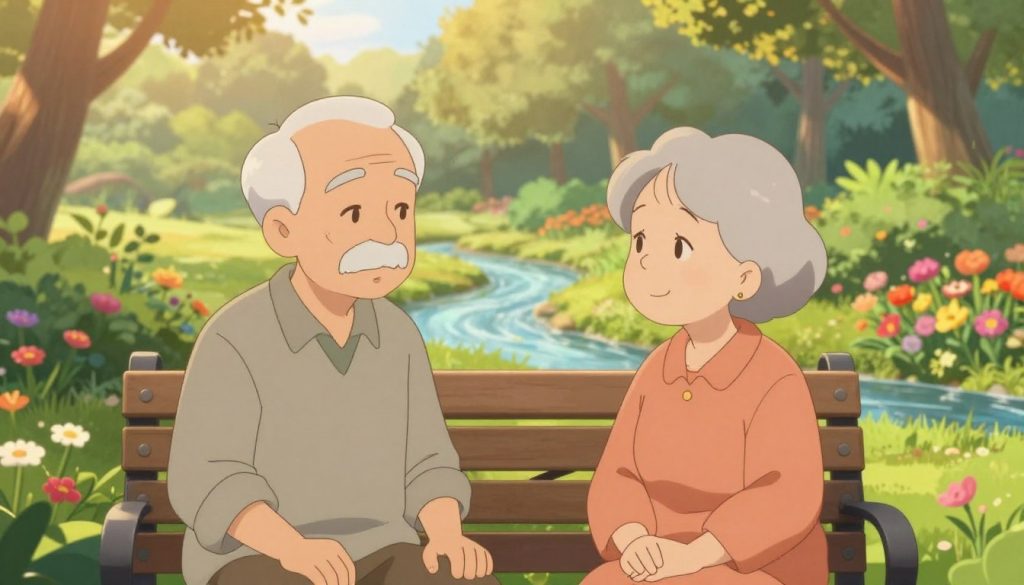
As people age, they may experience significant life changes that can impact their mental health. Anxiety is a common issue that can affect older individuals, often going unnoticed or misdiagnosed.
It’s essential to address mental health in the elderly to ensure they receive the support they need. Anxiety can be triggered by various factors, including health concerns, loss of loved ones, or changes in living situations.
By understanding the causes and symptoms of anxiety, caregivers and family members can provide better support. Effective elder anxiety management involves a combination of professional help, lifestyle changes, and emotional support.
Key Takeaways
- Anxiety is a significant concern for older adults, affecting their overall well-being.
- Recognising the signs and symptoms is crucial for providing appropriate support.
- A combination of professional help and lifestyle changes can help manage anxiety.
- Family and caregivers play a vital role in supporting older adults with anxiety.
- Addressing mental health in the elderly is essential for their overall health.
Understanding Anxiety in Older Adults
Anxiety in older adults is a growing concern that requires a comprehensive understanding to manage effectively. Anxiety disorders among older adults can significantly impact their quality of life, making everyday tasks challenging and affecting their overall well-being.
Prevalence and Impact in the UK
Anxiety disorders are prevalent among older adults in the UK, with studies indicating that a significant percentage of the elderly population suffers from some form of anxiety. This prevalence not only affects the individuals but also has a broader impact on healthcare services and social care systems.

Common Causes of Anxiety in Later Life
Several factors contribute to the development of anxiety in older adults, including chronic health conditions, loss of loved ones, and significant life changes. Understanding these causes is crucial for developing effective management strategies.
How Anxiety Symptoms Present Differently in Seniors
Anxiety symptoms in older adults can manifest differently compared to younger individuals, often presenting as somatic complaints or cognitive impairments. Recognizing these differences is essential for accurate diagnosis and treatment.
Physical Approaches to Managing Anxiety
Older adults can benefit from a range of physical strategies to manage anxiety effectively. Incorporating gentle exercises, breathing techniques, and sleep improvement methods can significantly enhance mental wellbeing.
Gentle Exercise and Movement Therapies
Gentle exercise is a powerful tool for reducing anxiety. Activities such as tai chi, yoga, and short walks can help alleviate symptoms. These exercises promote relaxation and improve overall physical health.
Recommended Activities for Limited Mobility
For those with limited mobility, chair yoga and seated exercises can be particularly beneficial. These activities can be adapted to suit individual capabilities.
NHS Exercise Programmes for Older Adults
The NHS offers various exercise programmes tailored for older adults, including falls prevention classes and gentle exercise sessions. These programmes are designed to be accessible and enjoyable.
Breathing Techniques and Progressive Relaxation
Breathing techniques and progressive relaxation can help calm the mind and reduce anxiety. Practicing deep breathing exercises and systematically relaxing muscle groups can lead to a more peaceful state.
Improving Sleep Quality to Reduce Anxiety
Improving sleep quality is crucial for managing anxiety. Establishing a consistent sleep routine, creating a restful sleep environment, and avoiding stimulants before bedtime can significantly enhance sleep quality.

Psychological Strategies for Elderly Anxiety Management
Managing anxiety in older adults requires a thoughtful approach that incorporates effective psychological strategies. Anxiety in older adults can lead to significant psychological distress in seniors, affecting their quality of life. Therefore, addressing anxiety in the elderly is crucial for their overall well-being.
Cognitive Behavioural Therapy Adaptations for Older Adults
Cognitive Behavioural Therapy (CBT) is a widely used technique for managing anxiety. For older adults, CBT can be adapted to accommodate any cognitive or physical limitations. This may involve simpler, more concrete language and the use of memory aids to support the therapy.
The adaptations make CBT more accessible, allowing older adults to benefit from this effective therapy. It’s essential to work with a therapist who has experience in adapting CBT for older adults.
Mindfulness and Meditation Practices
Mindfulness and meditation are powerful tools for reducing anxiety. These practices help individuals focus on the present moment, reducing worries about the past or future. For older adults, mindfulness and meditation can be particularly beneficial, promoting relaxation and reducing stress.
Simple mindfulness exercises, such as deep breathing or body scan meditation, can be practiced at home or in a group setting, providing flexibility and support.
Worry Management Techniques
Effective worry management is critical for reducing anxiety. Techniques such as scheduling worry time, problem-solving, and cognitive restructuring can help older adults manage their worries more effectively.
By allocating a specific time for worrying, individuals can prevent anxiety from overwhelming their daily lives. This structured approach helps in addressing anxiety in the elderly by providing them with tools to manage their worries.
Social Support and Lifestyle Modifications
Anxiety in older adults can be effectively managed through a combination of social support and targeted lifestyle changes. Building and maintaining social connections is crucial for mental health in the elderly.
Building and Maintaining Social Connections
Staying socially active is vital for older adults to combat anxiety. This can be achieved through various means, including:
- Participating in community activities
- Joining social clubs or groups aligned with their interests
- Volunteering for causes they care about
Community Resources in the UK
The UK offers numerous community resources that can help older adults stay connected. These include local Age UK groups, which provide a range of services and activities tailored to older people’s needs.
Technology for Staying Connected
Technology can also play a significant role in maintaining social connections. Simple video calling tools and social media platforms can help older adults stay in touch with family and friends who live far away.
Engaging in Meaningful Activities and Hobbies
Engaging in activities they enjoy can significantly reduce anxiety in older adults. This could be anything from gardening and painting to reading and cooking. Such activities not only provide a sense of purpose but also offer opportunities to socialize.
Nutrition and Dietary Considerations
A balanced diet is essential for overall mental health. Older adults should focus on consuming a variety of foods rich in nutrients, including fruits, vegetables, whole grains, and lean proteins. It’s also important to stay hydrated by drinking plenty of water.
Nutritional Tips:
- Eat regular, balanced meals to maintain energy levels
- Include foods rich in omega-3 fatty acids, such as salmon, to support brain health
- Limit intake of caffeine and alcohol, which can exacerbate anxiety symptoms
Professional Help for Anxiety in Older Adults
For many older adults, seeking professional help is a vital part of overcoming anxiety. Anxiety in older age can be complex, often intertwining with other health issues, making professional guidance crucial for effective management.
When to Consult Healthcare Professionals
It’s essential to consult healthcare professionals if anxiety starts to interfere with daily life. Symptoms such as persistent worry, fear, or avoidance behaviours that impact daily activities or social interactions are indicators that professional help is needed. Early intervention can significantly improve outcomes.
NHS Mental Health Services for the Elderly
The NHS provides a range of mental health services for older adults, including community mental health teams and psychological therapies. Cognitive Behavioural Therapy (CBT) is a common treatment offered, which has been adapted for older adults. These services are designed to support older adults in managing their anxiety and improving their quality of life.
Medication Considerations and Management
Medication can be an effective treatment for anxiety in older adults, but it requires careful consideration and management. Healthcare professionals must balance the benefits against potential risks, particularly considering other medications the individual may be taking. Regular review of medication is crucial to ensure it remains effective and safe.
Supporting Elderly Loved Ones with Anxiety
Supporting elderly loved ones with anxiety requires a thoughtful and compassionate approach. Caregivers play a vital role in elder anxiety management, and their support can significantly impact the wellbeing of older adults. By understanding the needs and concerns of elderly individuals, caregivers can provide effective support and help alleviate anxiety symptoms.
Effective Communication Strategies for Caregivers
Effective communication is crucial when supporting older adults with anxiety. Caregivers should use clear and simple language, maintaining a calm and reassuring tone. It’s also important to listen actively and validate the feelings of their elderly loved ones. This helps create a sense of security and understanding, which is vital for older adults mental wellbeing.
Creating a Supportive Home Environment
Creating a supportive home environment is also essential for addressing anxiety in the elderly. This can involve reducing stressors, such as noise or clutter, and creating a calm atmosphere. Caregivers can also encourage relaxation techniques, such as deep breathing or meditation, to help manage anxiety. By making these adjustments, caregivers can help create a safe and comforting space for their elderly loved ones.
Managing Anxiety in Older Adults: A Path Forward
Addressing anxiety in older adults requires a comprehensive approach that incorporates physical, psychological, and social strategies. By understanding the causes and symptoms of anxiety in later life, individuals can take the first steps towards effective management.
A combination of gentle exercise, breathing techniques, and improved sleep quality can significantly alleviate anxiety symptoms. Additionally, psychological strategies such as cognitive behavioural therapy and mindfulness practices can help individuals manage their mental health in elderly populations.
Building and maintaining social connections, engaging in meaningful activities, and seeking professional help when needed are also crucial in mitigating psychological distress in seniors. By adopting these strategies, older adults can regain control over their lives and improve their overall well-being.
By working together to address anxiety in older adults, we can create a supportive environment that promotes mental health and reduces psychological distress in seniors.