Why Anxiety During Menopause Is More Common Than Many People Realise
Menopause is a natural stage of life, yet for many women, the emotional and psychological changes that accompany it can be unexpected and sometimes frightening.
While hot flushes, night sweats and changes in menstrual periods are widely recognised symptoms, the impact menopause can have on mental health is often overlooked.
Some women begin experiencing anxiety for the first time in their lives. Others find that anxiety they previously managed becomes more difficult to control.
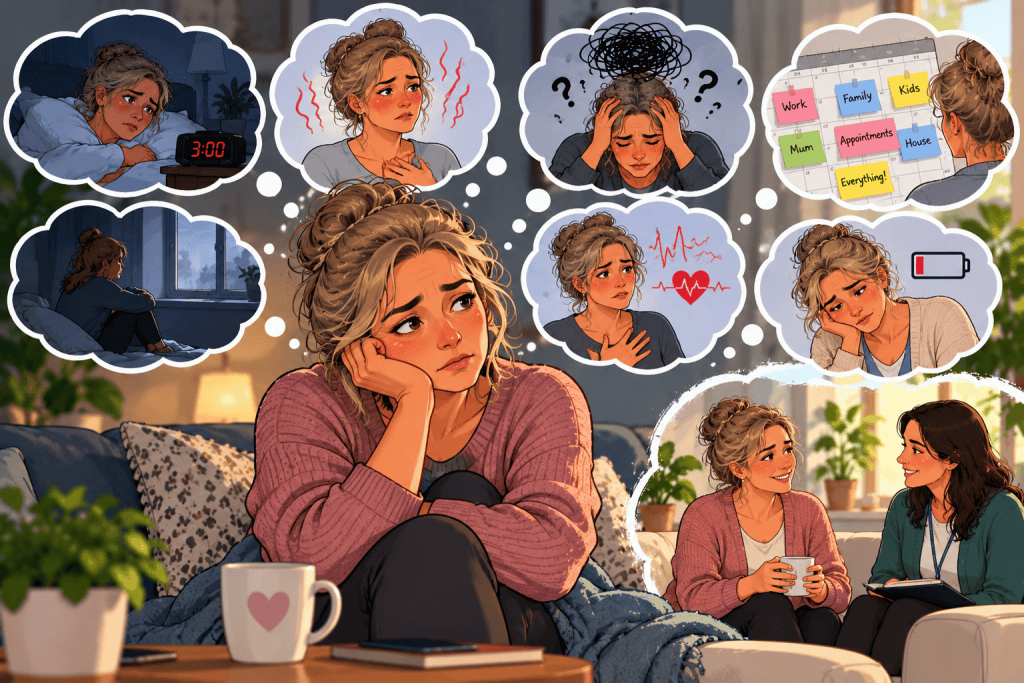
They may suddenly feel overwhelmed by everyday responsibilities, become unusually worried about their health or relationships, struggle with racing thoughts or experience unexpected feelings of panic.
For someone who has always considered themselves confident and emotionally resilient, these changes can be particularly confusing.
They may begin questioning why situations that previously felt manageable now seem overwhelming.
At Anxious Minds, we recognise that anxiety during menopause is a genuine and sometimes distressing experience that deserves understanding, compassion and appropriate support.
Understanding the relationship between hormonal changes, emotional wellbeing and anxiety can help women recognise their symptoms and take steps towards feeling more in control.
What Is Menopause?
Menopause is the stage of life when menstrual periods stop because of changes in reproductive hormone levels.
It usually occurs between the ages of 45 and 55, although some people experience it earlier.
Menopause is generally recognised once someone has gone 12 consecutive months without a menstrual period, provided there is no other explanation.
However, many emotional and physical symptoms begin before this point, during a stage called perimenopause.
Perimenopause can last for several years, during which hormone levels fluctuate and menstrual cycles may become irregular.
These hormonal changes can contribute to symptoms such as:
-
Hot flushes and night sweats.
-
Difficulty sleeping.
-
Mood swings and irritability.
-
Anxiety and feelings of panic.
-
Reduced concentration and memory difficulties.
-
Fatigue and emotional exhaustion.
-
Changes in confidence and self-esteem.
-
Joint discomfort and other physical symptoms.
According to the NHS, anxiety, low mood and problems with memory or concentration are recognised symptoms of perimenopause and menopause.
However, experiences vary considerably. Some women have relatively mild symptoms, while others experience significant disruption to their everyday lives.
1. How Hormonal Changes Can Contribute to Anxiety
One of the main reasons anxiety can develop during menopause is the fluctuation and eventual decline in reproductive hormones, particularly oestrogen and progesterone.
These hormones play important roles in the body and interact with systems involved in sleep, mood and emotional regulation.
Oestrogen influences processes involving neurotransmitters such as serotonin, which contributes to mood regulation.
Changes in hormone levels may therefore influence emotional wellbeing, although the relationship between hormones and anxiety is complex.
For some women, fluctuating hormones may increase emotional sensitivity or make existing anxiety more noticeable.
Others may experience anxiety because of the physical symptoms and lifestyle changes associated with menopause.
It is important to understand that menopausal anxiety is not simply caused by someone thinking negatively or being unable to cope.
Biological changes can contribute to genuine emotional and physical symptoms, and appropriate treatment can make a difference.
2. Why Anxiety Can Suddenly Appear During Perimenopause
One particularly confusing experience is developing anxiety despite having no previous history of significant mental health difficulties.
A woman may have spent decades managing employment, parenting, relationships and challenging situations without experiencing persistent anxiety.
Then, during perimenopause, she may begin feeling nervous, overwhelmed or unusually fearful.
She might experience:
-
Worrying about things that previously caused little concern.
-
Feeling uncomfortable in crowded environments.
-
Becoming anxious about driving or travelling.
-
Unexpected episodes of panic.
-
Feeling constantly on edge.
-
Overthinking conversations and everyday decisions.
These changes can be distressing because the person may no longer recognise their usual emotional responses.
Although hormonal fluctuations can contribute, other factors such as poor sleep, ongoing stress, medical conditions and previous experiences may also play a role.
A healthcare professional can help determine whether symptoms are related to menopause, an anxiety disorder or another cause.
3. Panic Attacks During Menopause
Some women experience panic attacks or panic-like symptoms during perimenopause and menopause.
A panic attack involves a sudden episode of intense fear or discomfort, often accompanied by physical symptoms.
These may include a racing heartbeat, sweating, trembling, dizziness, nausea, breathlessness or a feeling of losing control.
Hot flushes can sometimes produce similar sensations, particularly palpitations, sweating and sudden feelings of heat.
For someone who has never experienced these symptoms before, they can be frightening.
The person may worry that something is seriously wrong with their health, which can increase anxiety.
However, it is important not to automatically assume new or severe physical symptoms are caused by menopause or panic.
Chest pain, fainting, severe breathlessness or concerning new symptoms require medical assessment.
4. Sleep Problems Can Make Menopausal Anxiety Worse
Sleep disturbance is one of the most common difficulties associated with menopause.
Night sweats, hot flushes and hormonal changes can interrupt sleep, leaving someone feeling exhausted the following day.
Poor sleep can make emotional regulation more difficult.
Everyday problems may feel more stressful, concentration may decline and feelings of anxiety can become more intense.
Someone might begin worrying about whether they will sleep, creating further difficulties at bedtime.
This can result in a cycle:
Menopause symptoms disturb sleep
Tiredness and emotional sensitivity increase
Everyday worries become harder to manage
Anxiety makes relaxation and sleep more difficult
The cycle may repeat the following night
The NHS recommends sleep-supporting routines, regular activity and relaxation techniques to help manage menopause symptoms.
5. Brain Fog Can Affect Confidence and Increase Anxiety
Many women experience difficulties with concentration and memory during menopause.
Commonly described as brain fog, these difficulties may involve forgetting appointments, losing track of conversations or struggling to concentrate.
Someone may walk into a room and forget why they went there, or find themselves searching for familiar words.
Although occasional forgetfulness happens to everyone, noticeable changes can create anxiety.
Women in demanding professions may become particularly concerned about their performance.
They might worry that colleagues will question their abilities or that they are becoming less capable.
This can damage confidence and create further emotional pressure.
Brain fog can be influenced by sleep disturbance and other factors, so persistent or worsening cognitive difficulties should be discussed with a healthcare professional.
6. Menopause Anxiety Can Affect Relationships
Anxiety during menopause doesn’t only affect the individual experiencing it.
It can also influence relationships with partners, family members, friends and colleagues.
Someone who previously enjoyed socialising may become more withdrawn.
They may feel irritable, emotionally overwhelmed or uncomfortable discussing what they are experiencing.
Changes in sleep, confidence, sexual wellbeing and physical comfort can place additional pressure on intimate relationships.
Partners may struggle to understand these changes, particularly if they have little knowledge of menopause.
This can sometimes create misunderstandings, frustration or emotional distance.
Open communication is important.
Explaining that emotional changes may be connected to menopause can help loved ones respond more compassionately.
However, menopause should not be used to dismiss someone’s feelings or assume that every relationship difficulty is hormonal.
7. Why Menopause Can Increase Health Anxiety
Physical changes during menopause can sometimes trigger anxiety about health.
Someone may notice unfamiliar sensations such as palpitations, dizziness, sweating or changes in sleep.
These symptoms may lead them to worry about serious illness.
They might repeatedly search online for explanations, monitor their body or seek reassurance.
Although it is important to investigate concerning symptoms, constant checking and reassurance-seeking can sometimes maintain anxiety.
A helpful approach is to discuss symptoms with a healthcare professional and agree on an appropriate plan.
Receiving reliable information can reduce uncertainty and help someone understand which symptoms require further attention.
8. Menopause and the Pressures of Midlife
Menopause often occurs during a period when women are managing significant personal responsibilities.
Some are supporting teenage or adult children while also caring for ageing parents.
Others may be coping with bereavement, relationship changes, financial pressures or demanding employment.
These responsibilities can create considerable emotional stress.
When menopause-related symptoms are added to existing pressures, everyday life may begin to feel overwhelming.
A woman who has always supported everyone else may suddenly find herself struggling to manage her own wellbeing.
This is why menopausal mental health support should consider the whole person, not simply their hormone levels.
Social circumstances, relationships, previous mental health experiences and everyday responsibilities all matter.
9. How to Manage Anxiety During Menopause
Although menopausal anxiety can be distressing, practical strategies and appropriate healthcare can help.
Recognise and understand your symptoms
Keeping a simple record of anxiety, sleep, hot flushes and mood changes may help identify patterns.
This information can also be useful when speaking to your GP.
Practise calming techniques
Slow breathing, grounding exercises and relaxation techniques may help manage anxious feelings.
For example, try breathing gently and comfortably while focusing your attention on your surroundings.
The aim is not to force anxiety to disappear but to help your body settle.
Maintain regular physical activity
Walking, swimming, cycling or other enjoyable forms of exercise can support emotional wellbeing and sleep.
Activities that involve other people may also reduce feelings of isolation.
Reduce unnecessary stress
Consider whether some responsibilities can be shared or postponed.
Setting realistic expectations and making time for rest can help reduce emotional pressure.
Stay socially connected
Talking to friends, family members or others experiencing menopause may help reduce feelings of isolation.
Peer-support groups can provide opportunities to share experiences and practical advice.
Seek professional support
If anxiety is persistent or interfering with everyday life, speaking to a GP or qualified mental health professional can help identify suitable treatment options.
10. Can Hormone Replacement Therapy Help Menopausal Anxiety?
Hormone replacement therapy (HRT) is an established treatment for many symptoms associated with perimenopause and menopause.
It helps replace declining hormone levels and may improve symptoms such as hot flushes, night sweats, sleep problems and menopause-related anxiety or low mood.
However, HRT is not appropriate for everyone, and it is not a universal treatment for all anxiety disorders.
The decision to use HRT should involve an individual discussion about symptoms, medical history, preferences, benefits and risks.
The NHS explains that HRT can help with anxiety and low mood associated with menopause, while the benefits and risks depend on individual circumstances.
Women experiencing significant anxiety should receive an appropriate assessment rather than assuming that hormonal treatment alone will resolve every symptom.
11. How Counselling and CBT Can Help
Talking therapies can provide valuable support for women experiencing anxiety during menopause.
Cognitive behavioural therapy (CBT) helps people recognise connections between their thoughts, feelings and behaviours.
It can support individuals who experience excessive worrying, panic symptoms or difficulty coping with uncertainty.
Menopause-specific CBT may also help manage symptoms such as night-time waking and hot flushes.
NICE guidance recommends considering menopause-specific CBT for certain menopause-related symptoms, either alongside HRT or when hormonal treatment is unsuitable or not preferred.
Supportive counselling can also provide a confidential space to explore emotional difficulties, changes in identity, relationship pressures and other challenges that may arise during midlife.
The most appropriate therapy depends on the person’s individual needs.
12. When Should You Seek Help for Menopausal Anxiety?
Occasional feelings of anxiety can occur during periods of change.
However, professional support is recommended when symptoms begin affecting everyday life.
Consider speaking to your GP if you are experiencing persistent worry, repeated panic attacks, significant sleep difficulties or anxiety that interferes with relationships and employment.
It is especially important to seek help if anxiety is accompanied by ongoing depression, hopelessness or thoughts of self-harm.
Your GP can discuss menopause-related treatments, assess possible alternative causes and recommend mental health support when appropriate.
In England, adults can generally refer themselves to NHS Talking Therapies for anxiety and depression without first visiting their GP.
Seeking help early may prevent symptoms from becoming more difficult to manage.
Supporting Someone Experiencing Anxiety During Menopause
Partners, friends and family members can play an important role in supporting women through menopause.
One of the most helpful things you can do is listen without judgement.
Avoid dismissing concerns as simply hormonal or suggesting someone is overreacting.
Instead, recognise that the emotional and physical changes they are experiencing may be genuinely distressing.
Offering practical help with everyday responsibilities, encouraging rest and supporting access to healthcare can make a meaningful difference.
It is also important to respect individual experiences.
Not everyone experiences menopause in the same way, and assumptions can sometimes make people feel misunderstood.
Affordable Anxiety Counselling at Anxious Minds
At Anxious Minds, we understand that anxiety can affect people at different stages of life, including during perimenopause and menopause.
For some women, hormonal changes occur alongside pressures involving employment, caring responsibilities, relationships and financial difficulties.
These challenges can leave people feeling overwhelmed, isolated or unsure where to seek support.
Our charity provides affordable counselling services across the North East, including face-to-face appointments at our centres in Wallsend and Blyth, alongside online and telephone counselling.
We support people experiencing anxiety, depression, stress, trauma and other emotional difficulties.
Our counselling services provide a confidential and supportive environment where individuals can explore their feelings, develop coping strategies and work towards improving their mental wellbeing.
While counselling is not a replacement for medical menopause treatment, it can form an important part of a wider approach to emotional wellbeing.
We believe financial circumstances should not prevent people from accessing support when they need it.
Final Thoughts: Menopausal Anxiety Is Real, and Support Is Available
Menopause is a natural stage of life, but that does not mean the emotional and psychological symptoms should be ignored or dismissed.
For some women, anxiety during menopause can feel completely unfamiliar.
They may experience worry, panic, reduced confidence, poor sleep or emotional changes that affect their relationships and everyday activities.
These experiences can be frightening, particularly when someone doesn’t understand why they are happening.
However, experiencing anxiety during menopause does not mean someone has become weak, incapable or unable to cope.
Hormonal changes, sleep disturbances and life circumstances can all contribute to emotional difficulties.
With appropriate information, healthcare, counselling and practical support, many women can find ways to manage symptoms and improve their quality of life.
No woman should feel that she must silently tolerate overwhelming anxiety simply because menopause is a natural process.
At Anxious Minds, we believe everyone deserves access to compassionate, affordable mental health support.
Anxious Minds – Supporting Mental Health and Changing Lives Across the North East.
Visit www.anxiousminds.co.uk to find out more about our affordable counselling services.